
Pruning
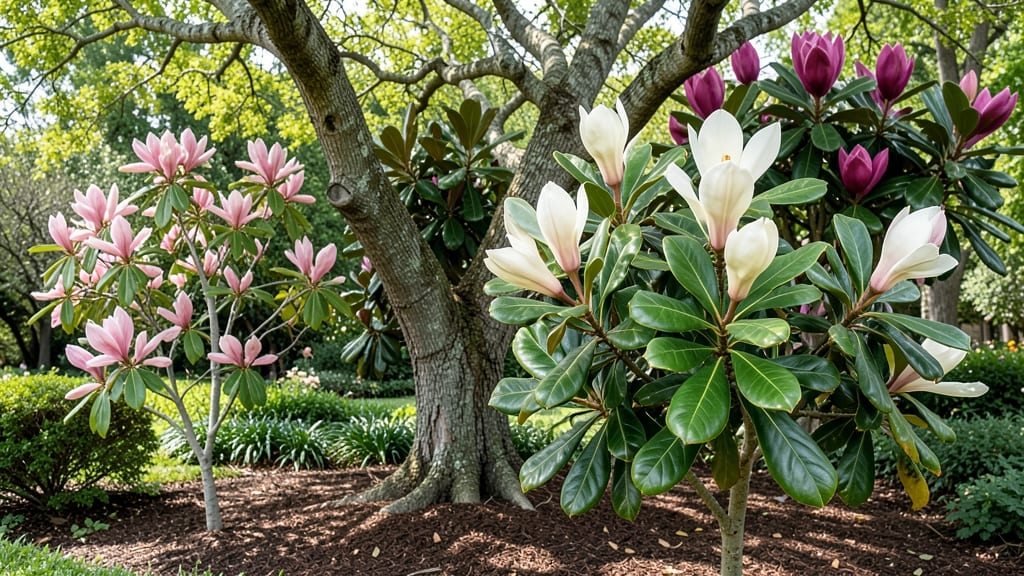
Magnolia tree leaf identification starts with the leathery texture and spiral arrangement—key traits that set them apart from other trees. 🌿 I’ve spent years comparing Southern Magnolias (large, glossy, oblong leaves) with Star Magnolias (smaller, star-shaped, and slightly fuzzy). The veins? Southerns have smooth, parallel lines, while Stars show delicate branching patterns. The color matters too: healthy leaves range from deep green to bluish-green, but yellowing or brown spots signal stress or pests. A quick leaf rub test reveals the difference—Southerns feel waxy, while Star Magnolias have a subtle velvet touch. Why does this matter? Correct ID means proper pruning, pest control, and care. A misidentified tree could mean overwatering or wrong fertilizers. For example, Southern Magnolias hate wet feet, while Star Magnolias tolerate drier soil. Grab a magnifying glass and compare your leaves to these traits. The right ID unlocks better care—and healthier blooms next spring.
Understanding Leaf Changes in Magnolias
Magnolia trees are prized for their lush foliage, but leaf identification issues—such as discoloration, unusual shapes, or early drop—often stem from specific environmental or biological factors. Below, we break down the key reasons why magnolia leaves may look different than expected, along with actionable insights to address them.
Magnolias are sensitive to their surroundings, and extreme or sudden changes can trigger leaf abnormalities. Here’s what’s likely causing the issue:
- Temperature Fluctuations - Hot or Cold Shocks: Magnolias thrive in USDA Zones 4–9 but struggle with sudden freezes (below 10°F) or heatwaves (above 90°F).
Leaves may scorch (brown edges), curl, or drop prematurely. - Actionable Fix: Mulch the base with 3–4 inches of organic mulch (wood chips or pine straw) to regulate soil temperature. In winter, wrap young trees with burlap for frost protection.
- Watering Issues - Overwatering: Soggy soil suffocates roots, leading to yellowing leaves (chlorosis) or blackened leaf spots. Magnolias prefer well-drained soil. - Underwatering: Leaves may turn crispy or brown at the edges, especially in sandy soil. - Actionable Fix: Water deeply 1–2 times per week (adjust for rain).
Test drainage by digging a 1-foot hole—if water pools after 6 hours, amend soil with perlite or compost.
- Sunlight Exposure - Too Much Sun: Leaves may bleach or scorch (white/yellow patches) in full sun without acclimation. - Too Little Sun: Leaves grow pale, sparse, or leggy, lacking the glossy dark green typical of magnolias. - Actionable Fix: Plant in partial shade (morning sun + afternoon shade) for most species.
Dappled sunlight (e.g., under tall trees) works well.
Magnolias attract pests and fungi that alter leaf appearance. Here’s how to spot and stop them:
- Magnolia Scale & Aphids
- Symptoms: Sticky residue ("honeydew") on leaves, yellowing or curled leaves, and black sooty mold growth.
- Why It Happens: These sap-sucking insects weaken the tree, causing nutrient deficiencies and leaf drop.
- Actionable Fix:
- Manual Removal: Blast off scales with a strong hose in early spring.
- Systemic Treatment: Apply horticultural oil (like neem oil) or insecticidal soap in late winter/early spring before pests hatch.
- Fungal Infections (Anthracnose, Leaf Spot)
- Symptoms: Dark spots with yellow halos, premature defoliation, or blackened veins.
- Why It Happens: Fungi thrive in wet, humid conditions (e.g., overhead watering or poor air circulation).
- Actionable Fix:
- Preventive Spray: Use copper fungicide (like Bonide Copper Fungicide) before rainy seasons.
- Prune for Airflow: Remove dense, crossing branches to improve ventilation.
- Magnolia Leaf Miner
- Symptoms: Blistered or "window-pane" white patches on leaves (larvae feed between leaf layers).
- Why It Happens: Larvae overwinter in fallen leaves and emerge in spring.
- Actionable Fix:
- Clean Up Debris: Rake and dispose of fallen leaves in fall.
- Burlap Traps: Hang yellow sticky traps near the tree to catch adults in early summer.
Magnolias are particular about their growing conditions. Poor soil health directly impacts leaf quality:
- pH Imbalance - Too Acidic (pH < 5.5): Leaves develop iron deficiency (yellowing between veins, called interveinal chlorosis). - Too Alkaline (pH > 7.0): Zinc or manganese deficiency causes stunted growth and purple-tinged leaves. - Actionable Fix: Test soil pH with a home kit or send a sample to a lab.
Amend with: - Sulfur (for alkaline soil) or peat moss (for overly acidic soil). - Chelated iron (like Ironite) for quick relief.
- Nutrient Deficiencies
- Nitrogen (N) Deficiency: Pale green or yellow leaves (older leaves first).
- Potassium (K) Deficiency: Brown leaf edges or weak stems.
- Magnesium (Mg) Deficiency: Yellow patches between veins (similar to iron deficiency but on younger leaves).
- Actionable Fix:
- Fertilize in Early Spring: Use a balanced fertilizer (10-10-10) or slow-release organic options like composted manure.
- Epsom Salt Spray: For magnesium deficiency, mix 1 tbsp Epsom salt per gallon of water and spray leaves monthly in growing season.
- Compacted or Poor Soil - Symptoms: Stunted growth, small leaves, or roots growing above soil. - Why It Happens: Magnolias need loamy, well-aerated soil.
Compacted soil strangles roots, limiting nutrient uptake. - Actionable Fix: - Aerate Soil: Dig 12–18 inches deep around the root zone and mix in compost or coconut coir. - Raise Mounding: Add 1–2 inches of topsoil annually to encourage deeper root growth.
Pro Tip: 💡 Keep a leaf symptom journal—note the location on the tree (top vs. bottom), season, and weather conditions—to pinpoint the exact cause faster!
Quick Fixes for Leaf Issues
When your magnolia tree’s leaves aren’t what they should be, quick action can make all the difference. Below are practical, step-by-step solutions tailored to common problems—from discoloration to pests—along with prevention tips to keep your tree thriving.
Cause: Overwatering, nutrient deficiency, or fungal infections (like anthracnose). Solution:
- 🔥 Check soil moisture – Stick your finger 2 inches deep; if soggy, reduce watering. Magnolias hate "wet feet."
- 🍳 Boost nutrients – Apply a balanced 10-10-10 fertilizer in early spring (follow label rates). For yellowing between veins, magnesium deficiency may be the culprit—try Epsom salt (1 tbsp per gallon of water, sprayed on leaves).
- 👨🍳 Prune affected leaves – Remove yellowed or browned leaves to redirect energy to healthy growth.
💡 Prevention Tip:
- 🌡️ Mulch properly – Use 2–4 inches of organic mulch (like pine bark) to retain moisture without suffocating roots. Keep mulch 6 inches away from the trunk.
Cause: Tiny pests suck sap, causing stippling, webbing, or chewed edges. Solution:
- 🔪 Blast off pests – Spray leaves with a strong stream of water (early morning) to dislodge mites and scale.
- 🥘 Use neem oil – Mix 1 tbsp neem oil + 1 tsp mild soap per quart of water, then spray undersides of leaves (where pests hide). Reapply every 7–10 days for 3 weeks.
- 🎯 Introduce beneficial insects – Ladybugs and lacewings love aphids and mites. Buy them online or attract them with native flowering plants (like dill or fennel).
✨ Prevention Tip:
- 🌿 Inspect regularly – Check new growth weekly for early signs (tiny webs, sticky residue from aphids). Catching pests early = less damage!
Cause: Stress from transplant shock, drought, or root rot. Solution:
- 💧 Water deeply but less often – Water 1–2 inches per week (deep soak, not frequent light sprinkles). Use a soaker hose for even moisture.
- 🌱 Improve drainage – If soil stays soggy, amend with compost or sand to aerate. For container magnolias, ensure pots have drainage holes.
- 🔄 Support weak roots – If recently planted, stake young trees to prevent wind stress. Avoid heavy pruning during heatwaves.
💡 Prevention Tip:
- 📊 Plant in the right spot – Magnolias thrive in partial shade (morning sun, afternoon shade in hot climates). Avoid low-lying areas where water pools.
Cause: Poor soil, compacted roots, or over-pruning. Solution:
- 🔥 Loosen compacted soil – Gently aerate the root zone with a fork (6–12 inches deep) to encourage growth.
- 🍳 Feed with slow-release fertilizer – Use a low-nitrogen, high-phosphorus formula (like 5-10-10) in early spring to promote leaf development.
- ⏰ Avoid heavy pruning – Only trim dead or crossing branches in late winter. Never prune in summer (stresses the tree).
🎯 Prevention Tip:
- 🌱 Test your soil – A simple home test kit ($10) checks pH and nutrients. Magnolias prefer slightly acidic soil (pH 5.0–6.5).
Final Reminder: Most leaf issues are fixable with patience—magnolias are tough once their basic needs (water, sun, soil) are met! For persistent problems, consult a local arborist to rule out diseases like powdery mildew or bacterial leaf spot.
Frequently asked questions
How can I tell if my magnolia is a Southern Magnolia vs. a Star Magnolia just by looking at the leaves?
Southern Magnolias have large, glossy, oblong leaves (4–8 inches long) with smooth edges and parallel veins. Star Magnolias feature smaller, star-shaped leaves (2–4 inches) with a slightly fuzzy texture and more delicate vein patterns. Check the leaf arrangement too—Southerns grow in a spiral pattern while Stars often have opposite branching.
Why do some magnolia leaves have brown edges while others stay perfectly green?
Brown edges usually signal underwatering or salt buildup in the soil. Check soil moisture—if the top 2 inches are dry, water deeply. Brown patches can also appear from fungal infections (like anthracnose) or excessive fluoride in tap water. Try collecting rainwater for irrigation to rule out chemical issues.
Can I use leaf shape alone to identify my magnolia, or do I need to check the flowers too?
Leaf shape is a great starting point, but flowers help confirm the species. Southern Magnolias bloom in late spring with large, cup-shaped white flowers, while Star Magnolias flower earlier with smaller, star-like blooms in shades of pink, purple, or white. If you’re unsure, check both leaves and flowers for the most accurate ID.
What should I do if my magnolia leaves are yellowing but the veins stay green?
This classic interveinal chlorosis usually means iron deficiency (common in alkaline soils). Test your soil pH—if it’s above 6.5, amend with chelated iron or sulfur. For quick relief, spray leaves with a 1 tbsp Epsom salt per gallon of water solution monthly during growing season.
Are magnolia leaves toxic to pets if ingested?
Magnolia leaves are mildly toxic to pets like dogs and cats. Ingesting large amounts can cause vomiting or diarrhea. While not fatal, monitor your pet if they chew leaves. Keep trees well-maintained to discourage nibbling—prune low branches to reduce access.