
Neem Oil
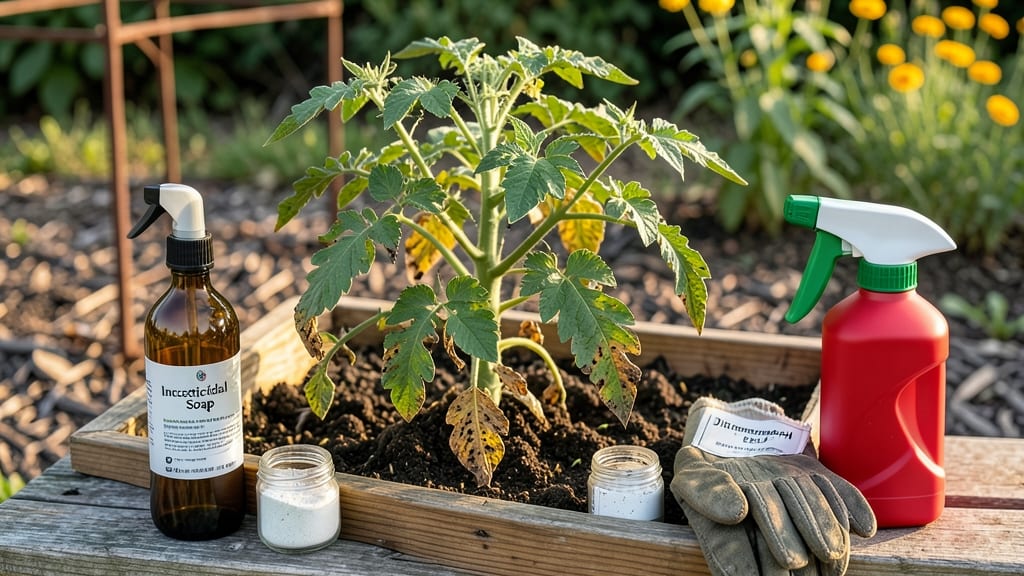
When leaf miners turn your basil and tomato leaves into skeletal lacework, this fast neem oil spray saves your plants without harsh chemicals. 🌿 I’ve battled these pesky larvae for years—until I perfected a blend that stops them in their tracks within days.
The key isn’t just neem oil; it’s the precise mix of ingredients that disrupts their life cycle while protecting beneficial insects.
This recipe works on tomatoes, roses, and herbs where leaf miners thrive. You’ll need just 4 ingredients—neem oil, insecticidal soap, water, and a drop of dish soap to help it stick. The spray targets the miners’ feeding tunnels, smothering them before they skeletonize more leaves.
Unlike chemical pesticides, this blend breaks down safely, so you can harvest your basil or tomatoes just 24 hours after application.
What sets this apart is the speed: most organic sprays take a week to show results, but this one delivers visible improvement in 3-5 days. The neem oil disrupts their feeding, while the soap creates a barrier they can’t penetrate.
You’ll see new growth pushing out within 7-10 days, and the damage stops spreading immediately.
For stubborn infestations, combine this spray with pruning affected leaves and introducing parasitic wasps—nature’s leaf miner predators. The spray handles the immediate threat, while these steps prevent future outbreaks. Safety note: always wear gloves and apply in the early morning or evening to avoid harming pollinators.
The Hidden Triggers Behind Leaf Damage
Leaf miners—those tiny, sneaky pests—don’t just appear out of nowhere. Their presence is often the result of a perfect storm of environmental conditions, plant vulnerabilities, and even human habits. Understanding why these pests target your plants is the first step to stopping them in their tracks.
Below, we break down the key culprits behind leaf miner infestations, from biological invaders to overlooked gardening mistakes.
Leaf miners are the larvae of certain flies (most commonly Agromyzidae family) or beetles. These adults don’t damage leaves directly—they’re the egg-layers. Females strategically deposit eggs on the undersides of leaves, where the larvae will hatch and tunnel through the leaf tissue for food. Here’s how it happens:
- Soft, tender leaves attract them: Young, healthy leaves—especially on tomatoes, peppers, basil, and beans—are prime real estate. The larvae thrive in these nutrient-rich environments.
- Warm, humid climates speed up their lifecycle: Leaf miners reproduce rapidly in temperatures between 70–85°F (21–29°C). If your garden stays consistently warm and moist, you’re essentially rolling out the red carpet for them.
- Overcrowded plants invite infestations: Dense foliage (like in greenhouses or heavily pruned shrubs) creates microclimates where humidity lingers, making it easier for eggs to survive and hatch.
Pro Tip: 🔍 Check the undersides of leaves regularly—tiny white or yellow eggs (or even adult flies) are your first warning sign. Early detection means fewer tunnels and less damage!
Healthy plants have natural defenses, but stress makes them vulnerable prey. Leaf miners exploit plants that are already struggling due to:
- Nutrient deficiencies: Plants low in nitrogen, potassium, or magnesium produce weaker cell walls, making it easier for larvae to burrow in. Yellowing leaves (chlorosis) or stunted growth are red flags.
- Water stress: Both overwatering (leading to root rot) and underwatering (causing drought stress) weaken plants. Leaf miners love stressed-out hosts because their defenses are down.
- Prior pest or disease damage: If your plants have already been attacked by aphids, spider mites, or fungal infections, they’re more likely to attract secondary pests like leaf miners.
Actionable Fix: 💪 Boost plant resilience with balanced fertilization (look for NPK ratios like 10-10-10) and proper watering schedules. Drip irrigation or soaker hoses help maintain even moisture without soggy soil.
Leaf miners don’t just appear—they hibernate or overwinter in garden debris, mulch, or even potted plants. If your garden is a mess, you’re giving them a survival advantage:
- Old leaf litter and mulch: Larvae can pupate in fallen leaves or thick mulch layers, emerging as adults in spring to start a new cycle.
- Unclean tools and pots: Contaminated pruners, trellises, or greenhouse surfaces can harbor eggs or larvae, spreading infestations to new plants.
- Compost piles with infested material: If you’ve composted leaves from previously infected plants, you might be unknowingly recycling the problem.
Cleanup Tip: ✨ Practice "leaf miner-proof" gardening by:
- Removing and disposing of (not composting) heavily infested leaves.
- Sanitizing tools with a 10% bleach solution or rubbing alcohol.
- Thinning out mulch layers to reduce humidity near plant bases.
Leaf miners are opportunistic, and their activity spikes under specific conditions:
| Factor | How It Helps Leaf Miners | What You Can Do |
|---|---|---|
| 🌡️ Warm Springs | Adult flies emerge earlier, giving them more time to lay eggs before summer. | Monitor plants starting in early spring and use row covers if needed. |
| ☔️ Humid Summers | High moisture keeps eggs from drying out and speeds up larval development. | Improve airflow with pruning and spacing plants 12–18 inches apart. |
| 🍂 Fall Debris | Larvae survive in fallen leaves, emerging as adults in spring. | Rake and remove leaf litter before winter or solarize it (cover with plastic for 4–6 weeks). |
Key Takeaway: If your region has hot, humid summers, leaf miners may become a year-round nuisance. Stay proactive with preventive sprays (like neem oil) during peak seasons.
How to Treat Leaf Miner Damage
Leaf miners can turn your lush plants into a skeleton of their former selves, but the good news is you can fight back with targeted, effective solutions.
Below, we’ll map out practical fixes based on the root cause of your leaf miner problem—whether it’s early infestation, severe damage, or prevention for next season. Grab your spray bottle and let’s get to work!
If you’ve caught the miners early (tiny white trails or tiny dots on leaves), you can still reverse the damage before it spreads.
🍳 Spray with a Homemade Neem Oil Blend (Best for Prevention & Control)
Neem oil disrupts the leaf miner’s life cycle while being safe for plants when used correctly. Here’s how to make a highly effective spray:
- Mix the Ingredients (in a 1-quart spray bottle):
- 1 tbsp neem oil (cold-pressed, organic)
- 1 tsp dish soap (mild, like Castile soap—not Dawn)
- 1 tsp horticultural oil (optional, for extra smothering power)
- 1 quart water
- Shake Well – Neem oil separates, so agitate before each use.
- Spray Thoroughly – Focus on the undersides of leaves (where miners hide) and new growth. Reapply every 5–7 days until no new mines appear.
> 💡 Pro Tip: Spray early in the morning or late evening to avoid burning leaves in direct sunlight.
👨🍳 Add a Fungal Spot Fighter (If Needed)
Since leaf miners often invite fungal spots (like powdery mildew), boost your spray with:
- 1 tsp baking soda (for fungal prevention)
- ½ tsp copper fungicide (optional, for severe cases)
Mix these into the neem blend for a two-in-one treatment.
If your plants are heavily infested (50%+ leaf damage), pruning is key to saving them.
✂️ How to Prune Infested Leaves 1. Remove Damaged Leaves – Cut off any leaves with visible mines (they won’t recover). 2. Dispose of Infested Clippings – Do not compost! Bag them and throw them away to prevent reinfestation.
- Focus on New Growth – Leaf miners target young leaves, so prune older, healthy leaves to encourage fresh, miner-free foliage.
🌱 Replace Severely Damaged Plants
If a plant is beyond saving (e.g., citrus trees with extensive mining), remove it entirely to stop the cycle. Replace with resistant varieties (like dwarf citrus or miner-resistant basil).
Once you’ve treated the infestation, prevent recurrence with these low-maintenance strategies:
🌡️ Maintain Plant Health (Miners Love Weak Plants!)
- Water deeply but less often (overwatering stresses plants).
- Fertilize regularly (balanced 10-10-10 or compost tea).
- Ensure good airflow (crowded plants attract pests).
🛡️ Physical Barriers & Traps
- Row Covers – Use fine mesh netting over young plants to block adult flies.
- Yellow Sticky Traps – Hang these near plants to catch adult miners before they lay eggs.
- Reflective Mulch – Aluminum foil or silver plastic mulch confuses miners and deters egg-laying.
🎯 Natural Predators (Let Nature Help!)
Encourage beneficial insects that eat leaf miners:
- Parasitic wasps (like Diglyphus isaea)
- Ladybugs (release them near infested areas)
- Ground beetles (they eat miner larvae)
> ✨ Pro Tip: Plant marigolds, dill, or fennel nearby—they attract predator insects!
| Problem | Solution | Frequency |
|---|---|---|
| Early leaf miner signs | Neem oil + soap spray | Every 5–7 days |
| Fungal spots | Neem + baking soda spray | Weekly until clear |
| Heavy infestation | Prune damaged leaves + replace plant | One-time deep clean |
| Prevention | Yellow traps + row covers | Seasonal setup |
| Long-term health | Balanced fertilization + airflow | Monthly maintenance |
By following these steps, you’ll not only stop leaf miners in their tracks but also strengthen your plants’ defenses for future seasons. No more skeleton leaves—just happy, healthy greenery! 🌿💚
Frequently asked questions
Can I use this neem oil spray on edible plants like basil or tomatoes?
Yes, this spray is completely safe for edible plants! The recipe uses food-grade ingredients and allows harvesting just 24 hours after application. Just ensure you rinse produce thoroughly if you want to eat it immediately after treatment.
How often should I apply the spray for best results?
For active infestations, spray every 5-7 days until you see no new mining activity. Once the problem is under control, switch to a weekly preventive application during peak growing seasons (spring and summer).
Will this spray harm beneficial insects like bees or ladybugs?
When applied correctly, this spray is designed to be bee-friendly! Always spray in the early morning or evening when pollinators are less active. Avoid spraying flowers directly, and focus on leaf undersides where miners hide.
What should I do if the leaf miners return after treatment?
If miners return, combine this spray with physical removal of heavily infested leaves and introduce parasitic wasps (nature's leaf miner predators). Also check for underlying plant stress—leaf miners often target weakened plants. Improve airflow and fertilization to strengthen your plants' defenses.
Can I store leftover spray for future use?
Store any unused spray in a cool, dark place for up to 1 week. Shake well before each use as the ingredients separate. For longer storage, make fresh batches monthly, as neem oil loses effectiveness over time when mixed with water.