
Pruning
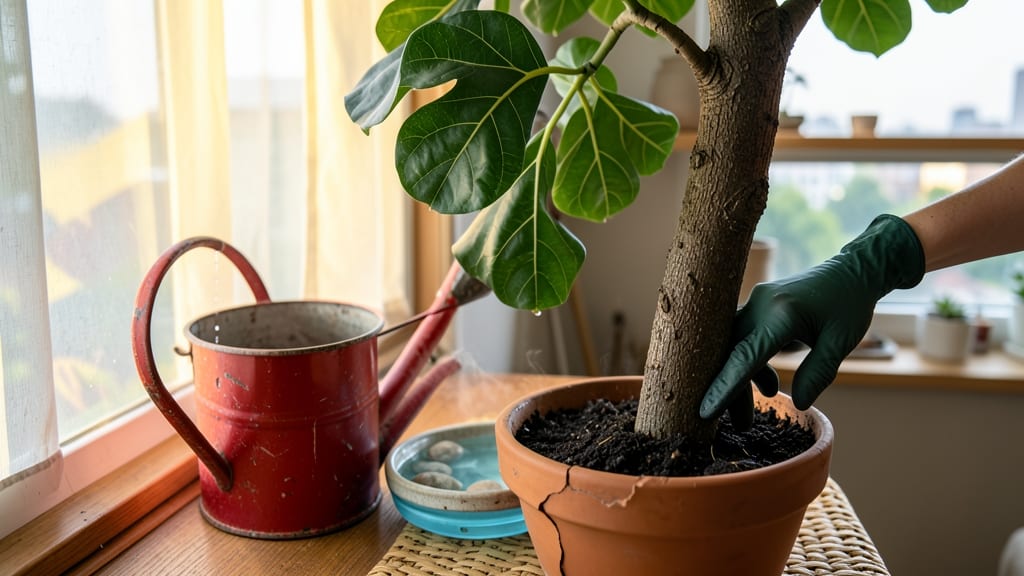
Why is my fiddle leaf fig droopy?—it could be anything from thirsty roots to a silent plea for better light, and we’ll diagnose it fast. 🌿 I’ve nursed my share of sad fiddle leaf figs back to life, and the first step is always checking the soil moisture with your finger. Overwatering is the #1 culprit, but underwatering and pests play dirty too.
Start by sticking your finger 1-2 inches into the soil—if it’s dry, water thoroughly until it drains from the bottom. If it’s soggy, hold off and let it dry out completely before watering again.
Yellowing leaves paired with droop? That’s root rot signaling trouble. Move your plant to a bright, indirect light spot (no harsh sun) and trim any mushy roots you see.
Pests like spider mites or scale can also drain your plant’s energy, leaving leaves limp. Wipe them down with a damp cloth or spray with neem oil if you spot tiny webs or sticky residue.
Within 24-48 hours, you’ll often see improvement—just don’t overdo the watering after that first deep drink.
Prevention is easier than cleanup: water only when the top 1-2 inches of soil are dry, mist the leaves occasionally, and keep it away from drafts or AC vents. Most fiddle leaf figs bounce back quickly once you address the root cause—literally and figuratively.
📚 In This Guide
- What you need
- Instructions
- Tips and common mistakes
- Wrapping up and next steps
What you need
- ● Water: Room-temperature, filtered or distilled water (1–2 cups, depending on pot size). Avoid tap water with high chlorine or fluoride.
- ● Spray bottle: 8–16 oz, with a fine mist setting for humidity adjustments.
- ● Humidity tray or pebble tray: A shallow tray (10"x12" or larger) + pebbles or gravel (1–2 lbs).
- ○ Moisture meter (optional but helpful): A digital soil moisture meter (e.g., XIAOYI or AcuRite) to check root zone hydration.
- ● Pruning shears: Sharp, sterilized shears (e.g., Felco or Fiskars) for trimming damaged leaves.
- ● Houseplant fertilizer: Balanced liquid fertilizer (e.g., 10-10-10 or 20-20-20, diluted to half-strength).
- ● Light source assessment: A bright, indirect light spot (e.g., near an east or north-facing window) or a grow light (LED, 10–15W).
- ● New potting mix (if repotting): Well-draining mix for fiddle leaf figs (e.g., 50% peat moss, 30% perlite, 20% orchid bark).
- ● Pot with drainage holes: Ensure it’s 1–2 inches larger in diameter than the current pot.
- ● Magnifying glass: To inspect leaves for pests (e.g., spider mites, scale) or fungal spots.
- ● Ruler or measuring tape: To check leaf drop patterns (e.g., sudden wilting vs. gradual droop).
- ○ Thermometer (optional): To monitor room temperature (ideal: 65–75°F).
- ● 💡 Sterilize tools: Wipe shears with rubbing alcohol to prevent spreading disease.
- ● 🌡️ Test water: Let tap water sit for 24 hours to off-gas chlorine before using.
- ● 🎯 Pre-mix fertilizer: Dilute fertilizer in a separate container to avoid over-application.
Quick fixes for reviving a droopy fiddle leaf fig
Here’s how to diagnose and fix common causes fast—no guesswork.
💧 Step 1: Check Watering and Adjust Immediately
Overwatering is the #1 reason for droopy fiddle leaf figs. Stick your finger 1-2 inches deep into the soil—if it’s damp, wait. These plants prefer the soil to dry out completely between waterings. I’ve seen people drown them by watering on a schedule instead of checking moisture.
If the soil is bone-dry, water thoroughly until water runs out the drainage hole. Then, let it drain completely. Droopiness from underwatering usually recovers within 24-48 hours after proper watering. If the leaves stay limp after watering, the issue might be deeper.
☀️ Step 2: Assess Light Exposure and Rotate the Plant
Fiddle leaf figs need bright, indirect light—think east or north-facing windows. If yours is wilting, check for these signs: brown leaf tips or crispy edges mean too much direct sun; pale, yellowing leaves mean too little light. Move it to a spot where leaves get 4-6 hours of gentle light daily.
Rotate the pot a quarter turn weekly so all sides get even light. You’ll notice new growth emerging from the sides where light hits most directly. If your space lacks natural light, a grow light 12-18 inches away for 10-12 hours daily works wonders.
✂️ Step 3: Inspect for Pests and Prune Damaged Leaves
Run your fingers along the stems and undersides of leaves—feel for sticky residue or tiny webs? That’s spider mites or scale, which suck moisture from leaves, causing droop. Wipe leaves with a damp microfiber cloth and spray with neem oil (1 tsp per quart of water) to treat infestations.
If leaves are yellow, brown, or mushy, prune them off at the base with sterilized scissors. Healthy leaves should be deep green, glossy, and firm. Never prune more than 1/3 of the plant at once—this stresses it further. After pruning, wipe the cuts with rubbing alcohol to prevent infection.
🪴 Step 4: Verify Humidity and Temperature Conditions
Fiddle leaf figs thrive in 40-50% humidity. If your home is dry (especially in winter), place the pot on a pebble tray filled with water or use a humidifier nearby. Mist the leaves 2-3 times weekly, but avoid wetting the crown—this invites fungal issues.
Keep temperatures between 65-75°F. Cold drafts from windows or AC vents cause leaves to droop. Move the plant away from vents and avoid placing it near doors that open frequently. If the room feels chilly, a space heater with a thermostat keeps roots warm without overheating.
⏰ Step 5: Test Soil and Fertilizer Practices
If the soil smells sour or looks compacted, it’s time to repot. Fiddle leaf figs prefer well-draining, aerated mix—standard potting soil holds too much moisture. Mix in orchid bark or perlite for better drainage. Repot in a container 1-2 inches larger than the current one to avoid root stress.
Over-fertilizing burns roots, causing droop. Feed only every 4-6 weeks in spring/summer with a balanced liquid fertilizer (diluted to half strength). Skip fertilizing in fall/winter—your plant is dormant and doesn’t need nutrients. Flush the soil with water once a month to remove salt buildup from fertilizers.
Tips & tricks for reviving a droopy fiddle leaf fig
These quick fixes will help you diagnose and revive your fiddle leaf fig faster than you think.
Watering Wisdom: The 24-48 hour recovery window after proper watering is your best friend. If your plant isn't perking up after this time, it's likely not just about water. Check for root rot by gently removing the plant from its pot—healthy roots should be firm and white, not mushy or black. If you see rot, trim the affected roots with sterilized scissors and repot in fresh, well-draining mix.
Light Positioning: That 4-6 hours of gentle light is non-negotiable for revival. If your space only gets direct sunlight in the morning, position your plant to catch those early rays—just move it back before the sun gets harsh. For evening light, west-facing windows work perfectly. Remember, the goal is bright but indirect light that mimics their tropical forest habitat.
Pest Prevention: When using neem oil (1 tsp per quart of water), I've found it works best when applied in the evening—this gives the plant a chance to absorb it overnight without the stress of daytime evaporation. After spraying, place a plastic bag loosely over the plant for 24 hours to trap the oil and enhance effectiveness. Just make sure to remove the bag and allow good airflow afterward.
Temperature and Humidity: The 65-75°F range is ideal, but even small drafts can disrupt this. I've seen plants near AC vents recover completely when moved just 3 feet away. For humidity, the pebble tray trick is a game-changer—just make sure the pot isn't sitting directly in water, which can cause root rot. You'll know you've hit the right humidity when you see tiny water droplets forming on the leaves in the morning.
Pro Tips for Why Is My Fiddle Leaf Fig Droopy
- These quick fixes will help you diagnose and revive your fiddle leaf fig faster than you think.
- Watering Wisdom: The 24-48 hour recovery window after proper watering is your best friend.
- Light Positioning: That 4-6 hours of gentle light is non-negotiable for revival.
Frequently asked questions
about your droopy fiddle leaf fig—because even plant parents need a little extra help! Here are some of the most common concerns and quick solutions to get your fig back to its happy, upright self.Why does my fiddle leaf fig get droopy so fast?
Fiddle leaf figs are thirsty but also sensitive to overwatering. Drooping often happens when roots are either too dry (underwatering) or too soggy (overwatering). Since they store water in their stems, they can wilt quickly when stressed—usually within 1-3 days of neglect. Check the soil moisture by sticking your finger 1-2 inches deep; if it’s dry, water deeply, but if it’s damp, hold off and let it dry out.
How long does it take for a fiddle leaf fig to perk up after fixing the issue?
Recovery time varies! If the droopiness is due to underwatering, you might see improvement within 24-48 hours after a good drink. For overwatering or root rot, it could take 1-2 weeks (or longer for severe cases). Keep an eye on humidity, light, and temperature—your fig needs bright, indirect light and consistent care to bounce back faster. Patience is key!
Can I save my fiddle leaf fig if the leaves are completely limp and falling off?
Not all hope is lost! If the leaves are soft, mushy, or falling off easily, it’s likely a sign of root rot from overwatering. Trim the damaged leaves (use clean scissors!) and repot the plant in fresh, well-draining soil. Let the topsoil dry out completely between waterings. If the stems are still firm, it can recover—but if they’re squishy too, the plant may not survive. Prevention is better than cure!
What’s the best way to revive a fiddle leaf fig without overwatering it?
Here’s a gentle revival plan:
- Trim damaged leaves (only the worst ones) to redirect energy.
- Move it to bright, indirect light (no direct sun yet!).
- Water only when the top 2-3 inches of soil are dry—use the soak-and-dry method.
- Mist the leaves or place a tray with pebbles and water nearby to boost humidity.
- Avoid fertilizing until new growth appears (usually in 4-6 weeks).
Should I prune my fiddle leaf fig if it’s droopy?
Yes, but strategically! Prune only the most damaged leaves (yellow, brown, or mushy ones) to help the plant focus energy on recovery. Use sterilized scissors and cut just above a leaf node (where leaves grow). Avoid heavy pruning—save that for healthier times. If you’re unsure, wait until the plant shows signs of new growth before trimming more.
Wrapping up and next steps
A droopy fiddle leaf fig doesn’t mean the end of your plant’s story—it’s often just a sign that it’s asking for a little TLC. 🌱 Whether it’s thirst, stress, or a simple adjustment in care, you now have the tools to nurse it back to health.
Start by checking the roots, adjusting water, and giving it the right light—small changes can lead to big, bouncy leaves!
Don’t wait—take action today! Grab your tools, follow the steps, and watch your fiddle leaf fig thrive again. Your green friend is counting on you! 💚