
Light Requirements
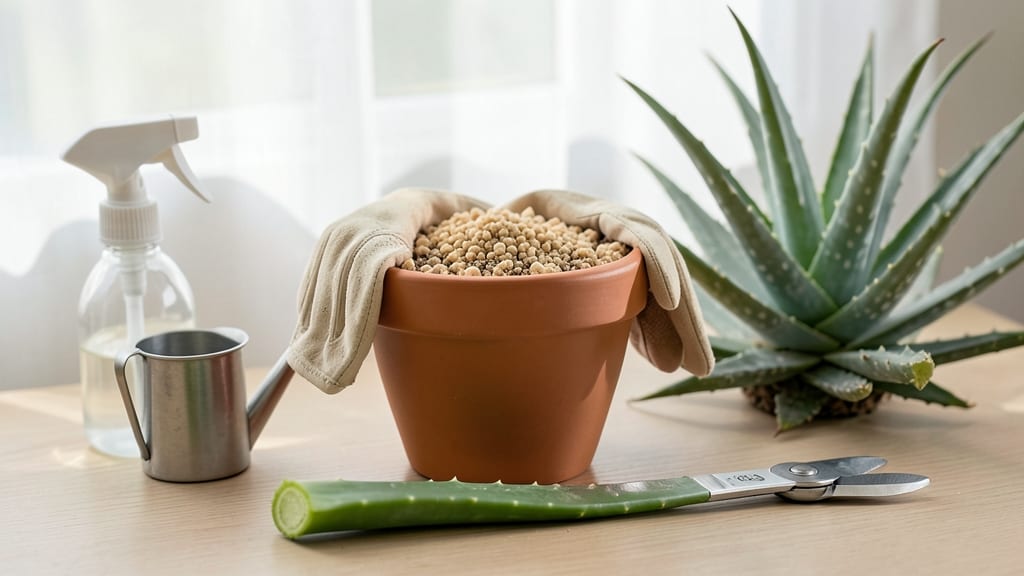
Replanting an aloe vera leaf in water is the fastest way to grow a new plant—no soil, no stress. 🌱 I’ve propagated dozens this way, and the key is letting that leaf callus before it even touches water.
A single healthy leaf can root in as little as 2 weeks, giving you a thriving aloe in months instead of years.
The secret lies in patience and the right conditions. You’ll need a clean glass of water, bright indirect light, and a warm spot (70-75°F works best). Skip the soil for now—aloe roots happily in water first, then you’ll transplant it later.
Most people rush this step, but letting the cut end dry for 1-2 days prevents rot and speeds up rooting.
By week 3, you’ll spot tiny white roots snaking into the water—proof your leaf is happy. Once roots reach 2-3 inches, it’s time to plant in well-draining soil.
The new plant will grow 3-4 times faster than a seedling, and you’ll have a sturdy aloe ready for your sunniest shelf or garden spot.
This method works year-round, even in small spaces. Just avoid direct sun on the water (it grows algae) and change the water every 5-7 days. If your leaf stays green and firm, you’re on the right track—no black spots or mushy edges mean no rot.
Ready to turn that single leaf into a whole new plant?
📚 In This Guide
- What you need
- Instructions
- Tips and common mistakes
- Wrapping up and next steps
What you need
- ● Healthy aloe vera leaf: Choose a mature, thick leaf (at least 6–8 inches long) with no signs of rot or damage.
- ● Sharp knife or pruning shears: Sterilized to prevent infection (rubbing alcohol works great!).
- ● Clean container: Option 1: A glass jar or small vase (for rooting in water).
- ● Option 2: A shallow dish or tray (for rooting in soil or a mix).
- ● Water: Room-temperature, filtered, or distilled water (avoid tap water if it’s heavily chlorinated).
- ○ Rooting hormone (optional but helpful): A gel or powder to speed up root growth.
- ● Well-draining potting mix: Cactus or succulent soil (or a mix of potting soil + perlite/sand for aeration).
- ● Small pot or container (for transplanting): Ensure it has drainage holes (3–4 inches in diameter is ideal).
- ● Spray bottle: For lightly misting the leaf if needed.
- ● Activated charcoal: Adds to water or soil to prevent bacterial growth.
- ● Hydrogen peroxide (3% solution): Diluted water (1:10 ratio) to sterilize cut ends.
- ● Heat mat or warm spot: Encourages faster rooting (70–75°F is ideal).
- ● Clear plastic bag: Creates a mini greenhouse effect for humidity.
- ● Label or marker: To track replanting dates and progress!
Step-by-step instructions for replanting aloe vera leaf
Here's how I quickly root aloe cuttings in water—no soil, no fuss, just fast results.
🌱 Step 1: Select and Prepare the Leaf
Choose a healthy aloe leaf with at least 3-4 inches of stem attached. I look for plump, vibrant green leaves with no brown spots or mushy areas—those are signs of rot or pests. Use clean, sharp scissors or pruning shears to cut the leaf at a 45-degree angle just below a node (the little bump where leaves grow).
Let the cut end dry for 1-2 hours to form a callus. This prevents the cutting from rotting in water. I place it on a paper towel in a warm, dry spot while I prepare the water. The callus will look slightly darker and tougher than the fresh cut.
💧 Step 2: Root in Water for Fast Growth
Fill a clean glass or jar with room-temperature water—about 1-2 inches deep. I use filtered or distilled water to avoid chlorine, which can slow rooting. Submerge only the cut end of the leaf, leaving the rest above water. The leaf should float freely without touching the sides.
Place the container in a spot with bright, indirect light—like an east-facing window. Direct sun can overheat the water and stress the cutting. Roots usually appear in 2-4 weeks, but I’ve seen them pop up in as little as 10 days if conditions are perfect. Change the water every 3-5 days to keep it fresh and prevent bacteria.
☀️ Step 3: Monitor and Transition to Soil
Watch for roots growing from the cut end—you’ll see tiny white tendrils or a small cluster of roots about ½ inch long. Once roots reach 1-2 inches, it’s time to plant in soil. I like to use a small pot with well-draining cactus/succulent mix to mimic aloe’s natural habitat.
Gently remove the leaf from the water, letting any excess drip off. Plant it in the pot, burying the base of the leaf (where the roots are) just below the soil surface. Water lightly after planting, but don’t soak the soil—aloe hates soggy roots. Place the pot in bright light and wait 1-2 weeks before watering again.
✂️ Step 4: Care for Your New Plant
Once rooted in soil, your aloe will grow quickly if given the right care. I water mine only when the soil is completely dry—usually every 2-3 weeks. Overwatering is the fastest way to kill aloe, so I always check the soil with my finger before watering. If it’s damp, I wait.
Place your aloe in full sun for at least 6 hours daily. You’ll know it’s happy when the leaves stay thick, upright, and vibrant green. If they turn yellow or mushy, it’s getting too much water. If they look pale or stretch, it needs more light. Aloe is tough—just give it the right conditions, and it’ll thrive.
Tips & tricks for perfect aloe vera repotting
These simple strategies will help you root your aloe cuttings faster and keep your new plant thriving.
Leaf Selection Tip: Always choose leaves from the outer edges of your mature aloe plant. These are fully grown and have the best chance of establishing roots quickly. Avoid the center leaves—they're still growing and won't root as reliably. Look for leaves that are thick, upright, and have a vibrant green color without any yellowing or brown spots.
Callus Formation: That 1-2 hour drying period is crucial for preventing rot. I've learned this the hard way—skipping the callus step often leads to mushy, rotting cuttings. Place your cut leaf on a clean paper towel in a warm spot while you prepare everything else. The callus should look slightly darker and tougher than the fresh cut when ready.
Water Quality: Use filtered or distilled water if possible—tap water with chlorine can slow down root growth. I've noticed a significant difference when using distilled water; the roots appear faster and look healthier. Change the water every 3-5 days to prevent bacteria buildup, which can cause the cutting to rot before it roots.
Lighting Strategy: Bright, indirect light is key during the rooting phase. I place my cuttings near an east-facing window where they get morning sun but avoid the intense afternoon heat. If you don't have good natural light, a grow light on a timer for 12 hours a day works wonders. Watch for signs of stress like yellowing leaves—this means the light is too intense.
Pro Tips for Replant Aloe Vera Leaf
- These simple strategies will help you root your aloe cuttings faster and keep your new plant thriving.
- Leaf Selection Tip: Always choose leaves from the outer edges of your mature aloe plant.
- Callus Formation: That 1-2 hour drying period is crucial for preventing rot.
Frequently asked questions
Got questions about replanting aloe vera leaves? You’re not alone! Here are some of the most common concerns—and straightforward answers—to help you succeed.
How long does it take for an aloe vera leaf cutting to root in water?
Most aloe vera leaf cuttings will start showing roots in 2 to 4 weeks, depending on light, temperature, and water conditions. Patience is key—avoid changing the water too often, as frequent disturbances can slow root growth. Once roots are 1-2 inches long, it’s safe to transplant to soil!
Can I replant an aloe vera leaf directly into soil without rooting in water first?
Yes! While rooting in water speeds up the process, you can plant aloe cuttings directly into dry or lightly moistened soil. Use a well-draining cactus/succulent mix and water sparingly (only when the soil is completely dry). Just be prepared for slower growth—rooting in water first ensures a head start.
What should I do if my aloe vera leaf cutting rots in water?
If you notice soft, mushy edges or a foul smell, your cutting is rotting—likely from overwatering or bacteria. Act fast: trim off the rotten parts, let the cutting dry for 1-2 days, then replant it in fresh water or dry soil. Avoid using the same container to prevent reinfection.
How much light does a replanted aloe vera leaf need?
Aloe vera thrives in bright, indirect light (like a sunny windowsill). Too little light? Growth slows. Too much direct sun? Leaves can scorch. Start with 4-6 hours of morning sun and gradually increase exposure as roots establish. Yellowing leaves signal a need for more light; brown tips mean it’s getting too intense.
Can I replant an aloe vera leaf that’s already sprouted new leaves?
If your cutting has pupped (sprouted baby plants), wait until the pups are at least 2-3 inches tall before replanting. Gently twist or cut them from the parent leaf, let the wounds dry for a day, then root them in water or soil. These pups often grow faster than single leaves!
Wrapping up and next steps
Replanting an aloe vera leaf is a simple yet rewarding process that can help you grow a thriving plant with minimal effort!
By following the right steps—like using well-draining soil, proper watering techniques, and the right light conditions—you’ll give your aloe the best chance to root and flourish. Don’t let a little patience hold you back—your new aloe plant will thank you with vibrant growth and those iconic healing leaves!
Now that you’re ready to replant, why not share your success? Snap a photo of your rooted aloe and tag us—we’d love to see your green thumb in action! 🌱✨