
Plants
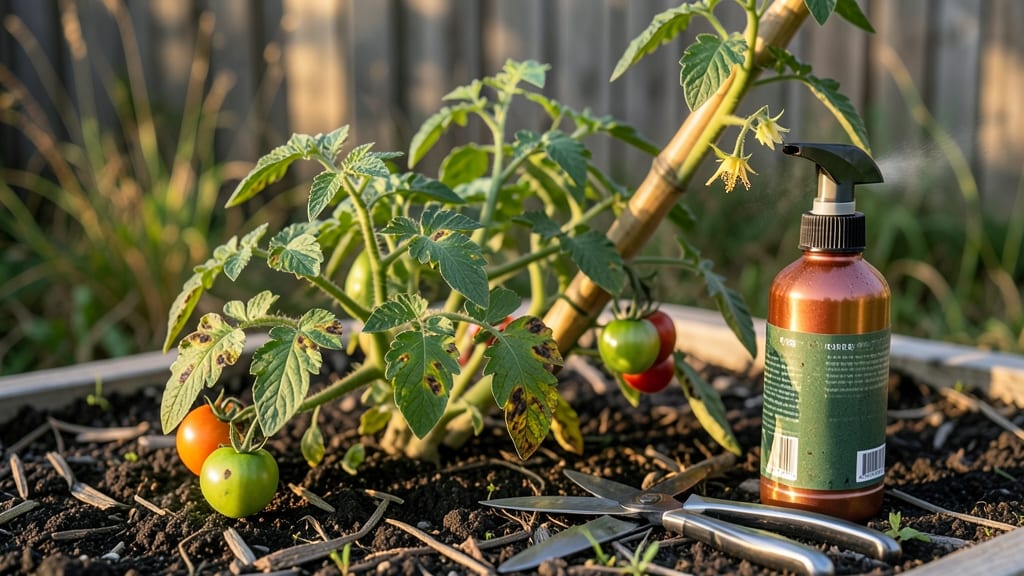
That first brown spot on your tomato leaves isn’t just unsightly—it’s a warning sign that can wipe out your harvest if ignored. 🌱 I’ve battled leaf spot disease for years, and the key to saving your plants isn’t harsh chemicals but copper-free organic fixes that work in days, not weeks.
The moment you spot those dark, water-soaked patches, you can turn the tide with the right approach.
Most gardeners panic and reach for fungicides, but leaf spot thrives in wet conditions and spreads through splashing water or contaminated tools. The real fix starts with removing infected leaves immediately—don’t compost them, or you’ll reinfect your garden.
Instead, toss them in the trash and clean your pruners with rubbing alcohol between cuts. This alone stops the spread faster than any spray.
What actually works are baking soda sprays (yes, the kind in your cabinet) mixed with a little oil and soap, or neem oil applications every 5–7 days. Within a week, new growth emerges spot-free, and your plants redirect energy to producing juicy, disease-resistant fruit instead of fighting damage.
The best part? These methods keep your garden safe for pollinators and soil microbes.
Prevention is where the real magic happens—mulch heavily to keep leaves dry, water at the base (never overhead), and rotate crops yearly. I’ve gone from losing half my tomatoes to keeping plants thriving through multiple harvests using these same steps. Let’s get your garden back on track.
Root Causes of Tomato Leaf Spots
Leaf spot disease in tomato plants isn’t just random bad luck—it’s the result of specific environmental and biological triggers. Understanding these causes helps you take precise action to protect your plants. Below, we break down the primary culprits behind those unsightly (and harmful) spots, from fungal invaders to weather-related stress.
Most leaf spot diseases in tomatoes are caused by fungal pathogens, which thrive in moist, warm conditions. Here are the top offenders:
- Alternaria solani (Early Blight)
- This fungus produces concentric rings on leaves, starting as small brown spots with yellow halos.
- It overwinters in infected plant debris and spreads via wind, water splashes, or contaminated tools.
- Pro tip: 💡 Avoid overhead watering—wet foliage gives spores a direct entry point.
- Septoria lycopersici (Septoria Leaf Spot)
- Causes tiny dark spots with gray centers and white fungal threads (mycelium) in humid conditions.
- Thrives in cool, wet weather (50–75°F) and can survive on seeds or soil.
- Watch for: ⚠️ Spots often appear on lower leaves first, then spread upward.
- Cercospora fuliginea (Target Spot)
- Produces bullseye-like lesions with gray centers and dark borders, often on upper leaves.
- Spreads rapidly in high humidity (75%+) and via contaminated irrigation water.
- Key clue: 🎯 Spots may have a translucent halo under bright light.
Fungi need the right conditions to take hold—and your watering habits might be accidentally inviting them in.
- Excessive Moisture on Leaves
- Overhead irrigation or poor airflow keeps leaves damp for long periods, giving spores a 24–48 hour window to germinate.
- Fix it: 💦 Use drip irrigation or soaker hoses to water at the base, not the foliage.
- High Humidity (75%+)
- Fungal spores germinate fastest when humidity stays elevated for days.
- Solution: 🌬️ Improve airflow with pruning or spacing plants 18–24 inches apart.
- Rain or Overwatering
- Heavy rain or consistent soil saturation weakens plants, making them more susceptible to infection.
- Pro tip: 🌡️ Let the top 1–2 inches of soil dry between waterings.
A stressed tomato plant is like an open door for pathogens. These factors lower resistance:
- Nutrient Deficiencies
- Low nitrogen (N) makes leaves thin and vulnerable.
- Low potassium (K) weakens cell walls, making them easier for fungi to penetrate.
- Test soil: 📊 Use a home soil test kit to check pH (ideal: 6.0–6.8) and nutrients.
- Physical Damage
- Hail, wind, or rough handling creates wounds where spores can enter.
- Prevent it: 🛡️ Use row covers in storm-prone areas.
- Overcrowding
- Plants competing for light and air stay damp longer, slowing drying and spreading spores faster.
- Fix: ✂️ Prune suckers and thin plants to 12–18 inches apart.
Next up: How to identify these spots on your tomatoes—and what to do immediately to stop the spread. 🚀
Quick Fixes for Tomato Leaf Spots
Leaf spot disease can turn your thriving tomato plants into a sad, spotted mess—but don’t panic! With the right approach, you can reverse the damage and prevent future outbreaks in just days. Below, we’ve mapped common causes to practical fixes, so you can act fast and save your harvest.
Fungal infections (like Septoria or Alternaria) thrive in damp, humid conditions. Here’s how to stop the spread without copper sprays:
🔥 Step 1: Remove and Destroy Infected Leaves
- 👨🍳 Snip off yellowing or spotted leaves at the base (don’t toss them in the compost—they’ll reinfect).
- 🔥 Burn or bag them in a sealed plastic bin to prevent spores from lingering.
- ⏰ Do this daily until new growth appears.
🍳 Step 2: Boost Airflow & Reduce Humidity
Fungi love moisture—break their favorite conditions with these tweaks:
- 🌡️ Space plants 18–24 inches apart (crowding = fungus party).
- ✨ Prune lower leaves to improve airflow (aim for a "bottle brush" shape).
- 💡 Use a fan on low speed near plants (moves air, dries leaves faster).
🥘 Step 3: Apply a Fungicide Spray (Copper-Free!) Skip harsh chemicals—try these organic alternatives:
| Spray | How to Use | Frequency |
|---|---|---|
| Neem Oil Mix | 1 tbsp neem oil + 1 tsp mild soap + 1 quart water. Spray evenly (top/bottom leaves). | Every 5–7 days for 2 weeks |
| Baking Soda Spray | 1 tsp baking soda + 1 quart water + a few drops of oil (helps stick). | Every 7–10 days |
| Hydrogen Peroxide | 1 tbsp 3% H₂O₂ + 1 quart water. Spray at dawn (avoids leaf burn). | Every 3–4 days |
💡 Pro Tip: Spray early morning or late evening to avoid sunburn on leaves.
Bacterial spots (often from Xanthomonas or Pseudomonas) spread fast—act immediately:
- 🔪 Prune infected areas with sterilized scissors (wipe with rubbing alcohol between cuts).
- 🌡️ Water at the base (never overhead)—wet leaves = bacterial buffet.
- 🍎 Spray with copper-free antibacterial mix:
- 1 tbsp hydrogen peroxide + 1 quart water (spray directly on spots).
- OR 1 tsp food-grade diatomaceous earth (DE) + water (let sit 1 hour before rinsing).
⚠️ Warning: Bacterial spots won’t fully disappear—focus on stopping spread and preventing new infections.
Once your plants recover, keep them healthy with these low-effort habits:
- 🌱 Rotate crops—don’t plant tomatoes (or nightshades) in the same spot for 3+ years.
- 💪 Strengthen plants with compost tea (rich in beneficial microbes).
- 🎯 Plant resistant varieties like ‘Mountain Merit’ or ‘Defiant PhR’ (bred to fight leaf spots).
- 🌡️ Mulch with straw (keeps soil moist but reduces splashing water onto leaves).
🔥 Final Reminder: The key is speed—catch spots early, remove infected parts, and dry leaves fast. With these steps, your tomato plants can bounce back in days—and you’ll be back to harvesting juicy, spot-free tomatoes in no time! 🍅✨
Frequently asked questions
Can I still harvest tomatoes from plants with leaf spot disease?
Yes, but only pick tomatoes that are completely healthy and unblemished. The disease primarily affects leaves, not fruit, so your existing tomatoes are safe to eat. However, remove any spotted or yellowing leaves immediately to prevent the fungus from spreading to new growth or nearby plants.
How do I know if my tomato spots are fungal or bacterial?
Fungal spots (like Alternaria or Septoria) often have concentric rings or gray centers with white fungal threads, while bacterial spots appear as water-soaked, greasy-looking marks that may ooze when wet. Fungal spots also spread more slowly unless conditions are extremely humid.
Will pruning my tomato plants help prevent leaf spot?
Pruning improves airflow and reduces humidity around leaves, which are the fungus’s favorite conditions. Remove lower leaves that touch the soil, and thin out crowded foliage to let sunlight and air circulate. Prune in the morning so leaves dry quickly during the day.
Can I use vinegar spray to treat leaf spot disease?
While white vinegar (1 tbsp per gallon of water) can help prevent fungal growth when applied as a spray, it’s not a cure for active infections. Vinegar’s acidity can also damage plant tissues, so use it only as a preventive on healthy plants—not as a treatment for spotted leaves.
How long does it take for organic treatments to work?
With consistent applications (every 5–7 days), you should see new growth without spots within 7–10 days. Neem oil and baking soda sprays work fastest when combined with removing infected leaves and improving airflow. Patience is key—don’t expect overnight results, but the disease should stop spreading.