
Pests and Diseases
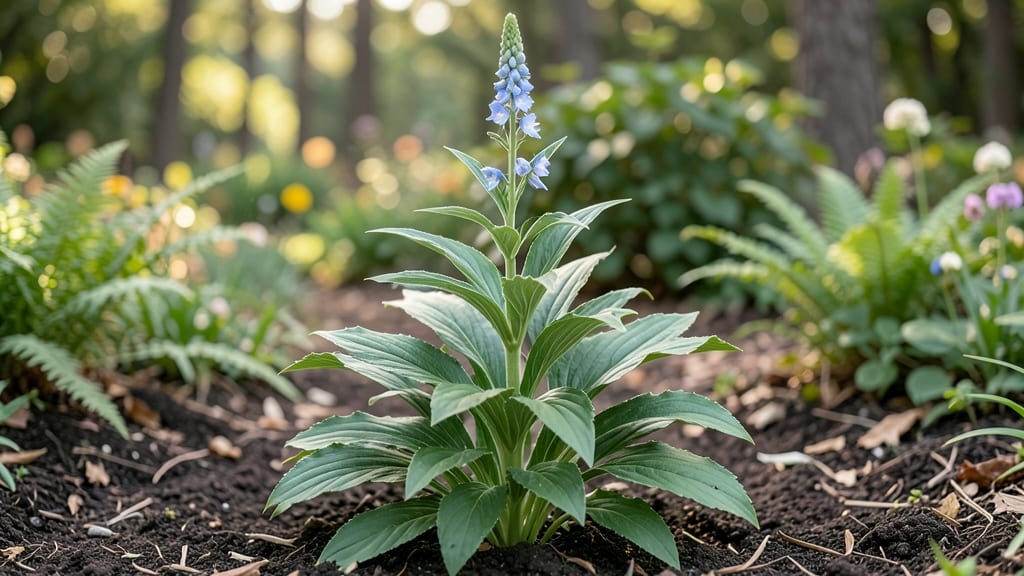
Mastering delphinium leaf identification starts with those jagged edges and intricate vein patterns—tiny clues that reveal health secrets. ✨ I’ve spent years studying how powdery mildew clings to serrated edges or how aphids distort veins, and I’m sharing the exact visual cues to diagnose problems before they spread.
The first step? Compare your leaves to healthy ones: smooth serrations, vibrant green veins, and no spots. When you spot fuzzy white patches (powdery mildew) or ragged holes (slugs), you’ll know exactly what’s wrong—and how to fix it.
Seasonal shifts matter too: early spring wilting often means nutrient deficiencies, while summer spots usually signal fungal infections. You’ll learn to spot these issues early, saving your delphiniums from stunted growth or total collapse.
The key is acting fast—once you recognize the patterns, solutions like neem oil or slug barriers become straightforward. Let’s decode those leaves together.
Most problems start small but escalate quickly if ignored. Powdery mildew, for example, begins as faint white dust on leaf undersides before blanketing entire stems. Slugs leave behind shiny trails and irregular bite marks, while aphids cluster along veins, causing leaves to curl and yellow.
Nutrient deficiencies show up as pale veins or purple stems, often in young growth.
Once you identify the issue, solutions are simple but targeted. For powdery mildew, a weekly neem oil spray works wonders; slugs need copper barriers or beer traps; aphids respond to soapy water sprays.
The goal? Keep your delphiniums lush and blooming—because once you recognize the patterns, these problems become easy to manage.
Seasonal timing matters too. Early spring wilting often means your soil lacks nitrogen, while summer leaf spots usually signal fungal infections. By mid-summer, check for aphids or spider mites hiding in the foliage.
The sooner you act, the healthier your plants stay—and the more spectacular those towering blue spires will be next year.
Understanding Leaf Trouble Signs
Delphinium leaves don’t just look different—they tell a story. Whether it’s jagged edges, discolored veins, or unexpected spots, these visual cues are your garden’s way of signaling distress. But why do these problems pop up in the first place?
Let’s break down the science behind the most common culprits, so you can diagnose—and fix—the issue before it spreads.
Fungi thrive in damp, shady conditions, and delphiniums—with their lush foliage—are prime targets. Powdery mildew and leaf spot diseases (like Alternaria or Septoria) are the usual suspects. Here’s how they strike:
- Moisture Overload: Fungal spores splash onto leaves during watering or rain, especially if airflow is poor. Overnight dew on leaves creates the perfect breeding ground.
- Weakened Plants: Stressed delphiniums (from overcrowding, poor soil, or nutrient deficiencies) have thinner cuticles, making them easier targets.
- Symptoms to Watch For:
- White, powdery coatings (powdery mildew).
- Dark, irregular spots with yellow halos (leaf spots).
- Veins may darken or appear "sunken" as the fungus spreads.
Actionable Fix: Space plants for airflow, water at the base (not overhead), and apply neem oil or copper fungicide preventatively.
Insects like aphids, spider mites, and delphinium leaf miners don’t just nibble—they inject toxins or lay eggs that disrupt leaf function. Here’s how they mess with your plants:
- Sap-Sucking Pests (Aphids/Spider Mites):
- They pierce cells to feed, leaving behind stippled, curled, or yellowed leaves.
- Their honeydew secretions attract sooty mold, further blocking sunlight.
- Leaf Miners (Larvae):
- These grubs tunnel between leaf layers, creating blistered, serpentine trails (visible when held up to light).
- Infested leaves often brown and die prematurely.
- Chewers (Caterpillars/Japanese Beetles):
- Irregular holes or notched edges (especially on younger leaves) are their calling card.
Actionable Fix: Blast pests off with a strong spray, introduce ladybugs or parasitic wasps, or use insecticidal soap for heavy infestations.
Delphiniums are heavy feeders, and when soil lacks key nutrients, leaves react in predictable ways. Here’s what’s missing when edges turn crispy or veins fade:
| Symptom | Likely Culprit | How It Happens |
|---|---|---|
| Yellowing between veins | Nitrogen deficiency | Poor soil or overwatering leaches nitrogen, stunting chlorophyll production. |
| Purple-tinged leaves | Phosphorus lack | Cold soil or compacted roots limit phosphorus uptake, crucial for energy transfer. |
| Brown, brittle edges | Potassium deficiency | Drought stress or sandy soil washes away potassium, weakening cell structure. |
| Veins stay green, rest yellows | Magnesium deficiency | Acidic soil or over-fertilizing with nitrogen (but not magnesium) causes this. |
Actionable Fix: Test your soil and amend with compost, bone meal (phosphorus), or wood ash (potassium). Avoid overwatering to prevent leaching.
Even healthy plants can show "weird" leaf patterns when their environment turns hostile. Here’s how:
- Too Much Sun (Leaf Scorch):
- Delphiniums in hot, dry climates may develop crispy, white-edged leaves as cells dehydrate.
- Solution: Provide afternoon shade or mulch to retain moisture.
- Cold Damage:
- Frost or sudden temperature drops cause water-soaked spots or blackened veins.
- Solution: Use row covers in early spring or choose cold-hardy delphinium varieties.
- Wind Burn:
- Whipping winds dry out leaf edges, leading to brown, papery margins.
- Solution: Plant windbreaks or stake tall delphiniums for support.
Before blaming pests or diseases, check for: ✅ Overwatering (yellow, mushy leaves). ✅ Underwatering (dry, curling edges). ✅ Soil pH imbalances (test kits are cheap and reveal hidden issues). ✅ Transplant Shock (newly planted delphiniums may show stress for weeks).
Key Takeaway: Most leaf issues in delphiniums boil down to too much moisture, too little nutrition, or unwanted guests. Start with the basics—airflow, watering habits, and soil health—and work your way to targeted fixes. Your plants (and their leaves) will thank you!
Quick Fixes for Delphinium Leaf Issues
When your delphinium leaves show signs of distress—whether it’s jagged edges, discolored veins, or unexpected spots—acting fast can save your plants. Below are practical, step-by-step solutions tailored to common problems, plus prevention tips to keep your delphiniums thriving. No green thumb? No problem—these fixes are beginner-friendly!
Cause: Overwatering, fungal infections (like Alternaria or Septoria), or environmental stress (wind, extreme heat).
How to Treat It: 🍳 Step 1: Prune the Damaged Leaves Use sterilized scissors (wipe with rubbing alcohol) to trim away severely jagged or yellowing leaves. This prevents the spread of disease and improves airflow.
👨🍳 Step 2: Adjust Watering Habits - Check soil moisture before watering—stick your finger 1–2 inches deep.
Water only if it’s dry. - Water at the base (not overhead) to avoid wetting leaves, which fuels fungal growth. - Improve drainage: Amend heavy soil with perlite or compost to prevent soggy roots.
🌡️ Step 3: Fungal Treatment (If Needed) If leaves have dark spots or a powdery coating:
- Spray with a copper fungicide (follow label instructions) or a baking soda mix (1 tsp baking soda + 1 quart water + a drop of dish soap).
- Reapply every 7–10 days until new growth appears.
✨ Prevention Tip:
- Space plants 12–18 inches apart for better airflow.
- Water early in the day so leaves dry quickly.
Cause: Nutrient deficiencies (magnesium, iron, or nitrogen), viral infections, or aphid/sap-sucking pest damage.
How to Treat It: 📊 Step 1: Test Soil & Feed Smart
- Yellow veins? Likely a magnesium deficiency (chlorosis). Apply Epsom salt (1 tbsp per gallon of water) every 2 weeks.
- Pale leaves overall? Use a balanced fertilizer (10-10-10) or a fish emulsion for nitrogen.
🔪 Step 2: Battle Pests - Check undersides of leaves for aphids, spider mites, or whiteflies. - Blast them off with a strong spray of water or use neem oil (mix 1 tsp neem oil + 1 tsp mild soap + 1 quart water).
Spray every 5–7 days for 2 weeks.
🌱 Step 3: Boost Plant Health
- Mulch around the base with straw or shredded leaves to retain moisture and cool roots.
- Avoid over-fertilizing—too much salt can burn roots.
🎯 Prevention Tip:
- Rotate crops—don’t plant delphiniums in the same spot yearly to prevent soil-borne viruses.
- Inspect new plants before bringing them home for pests.
Cause: Bacterial or fungal infections (like leaf spot or powdery mildew), or chemical burns from herbicides.
How to Treat It: 💡 Step 1: Remove Infected Leaves Immediately
- Dispose of diseased leaves in the trash (not compost)—don’t let them touch healthy plants.
- Wear gloves to avoid spreading bacteria.
🔥 Step 2: Disinfect Tools & Soil
- Clean pruners with 70% isopropyl alcohol between cuts.
- Solarize the soil (cover with clear plastic for 4–6 weeks in hot sun) to kill fungi/bacteria.
🌿 Step 3: Apply Organic Fungicides
- Copper fungicide (for bacterial spots).
- Milk spray (1 part milk to 9 parts water) for powdery mildew—spray every 7 days.
🔄 Step 4: Improve Growing Conditions
- Avoid overhead watering—use drip irrigation instead.
- Thin out crowded plants for better airflow.
💡 Prevention Tip:
- Rotate plant families—delphiniums are in the Ranunculaceae family; avoid replanting them in the same area for 3+ years.
- Choose disease-resistant varieties like ‘Blue Bird’ or ‘Black Knight’.
If more than 50% of leaves are affected:
- Isolate the plant in a separate pot or garden area.
- Apply a systemic fungicide (like Myclobutanil) for stubborn infections.
- Monitor daily—if no improvement in 2 weeks, consider replacing the plant to protect others.
Final Pro Tip: 🌱 Healthy delphiniums start with healthy soil! Test your soil’s pH (ideal: 6.0–7.0) and amend with compost before planting. A little prevention goes a long way!
Frequently asked questions
How can I tell if my delphinium leaves are healthy or diseased?
Healthy delphinium leaves have smooth, serrated edges, vibrant green veins, and no spots or discoloration. Look for crispy edges (fungal infection), yellowing between veins (nutrient deficiency), or irregular holes (pest damage). Always check the undersides of leaves first—this is where early signs often appear.
Why do my delphinium leaves have jagged edges?
Jagged edges usually indicate either fungal infection (like powdery mildew) or environmental stress from wind burn. Check for white powdery coatings (fungus) or brown, papery margins (wind damage). If you see both, improve airflow and avoid overhead watering to prevent further spread.
What should I do if I find aphids on my delphinium leaves?
Start by blasting them off with a strong spray of water, then apply neem oil mixed with mild soap (1 tsp each per quart of water). Reapply every 5-7 days for 2 weeks. For severe infestations, introduce beneficial insects like ladybugs or parasitic wasps to naturally control the population.
Can I still save my delphinium if most leaves are yellow?
Yes, but act fast! First, check if the yellowing is between veins (magnesium deficiency) or affects entire leaves (nitrogen deficiency). Apply Epsom salt (1 tbsp/gallon) for magnesium or a balanced fertilizer for nitrogen. Prune severely damaged leaves and improve soil drainage to prevent further stress.
How often should I inspect my delphinium leaves for problems?
Check your delphinium leaves weekly during growing season (spring to fall) and biweekly in winter. Focus on new growth first—this is where early signs of pests or diseases often appear. Morning inspections work best when leaves are dry, making it easier to spot issues like powdery mildew or aphid clusters.