
Trees
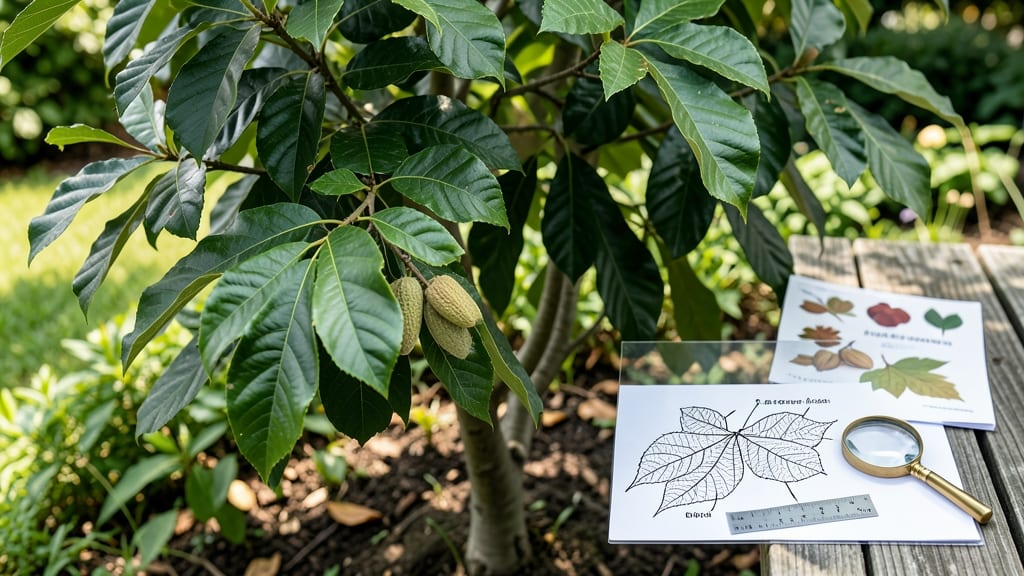
Mastering pecan tree leaf identification is all about recognizing their healthy look first—long, oval, and glossy with jagged edges that make them instantly recognizable. ✨ I've spent years studying these trees, and the key is comparing what you see to these baseline traits before worrying about pests or diseases.
A healthy leaf should feel slightly rough to the touch and have a deep green hue that's almost too vibrant for words.
Pests like pecan nut casebearers or aphids leave telltale signs: curled edges, sticky residue, or tiny holes that look like someone took a pin to them.
Diseases like scab create yellow patches with raised spots, while bacterial leaf scorch turns the edges brown and crispy—almost like someone burned the leaf's outline. The trick is catching these early, when treatment still works.
Once you've identified the issue, you'll know exactly what to watch for next season—whether it's monitoring aphid colonies or adjusting watering to prevent scorch. The payoff? A tree that produces those sweet, buttery nuts you've been dreaming of, with leaves that stay lush and green all summer long.
This works for backyard trees, community orchards, or even container-grown pecans. Start by grabbing a magnifying glass and a notebook—you'll spot the differences faster than you think.
Common triggers behind leaf changes
Understanding why pecan tree leaves develop unusual patterns, colors, or textures is the first step toward addressing the issue. These changes rarely happen by chance—they’re usually signals from the tree’s environment or internal health. Below, we break down the most common culprits, explained in plain terms with actionable insights.
---
Pecan trees are hardy, but extreme conditions can push them past their limits. Heat stress occurs when temperatures soar above 95°F (35°C), causing leaves to curl, yellow, or develop brown edges. This happens because the tree’s stomata (tiny pores) struggle to regulate water loss, leading to transpiration overload.
- Drought: When soil moisture drops below 30%, roots can’t absorb enough water, triggering wilting or premature leaf drop.
Look for crispy leaf edges or a dull, grayish-green hue. - Wind damage: High winds tear leaves or strip them entirely, exposing tender new growth. Salt spray (common near coastal areas) can also burn leaves, mimicking disease symptoms.
Actionable fix: Mulch heavily (3–4 inches of organic mulch) to retain moisture, and water deeply once a week during droughts. For wind-prone areas, consider windbreaks or pruning to reduce stress on branches.
---
Pecan trees are susceptible to pathogens that thrive in warm, humid conditions. Here’s how to spot them:
| Symptom | Likely Culprit | How It Spreads | |---------------------------|----------------------------------|---------------------------------------------| | Yellow spots with black edges | Scab disease (Cladosporium) | Rain splashing spores onto leaves | | White powdery patches | Powdery mildew | Fungal spores in stagnant air | | Dark, greasy spots | Bacterial leaf spot | Rain or tools carrying bacteria | | Wilting + oozing sap | Phytophthora root rot | Waterlogged soil |
Actionable fix: - Prune infected branches before spores spread (sterilize tools with 70% alcohol). - Apply copper fungicide at the first sign of scab or mildew. - Improve air circulation by thinning dense foliage.
---
Insects like aphids, mites, and pecan weevils drain nutrients, causing leaves to yellow, curl, or develop stippling (tiny white dots). Here’s how to ID their damage:
- Aphids/mites: Leaves become sticky (honeydew) or covered in fine webbing. - Caterpillars: Irregular holes or frass (insect droppings) on leaf surfaces. - Pecan nut casebearers: Sawdust-like frass near buds or nuts.
Actionable fix: - Blast off pests with a strong water spray (disrupts their life cycle). - Introduce beneficial insects (ladybugs, lacewings) or use neem oil for organic control. - Remove fallen leaves in autumn to break pest cycles.
--- Leaves don’t just scream for water—they also signal nutrient shortages. Here’s the color code:
- Yellow between veins? → Nitrogen deficiency (most common). - Purple or red undertones? → Phosphorus or magnesium shortage. - Brown leaf tips? → Potassium or calcium deficiency.
Actionable fix: - Soil test first (pH should be 6.0–7.0 for pecans). - Amend soil with: - Compost (for nitrogen) - Bone meal (for phosphorus) - Epsom salt (for magnesium, 1 tbsp/gallon of water, foliar spray)
--- Herbicides, pesticides, or over-fertilizing can burn leaves or disrupt growth. Symptoms include: - Bleached or white patches (herbicide drift) - Crispy, brown edges (salt burn from fertilizer) - Stunted new growth (excess nitrogen)
Actionable fix: - Flush soil with water if salt buildup is suspected. - Avoid broadleaf herbicides near pecan trees (they’re sensitive!). - Slow-release fertilizers prevent spikes in nutrient levels.
Quick Fixes for Common Leaf Issues
When your pecan tree’s leaves start looking less than perfect, don’t panic—most problems have straightforward solutions. Below, we’ll match the most common leaf issues to practical fixes, along with prevention tips to keep your tree thriving. Think of this as your pecan tree’s first-aid kit!
---
Cause: Yellowing leaves (especially older ones) often signal iron, zinc, or nitrogen deficiency, while soggy yellow leaves point to overwatering or poor drainage.
How to Fix It: 🔥 Test Your Soil 🧪 Start with a simple soil test kit (available at garden centers) to check pH and nutrient levels. Pecan trees prefer slightly acidic to neutral soil (pH 6.0–7.5). If the test reveals deficiencies: - Iron deficiency? Sprinkle iron sulfate or chelated iron around the base (follow package instructions). - Zinc deficiency? Apply zinc sulfate or a balanced fertilizer (like 10-10-10) in early spring. - Nitrogen deficiency? Use a slow-release nitrogen fertilizer (like blood meal) in late winter or early spring.
💧 Adjust Watering Habits 🌧️ - Overwatering? Let the top 2–3 inches of soil dry out between waterings. Improve drainage by adding compost or organic matter to heavy clay soil. - Underwatering? Water deeply 1–2 times per week (more in extreme heat) and mulch to retain moisture.
🌡️ Prevention Tips: ✔ Mulch properly (2–3 inches of organic mulch) to regulate soil temperature and moisture. ✔ Avoid compacted soil—loosen it gently with a garden fork if needed. ✔ Water at the base, not overhead, to prevent fungal diseases.
---
Cause: Tiny holes, chewed edges, or brown spots are often caused by pecan nut casebearers, aphids, or fungal infections like anthracnose.
How to Fix It: 🐞 Identify the Culprit First 🔍 - Holes in leaves? Likely nut casebearers or Japanese beetles. Shake the tree over a white sheet—if pests fall, it’s a pest problem. - Sticky residue + curled leaves? Aphids are sucking sap. Wipe them off with a soapy water spray (1 tsp mild soap per quart of water). - Brown spots with yellow halos? Anthracnose fungus. Remove infected leaves and prune for airflow.
🍄 Treat Pests & Fungus 🛡️ - For pests: - Neem oil spray (mix 1 tbsp neem oil + 1 tsp soap per gallon of water) to deter beetles and casebearers. - Beneficial insects like ladybugs or parasitic wasps (buy from garden centers). - Physical barriers—wrap young trees in floating row covers if beetles are severe. - For fungus: - Copper fungicide (like Copper Soap) applied every 2–3 weeks during wet seasons. - Prune for airflow—remove dense branches to reduce humidity near leaves.
🌿 Prevention Tips: ✔ Clean up fallen leaves in autumn to remove overwintering pests/fungus. ✔ Apply mulch to prevent soil-borne diseases from splashing onto leaves. ✔ Plant companion plants like marigolds or basil to repel pests naturally.
---
Cause: Sudden leaf loss (especially in summer) is often due to heat stress, transplant shock, or sudden drought.
How to Fix It: 🌡️ Ease the Stress 🌿 - Shade cloth (30–50% coverage) can protect young trees from intense afternoon sun. - Deep watering (1–2 inches per week) during droughts—drip irrigation is best. - Avoid pruning in extreme heat—wait for cooler mornings or evenings.
🌱 Support Recovery - Fertilize lightly with potassium-rich fertilizer (like greensand) to help roots recover. - Mulch heavily (3–4 inches) to insulate roots and retain moisture.
💡 Prevention Tips: ✔ Acclimate young trees gradually to full sun over 2–3 weeks before planting. ✔ Water deeply before extreme heatwaves to build root resilience. ✔ Monitor soil moisture with a moisture meter to avoid over- or under-watering.
--- Cause: Wilted or curled leaves can mean root rot, compacted soil, or fertilizer burn.
How to Fix It: 🌱 Check the Roots 👣 - Gently loosen compacted soil around the base with a garden fork. - If root rot is suspected (smelly, mushy roots), reduce watering and improve drainage.
💧 Adjust Fertilizer Use 🚫 - Stop fertilizing immediately if you suspect burn (leaves turn crispy or yellow). - Switch to a low-nitrogen, organic fertilizer (like fish emulsion) and water thoroughly after applying.
🔄 Revive the Tree - Prune wilted branches to redirect energy to healthy growth. - Apply mycorrhizal fungi (available as powder) to boost root health.
🎯 Prevention Tips: ✔ Test soil before fertilizing—pecan trees don’t need heavy feeding. ✔ Water before fertilizing to dilute nutrients and prevent burn. ✔ Avoid heavy clay soil—amend with sand or compost if drainage is poor.
--- If your pecan tree shows severe wilting, oozing sap, or widespread disease, consult an arborist. Some issues (like pecan scab or bacterial leaf scorch) require specialized treatments beyond DIY fixes.
--- Remember: Most leaf problems are fixable with patience and the right care! Start with the basics—water, soil, and pests—and your pecan tree will bounce back stronger. 🌟
Frequently asked questions
How can I tell if a pecan tree leaf is healthy?
Healthy pecan leaves are long, oval-shaped with jagged edges and a deep green color. They should feel slightly rough to the touch and have a glossy finish. Look for leaves that are fully attached with no spots, holes, or curling—these are all signs of a thriving tree.
What do pecan tree leaves look like when they have a disease?
Diseased pecan leaves often show distinct patterns: scab creates yellow spots with black edges, while powdery mildew leaves white, powdery patches. Bacterial leaf scorch causes brown, crispy edges that look like someone burned them. Always compare suspicious leaves to healthy ones nearby for accurate identification.
Are there common pests that specifically target pecan tree leaves?
Yes! Pecan nut casebearers leave sawdust-like frass near buds, while aphids cause sticky honeydew and curled leaves. Japanese beetles create irregular holes, and mites produce fine webbing. Check the undersides of leaves—pests often hide there.
Can I use the same identification tips for young vs. mature pecan leaves?
While the basic shape remains similar, young pecan leaves are smaller and lighter green with softer edges. Mature leaves are larger, darker green, and more rigid. Always compare both types to spot abnormalities—pests often target young leaves first, while diseases may appear on mature foliage.
What's the best time of year to identify pecan tree leaves?
Spring and early summer are ideal for identification because that's when new growth emerges and pests/diseases become most visible. In fall, leaves may naturally yellow and drop, making it harder to distinguish between normal seasonal changes and problems. Always examine leaves when the tree is actively growing.