
Planting
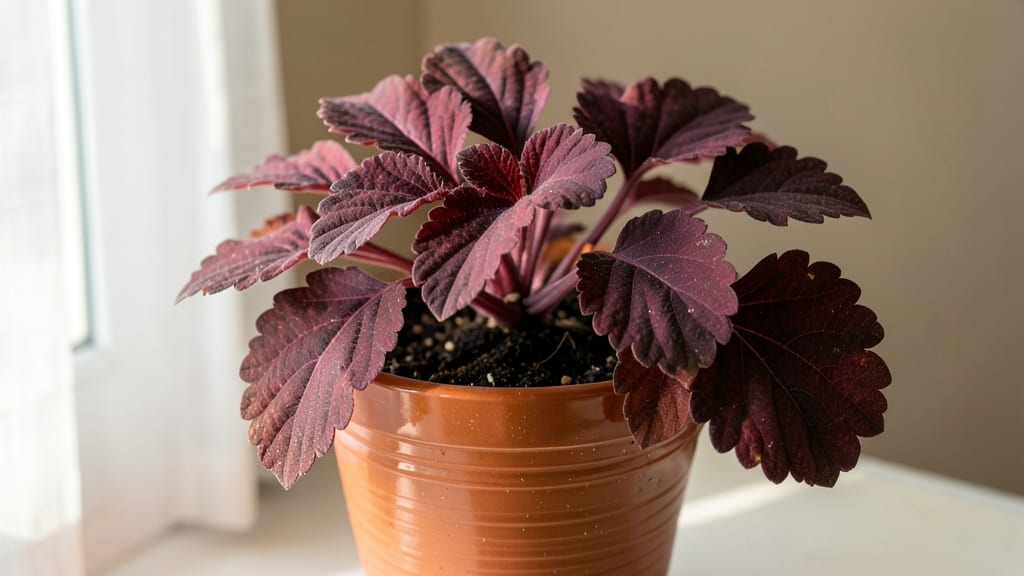
The red five-leaf plant's deep burgundy foliage turns every corner into a dramatic statement. 🌿 I've grown this striking plant in everything from bright sunrooms to shaded balconies, and it never fails to deliver that bold, velvety red color all year long.
The secret isn't complicated—just a few simple care habits that keep those leaves looking fresh and vibrant.
This plant thrives in bright, indirect light but handles lower light better than most tropicals. Use well-draining potting mix (add perlite or orchid bark if yours drains slowly), and water only when the top inch of soil feels dry.
Overwatering is the #1 killer—those thick leaves store moisture like a sponge.
By pruning regularly, you'll encourage bushier growth and even brighter foliage. Pinch back leggy stems in spring, and you'll see new red shoots emerge within weeks. The plants stay compact enough for tables or shelves but can grow 3-4 feet tall with proper care.
Works equally well indoors or out in partial shade. The key is consistency—same light, same watering routine—and you'll have a plant that looks like a high-end houseplant, not a bargain store purchase. Let's get those leaves popping!
📚 In This Guide
- What you need
- Instructions
- Tips and common mistakes
- Wrapping up and next steps
What you need
- ● Red Five Leaf Plant (Potentilla fruticosa 'Red Ace') – 1 to 3 mature plants (depending on desired coverage). Choose healthy, full-blooming specimens from a nursery or online retailer.
- ● Well-draining potting mix – 5–10 gallons (for containers) or loamy garden soil amended with compost (for in-ground planting). Aim for a pH of 6.0–7.0.
- ● Organic mulch – 2–3 inches of wood chips, pine straw, or shredded bark to retain moisture and suppress weeds.
- ○ Slow-release fertilizer – 10–20 lbs of balanced 10-10-10 or rose-specific fertilizer (optional but recommended for nutrient boost).
- ● Garden trowel or transplant spade – For digging holes or pots.
- ● Gloves – Heavy-duty to protect hands from thorns.
- ● Watering can or hose with a gentle nozzle – For deep but controlled watering.
- ○ Pruning shears – Sharp, clean shears for shaping and deadheading (optional but helpful).
- ● Container (if potted) – 12–18 inches wide with drainage holes (e.g., clay, fiber, or plastic pots).
- ● Sunlight assessment – Full sun (6+ hours/day) is ideal, but partial shade (4–6 hours) works in hot climates.
- ● Epsom salt – 1 tbsp dissolved in water monthly for magnesium boost (especially in clay soils).
- ● Copper fungicide – For preventative care against powdery mildew.
- ● Decorative stones or pebbles – To enhance container aesthetics.
- ● Plant support stakes – If growing in windy areas (though this plant is typically sturdy).
Step-by-step instructions for growing a thriving red five-leaf plant
Let’s get this bold beauty established strong—it’s easier than you think!
🌱 Step 1: Choose the Perfect Spot and Pot
The red five-leaf plant (Acalypha pendula) thrives in bright, indirect light—think east or west windows, or under grow lights. Direct sun can scorch its vibrant foliage, so avoid hot afternoon rays. I use a 6-inch pot for each plant (since we’re growing 4) with drainage holes—this prevents soggy roots, which this plant hates.
Fill the pot with well-draining potting mix—I blend equal parts regular potting soil and perlite to keep it airy. Tap the pot gently to settle the soil, then water until moisture runs out the drainage holes. Let it drain completely before planting. This ensures the roots start in a happy, aerated environment.
🌿 Step 2: Plant with Care and Prune for Bushiness
Gently remove the plant from its nursery pot and loosen the roots if they’re tightly bound. Place it in the center of your prepared pot, then fill around the base with more potting mix, pressing lightly to secure it. The top of the root ball should sit ½ inch below the rim—this gives you room to water without spilling.
Here’s the thing—this plant grows leggy fast. To encourage bushiness, pinch off the top set of leaves when the stem reaches 4-6 inches tall. This triggers branching, giving you that lush, full look. I also rotate the pot weekly so all sides get even light—you’ll see new growth sprout within 2-3 weeks if done right.
☀️ Step 3: Master Watering for Vibrant Foliage
Water when the top inch of soil feels dry—stick your finger in to check. Overwatering causes yellow leaves, while underwatering makes them crispy. I water deeply until it drains through the bottom, then empty the saucer after 10 minutes to avoid root rot. This plant loves humidity, so mist the leaves 2-3 times a week or set the pot on a tray of pebbles with water (just keep leaves from touching the water).
You’ll know you’re nailing it when the leaves stay a deep, glossy red—no brown edges or wilting. If you see new growth turning pale, it’s getting too much light. Move it back a foot or add a sheer curtain. The goal? Consistent moisture without soggy soil.
✂️ Step 4: Prune and Propagate for More Plants
Trim back leggy stems in early spring to encourage fresh growth. Cut just above a leaf node (where leaves meet the stem) with clean scissors. Save those cuttings! Dip the ends in rooting hormone, then place them in water or moist perlite. Roots form in 2-3 weeks—perfect for expanding your collection.
Don’t skip pruning in fall either. Reduce watering slightly then, but keep the soil lightly moist. This plant goes semi-dormant in winter, so let the leaves yellow naturally before trimming. You’ll reward yourself with a burst of new red leaves in spring—worth the patience!
Tips & tricks for perfect red five-leaf plant care
Common pitfalls—and how to sidestep every one.
Lighting Strategy: That bright, indirect light is non-negotiable. I learned this the hard way after my first plant turned pale and sad in a south-facing window. If you only have direct sun options, place the plant 3-4 feet back from the window and use a sheer curtain to diffuse harsh rays. Morning sun is actually ideal—it gives enough light without scorching.
Soil Science: The 50/50 mix of potting soil and perlite is your secret weapon against root rot. I've tried heavier mixes, and within weeks, the roots suffocate. After planting, gently press the soil around the base—this helps prevent air pockets that can cause uneven water distribution. A quick tap on the pot's sides after filling also settles the mix perfectly.
Pruning Precision: When pinching those leggy stems at 4-6 inches, aim for just above a leaf node. I use clean, sharp scissors and make the cut at a 45-degree angle to increase surface area for faster healing. This small detail prevents the plant from looking ragged after pruning. And remember, those cuttings you save? They root in just 2-3 weeks—perfect for free plants!
Humidity Hacks: If your home feels dry (especially in winter), create a DIY humidity tray by filling a shallow dish with pebbles and water, then placing your pot on top. Just make sure the pot's bottom doesn't sit in water—keep it elevated. For extra drama, mist the leaves 2-3 times weekly with room-temperature water in the morning. This mimics the plant's tropical origins and keeps those leaves vibrant.
Pro Tips for Red Five Leaf Plant
- Common pitfalls—and how to sidestep every one.
- Lighting Strategy: That bright, indirect light is non-negotiable.
- Soil Science: The 50/50 mix of potting soil and perlite is your secret weapon against root rot.
Frequently asked questions
Got questions about keeping your Red Five Leaf Plant thriving? You’re not alone! Here are some of the most common queries—and their straightforward answers—to help you grow this showstopper with confidence.
How do I propagate my Red Five Leaf Plant?
Propagating is easy! Take 4-6 inch stem cuttings in spring or summer, let the cut end callous over (1-2 days), then dip in rooting hormone and plant in well-draining soil. Keep moist and in bright, indirect light until roots form (4-6 weeks). Pro tip: Use a humidity dome or plastic bag to speed things up!
Why are the leaves turning yellow?
Yellow leaves usually mean overwatering or poor drainage. Let the top 1-2 inches of soil dry out between waterings, and ensure your pot has drainage holes. If the plant’s roots feel mushy, it’s time to repot in fresh, well-draining mix. Troubleshoot: Check for root rot if yellowing spreads fast!
Can this plant handle full sun?
The Red Five Leaf Plant prefers partial shade (morning sun + afternoon shade) to avoid leaf scorch. In hot climates, provide dappled sunlight or afternoon shade. If grown indoors, place it near a bright window but out of direct midday rays. Alternative: Use sheer curtains to filter harsh light.
What’s the best soil mix for this plant?
Use a well-draining mix like 60% potting soil, 20% perlite, and 20% orchid bark. Avoid heavy clay soil—it causes root rot. For containers, add a handful of coarse sand or pumice to improve aeration. Bonus: A slightly acidic pH (5.5–6.5) keeps it happy!
Are there any pests I should watch for?
Keep an eye out for spider mites (tiny webs) and scale insects (bumpy brown spots). Wipe leaves with neem oil or insecticidal soap for mild infestations. For severe cases, isolate the plant and treat with horticultural oil. Prevention tip: Mist leaves regularly to deter pests!
Wrapping up and next steps
The red five-leaf plant is a stunning, low-maintenance addition that brings bold color and texture to any garden—no matter the season! 🌿 With its vibrant foliage and adaptability, it’s perfect for beginners and seasoned gardeners alike.
Whether you’re brightening up a shady corner or adding drama to a sunny border, this plant delivers year-round flair with minimal fuss.
Ready to level up your garden game? Start by picking your perfect spot, gathering the essentials, and giving your red five-leaf plant the love it deserves. Plant one today and watch your outdoor space transform! 🌸