
Planting
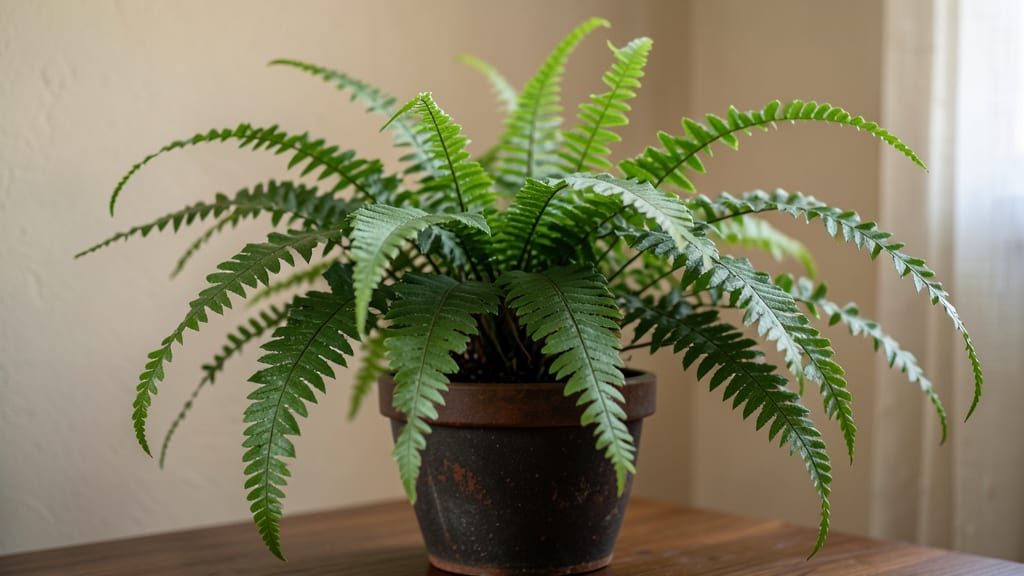
That 5-leaf plant identification could be the star of your shade garden—or a dangerous intruder. 🌿 I’ve spent years tracking plants with that classic palmate shape, and the first thing you need to know is that not all of them belong in your yard.
Some, like the hemp plant, bring beauty and utility, while others, like poison ivy, demand immediate caution. The key to telling them apart lies in the details: leaf edges (smooth or serrated?), stem hairiness, and whether the leaves grow in clusters or alternate.
A cannabis leaf, for example, has jagged edges and a distinct "finger" shape, while Virginia creeper mimics poison ivy but with five rounded leaflets and no shiny berries. Safety first—always wear gloves when handling unfamiliar plants.
Once you master these visual cues, you’ll spot opportunities for your garden: five-leaf figs thrive in shade, box elder trees add height, and even smartweed (a native groundcover) can outcompete weeds. The wrong plant, though?
That’s where things get risky—poison ivy’s "leaves of three, let it be" rule applies to its lookalikes too. For tricky cases, snap a photo and compare it to local plant databases like iNaturalist or consult a botanist.
Your shade garden will thank you for the careful eye—and so will your skin.
What Triggers Leaf Count Confusion
Identifying a plant by its leaf count—especially when it’s a lush, five-leafed beauty like the one in your shade garden—can sometimes feel like solving a puzzle. If you’re staring at foliage and scratching your head, wondering why you can’t nail down the exact species, here’s why it happens.
Understanding these common causes will help you sharpen your plant detective skills!
Not all plants follow the same rulebook. Even within a single species, leaf structure can vary due to genetics. For example, some Heuchera (coral bells) or Hosta cultivars might naturally produce leaves with five distinct lobes or serrations, while others lean toward three or seven.
This genetic diversity is why two plants labeled as the same species can look subtly—or drastically—different.
Actionable tip: Cross-reference your plant’s leaf shape with trusted botanical databases like the Missouri Botanical Garden’s PlantFinder or GRIN-Global. Look for keywords like “palmate” (hand-shaped leaves) or “pinnate” (feather-like) to narrow it down.
Stress isn’t just bad for humans—it warps plants too. When a five-leafed plant faces drought, extreme heat, or poor soil, its leaves may develop irregular shapes, extra lobes, or even split edges to conserve moisture or adapt.
Conversely, overwatering or nutrient deficiencies (like a lack of magnesium) can cause yellowing or stunted growth that alters leaf structure.
How to check:
- 💧 Water test: Stick your finger 1–2 inches into the soil. If it’s bone-dry, your plant is thirsty; if soggy, it’s drowning.
- 🌡️ Light audit: Shade-loving plants (like Astilbe) in full sun may scorch, while sun-lovers (like Sedum) in deep shade can stretch and distort.
- 🥄 Soil swap: Amend heavy clay or sandy soil with compost to improve drainage and nutrient retention.
Plants don’t stay static—breeders and nature love to experiment! Hybrid plants (like Hosta ‘Blue Angel’) often blend traits from parent species, resulting in leaves that don’t fit the “standard” mold.
Even nurseries might mislabel plants, especially if they’re propagated from cuttings rather than seeds. A plant sold as a “five-leaf hosta” could actually be a hybrid with unpredictable foliage.
Pro tip: 🔍 Ask for provenance! Reputable growers provide tags with the cultivar name (e.g., Hosta ‘Francee’) and parentage. If the tag is missing, snap a photo of the entire plant (leaves, flowers, stems) and compare it to online forums like Garden.org.
Pests like slugs, aphids, or spider mites don’t just nibble—they reshape leaves. Slugs leave jagged holes, while mites cause stippling (tiny white dots) that can make a five-lobed leaf look like it’s sprouted extra “fingers.” Fungal infections (e.g., powdery mildew) can also distort growth, making identification a guessing game.
First aid for pests:
- 🍄 Fungal fix: Spray with a 1:10 ratio of baking soda to water + a drop of dish soap (reapply weekly).
- 🐌 Slug barrier: Crushed eggshells or copper tape around pots.
- 🕷️ Mite control: Blast leaves with water to dislodge them, then treat with neem oil.
Once you’ve ruled out these culprits, you’ll be one step closer to unlocking your plant’s true identity—and giving it the care it deserves! 🌿✨
Quick Fixes for Common 5-Leaf Plant Struggles
Got a five-leaf plant (like Potentilla fruticosa or Dasiphora fruticosa) that’s not living up to its potential? Don’t worry—most issues have simple, actionable solutions. Below, we’ve mapped common problems to easy fixes, plus prevention tips to keep your plant thriving year-round.
Cause: Overwatering, poor drainage, or nutrient deficiency. Fix: 🔥 Step 1: Check the Soil – Stick your finger 1–2 inches deep. If it’s soggy, your plant is drowning. 🍳 Step 2: Adjust Watering – Water only when the top inch of soil feels dry. Use a pot with drainage holes! 👨🍳 Step 3: Feed It Right – Apply a balanced fertilizer (10-10-10) in spring and summer. For extra vigor, use iron supplements if leaves stay pale. 🥘 Step 4: Optimize Light – Move to partial shade (3–6 hours of morning sun). Too much direct sun scalds leaves, while too little weakens growth.
💡 Pro Tip: Mulch with compost or bark to retain moisture and improve soil health.
Cause: Low humidity, pests (like spider mites), or windburn. Fix: 🔥 Step 1: Mist Regularly – Use a spray bottle to lightly mist leaves 2–3 times a week, especially in dry climates. 🌡️ Step 2: Shield from Wind – If outdoors, place near a sheltered wall or fence to block harsh winds. 🎯 Step 3: Inspect for Pests – Wipe leaves with neem oil or soapy water if you spot tiny webs or specks. ✨ Step 4: Prune Damaged Foliage – Trim brown edges with clean scissors to encourage new growth.
💡 Pro Tip: Group plants together to create a microclimate that traps moisture naturally.
Cause: Overcrowding, lack of pruning, or weak sunlight. Fix: 🔪 Step 1: Prune for Shape – Trim back 1/3 of leggy stems in early spring to encourage bushier growth. ⏰ Step 2: Fertilize in Stages – Use a slow-release fertilizer in spring, then switch to low-nitrogen in summer to avoid leafy but weak stems. 🌞 Step 3: Rotate the Pot – If indoors, turn the plant quarter-turn weekly to ensure even light exposure.
💡 Pro Tip: Pinch back new growth tips in late summer to promote compact, fuller bushes.
Cause: Fungal infections (like powdery mildew) from poor airflow or wet foliage. Fix: 🧼 Step 1: Clean Leaves – Spray with a 1:10 water-vinegar mix or baking soda solution (1 tsp baking soda + 1 quart water + drop of soap). 🌬️ Step 2: Improve Airflow – Space plants 6–12 inches apart and avoid tight groupings. ☀️ Step 3: Increase Sunlight – Move to a sunnier spot (but avoid scorching). Fungi thrive in damp, shady conditions.
💡 Pro Tip: Water at the base (not overhead) to keep leaves dry and fungus-free.
Cause: Freeze damage, sudden temperature drops, or windburn. Fix: 🏠 Step 1: Move Indoors (If Potted) – Bring container plants to a cool, bright room (50–60°F) before frost hits. 🧥 Step 2: Mulch Heavily – Pile 3–4 inches of mulch around the base to insulate roots. 🛡️ Step 3: Use Frost Cloth – Drape a breathable frost blanket over outdoor plants for extra protection.
💡 Pro Tip: Avoid pruning in late fall—wait until early spring to assess damage.
✅ Soil: Use well-draining, slightly acidic soil (pH 6.0–7.0). ✅ Water: Deep but infrequent watering—never let it sit in water. ✅ Light: Morning sun + afternoon shade is ideal. ✅ Pruning: Trim once in spring, once in summer to maintain shape. ✅ Pests: Inspect weekly—catch issues early with neem oil.
With these fixes, your five-leaf plant will bounce back with vibrant foliage and lush blooms in no time! 🌿✨
Frequently asked questions
Why does a five-leaf pattern appear in both safe and toxic plants?
Evolutionary adaptation! Many plants developed palmate (hand-shaped) leaves to maximize sunlight exposure while conserving water. Toxic species like poison ivy and safe varieties like cannabis share this trait because it’s an efficient design—not a warning signal. The real differences lie in leaf edges (smooth vs. serrated) and plant structure.
Can I trust plant apps to identify five-leaf plants accurately?
Apps like PlantNet or PictureThis are great starting points, but they’re not foolproof. For tricky cases, cross-check with local botanists or university extension offices—they can verify identifications and provide region-specific advice. Always consider leaf arrangement, stem hairiness, and flower/fruit presence when using apps.
What’s the fastest way to tell poison ivy from Virginia creeper?
Use the leaflet count and berry test: poison ivy has three leaflets with shiny green tops, while Virginia creeper has five rounded leaflets and produces blue-black berries. Also check the edges—poison ivy leaflets have smooth edges, while Virginia creeper’s are serrated. When in doubt, remember: "Leaves of three, let it be!"
Are there any five-leaf plants that thrive indoors?
Yes! Try five-leaf fig (Ficus microcarpa) or peace lily (Spathiphyllum)—both have five-lobed leaves and adapt well to indoor conditions. For best results, place them in bright, indirect light and keep soil consistently moist (but not soggy). Avoid drafts, which can stress the plants and alter leaf development.
What should I do if I accidentally touch a toxic five-leaf plant?
Act fast! Wash the affected area with cold water and soap immediately, then rinse with rubbing alcohol or calamine lotion. Avoid scratching—this can spread oils containing urushiol (the irritant). If symptoms (itching, swelling) persist, see a doctor. For outdoor plants, wear long sleeves and gloves when handling unfamiliar foliage.