
Plants
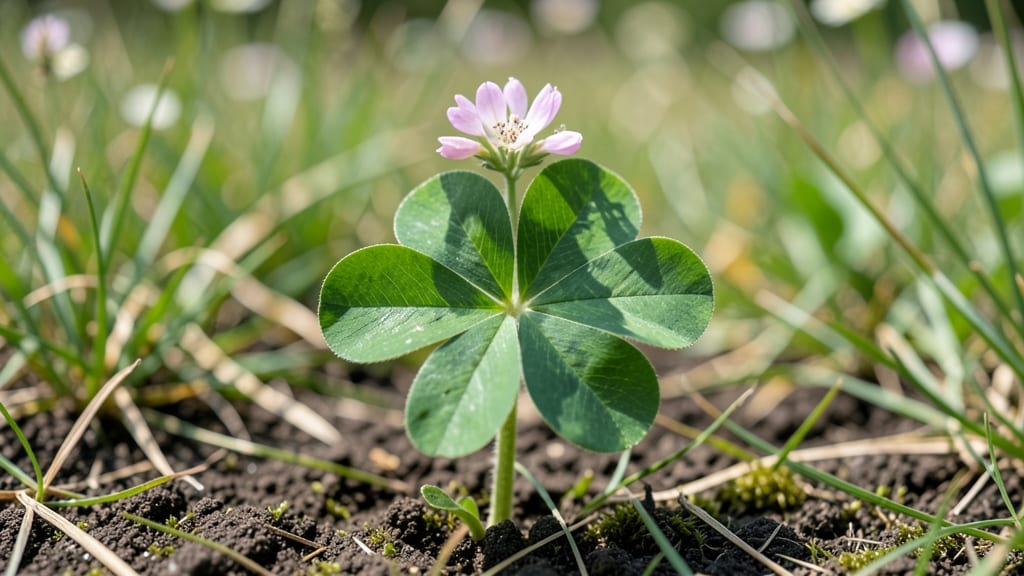
3 Leaf Plant Identification is easier than you think—just look for these key clues. 🌿 The most common trio-leaf plants include poison ivy (with its glossy, pointed leaves), white clover (round and fuzzy), and young tomato seedlings (serrated edges). I’ve spent years spotting these in gardens and wild areas, and the trick is always checking leaf shape, arrangement, and texture.
Poison ivy’s leaves grow in clusters of three with smooth edges, while clover’s are rounded with a distinct white V pattern. Tomato seedlings have jagged edges and a hairy stem. If you’re unsure, snap a photo and compare it to a plant ID app—it’s the fastest way to confirm.
Safety first: avoid touching unknown plants, especially in wooded areas where poison ivy thrives.
Once you recognize these patterns, you’ll spot them everywhere—from your backyard to neighborhood parks. The key is paying attention to details like leaf size, vein structure, and how they attach to the stem. With practice, you’ll start noticing other trio-leaf plants like alfalfa or young okra too.
This skill saves time when weeding or planting, and it helps keep gardens healthy by spotting invasive species early. Whether you’re a beginner or a seasoned gardener, mastering these basics makes plant ID a breeze. Start with these three, and you’ll be confidently naming plants in no time.
Why it happens
If you’ve ever spotted a plant with three leaves and wondered why it’s not the usual two, you’re not alone! While some plants naturally grow in threes, others develop this trait due to specific environmental or biological factors. Here’s why your plant might be sporting an extra leaf—or three.
Some plants are hardwired to grow in threes due to their genetic makeup. This isn’t just a quirky coincidence—it’s tied to how the plant’s meristem cells (growth points) develop. For example:
- Shamrocks (Trifolium): The iconic three-leaf clover is a classic case. Its Trifolium genus is genetically programmed to produce trifoliate (three-part) leaves as part of its reproductive strategy.
- Lilies and some succulents: Certain species, like Haworthia or Aloe, may grow in whorls or clusters of three leaves due to their phyllotactic patterns (leaf arrangement).
- Mutations or hybrids: Some plants, like Oxalis (wood sorrel), may occasionally produce three-leaf variants as a natural mutation or crossbreeding result.
Actionable tip: If you’re identifying a plant and it consistently grows in threes, check its genus—this is your first clue! 🔍
Plants don’t always follow the “two-leaf rule” because of stress. When conditions become unfavorable, some species alter their growth patterns as a survival tactic. Common stressors include:
Stressor
Effect on Leaves
Example Plants
💧 Overwatering or poor drainage
Roots suffocate, forcing the plant to grow smaller, denser leaves in clusters (including threes) to conserve energy.
Pothos (Epipremnum), Philodendron
☀️🌡️ Extreme heat or cold
Leaves may split or grow in uneven patterns (e.g., three-lobed) to reduce water loss or protect the plant.
Coleus, Begonia
🌱🔄 Crowded roots or repotting shock
When roots are disturbed, new growth may emerge in unusual configurations, including three-leaf shoots.
Succulents (e.g., Echeveria), Ferns
Pro tip: If your plant suddenly develops three leaves, check its soil moisture, light exposure, and root space. Adjusting these can help it return to normal growth—or at least explain the oddity! 🌱💧
Not all three-leaf plants are a happy accident—sometimes, pests or pathogens force this growth as a defensive (or damaged) response. Here’s how:
- Spider mites or aphids: These tiny pests sap nutrients from leaves, causing stunted or malformed growth. A plant may produce smaller, clustered leaves (including threes) to compensate.
- Fungal infections (e.g., powdery mildew): Fungi can distort leaf development, leading to fused or extra leaves. Look for white powdery spots alongside the three-leaf growth.
- Viral infections (e.g., Tobacco Mosaic Virus): Viruses like TMV can alter leaf shape, causing mosaic patterns or extra leaves in some species.
What to do:
- Inspect leaves for webs, holes, or discoloration—signs of pests.
- Wipe leaves with neem oil or insecticidal soap if pests are present.
- Isolate infected plants to prevent spread.
💡 Remember: If the rest of the plant looks unhealthy, the three leaves might be a symptom of a bigger issue. Act fast to save your plant!
Plants rely on hormones like auxins, gibberellins, and cytokinins to regulate growth. When these hormones are out of balance, leaf development can go haywire—including producing three leaves where two should be. Common causes:
- Over-fertilization: Too much nitrogen can stimulate rapid, abnormal growth, leading to extra leaves or leaflets.
- Pruning or trimming mistakes: Cutting too close to a node (growth point) can disrupt hormone signals, causing the plant to grow extra leaves.
- Light deprivation: Insufficient light reduces photosynthesis efficiency, forcing the plant to grow smaller, clustered leaves to maximize sunlight capture.
Fix it:
- Flush the soil with water to reduce fertilizer buildup.
- Move the plant to bright, indirect light.
- Avoid over-pruning—leave at least an inch of stem above the node.
✨ Fun fact: Some gardeners intentionally use hormonal sprays to encourage bushier growth—just don’t overdo it!
Quick fixes for leafy plant puzzles
Got a mystery plant with three leaves and no name tag? Don’t panic—here’s how to crack the code and solve it fast, whether it’s a tricky weed, a prized houseplant, or a garden surprise.
We’ll break down the most common issues (like misidentification, overwatering, or pests) and give you step-by-step fixes, plus tips to keep your green friends thriving.
Problem: You think you know the plant, but the leaves don’t match your mental checklist. Fix:
- Flip it over – Check the stem, leaf veins, or undersides for hidden clues (e.g., fuzzy texture, red stems, or tiny hairs).
- Compare textures – Smooth vs. serrated edges? Leathery vs. delicate? Snap a photo and search for the leaf shape and texture, followed by the word “plant.”
- Use a plant ID app – Try PlantNet or Google Lens (upload a clear photo of the whole plant, not just leaves).
- Ask the pros – Post in gardening forums like r/whatsthisplant or Gardeners’ World with close-up shots of leaves, flowers (if any), and growth habits.
Prevention Tip: 💡 Take photos of new plants before potting them—label them with location (e.g., “Sunny Windowsill #1”) to avoid future mix-ups.
Problem: Wilting, yellowing, or mushy leaves—your 3-leaf wonder is drowning or thirsty. Fix:
- Overwatered? 🌧️
- Stop watering immediately and let the soil dry out completely.
- Repot if needed – If roots smell rotten or the pot feels soggy, transfer to fresh, well-draining soil.
- Upgrade your pot – Terracotta or pots with drainage holes prevent waterlogging.
- Underwatered? 🏜️
- Water deeply until it drains from the bottom.
- Check soil moisture – Stick your finger 1–2 inches deep; if dry, water again in 3–5 days.
- Group plants together – Humidity from clustered pots helps retain moisture.
Prevention Tip: 🌡️ Use your finger (not a watering can) to test soil moisture—most plants prefer the “squeeze-a-damp-spoonful” consistency.
Problem: Spots, holes, or sticky residue on leaves—your plant’s under siege. Fix:
| Issue | Signs | Solution |
|---|---|---|
| Aphids | Tiny clusters, sticky residue | Spray with soapy water (1 tsp mild soap + 1L water) or neem oil. |
| Spider Mites | Fine webbing, speckled leaves | Wipe leaves with rubbing alcohol (70% isopropyl) or blast with water. |
| Fungal Spots | Brown/yellow patches | Remove infected leaves, increase airflow, and spray with baking soda mix (1 tsp baking soda + 1L water + drop of soap). |
| Root Rot | Mushy stems, foul smell | Trim rotten roots, repot in sterile soil, and avoid overwatering. |
Prevention Tip: ✨ Quarantine new plants for 2 weeks before introducing them to your collection—pests hitchhike easily!
Problem: You can’t ID it, but you love it—how to grow more? Fix:
- Stem cuttings (for woody or semi-woody plants):
- Snip a 4–6 inch stem just below a leaf node.
- Remove lower leaves, dip in rooting hormone (optional), and plant in moist perlite or water.
- Leaf cuttings (for plants like succulents or African violets):
- Cut a healthy leaf, let it callus for 1–2 days, then place on damp soil or a propagation mat.
- Division (for clumping plants like hostas or ferns):
- Gently separate the root ball into smaller sections, ensuring each has roots and leaves.
Pro Tip: 🔥 Label your cuttings with the original plant’s location (e.g., “Bathroom Window – Unknown #1”) until you ID it!
Final Reminder: Most 3-leaf mysteries are solvable with patience—start with the basics (shape, texture, growth habit), then narrow it down. Happy identifying! 🌿
Frequently asked questions
Why do some plants naturally grow in threes?
Many plants, like clover or poison ivy, have three leaves due to their genetic structure. This pattern is called trifoliate and helps with photosynthesis efficiency. Some succulents and lilies also grow in threes as part of their natural growth habit.
Is it safe to touch all three-leaf plants?
No! Poison ivy is the most dangerous trio-leaf plant—remember the rhyme: "Leaves of three, let it be!" If you see shiny, pointed leaves growing in clusters, avoid touching them. Always wash your hands after handling unknown plants to stay safe.
How can I tell the difference between poison ivy and clover?
Poison ivy leaves are smooth-edged and glossy, while clover leaves are rounded with a white V pattern. Poison ivy grows on vines or shrubs, while clover stays low to the ground. Clovers also have hairy stems, unlike poison ivy's smooth stems.
Can young tomato plants have three leaves?
Yes! Young tomato seedlings often start with three leaves before developing the classic compound leaves. Look for serrated edges and hairy stems to confirm. These plants are safe to handle and perfect for gardeners starting seedlings.
What should I do if I find an unidentified three-leaf plant?
Take a clear photo and use a plant ID app like PlantNet or Google Lens. Note the leaf shape, texture, and growth pattern. If unsure, post in gardening forums with your photos—experts can help identify it safely. Never touch unknown plants without protection!