
Flowers
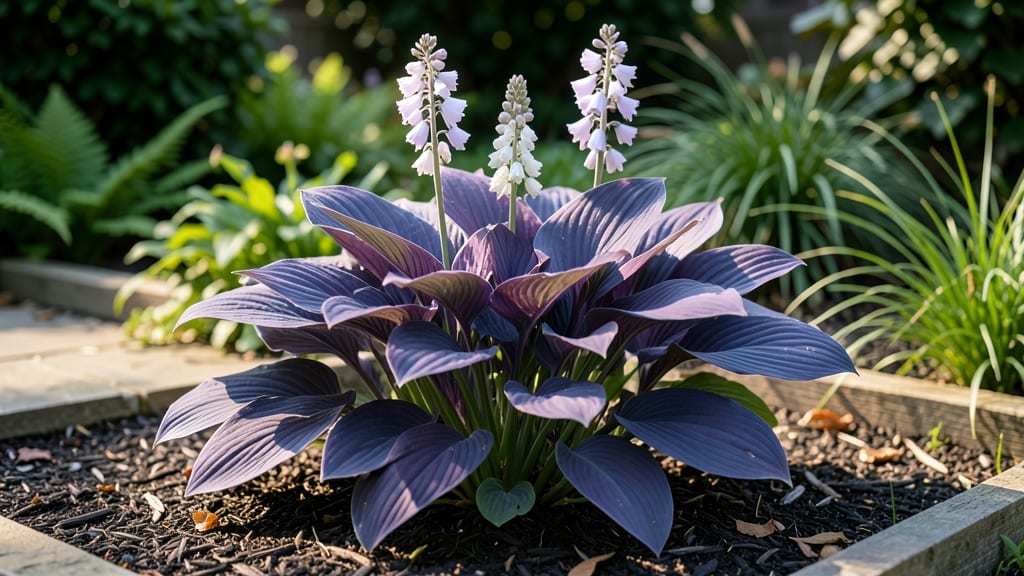
Your shade garden just got a bold upgrade with purple leaf hosta—those deep burgundy leaves that turn electric blue-green in full sun and stay stunning through winter. 💜 I’ve grown this variety for years, and it’s the one plant that makes people stop and ask, “What is that?”—even in the dead of winter when most foliage has faded.
The secret to their drama is simple: partial shade (morning sun, afternoon shade), moist but well-draining soil, and a spot where their wavy, sword-like leaves can spread without competition. They thrive in USDA zones 3-9, making them one of the most reliable shade plants for nearly any climate.
Once established, they’re nearly maintenance-free—just water during dry spells and watch them grow into a lush, textured centerpiece. What sets purple leaf hosta apart is how they elevate any garden—whether tucked under trees, along foundations, or in containers.
Their year-round interest means no dead patches, no boring brown foliage, and zero fuss once they’re happy. And if you love the look, there are dozens of cultivars with different shades, sizes, and even variegated edges to play with. Here’s the best part: they’re beginner-proof but rewarding for experts.
We’ll cover everything from planting to pruning—plus how to keep slugs and deer from turning your hosta into their salad bar. Let’s get those velvety leaves thriving in your garden!
📚 In This Guide
- What you need
- Instructions
- Tips and common mistakes
- Wrapping up and next steps
What you need
- ● Purple leaf hosta plants: 3–5 mature plants (or 1–2 large divisions) for a striking display. Choose varieties like Hosta 'Royal Purple' or 'June' for deep, velvety foliage.
- ● High-quality potting mix or garden soil: 5–10 gallons (for in-ground planting) or 2–3 gallons per container (for pots). Amend with 20% compost for nutrient-rich soil.
- ● Organic mulch: 2–3 inches of shredded bark or pine needles to retain moisture and suppress weeds.
- ● Slow-release fertilizer: 10–20-10 or a balanced organic option (e.g., fish emulsion) to feed roots gradually.
- ● Garden trowel or transplant spade (for digging holes or dividing clumps).
- ● Gloves (heavy-duty for handling sharp hosta leaves).
- ● Watering can or hose with a gentle nozzle (hostas love moisture but hate soggy roots!).
- ● Pruners or shears (for trimming dead leaves in early spring).
- ○ Containers (optional): 12–18" pots with drainage holes for patio displays.
- ● A shady spot (partial to full shade; 4+ hours of indirect light daily).
- ● Well-draining soil (hostas hate waterlogged roots—raise beds if needed!).
- ● Patience! Purple hostas mature slowly but reward you with bold, dramatic foliage over time.
Step-by-Step guide to planting and caring for purple leaf hosta
Here’s how to establish these bold, shade-loving perennials for maximum foliage impact.
🌱 Step 1: Choose the Perfect Planting Location
Purple leaf hostas thrive in partial to full shade—select a spot receiving 3-6 hours of filtered light daily. Avoid harsh afternoon sun, which can scorch their vibrant foliage. I dig a hole twice as wide as the root ball but only as deep as the container’s base to prevent burying the crown too deeply.
Test the soil by squeezing a handful—it should crumble easily but hold shape. Amend heavy clay with 2-3 inches of compost to improve drainage. Purple leaf varieties like ‘Blue Angel’ or ‘Halcyon’ need well-draining soil to prevent crown rot, so I always mix in a handful of perlite if my soil feels compacted.
🪴 Step 2: Plant with Careful Crown Positioning
Place the hosta in the hole so the crown sits just below soil level—never deeper than ½ inch. I press the root ball gently into the hole to eliminate air pockets, then backfill with native soil mixed with 1 cup of compost per plant. Avoid packing soil tightly, as hostas prefer loose, airy roots.
Water deeply right after planting until the soil 1 inch below the surface feels moist. Mulch with 2-3 inches of shredded bark to retain moisture and suppress weeds. This layer also protects the crown from extreme temperature swings, which can stress young plants. I always leave a 1-inch gap between the mulch and the crown to prevent rot.
☀️ Step 3: Water Consistently for First-Year Establishment
Keep the soil evenly moist but not soggy for the first 4-6 weeks—this is critical for root development. Purple leaf hostas wilt more visibly than green varieties, so I check soil moisture by sticking my finger 1 inch deep; if it’s dry, water thoroughly. Overhead watering can cause fungal issues, so I use a soaker hose or water at the base.
Once established, hostas tolerate drought better but still need 1 inch of water weekly during dry spells. I’ve found that mature plants handle brief dry periods better than young ones, so I prioritize deep watering over frequent shallow sessions. Fertilize lightly in spring with a balanced 10-10-10 formula to encourage lush foliage.
✂️ Step 4: Divide and Prune for Long-Term Health
Divide hostas every 3-4 years in early spring or fall when the plant is dormant. I dig up the clump, separate the crowns with a clean knife, and replant the largest divisions immediately. Smaller sections can be potted up for future plantings. Always discard any crowns that look mushy or diseased—this prevents spreading rot.
Deadhead spent flower stalks in late summer to redirect energy into foliage growth. I never cut back the leaves until early spring, as they provide winter interest and protect the crown. If slugs become an issue, I apply organic slug bait around the base but avoid chemical sprays, which can damage the delicate foliage.
🌿 Step 5: Protect and Maintain Year-Round
In winter, leave the foliage intact until new growth appears in spring—it insulates the crown and adds texture to the garden. If heavy snow bends the leaves, I gently brush it off to prevent breakage. Purple leaf hostas handle cold well but may need extra mulch in zones below USDA 4 for added insulation.
Fertilize lightly in early spring with a slow-release fertilizer to support new growth. I avoid high-nitrogen feeds, as they can dilute the purple hue. Instead, I use a low-nitrogen, high-potassium blend to maintain vibrant color. Watch for aphids on new shoots—spray with neem oil if you spot clusters, but I’ve found most hostas bounce back quickly if caught early.
Tips & tricks for perfect purple leaf hosta planting
These practical insights will help you cultivate vibrant, thriving purple leaf hostas that steal the show in your shade garden.
Lighting Strategy: The 3-6 hours of filtered light mentioned in Step 1 is crucial—position your hostas where they receive morning sun and afternoon shade. I've noticed that east-facing locations work beautifully, as they avoid the intense afternoon rays that can bleach the foliage. If your garden only offers full shade, don't worry; purple leaf varieties still perform well, though the color intensity may be slightly muted.
Soil Preparation Secret: When amending heavy clay with 2-3 inches of compost as suggested in Step 1, I recommend adding a handful of coarse sand or perlite to the mix. This creates tiny air pockets that improve drainage while maintaining moisture retention—critical for preventing crown rot in these moisture-loving plants. Think of it as creating a sponge-like texture that holds water without suffocating the roots.
Crown Positioning Precision: The instruction to place the crown just below soil level (never deeper than ½ inch) in Step 2 is non-negotiable. I've seen firsthand how burying the crown too deeply leads to rot, while planting too shallowly exposes it to temperature fluctuations. Use a small stick or marker to verify the crown's position before backfilling—this simple check saves hours of troubleshooting later.
Watering Wisdom: The 4-6 week establishment period in Step 3 requires vigilance. I've developed a routine of checking soil moisture every other day during this critical window. For container-grown hostas, I water when the top inch of soil feels dry, but for in-ground plants, I wait until 1-2 inches down. This adjustment accounts for the different moisture retention between containers and garden beds.
Pro Tips for Purple Leaf Hosta
- These practical insights will help you cultivate vibrant, thriving purple leaf hostas that steal the show in your shade garden.
- Lighting Strategy: The 3-6 hours of filtered light mentioned in Step 1 is crucial—position your hostas where they receive morning sun and afternoon shade.
- Soil Preparation Secret: When amending heavy clay with 2-3 inches of compost as suggested in Step 1, I recommend adding a handful of coarse sand or perlite to the mix.
Frequently asked questions
Got questions about growing and caring for purple leaf hosta? You’re not alone!
Here are answers to the most common queries—from planting tips to troubleshooting—so you can keep your shade garden thriving with these stunning perennials.
When is the best time to plant purple leaf hosta?
Plant your purple leaf hosta in early spring or early fall when soil temperatures are cool (50–70°F). This gives roots time to establish before extreme heat or cold. Avoid planting in summer—heat stress can shock young plants. Pro tip: If you must plant in summer, water deeply daily for the first 2 weeks to help roots adjust!
Why are my hosta leaves turning yellow or brown?
Yellowing or browning leaves usually signal overwatering, underwatering, or pests. Check soil moisture—hostas prefer consistently moist but well-draining soil. Slugs and snails are also common culprits (look for chewed edges!). Try diatomaceous earth or beer traps to deter them. If the issue persists, test your soil’s pH (ideal: 6.5–7.5).
Can purple leaf hosta survive in full shade?
Purple leaf hosta thrives in partial to full shade (2–6 hours of sunlight daily). Too much sun (especially in hot climates) can cause leaf scorch or bleaching. For deep purple color retention, aim for morning sun + afternoon shade. If leaves fade, they’re getting too much light—relocate or add shade cloth if needed.
Are there any low-maintenance alternatives to purple leaf hosta?
If you love the look but want less upkeep, try these shade-loving perennials:
- Hosta ‘Blue Angel’ – Lush blue-green foliage, slug-resistant varieties available.
- Astilbe – Feathery plumes, thrives in moist shade, and blooms all summer.
- Hellebore (Lenten Rose) – Evergreen, blooms in winter/early spring, and deer-resistant.
- Ferns (e.g., Japanese Painted Fern) – Textural contrast with minimal care.
For purple foliage, Heuchera ‘Palace Purple’ (coral bells) is a great substitute with bold color and drought tolerance.
How do I protect purple leaf hosta in winter?
Most hostas are hardy to USDA Zones 3–9, but young plants or harsh winters may need help. Mulch heavily (3–4 inches) with shredded leaves or straw after the ground freezes to insulate roots. No need to cover leaves—they’ll regrow in spring! In Zone 3 or colder, add a light layer of burlap over the crown if winters are brutal.
Bonus Tip: How to keep slugs and snails away naturally
Slugs love hostas! Try these organic solutions:
- Spread copper tape around plant bases (creates a mild electric barrier).
- Use kaolin clay (like Surround WP) to make leaves unappealing.
- Handpick at night with a flashlight + soapy water (drop them in soapy water to kill them humanely).
- Plant slug-repelling companions like chives, thyme, or marigolds nearby.
For heavy infestations, beer traps (bury a shallow dish of beer) work—but check them daily!
Wrapping up and next steps
Transforming your shade garden with purple leaf hosta is a rewarding journey that brings vibrant color and texture to your outdoor space. 🌿 From selecting the perfect variety to mastering care tips, every step ensures a thriving, eye-catching display.
Whether you're a seasoned gardener or a beginner, these stunning plants offer year-round drama with minimal effort.
Ready to elevate your garden? Start small—plant a few hostas this season and watch your space bloom with confidence! For even more inspiration, explore hosta varieties or connect with local gardening groups to share your progress. Happy planting! 🌸