
Plants
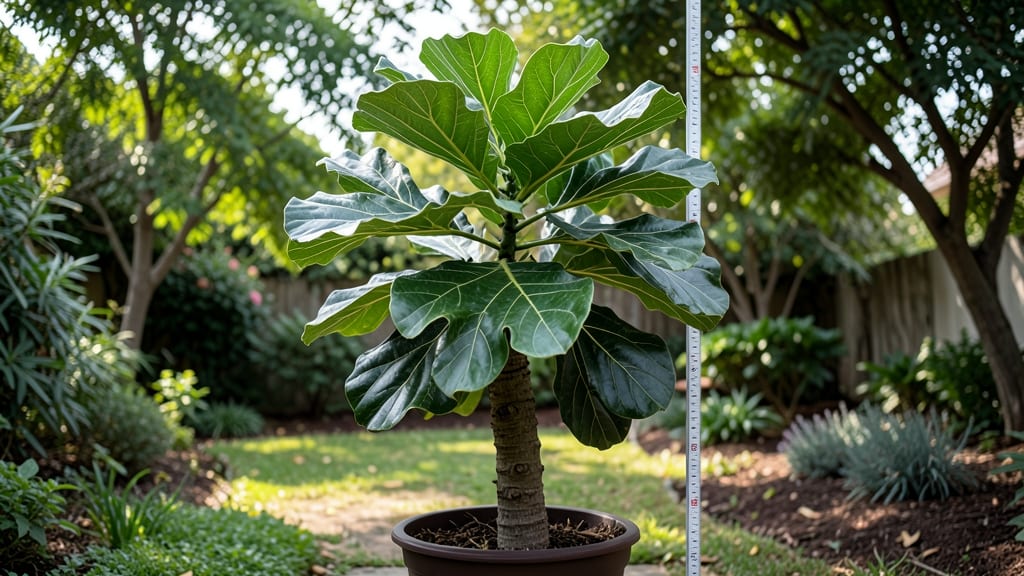
Fiddle leaf figs can grow between 4 and 10 feet tall indoors, depending on care and space, making them a dramatic statement plant with surprising flexibility.
If you’ve ever wondered whether your fiddle leaf fig will eventually reach ceiling height—or how to control its growth—you’re not alone. These stunning tropical plants can grow surprisingly tall, but their height depends on care, space, and a few strategic hacks.
Under ideal conditions, a fiddle leaf fig 🌿 thrives with bright, indirect light and consistent moisture, shooting up 1-2 feet per year in its early years. Without proper pruning or light management, some varieties stretch toward 10 feet, while others stay compact with the right techniques.
In this guide, I’ll break down the factors that influence height—from light exposure to pruning—and share 5 proven methods to keep your fiddle leaf fig at your desired size, whether you want a floor-filling giant or a manageable tabletop tree.


Natural height limits of fiddle leaf figs indoors (with growth data)
Your fiddle leaf fig (Ficus lyrata) is a statement piece that can reach impressive heights indoors, but its growth isn't random—it's influenced by light exposure, pruning habits, and even the pot size you choose.
On average, these tropical beauties grow between 4 to 10 feet tall indoors, though their growth rate varies dramatically based on care. Understanding these natural limits helps you plan for their future size and adjust care routines accordingly.
In ideal conditions—like bright, indirect sunlight and consistent moisture—you might see your fiddle leaf fig grow 1 to 2 feet per year. However, neglect or poor lighting can stunt growth or cause rapid, leggy stretches toward light sources.
The key to managing height lies in balancing these factors while respecting the plant's natural growth patterns.
| Growth Stage | Height Range (Indoors) | Timeframe | Key Influences |
|---|---|---|---|
| Seedling | 0.5–1 ft | 0–6 months | Light, soil quality |
| Year 1 | 1–2 ft | 6–12 months | Pruning, pot size |
| Year 2–3 | 3–6 ft | 1–3 years | Light exposure, fertilizer |
| Mature | 6–10 ft | 3–5+ years | Space, pruning frequency |
| Outdoor (if moved) | 10–15 ft | 5+ years | Climate, soil, sunlight |
One of the biggest factors affecting height is light exposure. Fiddle leaf figs naturally grow taller when reaching for light, especially in low-light conditions. If your plant stretches toward a window with long, sparse leaves, it’s signaling a need for more bright indirect light.
Positioning near an east-facing window or using a grow light can slow vertical growth while encouraging bushier foliage.
Pot size also plays a critical role. Smaller pots restrict root growth, which can stunt height temporarily, but this isn’t ideal long-term. Roots need room to expand, and a root-bound plant will eventually grow taller as it searches for space.
Aim for a pot that’s 2–3 inches larger in diameter than the root ball, and repot every 2–3 years to maintain balanced growth.
Pruning is another powerful tool to control height. By cutting back leggy stems in early spring, you encourage the plant to branch out rather than grow upward. Focus on trimming 10–20% of the plant’s height at a time to avoid shocking it.
This method works best when combined with proper light exposure—otherwise, the plant may just grow taller again to reach the light.
Environmental factors like temperature and humidity also influence growth. Fiddle leaf figs thrive in 65–80°F temperatures and benefit from 40–60% humidity. Drafty areas or sudden temperature drops can stress the plant, slowing its growth or causing it to focus energy on survival rather than height.
Use a humidifier or pebble tray in dry climates to support steady, healthy growth.
If you’re worried about your fiddle leaf fig outgrowing its space, remember that height isn’t set in stone. With strategic pruning and consistent care, you can guide its growth to fit your home.
For example, a bushier shape is achievable by pruning the top stem and pinching back new growth regularly. This approach keeps the plant manageable while maintaining its lush, tropical appeal.
For those considering outdoor growth, fiddle leaf figs can reach 10–15 feet tall in ideal outdoor conditions, but they’re sensitive to cold temperatures below 50°F.
If you live in a USDA Zone 9–11, you can move your plant outdoors during warmer months, but always acclimate it gradually to avoid shock. Even in outdoor settings, pruning remains key to controlling height and shape.
In summary, your fiddle leaf fig’s height is a direct reflection of its care routine. By monitoring light levels, pruning habits, and pot size, you can steer its growth toward your preferred size—whether that’s a compact tabletop plant or a towering indoor tree.
The key is consistency and observation, so keep an eye on its growth patterns and adjust as needed.
5 Proven techniques to control fiddle leaf fig height
If your fiddle leaf fig is shooting up faster than you’d like, don’t panic—you’re not powerless! These tropical beauties naturally reach 8-10 feet indoors, but with the right techniques, you can shape their growth. The key is balancing pruning, light exposure, and training methods without stressing the plant.
Let’s dive into five foolproof strategies to keep your fiddle leaf fig at your desired height while keeping it thriving.
First, understand that fiddle leaf figs grow 6-12 inches per year under ideal conditions. Without intervention, they’ll focus all their energy on vertical growth, leaving you with a leggy, top-heavy plant. The good news?
You can redirect that energy using simple, science-backed methods. Whether you want a compact bush or a taller statement plant, these techniques give you full control without sacrificing health or vibrancy.
- 🌱 Prune at the right time: Trim just above a leaf node in spring or early summer to encourage bushier growth. Avoid pruning in fall or winter when the plant is dormant.
- 🪴 Use a growth regulator: Apply a diluted seaweed extract (1 tsp per gallon of water) every 4-6 weeks to slow rapid vertical growth without stunting the plant.
- ✂️ Pinch back new growth: Snip the top 2-3 inches of new shoots to force the plant to branch out instead of elongating. Do this when the plant is 6-12 inches tall.
- ☀️ Adjust light exposure: Move your fiddle leaf fig to a west-facing window or use a grow light to slow stretching. Too little light = rapid, weak growth.
- 🌿 Train with a trellis or stake: Gently tie the main stem to a vertical support to guide growth upward while encouraging side branches to fill out.
One of my favorite methods is selective pruning. Instead of hacking off large sections, focus on trimming the longest stems just above a leaf node. This encourages the plant to branch out from the sides, creating a fuller, more compact shape.
Pro tip: Use sterilized pruning shears to prevent disease, and always prune in the morning when the plant is hydrated. This reduces stress and speeds up recovery.
For those who prefer a taller, tree-like fiddle leaf fig, focus on light and nutrition. Place your plant near a bright, indirect light source (like an east-facing window) and fertilize with a balanced 10-10-10 formula every 6-8 weeks during the growing season.
Avoid over-fertilizing, which can lead to weak, leggy growth. Instead, aim for steady, controlled growth by keeping soil moisture consistently even—never soggy, never bone-dry.
If you notice your fiddle leaf fig developing bare stems or large gaps between leaves, it’s a sign it’s stretching for light. Move it closer to a window or supplement with a LED grow light for 12-14 hours per day.
This trick works wonders for maintaining a proportional height-to-foliage ratio, ensuring your plant stays lush and healthy while growing at a manageable pace. Remember, fiddle leaf figs are resilient—with the right care, they’ll reward you with glossy leaves and controlled growth.
Finally, don’t forget to rotate your plant every few weeks. This ensures even growth and prevents it from leaning toward a light source. A well-rounded fiddle leaf fig is a happier, healthier plant that grows at a steady, predictable rate.
With these techniques, you’ll enjoy a fiddle leaf fig that fits your space perfectly—whether that’s a compact 4-foot bush or a tall 8-foot centerpiece. Happy pruning! 🌿