
Pruning
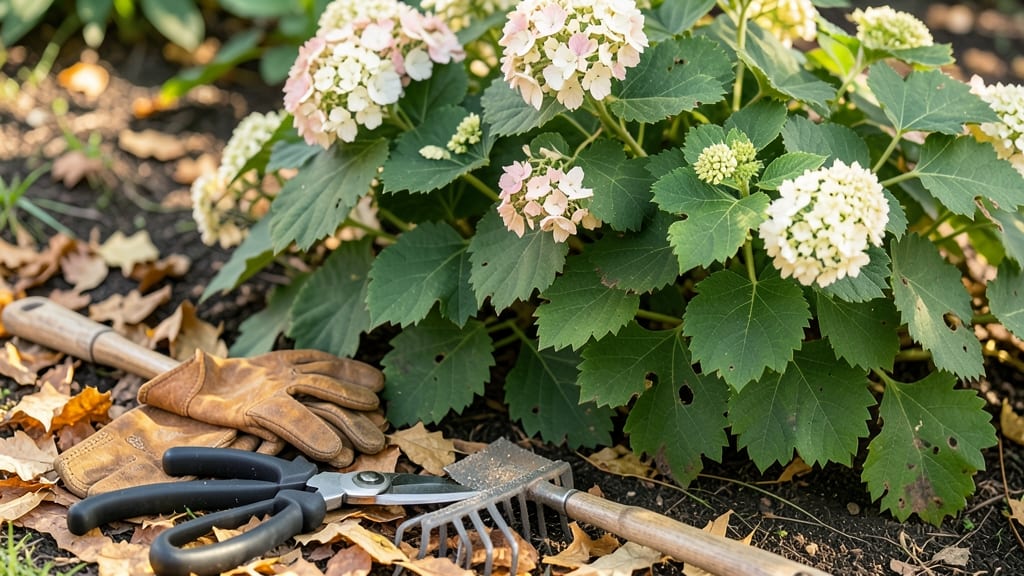
Trimming an oak leaf hydrangea now ensures a lush, showstopping display year after year. ✂️ I've watched these dramatic shrubs go from ragged to stunning through simple seasonal pruning—no guesswork, just timing and technique. The key is understanding when to shape for beauty and when to cut for health, because what you do in winter affects next summer's blooms.
You only need three tools: sharp pruning shears, loppers for thicker stems, and a clean pair of gloves. Timing matters most—prune in late winter or early spring before new growth starts, and avoid cutting back into old wood.
These hydrangeas reward patience with their stunning oak-like leaves and cascading summer blooms, but they need the right approach to stay vigorous.
After pruning, you'll see fresh green shoots emerge within weeks, with fuller foliage by midsummer. The branches develop that signature layered look while staying strong enough to support the weight of blooms.
This method works for both young plants and mature shrubs, giving you control over their size and shape without sacrificing their natural beauty.
Works perfectly for container plants too—just scale the cuts to match the pot size. The same principles apply whether you're pruning a 3-foot shrub or a 10-foot specimen. Here's exactly how to do it right the first time.
📚 In This Guide
- What you need
- Instructions
- Tips and common mistakes
- Wrapping up and next steps
What you need
- ● Pruning shears – Bypass pruners (sharp, clean, and 10-12 inches long) for clean cuts on smaller stems.
- ● Loppers – Bypass or anvil type (for thicker branches, 18-24 inches long).
- ○ Hand pruners – For precision cuts on tiny twigs (optional but handy!).
- ● Disinfectant – Rubbing alcohol (70% isopropyl) or pruning sealant to sterilize tools between cuts and prevent disease.
- ● Garden gloves – Durable, cut-resistant (hydrangea leaves can be prickly!).
- ● Bucket or wheelbarrow – For collecting pruned branches and debris.
- ● Rake or leaf blower – To clear fallen leaves/debris from the base.
- ● Pruning saw – If your hydrangea has thick, woody stems over 2 inches.
- ● Hose or spray bottle – To rinse tools and clean sap off blades.
- ● Mulch – Shredded bark or compost (1-2 inches) to protect roots post-pruning.
- ● Plant food – Balanced fertilizer (10-10-10) to give your hydrangea a post-trim boost.
- ● Notebook & pen – To sketch your hydrangea’s shape before trimming (great for first-timers!).
Instructions for trimming oak leaf hydrangea
Here's how to keep your oak leaf hydrangea thriving with seasonal cuts that boost blooms and foliage.
✂️ Step 1: Understand the Right Time to Trim
Trim oak leaf hydrangeas in late winter or early spring—right after your last frost date but before new growth appears. This timing ensures you don’t cut off next year’s blooms, which develop on old wood. Wait until the plant shows first signs of bud swell—tiny green bumps along the stems—to confirm it’s ready.
If you miss the spring window, you can do a light cleanup in summer after flowering to remove dead or overcrowded branches. Just avoid heavy pruning then, as it can stress the plant before winter. Real talk: I’ve seen gardeners cut too early and end up with sparse blooms—don’t make that mistake!
✂️ Step 2: Prepare Your Tools and Workspace
Use clean, sharp pruning shears to make precise cuts without tearing the stems. Disinfect your tools with rubbing alcohol before and after pruning to prevent spreading disease. Oak leaf hydrangeas respond well to 45-degree angled cuts just above a leaf node or bud—this encourages better regrowth.
Work on a dry day when the plant isn’t stressed. Clear away any fallen leaves or debris from the base, as this can harbor pests or fungal spores. I like to lay down a tarp underneath to catch clippings—it makes cleanup easier and keeps your workspace tidy.
✂️ Step 3: Remove Dead or Damaged Wood First
Start by cutting out any dead, diseased, or crossing branches—these compete for nutrients and can weaken the plant. Look for stems that are brown, brittle, or hollow inside. Remove these completely down to the base or a healthy outward-facing bud. You’ll know you’ve done this right when the plant’s center looks open and airy.
Next, trim back any branches that are thinning or leggy. These usually grow from the center and can block sunlight from reaching inner stems. Aim to shape the plant into a rounded, bushy form—this encourages dense foliage and more blooms. Here’s the thing: oak leaf hydrangeas bloom on both old and new wood, so don’t over-prune!
✂️ Step 4: Lightly Thin the Canopy for Airflow
Focus on thinning out overcrowded branches to improve airflow and reduce humidity-related issues like powdery mildew. Select branches that are growing inward and cut them back to a strong outward-facing bud. This step is all about balance—you want sunlight to penetrate the center of the plant.
Leave the outer framework intact, as these branches support the plant’s structure. If a branch is too thick to cut by hand, use your pruning saw for a clean cut. After trimming, step back and admire your work—you should see a more open, inviting shape that’s ready for new growth.
⏰ Step 5: Post-Trimming Care for Healthy Regrowth
Water the plant deeply after pruning to help it recover and encourage root growth. Apply a balanced fertilizer (like 10-10-10) in early spring to support new shoots. Avoid heavy fertilizing right after pruning, as this can burn tender new growth. Instead, let the plant focus on establishing itself first.
Monitor the plant for new buds forming within 4-6 weeks. If you see leggy growth reaching for the light, it’s a sign the plant needs more sunlight. Mulch around the base with 2-3 inches of organic mulch to retain moisture and protect roots. This is the moment that matters: consistent care now sets the stage for lush, vibrant foliage all season long.
Tips & tricks for perfect oak leaf hydrangea trimming
These simple strategies will help you achieve a balanced, blooming hydrangea that thrives all year long.
Timing is Everything: Pay close attention to those tiny green bumps along the stems—the first signs of bud swell. This is your cue that late winter or early spring has arrived and it's time to trim. I've seen gardeners miss this window and end up with sparse blooms the following year. Mark your calendar based on your last frost date to avoid this common mistake. The plant's natural growth cycle is your best guide here.
The Technique That Changed Everything: When making those 45-degree angled cuts in Step 2, aim just above a leaf node or bud. This small detail makes a world of difference in how quickly your plant recovers. I learned this the hard way after seeing slow regrowth from cuts made too close to a bud. A clean cut also prevents tearing, which can introduce disease. Use your pruning shears to make precise cuts—this isn't a job for scissors or hedge trimmers.
Canopy Care: Focus on creating an open center during Step 4 by thinning out overcrowded branches. This improves airflow and reduces humidity-related issues like powdery mildew. I've noticed that plants with good airflow produce more vibrant blooms and healthier foliage. After trimming, step back and visualize sunlight penetrating to the center—this is what creates that lush, rounded shape we all love in oak leaf hydrangeas.
Pro Tips for Trimming Oak Leaf Hydrangea
- These simple strategies will help you achieve a balanced, blooming hydrangea that thrives all year long.
- Timing is Everything: Pay close attention to those tiny green bumps along the stems—the first signs of bud swell.
- The Technique That Changed Everything: When making those 45-degree angled cuts in Step 2, aim just above a leaf node or bud.
Frequently asked questions
Got questions about keeping your Oakleaf Hydrangea looking its best? You’re not alone! Here are answers to the most common concerns—so you can prune with confidence and enjoy year-round beauty.
When is the best time to trim Oakleaf Hydrangea?
Prune your Oakleaf Hydrangea in late winter or early spring (before new growth starts), ideally between February and March. This timing ensures you remove dead wood while preserving next season’s blooms. Avoid pruning in fall—it can stimulate tender growth that won’t survive winter. For light shaping, you can trim lightly after flowering, but avoid heavy cuts.
Do I need to cut back Oakleaf Hydrangea every year?
Not necessarily! Oakleaf Hydrangeas are low-maintenance and don’t require annual pruning unless you notice dead, diseased, or overgrown branches. Focus on removing 1/3 of the oldest stems every 2-3 years to encourage new growth. If your plant looks healthy, skip the pruners—just monitor it seasonally.
What if I accidentally prune too much? Can I fix it?
Don’t panic! Oakleaf Hydrangeas are hardy and resilient. If you’ve over-pruned, focus on healthy stems—cut just above a leaf node or bud. Avoid pruning more than 25-30% of the plant at once. With proper care (watering, mulching, and patience), your hydrangea will bounce back. For severe cuts, fertilize lightly in spring to support recovery.
Will trimming affect next year’s flowers?
No—Oakleaf Hydrangeas bloom on old wood AND new growth, so strategic pruning won’t ruin your flowers. The key is to remove dead or weak stems while leaving healthy, mature branches intact. If you prune correctly, you’ll still enjoy summer and fall blooms (and stunning foliage!) for years to come.
Are there alternatives to pruning if my hydrangea is too large?
If pruning feels overwhelming, try these low-effort alternatives:
- Thinning out: Remove only the thickest, oldest stems to open up space for airflow and sunlight.
- Shaping lightly: Use hand pruners to gently shape the outer edges without heavy cuts.
- Dividing: If overcrowded, dig up and split the root ball in early spring—each section will regrow!
- Mulching: Add 3-4 inches of mulch to suppress weeds and reduce stress on the plant.
For stubborn overgrowth, consider gradual pruning over 2-3 years to avoid shocking the plant.
Wrapping up and next steps
Mastering the art of trimming your oak leaf hydrangea is all about timing, technique, and a little patience—just like nurturing a favorite plant! With the right cuts, you’ll reward yourself with vibrant blooms, lush foliage, and a thriving shrub that steals the show year after year. 🌿✨
Now that you’re armed with the know-how, grab those pruners and give your hydrangea the TLC it deserves. Start small: observe your plant, experiment with cuts, and watch it transform into a stunning centerpiece. Happy pruning!