
Pruning
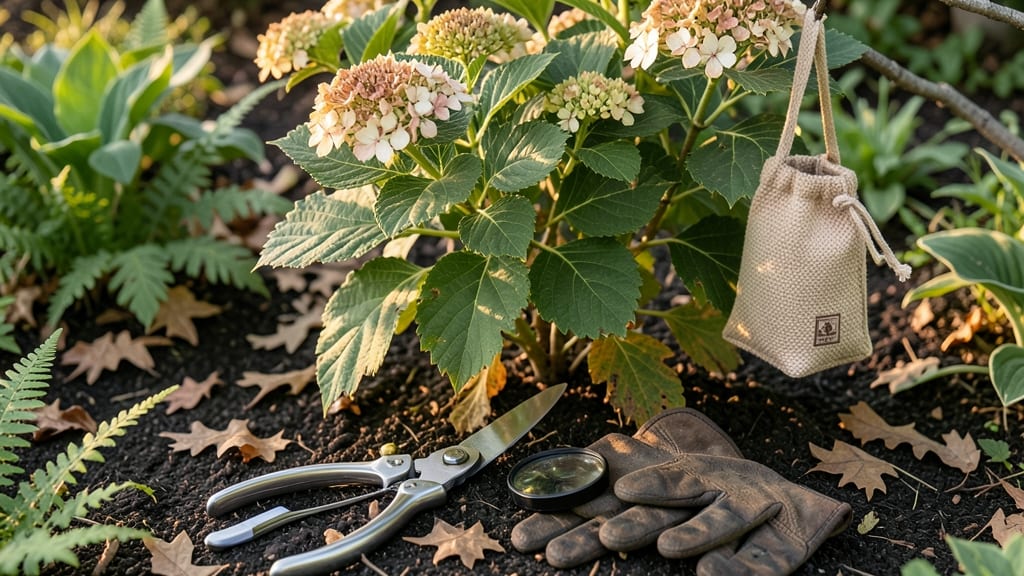
Pruning oakleaf hydrangeas transforms a wild, leggy shrub into a showstopper with bold foliage and dramatic blooms—and the best time to shape them is right after they finish flowering in late summer. 🌿 I’ve spent years pruning these beauties, and the key is understanding their unique growth pattern: oakleaf hydrangeas bloom on both old and new wood, so aggressive cuts in early spring can rob you of next year’s flowers.
Instead, focus on cleaning up spent blooms, thinning crowded stems, and shaping for airflow—without sacrificing next season’s show.
The tools you’ll need are simple: sharp pruning shears, hand pruners, and gloves (those thorns don’t play nice). Grab a small bucket for clippings and a spray bottle with diluted rubbing alcohol to sterilize tools between cuts—this prevents disease from spreading.
Start by removing dead, diseased, or crossing branches first; these are the easiest cuts and make room for stronger growth. Oakleaf hydrangeas reward patience, so don’t rush—aim to reduce the shrub by no more than 25% in a single season to avoid stress.
By late winter, your oakleaf hydrangea will reward you with vibrant red or purple foliage and fresh spring growth—if you’ve pruned correctly. The secret is layered pruning: light cuts in summer to encourage blooms, and more structured shaping in winter to maintain the shape you want.
Avoid the temptation to "clean it up" in early spring; oakleaf hydrangeas need those old stems to produce their signature fall color and early summer flowers. Think of pruning as a conversation with the plant, not a battle.
For established shrubs, rejuvenation pruning every 3–4 years can revive overgrown plants—just cut back one-third of the oldest stems each year until the shrub looks balanced again. And here’s a pro tip: mulch heavily after pruning to protect roots and retain moisture, especially in hot climates.
Whether you’re shaping for a formal hedge or a loose, natural look, oakleaf hydrangeas respond beautifully to thoughtful pruning—just give them time to show off their true potential.
📚 In This Guide
- What you need
- Instructions
- Tips and common mistakes
- Wrapping up and next steps
What you need
- ● Pruning shears: Bypass pruners (for clean cuts on smaller stems, 4–6 inches long). Opt for sharp, stainless-steel blades to avoid crushing stems.
- ● Loppers: 8–10 inch (for thicker branches, ½–1 inch in diameter). Look for ratcheting or bypass models for precision.
- ● Hand pruners: Anvil-style (for quick cuts on tiny stems, but avoid overuse to prevent stem damage).
- ● Garden gloves: Heavy-duty, cut-resistant (to protect hands from thorns and sharp tools).
- ● Disinfectant: 70% isopropyl alcohol or rubbing alcohol (to sterilize tools between cuts and prevent disease spread).
- ○ Pruning sealant: Optional but helpful (for sealing larger cuts over ½ inch to prevent pests/disease). Choose a latex-based or water-based formula.
- ● Ladder or step stool: Sturdy, 6–8 ft tall (if your hydrangea is over 5 ft tall). Safety first—use a non-slip surface.
- ● Trash bags or bucket: Large, lined (for collecting pruned branches and debris).
- ○ Marking twine or flags: Optional (to tag branches for removal or special attention).
- ● Timing: Prune after flowering (late summer/early fall) for next year’s blooms, or late winter/early spring (before buds swell) for light shaping. Avoid pruning in fall if you want current-year blooms!
- ● Weather: Choose a dry, overcast day (humidity can spread bacteria). Morning pruning is ideal to avoid stressing the plant.
- ● Hydration: Water the hydrangea 1–2 days before pruning to reduce stress. Well-hydrated plants heal faster!
- ● Safety gear: Sunglasses and long sleeves (to protect from sun and thorns).
Step-by-Step guide to pruning oakleaf hydrangeas
Here’s my foolproof method for keeping your oakleaf hydrangea lush, blooming, and well-shaped year-round.
✂️ Step 1: Prune Immediately After Flowering
Start by removing any dead, diseased, or crossing branches first—these compete for energy and disrupt airflow. Oakleaf hydrangeas bloom on both old and new wood, so I focus on shaping rather than cutting back hard. Trim back last year’s flower clusters to encourage fresh growth, but leave 3-4 healthy stems to support next season’s blooms.
Use clean, sharp pruners to make cuts just above a leaf node or outward-facing bud. This ensures new growth emerges in the right direction. If your plant looks leggy, cut back one-third of the oldest stems to the ground—this rejuvenates the plant while preserving blooms. The key is balance: don’t overdo it, or you’ll sacrifice next year’s flowers.
✂️ Step 2: Thin Out Crowded Branches in Late Winter
In late winter or early spring (before buds swell), inspect the plant for branches that rub together or grow inward. These create weak points and block sunlight from reaching the center. Remove 1-2 crowded branches per year to open up the plant’s structure. You’ll see healthier foliage and more abundant blooms as airflow improves.
If your hydrangea has become too large, thin out older stems at the base to encourage younger, more vigorous growth. Oakleaf hydrangeas respond well to this, producing brighter fall foliage and more flowers. Just avoid cutting back more than one-third of the plant in a single season—gradual thinning prevents shock.
✂️ Step 3: Shape and Maintain Throughout the Growing Season
During the growing season, do light pruning to encourage bushiness. Pinch back new growth tips in early summer to promote branching. This is especially useful if your plant is growing too tall or leggy. You’ll notice more compact growth and a fuller shape within weeks.
Watch for water sprouts—thin, weak stems that grow straight up. These steal energy from the rest of the plant. Snip them off at the base as soon as you spot them. Regular maintenance like this keeps your hydrangea strong, healthy, and blooming without requiring drastic cuts later.
✂️ Step 4: Clean Up in Late Fall
After the first frost, remove all dead or damaged branches to prevent disease. Oakleaf hydrangeas drop their leaves naturally, so you don’t need to cut back much—just tidy up. This is also a good time to sterilize your pruners with rubbing alcohol to avoid spreading pathogens.
Leave some spent flower heads if you want to enjoy their winter texture, but remove them if they look diseased. Mulch around the base with 2-3 inches of organic mulch to protect roots over winter. Your plant will thank you with vibrant new growth come spring.
⏰ Step 5: Adjust for Rejuvenation Every 3-5 Years
If your oakleaf hydrangea has become overgrown or woody, it’s time for a renewal prune. In late winter, cut back one-third of the oldest stems to the ground. This might seem drastic, but it stimulates fresh, vigorous growth. You’ll see new shoots emerging from the base within weeks.
Real talk: this step takes patience. After a renewal prune, your plant may look sparse for a season, but it’ll bounce back stronger. Space out rejuvenation prunes every 3-5 years to keep your hydrangea thriving for decades. Just remember—consistency is key to long-term success.
Tips & tricks for perfect oakleaf hydrangea pruning
These insider tricks will help you master the art of pruning your oakleaf hydrangea without sacrificing next year's stunning blooms.
Timing is Everything: Oakleaf hydrangeas bloom on both old and new wood, so timing matters. In Step 1, when you're trimming last year's flower clusters, focus on removing only the spent blooms—not the stems. This preserves the buds for next season's flowers while encouraging fresh growth. The key is to prune immediately after flowering when the blooms have faded but before new buds form.
The One-Third Rule: Whether you're rejuvenating in Step 5 or maintaining in Step 2, never remove more than one-third of the plant in a single season. This gradual approach prevents shock and maintains the plant's energy balance. For example, if you're cutting back older stems in late winter, select only the largest, most established ones—these are the ones stealing energy from your hydrangea's growth.
Bud Direction Matters: When making cuts in Step 1 or Step 3, always aim for outward-facing buds. This simple technique ensures your plant grows fuller rather than leggy. Look for buds that point away from the center of the plant—these will produce branches that fill out your hydrangea's shape. It's like giving your plant a natural haircut that encourages volume.
Seasonal Sterilization: In Step 4, when you're cleaning up after the first frost, take an extra 30 seconds to sterilize your pruners with rubbing alcohol. This prevents spreading pathogens between cuts, especially important when dealing with diseased branches. I keep a small bottle of rubbing alcohol in my gardening toolkit—it's a small investment that pays off in healthier plants year after year.
Pro Tips for Pruning Oakleaf Hydrangea
- These insider tricks will help you master the art of pruning your oakleaf hydrangea without sacrificing next year's stunning blooms.
- Timing is Everything: Oakleaf hydrangeas bloom on both old and new wood, so timing matters.
- The One-Third Rule: Whether you're rejuvenating in Step 5 or maintaining in Step 2, never remove more than one-third of the plant in a single season.
Frequently asked questions
Got questions about pruning your oakleaf hydrangea? You’re not alone! Here are answers to the most common concerns—from timing to troubleshooting—to keep your plant thriving and blooming beautifully.
When is the best time to prune oakleaf hydrangeas?
Prune your oakleaf hydrangea after flowering (late summer to early fall) to avoid cutting off next year’s blooms. Light shaping can also be done in late winter or early spring before new growth starts. Avoid heavy pruning in fall if you’re in a cold climate—wait until spring to prevent winter damage.
How much can I cut back my oakleaf hydrangea?
Oakleaf hydrangeas are forgiving—you can trim up to ⅓ of the plant without stressing it. Focus on removing dead, diseased, or crossing branches first. For rejuvenation, cut back old stems to 6–12 inches from the ground in late winter. Never remove more than ⅓ in one season to avoid shocking the plant.
Will pruning affect next year’s flowers?
Not if you do it right! Oakleaf hydrangeas bloom on both old and new wood, so strategic pruning won’t ruin your blooms. Wait until after flowering to prune, and avoid cutting back last year’s stems unless they’re dead or crowded. Light pruning in late winter (before buds swell) is safe for shaping.
My oakleaf hydrangea isn’t blooming after pruning—what went wrong?
If your hydrangea skips blooms, you may have pruned too late or too aggressively. Check these fixes:
- Timing: Prune after flowers fade (late summer/fall) or in late winter (before buds swell).
- Over-pruning: Avoid cutting back more than ⅓ of the plant.
- Nutrients: Feed with balanced fertilizer (10-10-10) in early spring.
- Sunlight: Ensure it gets partial shade (4–6 hours of sun).
Can I prune oakleaf hydrangeas in containers?
Yes! Container-grown oakleaf hydrangeas follow the same rules but may need more frequent pruning to control size. Prune after flowering to shape, and trim back overcrowded stems in late winter. Repot every 2–3 years to refresh soil and encourage growth. Use well-draining potting mix to prevent root rot.
Wrapping up and next steps
Pruning your oakleaf hydrangea doesn’t have to be intimidating—it’s all about timing, technique, and a little patience! 🌿 By following the right steps for year-round shaping, you’ll encourage stunning blooms and keep your plant healthy.
Whether you’re trimming for size, shape, or rejuvenation, remember: less is often more—avoid over-pruning to prevent stress on your hydrangea.
Now that you’re armed with the secrets, grab those shears and give your oakleaf hydrangea the care it deserves. Next up? Monitor its growth, adjust your pruning schedule as needed, and enjoy the breathtaking foliage and flowers it rewards you with! 🌸