
Pruning
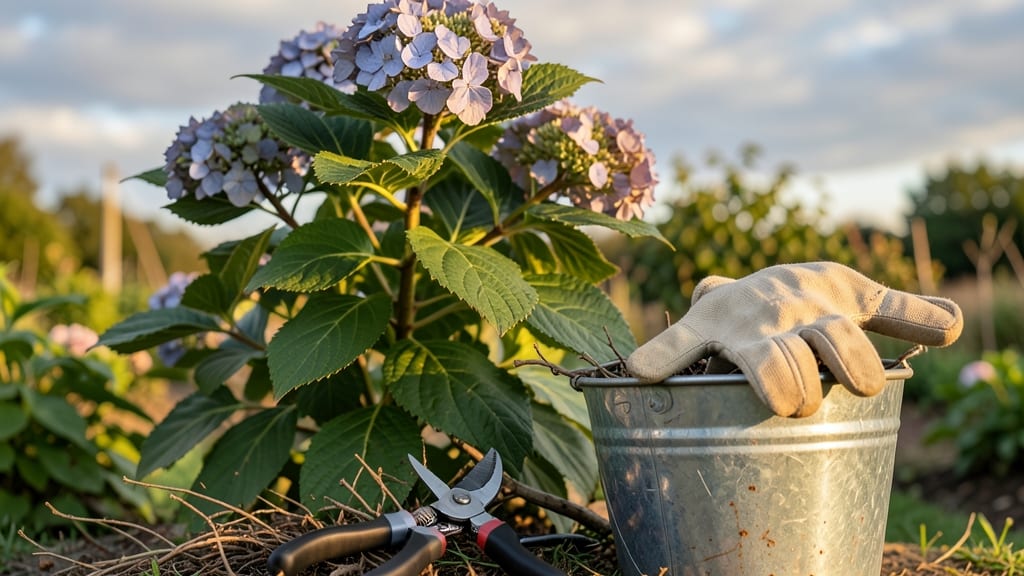
Cutting back bigleaf hydrangeas at the right time ensures vibrant spring blooms 🌸 — and doing it too early or late can leave you with bare branches.
If you’re struggling to decide when to prune your bigleaf hydrangeas for stunning spring blooms, timing is everything—and getting it wrong could mean sacrificing next year’s flowers.
The best window is late winter, just as the plant emerges from dormancy but before new growth appears. This usually falls between mid-February and early March in most of the U.S., but colder zones like 6a may need to wait until after the last frost.
In this guide, I’ll walk you through the exact steps to prune correctly, how to spot signs of poor timing, and what to do if you’ve already missed the window.
Best time to cut back big leaf hydrangeas for spring blooms
Timing your big leaf hydrangea pruning correctly is the secret to vibrant spring blooms and a healthier shrub. These beauties rely on last year’s wood for flower buds, so cutting too early or too late can mean fewer blooms next season.
The ideal window is late winter—just before new growth appears—but knowing exactly when that is can be tricky.
Most gardeners in USDA Zones 5-9 should prune between mid-February and mid-March, but the perfect moment depends on your local climate and the hydrangea’s dormancy stage. Waiting until after the last frost date ensures you’re not trimming fresh spring growth that could die in cold snaps.
For warmer climates, like Zone 10, you might delay until early March.
Here’s the golden rule: Prune when your hydrangea is still dormant but before buds swell. This means no green leaves or stems should be visible. If you see tiny buds forming or sprouts emerging, you’ve waited too long.
The goal is to remove dead wood while preserving next year’s flower buds.
If you’re unsure whether your hydrangea is ready, do the bud test: Gently squeeze a bud cluster. If it feels firm and dry, it’s safe to prune.
If you hear a crunchy snap or see green inside, wait a few weeks. This simple trick helps you avoid accidental pruning of next year’s blooms.
Another critical clue is the weather forecast. Aim to prune at least 2-3 weeks before your average last frost date. This buffer ensures your hydrangea isn’t stressed by late cold snaps after pruning.
For example, if your last frost is April 15th, prune by early April at the latest.
For mophead hydrangeas, which bloom on old wood, the stakes are even higher. These varieties rely entirely on last year’s growth for flowers, so aggressive pruning too early can leave you with bare stems and no blooms.
Lacecap hydrangeas, while also old-wood bloomers, are slightly more forgiving but still benefit from precise timing.
One common mistake is pruning in fall or early winter. Cold temperatures can stress the plant, and dormant buds are more vulnerable to freeze damage.
Additionally, wet winter conditions can make cuts heal poorly, increasing the risk of disease. Always prune in dry, mild weather for the best results.
Once you’ve nailed the timing, focus on clean cuts just above a bud or leaf node. Use sharp, sterilized pruners to make 45-degree angles about 1/4 inch above the bud.
This encourages healthier regrowth and better blooms next season. Remember, less is more—you’re not shaping a topiary, just removing dead wood and opening the center for airflow.
After pruning, give your hydrangea a light feed with a balanced fertilizer (like 10-10-10) to support new growth. Water deeply to help it recover, and mulch around the base to retain moisture.
With the right timing and care, your big leaf hydrangea will reward you with showstopping blooms all summer long.
Step-by-step guide to pruning big leaf hydrangeas correctly
Pruning big leaf hydrangeas correctly ensures vibrant blooms next season, but the process varies depending on whether you have mophead or lacecap varieties. Mopheads bloom on old wood, while lacecaps produce flowers on new wood.
Knowing this difference is key to avoiding pruning mistakes that could leave you with bare stems.
Before you grab your pruning shears, wait until late winter—typically mid-to-late February in most climates—when the plant is still dormant. This timing gives you the best chance to shape your hydrangea without accidentally cutting off next year’s flower buds or new growth.
Step-by-Step Pruning Guide
- Step 1: Wait until late winter when no buds have swollen yet. Check for dormant stems with no signs of growth.
- Step 2: Remove dead or diseased branches first. Cut them back to healthy wood using clean, sharp shears.
- Step 3: For mophead hydrangeas, cut back 1/3 of the oldest stems to the ground. This encourages new growth from the base.
- Step 4: For lacecap hydrangeas, prune lightly—only remove old wood and shape the plant. Avoid heavy cuts to preserve next year’s blooms.
- Step 5: Shape the plant by cutting back overcrowded branches to improve airflow. Aim for an open, airy structure.
- Step 6: Sterilize your tools with rubbing alcohol between cuts to prevent spreading disease.
- Step 7: Clean up debris and apply mulch around the base to protect roots as new growth begins.
Always prune on a dry, sunny day to reduce the risk of fungal infections. Avoid cutting into green buds or stems with visible swelling, as these signal new growth where next year’s flowers will form.
After pruning, monitor your hydrangea for new shoots within 2-3 weeks. Healthy growth means you’ve timed your cuts correctly! If you notice delayed blooming or weak stems later in the season, you may have pruned too late or too aggressively.
For overgrown hydrangeas, spread pruning over 2-3 years to avoid shocking the plant. Never remove more than 1/3 of the plant in a single season, or you risk stressing it beyond recovery.