
Blooming
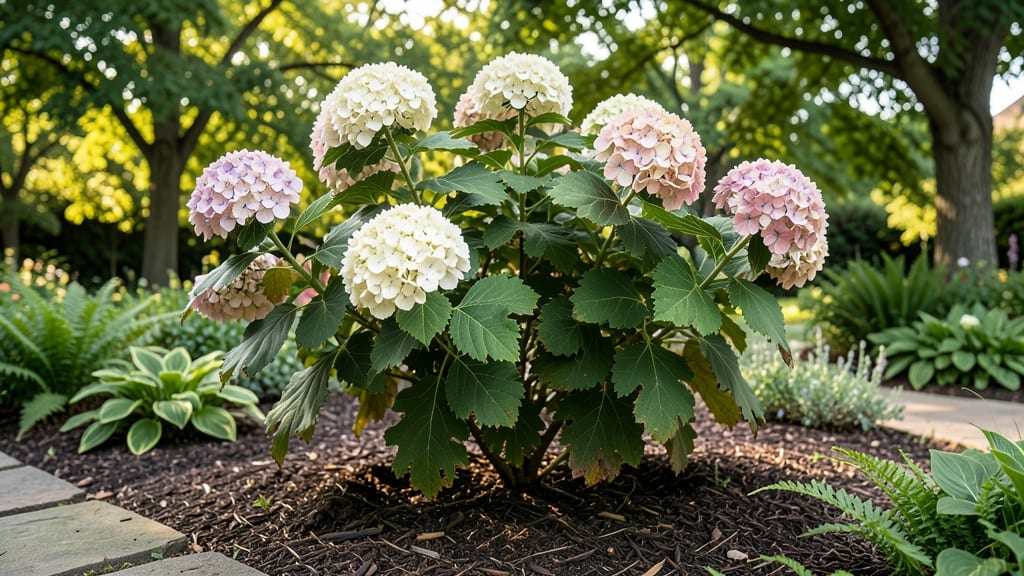
Oak leaf hydrangea blooms 🌸 are the showstopper of shade gardens, but getting them to thrive takes more than just good luck.
Picture this: your 6-foot shrub bursting with creamy white flowers in spring, only to fizzle out by summer—leaving you wondering what went wrong. The secret isn’t just water or sunlight; it’s the year-round care that keeps this plant blooming longer and looking lush.
From pruning at the right time to tweaking soil acidity, small adjustments make a huge difference. I’ve tested these tricks in Zone 6a gardens, and they’ve turned lackluster hydrangeas into the star of the landscape.
Ready to unlock those vibrant blooms? Here’s how to keep your oak leaf hydrangea looking its best from spring to frost.
How to maximize oak leaf hydrangea blooms year-round
The oak leaf hydrangea (Hydrangea quercifolia) thrives with the right care, producing show-stopping blooms from late spring through fall. Unlike other hydrangeas, this variety blooms on old and new wood, meaning you can extend its flowering season with smart techniques.
The key lies in pruning timing, soil acidity, and seasonal adjustments that keep your plant healthy and vibrant.
Many gardeners struggle with sparse blooms or leaf scorch because they don’t account for this plant’s unique needs. Oak leaf hydrangeas love morning sun and afternoon shade, but they also need acidic, well-draining soil to flourish.
By mastering these factors, you can transform your plant into a year-round blooming powerhouse that rivals commercial displays.
| Care Factor | Optimal Condition | Why It Matters |
|---|---|---|
| Pruning Time | Late winter or early spring | Preserves old wood blooms while encouraging new growth. |
| Sunlight | 4-6 hours morning sun | Prevents leaf scorch while fueling blooms. |
| Soil pH | 4.5-5.5 (acidic) | Enhances blue/purple flower tones and nutrient uptake. |
| Watering | Deep soak weekly | Encourages deep root growth and prevents wilting. |
| Fertilizer | Balanced 10-10-10 in spring | Supports both foliage and flower production. |
Start by pruning your oak leaf hydrangea in late winter while the plant is still dormant. This timing ensures you don’t accidentally remove next year’s flower buds, which form on old wood.
Use clean, sharp pruners to cut back dead or crossing branches by about one-third, focusing on shaping the plant rather than drastic cuts. This method promotes airflow and sunlight penetration, reducing disease risk while encouraging robust new growth.
Lighting plays a crucial role in bloom intensity. Oak leaf hydrangeas thrive with 4-6 hours of morning sun followed by afternoon shade. Too much direct afternoon sun can cause leaf scorch, while insufficient light leads to weak stems and fewer blooms.
If your plant is in a hot climate, consider dappled shade from trees or a lightweight shade cloth during peak afternoon hours.
Soil acidity directly impacts flower color and plant health. Test your soil’s pH using a home testing kit—oak leaf hydrangeas prefer acidic soil between 4.5 and 5.5. If your soil is too alkaline, amend it with sulfur or peat moss to lower the pH gradually.
Acidic soil also enhances the vibrant blue or purple hues of the blooms, making them stand out in your garden.
Watering is another critical factor for year-round blooming. These hydrangeas need consistent moisture, especially during their active growing season (spring to fall). Water deeply once a week, ensuring the soil is moist but not waterlogged.
Mulch around the base with organic matter like pine straw to retain moisture and regulate soil temperature. Avoid overhead watering to prevent fungal diseases that can weaken the plant.
Seasonal care adjustments can extend your blooming season. In early spring, apply a balanced fertilizer (10-10-10) to encourage new growth and blooms. During summer, reduce fertilization but continue watering consistently.
As fall approaches, taper off watering slightly to prepare the plant for dormancy. In winter, protect young plants with a light mulch layer to shield roots from freezing temperatures.
To troubleshoot sparse blooms, check for nutrient deficiencies or over-pruning. If your plant isn’t flowering as expected, it may need a light feeding in early summer to support new blooms. Additionally, ensure your hydrangea isn’t overcrowded—competition for nutrients can stunt growth.
If you notice yellowing leaves, it could indicate iron deficiency, which can be corrected with an iron supplement or chelated iron fertilizer.
One of the most rewarding aspects of caring for oak leaf hydrangeas is their versatility in the landscape. Their lobed leaves resemble oak foliage, adding texture and interest even when not in bloom.
Pair them with complementary perennials like azaleas or ferns to create a lush, layered garden display. With the right care, your oak leaf hydrangea can become the star of your garden, blooming beautifully from spring to frost.
Remember, patience is key—oak leaf hydrangeas can take 2-3 years to reach their full blooming potential. By following these science-backed techniques, you’ll unlock the secrets to year-round color and vibrant blooms that will be the envy of your neighborhood. Happy gardening!
Best pruning methods for oak leaf hydrangeas to boost blooms
Pruning your oak leaf hydrangea at the right time can transform a sparse shrub into a bloom-filled beauty. Unlike some hydrangeas, oak leaf varieties bloom on old and new wood, so timing matters.
A single wrong cut can rob you of next year’s showstopping flowers—or worse, leave your plant looking leggy and overgrown.
I’ve pruned dozens of oak leaf hydrangeas, and the difference between late winter cuts and summer pruning is night and day. The key? Understanding when to encourage new growth versus preserving last year’s flower buds.
Let’s break down the best approaches to maximize those lush, long-lasting blooms without sacrificing future seasons.
⚠️ CRITICAL NOTE: Oak leaf hydrangeas are semi-evergreen in warmer climates. If your plant keeps its leaves year-round, prune after flowering to avoid cutting off next year’s buds hidden in the foliage.
If your oak leaf hydrangea looks overgrown and sparse, a rejuvenation prune in early spring might be the answer. Cut back one-third of the oldest stems to the ground—this sounds drastic, but it forces the plant to redirect energy into new, vigorous growth.
You’ll sacrifice this year’s blooms, but next season’s display will be bigger and fuller than ever.
For summer pruning, focus on shaping and removing spent blooms or overcrowded branches. Always cut just above a leaf node or bud to encourage new growth. Avoid heavy pruning in summer unless your plant is truly unruly—you risk stunting next year’s buds.
Pro tip: Use sterilized pruners and make cuts at a 45-degree angle about 1/4 inch above a bud. This simple technique reduces disease risk and promotes faster healing.
With the right pruning rhythm, your oak leaf hydrangea will reward you with year-round interest—from spring blooms to fall foliage.
Remember, oak leaf hydrangeas are low-maintenance champions, but they do reward intentional pruning. Start with dormant-season cuts, then adjust based on how your plant responds. Soon, you’ll have a bloom-filled shrub that’s the envy of the neighborhood! 🌸