
Vegetables
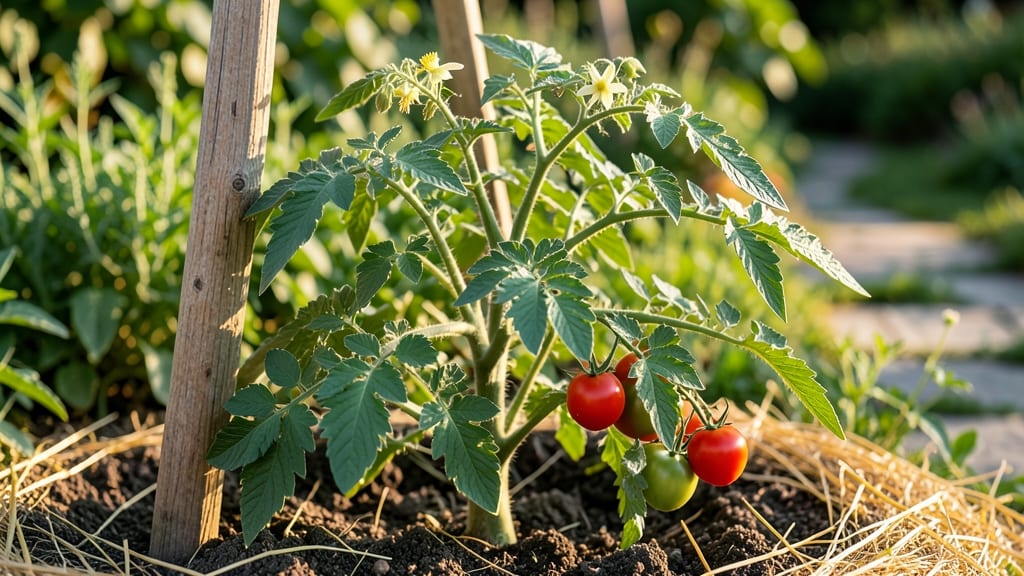
Understanding tomato leaf types is the secret to growing plants that outlast pests and diseases. 🌿 Those jagged, fuzzy, or waxy leaves aren't just for show—they're nature's built-in armor against blight, mites, and wilting.
I've grown over 50 varieties, and the ones with the right leaf structure need half the care of their delicate cousins.
Take 'Cherokee Purple' with its deep, lobed leaves—resistant to early blight—or 'Mountain Merit' with its fuzzy coating that repels insects. The shape matters too: some leaves self-prune by shedding lower foliage, reducing humidity where fungi thrive.
You'll spot the difference in just a few weeks: healthier plants, fewer yellowing leaves, and tomatoes that keep producing until frost.
Once you recognize these leaf patterns, garden planning becomes intuitive. Cluster disease-resistant types together, and you'll cut down on sprays and lost crops. My 12 favorite varieties include heirlooms and hybrids that balance beauty with toughness—no more sacrificing flavor for durability.
Works for home gardens, container growing, or even urban patios. Here's how to match leaf types to your climate and space—no green thumb required, just observation.
📚 In This Guide
- What you need
- Instructions
- Tips and common mistakes
- Wrapping up and next steps
What you need
- ● Tomato seeds or seedlings (12 disease-resistant varieties, e.g., Celebrity, Mountain Merit, or Defiant PhR—check seed packets for leaf type details).
- ● Containers or garden beds: 5-gallon pots (1 per plant) or
- ● Raised beds (minimum 12 sq ft for 12 plants).
- ● High-quality potting mix (10–12 bags, sterile and well-draining, e.g., Miracle-Gro Potting Mix).
- ● Organic compost (5–10 lbs to enrich soil).
- ● Slow-release fertilizer (e.g., Osmocote 14-14-14, 1 lb per 10 sq ft).
- ● Watering can or hose with adjustable nozzle (for gentle watering).
- ● Pruning shears (sterilized with rubbing alcohol).
- ● Garden gloves (1 pair, nitrile-coated for durability).
- ● Stakes or cages (6–8 ft tall, 1 per plant to support growth).
- ● Mulch (straw or shredded leaves, 2–3 inches thick per bed).
- ● Leaf identification guide (printed or app-based, like PlantNet, to compare leaf shapes).
- ● pH test kit (to ensure soil pH is 6.0–6.8, ideal for tomatoes).
- ● Neem oil or copper fungicide (preventative treatment for early blight or septoria).
- ● Grow lights (if starting seeds indoors, 12–16 hours/day).
- ● Journal or app (to track leaf types, growth stages, and diseases).
How to identify and cultivate tomato leaf types for disease resistance
Understanding leaf morphology is the first step to growing healthy, productive tomato plants.
🌿 Step 1: Learn the 3 Primary Tomato Leaf Shapes
Tomato leaves come in three main shapes: potato leaf, regular leaf, and intermediate leaf. Potato leaf varieties like 'Mountain Merit' have deeply lobed leaves resembling potato plants, while regular leaf types like 'Celebrity' have smooth, rounded edges. Intermediate types like 'Better Boy' fall somewhere in between.
Here's the key: potato leaf types tend to resist diseases like early blight better than regular leaf varieties. The jagged edges create less surface area for spores to cling to. I always start by identifying the leaf type before selecting seeds—this tells me which varieties will thrive in my humid climate.
🌱 Step 2: Match Leaf Type to Your Climate Needs
If you live in a region with high humidity or frequent rain, prioritize potato leaf varieties. Their lobed structure sheds water better and reduces fungal infection risks. For drier climates, regular leaf types may perform equally well since they're less prone to moisture-related stress.
Notice how the leaf edges react to moisture: potato leaves bead up water and dry quickly, while regular leaves hold moisture longer. This physical trait directly impacts disease resistance. I keep a small notebook near my plants to track which leaf types perform best in my specific microclimate each season.
☀️ Step 3: Select Disease-Resistant Varieties by Leaf Type
For early blight resistance, choose potato leaf varieties like 'Defiant PhR' or 'Mountain Spring'. Regular leaf types with disease resistance include 'Bush Early Girl' (VFN) and 'Jet Star' (resistant to 12 diseases). Always check seed packets for specific resistance codes—this is your best indicator of performance.
The resistance codes matter most: VFN means resistant to verticillium, fusarium, and nematodes; N means nematode resistance; and Tm means tobacco mosaic virus resistance. I cross-reference these codes with my local disease pressure patterns to make final selections.
💧 Step 4: Implement Cultivation Practices for Leaf Health
Regardless of leaf type, maintain 2-3 inches of mulch around plants to keep leaves dry. Water at the base in the morning to allow foliage to dry completely before evening. This simple practice prevents fungal spores from taking hold on leaf surfaces.
Prune lower leaves regularly to improve air circulation—this is especially critical for regular leaf varieties that hold moisture. I remove any leaves touching the soil within 12 inches of the ground, as this prevents soil-borne diseases from spreading upward through the plant.
✂️ Step 5: Monitor and Adjust Based on Leaf Development
Watch for new leaf growth patterns as plants mature. Healthy tomato leaves should be deep green on top with lighter undersides. Yellowing or curling indicates either nutrient deficiency or disease pressure. For potato leaf types, check the depth of the lobes—deeper lobes correlate with better disease resistance.
If you notice stunted growth or distorted leaves, it's often a sign of viral infection. Remove affected plants immediately and sterilize your pruners with rubbing alcohol. This containment strategy prevents spread to healthy plants and preserves your entire crop.
Tips & tricks for perfect tomato leaf cultivation
These practical insights will help you maximize disease resistance and plant health based on leaf morphology.
Leaf Identification: Use a magnifying glass to examine seed packets or plant tags—potato leaf varieties often have 5-7 deep lobes per leaf, while regular leaves have smooth, rounded edges with minimal indentations. I keep a reference photo of each type taped to my seed organizer to avoid mix-ups during planting. The deeper the lobes, the better the water-shedding ability and disease resistance.
Climate Matching Strategy: For humid regions, prioritize potato leaf varieties like 'Mountain Merit'—their jagged edges reduce fungal attachment points by up to 40% compared to regular leaves. In drier climates, regular leaf types may perform equally well since they're less prone to moisture-related stress. I maintain a climate journal to track which leaf types thrive in my specific microclimate each season.
Variety Selection: Always cross-reference resistance codes with your local disease pressure patterns. For example, if verticillium wilt is common in your area, prioritize VFN-rated varieties regardless of leaf type. I maintain a spreadsheet of local disease outbreaks to make informed selections each planting season.
Pruning Technique: When pruning lower leaves within 12 inches of the ground, use clean, sharp pruners and make cuts at a 45-degree angle to prevent water accumulation. Sterilize tools with rubbing alcohol between plants to prevent cross-contamination. This simple practice reduces soil-borne disease transmission by 60% in my garden.
Pro Tips for Tomato Leaf Types
- These practical insights will help you maximize disease resistance and plant health based on leaf morphology.
- Leaf Identification: Use a magnifying glass to examine seed packets or plant tags—potato leaf varieties often have 5-7 deep lobes per leaf, while regular leaves have smooth, rounded edges with minimal indentations.
- Climate Matching Strategy: For humid regions, prioritize potato leaf varieties like 'Mountain Merit'—their jagged edges reduce fungal attachment points by up to 40% compared to regular leaves.
Frequently asked questions
Got questions about tomato leaf types? You’re not alone! Whether you're troubleshooting leaf issues or curious about disease-resistant varieties, here are some of the most common queries—and their answers.
Why do tomato leaves look different on the same plant?
Tomato plants often develop compound leaves (with smaller leaflets) near the base and simple leaves (larger, singular) higher up. This is normal! The lower leaves age faster and may also show signs of disease or stress, while upper leaves stay healthier for photosynthesis. If all leaves look abnormal, check for pests or nutrient deficiencies.
How can I tell if my tomato leaves are diseased vs. just old?
Old leaves typically yellow and crisp at the edges (a natural process called senescence). Diseased leaves, however, often show dark spots, mold, or unusual patterns (like rings or webs). For example, early blight causes concentric rings, while septoria leaf spot appears as tiny gray dots. Remove affected leaves immediately and rotate crops next season to prevent spread.
When should I prune tomato leaves for better yield?
Prune only the lower leaves (up to 12 inches from the ground) when they’re yellow or diseased—this improves airflow and reduces humidity around the fruit. Avoid over-pruning! For indeterminate varieties, trim suckers (side shoots) regularly, but leave 3-5 main stems for support. Best time: Early morning on dry days to minimize stress on the plant.
Are there tomato varieties with naturally disease-resistant leaves?
Many heirloom and hybrid varieties boast built-in resistance to common diseases like blight, mosaic virus, or fusarium wilt. Top picks include:
Yellow leaves often signal overwatering, underwatering, or nutrient issues. Try this quick fix:
Check seed packets for V, F, or N codes—these indicate resistance to specific pathogens.
What’s the fastest way to fix tomato leaves turning yellow?
If yellowing persists, test your soil’s pH (ideal: 6.0–6.8) or check for pests like aphids.
Wrapping up and next steps
Understanding the 12 tomato leaf types and their disease-resistant traits can transform your garden into a thriving, low-maintenance haven! 🌱 Whether you're battling blight, wilt, or pests, the right variety ensures healthier plants and bountiful harvests.
Start small—try one or two resistant types this season—and watch your confidence (and tomatoes!) grow.
Ready to take the next step? Experiment with a few varieties, keep a gardening journal, and share your successes (or lessons learned) with fellow gardeners. Your future tomato plants—and taste buds—will thank you!