
Pests and Diseases
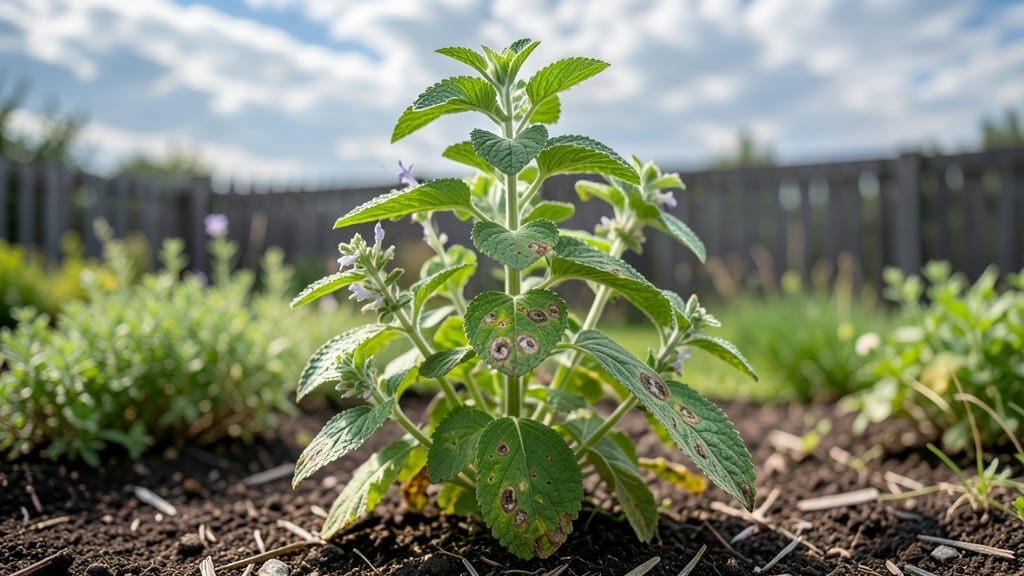
Your lemon balm leaves shouldn’t look like a fungal crime scene. 🌿 Septoria leaf spot turns vibrant foliage into a sad, spotted mess—but I’ve got the preventive copper spray protocol that stops it before it starts, even in organic gardens.
The dark spots with yellow halos? That’s Septoria’s calling card. It thrives in damp conditions, and once it takes hold, even organic treatments struggle to reverse the damage. But copper spray—applied at the first sign of trouble—creates a protective shield that keeps the fungus from getting a foothold.
You’ll see new growth emerge clean and disease-free within weeks, and the plants will stay productive for harvesting. The key is early action: copper spray every 7-14 days during wet seasons, paired with proper spacing and sanitation to break the fungal cycle.
Yes, you can still harvest infected leaves—but only for tea or compost. The real win? A garden where lemon balm thrives instead of fights for its life. Let’s keep those leaves lush and spot-free.
Root Causes Of Fungal Spread
Septoria leaf spot, caused by the fungus Septoria spp., thrives in conditions that weaken lemon balm’s natural defenses. Understanding the specific triggers behind its spread helps gardeners take proactive steps. Below, we break down the key factors that turn your lemon balm into a fungal buffet.
Fungal spores love humidity—think of them as tiny, water-dependent invaders. When lemon balm leaves stay damp for prolonged periods, spores germinate and infect the plant. Here’s why it’s a problem:
- Overnight dew: Lemon balm’s broad leaves trap moisture, creating a perfect breeding ground for Septoria. If dew lingers until mid-morning, fungal growth accelerates.
- Overhead watering: Splashing water onto foliage (especially in the evening) spreads spores from infected leaves to healthy ones, like a fungal game of telephone.
- Crowded plants: Poor airflow between stems stifles evaporation, keeping leaves damp. A dense lemon balm patch acts like a green sauna for fungi.
Actionable fix: Space plants 12–18 inches apart, water at the base before 10 AM, and prune to improve airflow. 🌬️
Lemon balm under stress is like a person with a compromised immune system—Septoria spots it from a mile away. Common stressors include:
| Stressor | Why It Matters |
|---|---|
| Nutrient deficiencies (e.g., nitrogen or magnesium) | Yellowing leaves (chlorosis) signal poor health, making plants highly susceptible to fungal invasion. |
| Physical damage (pruning wounds, hail, pests) | Open wounds act as entry points for spores, bypassing the plant’s natural barriers. |
| Heat or drought stress | Wilting leaves crack under extreme conditions, creating micro-tears where fungi can latch on. |
Actionable fix: Conduct a soil test, fertilize with balanced organic matter (like compost tea), and avoid over-pruning. 🌿💧
Septoria isn’t picky—it just needs the right weather cocktail. These conditions create the perfect storm:
- Warm, humid nights (60–75°F): Spores germinate fastest in this temperature range, especially with high humidity (>75%).
- Frequent rain or irrigation: Each downpour washes spores onto leaves, while consistent moisture keeps them active.
- Slow-drying foliage: Plants in shaded or low-light areas dry slower, extending the fungal “party” on leaves.
Actionable fix: Monitor weather forecasts and adjust watering schedules. If rain is forecasted, apply a preventive copper spray (more on this later!). ☔🌡️
Fungal spores are sneaky survivors. They hitch rides on:
- Pruners, shears, or gloves used on infected plants, then moved to healthy ones.
- Compost or mulch containing old, diseased plant debris.
- Infected plant debris left in the soil over winter, acting as a spore reservoir.
Actionable fix: Sterilize tools with 70% isopropyl alcohol, remove all debris after pruning, and avoid composting infected leaves. 🧼✂️
While lemon balm is hardy, it’s not immune. Septoria targets plants with:
- Thick, soft foliage: Lemon balm’s broad leaves provide ample surface area for spores to colonize.
- Fast growth cycles: Rapid new growth can outpace the plant’s ability to harden against fungal pressure.
- Genetic predisposition: Some lemon balm cultivars are more resistant, but none are fully immune.
Actionable fix: Choose resistant varieties (like ‘Lemon Mint’ hybrids) and rotate crops annually to starve out soil-borne spores. 🌱🔄
How to Treat & Prevent Fungal Spots
Fungal leaf spots like Septoria can turn your lemon balm into a sad, spotted mess—but don’t worry! With the right copper-based defense strategy and smart prevention, you can keep your plants thriving. Below, we’ll break down cause-specific fixes and long-term protection to stop the spread before it starts.
Cause: Fungal spores spread when infected leaves stay on the plant. Fix:
- Snip and toss leaves with dark spots (at least ½ inch beyond the spot to catch hidden spores).
- Avoid composting—dispose of them in the trash or burn them (if safe).
- Wear gloves to prevent spreading spores to other plants.
💡 Pro Tip: Do this in the early morning when humidity is lower, reducing spore dispersal.
Cause: Septoria thrives in moist conditions—copper disrupts its life cycle. Fix:
- Choose a copper-based spray (e.g., copper sulfate, copper hydroxide, or Bordeaux mixture).
- Mix as directed (usually 1–2 tbsp per gallon of water).
- Spray thoroughly—focus on undersides of leaves (where spores hide) and stems.
- Reapply every 7–14 days or after rain (copper washes off).
✨ Prevention Boost: Add 1 tsp baking soda + a few drops of dish soap to your copper mix for extra antifungal power.
Cause: Stagnant air and wet foliage create fungal paradise. Fix:
- Space plants 12–18 inches apart for better airflow.
- Water at the base (not overhead) in the early morning so leaves dry fast.
- Avoid mulching too close to stems—keep it 2–3 inches away.
🌡️ Heat Hack: If your climate is humid, prune for sunlight—dry, sunny leaves resist fungi better.
Cause: Overuse or skipping treatments lets fungi adapt. Fix:
- Start spraying at first sign of spots (don’t wait!).
- Alternate with neem oil (1 tbsp per quart of water) every other week to avoid resistance.
- Stop spraying 2 weeks before harvest (copper residue isn’t food-safe).
🎯 Targeted Tip: If spots appear only on lower leaves, focus treatments there first.
| Action | Why It Works |
|---|---|
| Crop rotation | Prevents soil-borne spores from rebuilding. |
| Sterilize tools | Clean pruners with rubbing alcohol between plants. |
| Choose resistant varieties | Some lemon balm hybrids tolerate fungi better. |
| Test soil pH (6.0–7.0) | Slightly acidic soil weakens fungal growth. |
Final Reminder: Consistency is key! One treatment won’t fix it—stay vigilant with copper, airflow, and cleanliness. Your lemon balm will bounce back stronger (and spot-free!) with this plan. 🌿💪
Frequently asked questions about lemon balm leaf spot issues
Can I still use lemon balm leaves for tea if they have Septoria spots?
Yes, but with caution. Lightly infected leaves can still be used for tea, but remove all visibly spotted leaves first. The spots themselves aren't toxic, but the fungal presence may affect flavor. For medicinal use, avoid heavily infected plants entirely. Always harvest from the top growth where leaves are typically healthier.
How often should I apply copper spray for prevention?
Apply copper spray every 10-14 days during humid seasons or after heavy rain. For active outbreaks, increase to weekly applications. Always follow product instructions for concentration. Remember to spray in the early morning so leaves dry quickly, reducing fungal growth conditions.
Will Septoria leaf spot kill my lemon balm plants?
While unsightly, Septoria rarely kills lemon balm outright. The fungus weakens plants over time, reducing vigor and harvest quality. With proper copper treatments and cultural practices (like spacing and airflow), your plants should recover and remain productive. Severe cases may require removing heavily infected plants to protect the rest of your garden.
Can I use neem oil instead of copper spray?
Neem oil works well as a preventive measure but isn't as effective as copper for active Septoria infections. For best results, alternate between copper spray (for treatment) and neem oil (for prevention). Mix 1 tablespoon neem oil per quart of water with a drop of dish soap as an emulsifier. Apply every 7-10 days during high-risk periods.
What's the best time of year to treat Septoria leaf spot?
Start treatments in early spring before new growth begins, and continue through fall until the first frost. Focus on late summer when humidity peaks and fungal pressure is highest. In warm climates, year-round prevention may be needed. Always monitor your plants weekly during growing season for early signs of infection.