
Diseases
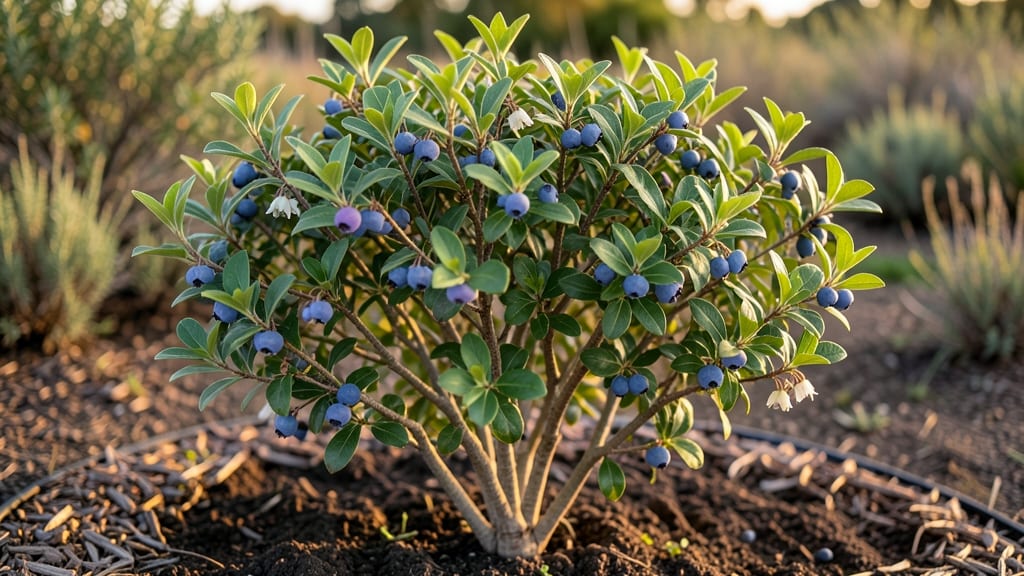
Blueberry leaf identification early can mean the difference between a thriving bush and a total loss this season.
Struggling to tell healthy blueberry leaves from those infected by fungal diseases? Early identification can save your entire harvest—here’s how to spot the warning signs before they ruin your bushes.
Fungal diseases like powdery mildew or leaf spot often start with tiny, almost invisible specks. By the time you see yellowing or curling, it’s already too late to stop the spread.
In this guide, I’ll walk you through the key visual clues—from discoloration patterns to texture changes—and show you how to confirm what’s wrong so you can act fast.
How to identify common blueberry leaf diseases by visual symptoms
Blueberry bushes are a gardener’s dream—until fungal diseases creep in and turn those vibrant leaves into a yellowing, spotted mess. The key to saving your blueberry harvest is catching these issues early, and that starts with knowing what to look for on your blueberry leaves.
I’ve spent years studying these patterns, and I’ll break down the visual clues that distinguish the most common fungal diseases.
Fungal diseases thrive in humid conditions and often appear when your blueberries are already stressed from overwatering, poor airflow, or nutrient deficiencies. The good news? Each disease leaves a unique signature on the leaves, from dark spots to mummified berries.
By learning these visual symptoms, you can act fast—whether that means pruning infected branches, adjusting your watering schedule, or applying fungicidal sprays.
Below, I’ve created a comparison table of the three most destructive fungal diseases affecting blueberry leaves: mummy berry, anthracnose, and leaf spot. Each has distinct leaf patterns, color changes, and seasonal timing that will help you diagnose the problem before it spreads.
| Disease | Leaf Symptoms | Berries/Fruit | Seasonal Timing | Key Clues |
|---|---|---|---|---|
| Mummy Berry | Grayish-brown, velvety spots on upper leaf surface; leaf curling | Mummified berries (dried, shriveled) | Early spring (March-April) | Spots appear before flowering; berries turn to gray "mummies" by summer |
| Anthracnose | Dark purple-brown spots with yellow halos; leaves crinkle and drop | Berries develop sunken, cracked lesions | Late spring to summer (May-July) | Spots expand rapidly in wet weather; leaves wilt prematurely |
| Leaf Spot | Small, circular spots (reddish-brown) with white centers; scattered randomly | Berries remain unaffected (disease stays on leaves) | Summer (June-August) | Spots don’t merge; leaves yellow and fall if severe |
Now that you’ve seen the visual differences, let’s dive deeper into how to confirm your diagnosis. Start by examining the leaf undersides—many fungal spores hide there, often appearing as powdery or fuzzy growth.
For mummy berry, check for gray, cottony masses on fallen leaves or buds, as this fungus overwinters in plant debris.
If you spot anthracnose, look for dark, sunken lesions on both leaves and berries.
This disease thrives in wet, humid conditions, so if your blueberry patch has poor drainage or overhead watering, that’s likely the culprit. Leaf spot, on the other hand, is more about air circulation—if your bushes are crowded or pruned improperly, you’ll see more of these random spots.
Timing is everything when it comes to fungal diseases. Mummy berry strikes early, often before flowers even appear, while anthracnose peaks during berry development. Leaf spot usually shows up mid-summer, when temperatures are high and humidity climbs. Knowing when to look helps you prevent future outbreaks.
Here’s a quick seasonal checklist to stay ahead:
- Spring (March-April): Watch for mummy berry on buds and young leaves.
- Late Spring (May-June): Inspect for anthracnose as berries form.
- Summer (July-August): Monitor for leaf spot during heatwaves.
Once you’ve identified the disease, act fast. For mummy berry, remove and destroy all mummified berries to break the cycle. Anthracnose responds well to copper fungicides applied at the first sign of spots.
And for leaf spot, improve airflow by pruning dense branches and watering at the base instead of overhead.
Don’t let fungal diseases steal your blueberry harvest—early detection is your best defense. Grab a magnifying glass, check your leaves regularly, and act at the first sign of trouble. Your bushes—and your blueberry pancakes—will thank
Step-by-step guide to confirming fungal infections in blueberry leaves
When you spot suspicious spots or discoloration on your blueberry leaves, it’s crucial to confirm whether you’re dealing with a fungal infection or just environmental stress. Misdiagnosing can lead to wasted treatments or missed opportunities to save your bushes.
I’ll walk you through a simple, science-backed process to verify fungal infections with just a few tools and careful observation.
Start by gathering a few affected leaves from different parts of the bush—this ensures you’re not missing localized issues. Use clean scissors or pruners to avoid spreading spores. Place them in a paper bag (not plastic) to prevent moisture buildup, which can accelerate decay.
Now, let’s move to the diagnostic steps that will give you clarity in minutes.
Flip leaves over and look for fuzzy growths, dark spots, or powdery coatings. Fungal spores often appear as white, gray, or black powder on the undersides.
Press a finger into the soil near infected leaves. If it feels damp or soggy, excess moisture is likely fueling fungal growth. Healthy soil should be crumbly but moist.
Fungal spots often have concentric rings or halos. Compare with environmental damage (like sun scorch), which usually appears as dry, crispy edges without defined borders.
Place infected leaves in a sealed bag with a damp paper towel for 24 hours. If white or black mold growth appears, it confirms fungal activity.
Hold a diseased leaf next to a healthy one. Look for texture changes (e.g., leathery or brittle) or color shifts (yellowing, browning, or purple tinges).
If your leaves test positive for fungal activity, act fast. Remove all infected foliage and dispose of it in the trash—not your compost—since fungi can survive decomposition. Next, focus on improving air circulation around your bushes by pruning overcrowded branches and avoiding overhead watering, which spreads spores like wildfire.
For persistent infections, consider applying a copper fungicide or baking soda spray (1 tsp baking soda + 1 quart water + a drop of dish soap) every 7–10 days until symptoms fade. Always treat in the early morning so leaves dry quickly—a damp leaf is a fungal magnet.
Remember, early detection is your best defense. The sooner you confirm and treat fungal issues, the more you protect your blueberry harvest and the health of your entire bush. With these steps, you’ll become a fungal-spot detective in no time! 🌱