
Leaf Blower
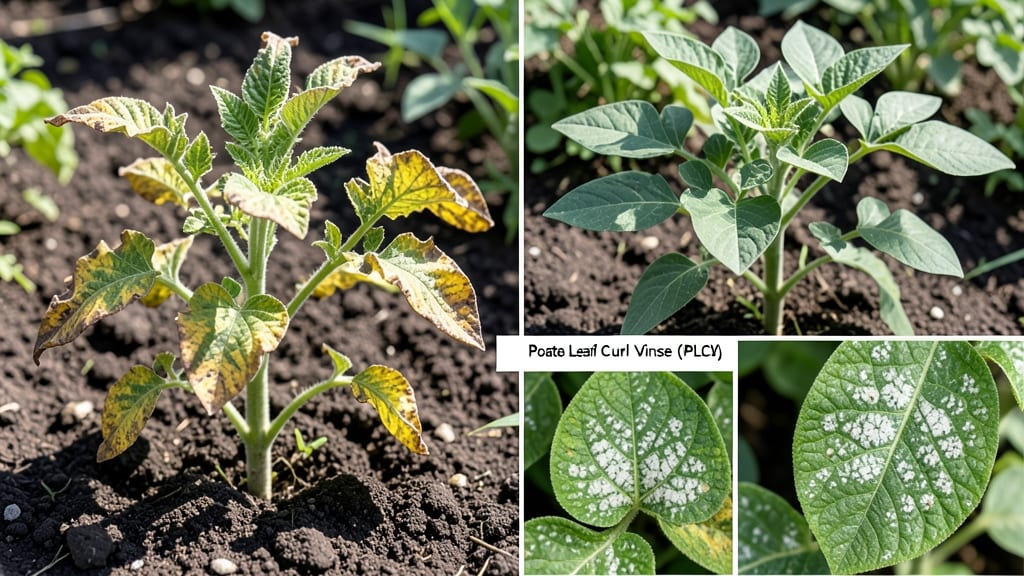
Spotting potato leaf curl virus early means saving your entire harvest before the leaves pucker and yellow like old newspaper. 🌱 I’ve seen this stubborn virus turn lush potato plants into stunted, curled messes—until I learned the telltale signs: tiny crinkled leaves, upward-rolling edges, and stunted growth that looks like someone pinched the stems.
The worst part? It spreads faster than weeds in a spring rain. This virus doesn’t just attack potatoes—it targets tomatoes, peppers, and even some flowers. Aphids carry it like tiny disease couriers, and once it’s in your garden, it’s nearly impossible to eradicate.
But here’s the good news: prevention works. Resistant varieties, smart crop rotation, and keeping aphids in check can stop it before it starts.
By the end of this guide, you’ll know exactly what to look for, how to treat infected plants (yes, you can save some), and the foolproof steps to keep your garden virus-free next season. No more mystery wilting—just healthy, thriving plants.
Whether you’re growing in raised beds or in-ground rows, these strategies adapt easily. Let’s get your garden back on track—before the aphids throw another party.
Root Causes Of Viral Spread
Understanding why potato leaf curl virus (PLCV) takes hold in gardens starts with recognizing its sneaky entry points and survival strategies. This aphid-transmitted geminivirus thrives due to a mix of environmental factors, human habits, and plant vulnerabilities. Let’s break down the key culprits:
PLCV doesn’t spread on its own—it hitches a ride on aphids, tiny sap-sucking insects that flit between plants like uninvited guests at a buffet. Here’s how they fuel the problem:
- Viral Vector Role: Aphids in the Aphis gossypii or Myzus persicae species are the primary carriers.
When they feed on an infected plant, they pick up the virus particles and transmit them to healthy plants within minutes of landing. - Exponential Spread: A single aphid can infect dozens of plants in a day.
Winged aphids (alates) migrate long distances, turning localized outbreaks into regional epidemics. - Nymphs vs. Adults: Even young aphids (nymphs) can transmit PLCV, making early infestations especially dangerous. They don’t need to be full-grown to spread the virus.
Pro Tip: 🔥 Monitor aphid populations closely during warm, dry spells—they thrive in these conditions and multiply rapidly.
Not all plants are equally susceptible to PLCV. Stressed or genetically vulnerable potatoes and their relatives (like tomatoes and peppers) become high-risk targets. Key triggers include:
| Stress Factor | Why It Matters | How to Mitigate |
|---|---|---|
| Nutrient Deficiencies | Lack of nitrogen, phosphorus, or potassium weakens cell walls, making viruses easier to invade. | Soil test annually; use balanced fertilizer. |
| Overcrowding | Poor air circulation traps humidity, creating ideal conditions for aphids and fungal secondary infections. | Space plants 18–24 inches apart; prune foliage. |
| Drought or Flooding | Extreme moisture stress disrupts plant defenses, while waterlogged roots invite pests. | Mulch to retain moisture; improve drainage. |
| Mechanical Damage | Wounds from hail, tools, or herbivores create entry points for aphids and viruses. | Use row covers; avoid rough handling. |
Pro Tip: 🌡️ Healthy plants resist infections better—rotate crops annually to deplete virus reservoirs in the soil.
PLCV spreads faster in warm, dry weather because:
- Aphids reproduce 2–3x quicker when temperatures hover between 70–85°F (21–29°C).
- Longer growing seasons give the virus more time to cycle through plants.
- Low humidity reduces natural predators (like ladybugs), letting aphid populations explode.
Regional Risk Zones:
- Southern U.S. and desert climates: Highest PLCV pressure due to year-round aphid activity.
- Northern gardens: Outbreaks spike in late summer when aphids migrate north.
Pro Tip: ✨ Use reflective mulch (e.g., aluminum foil) to deter aphids—it confuses their flight patterns.
Even the most vigilant gardener can accidentally introduce PLCV through:
- Dirty Pruners/Shovels: Sap from infected plants on tools can transfer viruses to healthy ones.
- Infested Transplants: Nursery-bought seedlings may already be infected (symptoms take 2–4 weeks to appear).
- Shared Equipment: Renting tillers, trellises, or greenhouses without disinfection spreads the virus.
Action Step: ⏰ Sanitize tools with 70% isopropyl alcohol between uses, and inspect seedlings for curling leaves before planting.
PLCV can overwinter in:
- Weeds like pigweed or lambsquarters (common aphid hosts).
- Unharvested potato tubers left in the soil (viruses persist in plant debris for years).
- Perennial solanaceous weeds (e.g., nightshade) that aphids feed on year-round.
Pro Tip: 🎯 Pull weeds aggressively in fall—this starves aphids and reduces virus reservoirs.
How to Treat and Prevent Crop Damage
When potato leaf curl virus strikes, your garden’s health depends on swift, targeted action. Below are practical solutions tailored to the root causes—whether it’s infected plants, pests, or poor hygiene—plus prevention tips to keep your crops thriving.
Cause: Infected plants spread the virus through sap and aphids. Fix:
- 🔥 Pull and destroy any plants showing curled leaves, stunted growth, or yellowing. Do not compost them—bag and discard to prevent reinfection.
- 🍳 Sanitize tools after pruning with a 10% bleach solution (1 part bleach to 9 parts water) or rubbing alcohol.
- 👨🍳 Quarantine new plants for 2–4 weeks before introducing them to your garden.
Pro Tip: 💡 Check neighboring plants weekly. Early removal stops the virus from spreading via aphids.
Cause: Aphids transmit the virus while feeding. Fix:
- 🌡️ Blast off aphids with a strong spray of water (early morning works best).
- 🎯 Use insecticidal soap (spinosad or neem oil) for organic control. Reapply every 3–5 days.
- ✨ Introduce predators: Ladybugs, lacewings, or parasitic wasps (like Aphidius colemani) hunt aphids naturally.
- 🚫 Avoid broad-spectrum pesticides—they kill beneficial insects that keep aphids in check.
Pro Tip: 🔥 Cover young plants with floating row covers to block aphids entirely.
Cause: Contaminated tools or soil harbor the virus. Fix:
- 🔪 Clean pruners, shovels, and gloves between uses with bleach or alcohol.
- 🥘 Solarize infected soil: Cover moist soil with clear plastic for 4–6 weeks in hot sun to kill pathogens.
- 🌱 Rotate crops—never plant potatoes or related nightshades (tomatoes, peppers) in the same spot two years in a row.
Pro Tip: 🌡️ Test soil pH (aim for 5.8–6.5). Healthy soil supports plants’ natural defenses.
Cause: Weak plants are more susceptible to viruses. Fix:
- 💪 Plant resistant varieties like ‘Red LaSoda’ or ‘Yukon Gold’ (check local agricultural extensions for region-specific strains).
- 🥗 Boost nutrition: Side-dress with compost or a balanced fertilizer (10-10-10) to promote vigor.
- 🍎 Water deeply at the base (avoid overhead watering) to reduce aphid attraction.
Pro Tip: 🎯 Mulch heavily with straw or grass clippings to retain moisture and deter pests.
Prevention Checklist for Next Season: ✅ Buy certified disease-free seeds/potatoes from reputable suppliers. ✅ Monitor aphids weekly—early action prevents outbreaks. ✅ Keep weeds down—they harbor aphids and viruses. ✅ Rotate crops and avoid planting susceptible plants consecutively.
By combining removal, pest control, hygiene, and plant care, you can minimize damage and protect your garden’s future harvests. 🚜🌿
Frequently asked questions
What are the first signs of potato leaf curl virus in my garden?
Look for tiny, upward-rolling leaves that resemble crumpled paper, followed by yellowing veins between leaf edges. Infected plants may also show stunted growth and reduced flowering. Check both potato plants and nearby tomatoes/peppers—the virus attacks all nightshade family crops.
Can I save infected potato plants once the virus appears?
Unfortunately, no—there's no cure for potato leaf curl virus. Remove infected plants immediately to prevent spread. For nearby healthy plants, focus on aphid control and strengthening their defenses with proper care. The virus spreads faster than you can treat it, so early removal is your best defense.
How long does it take for symptoms to appear after infection?
Symptoms typically show within 2-4 weeks of infection, though warm weather (70-85°F) can accelerate this to just 7-10 days. This rapid progression is why early monitoring of aphid populations is critical—once symptoms appear, the virus has already established itself in the plant.
Are there chemical treatments that can stop potato leaf curl virus?
No chemical treatments exist to eliminate the virus once a plant is infected. Your best options are aphid control (neem oil, insecticidal soap) and cultural practices like crop rotation. Focus on prevention rather than treatment—healthy plants resist infection better than stressed ones.
What's the best way to prevent this virus in my garden next year?
Start with disease-resistant varieties like 'Red LaSoda' potatoes, and rotate crops annually. Use floating row covers early in the season, maintain strict aphid control, and remove all plant debris after harvest. Test soil pH annually to ensure optimal plant health.