
Plants
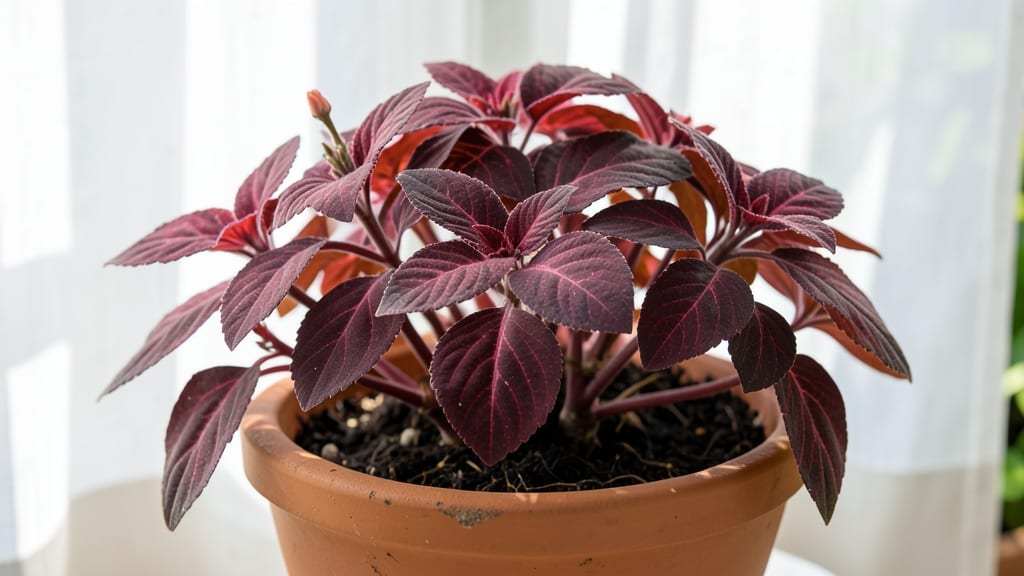
That crispy-edged red leaf plant identification isn’t always a cry for help—sometimes it’s just showing off. 🌿 I’ve spent years tracking down why plants turn red, and the answer often comes down to whether those leaves are healthy or stressed.
Coleus, Japanese maple, and even red-leaf lettuce all display bold crimson hues naturally, but fungal spots or nutrient deficiencies can mimic that look while signaling bigger problems.
The key difference? Healthy red leaves stay vibrant and firm, while distressed ones develop crispy edges, yellowing, or powdery patches. I’ve seen beginners panic over a single red-leafed plant only to discover it’s a prized Coleus ‘Black Dragon’—or worse, a nutrient-starved petunia.
Start by checking leaf texture and growth patterns before reaching for fungicide.
Once you’ve identified whether those red leaves are natural or a warning sign, the next step is simple: match care to the plant’s needs. Red-leaf lettuce thrives in cool weather, while Japanese maples need consistent moisture.
My garden journal helped me spot patterns—like how my maple’s leaves blushed red after a dry spell—so I could adjust care before problems spread.
For plants showing crispy edges or fungal spots, isolate them immediately and check the soil. Overwatering or poor drainage often lurks behind the red—something I learned the hard way after losing a batch of impatiens to root rot.
The good news? Most red-leaf issues fix with targeted care, not drastic measures.
Root Causes of Red Leaves
If your plant’s leaves are turning red—whether it’s just the edges, scattered spots, or an entire leaf—it’s usually a cry for help. Understanding the why behind these color changes is the first step to saving your green friend.
Below, we break down the most common culprits, from environmental stressors to hidden pests, with clear explanations and actionable insights.
Plants are sensitive to temperature swings, and red leaves often signal discomfort. Extreme heat (especially above 90°F/32°C for tropical plants) or cold drafts (below 50°F/10°C for most houseplants) can trigger anthocyanin production—a natural pigment that acts like sunscreen for plants under stress.
- Signs: Reddish-purple edges or entire leaves, often paired with wilting or crispy tips.
- Common offenders:
- Direct sunlight near windows (especially south-facing) causing heat stress.
- Drafts from AC vents, open windows, or doors.
- Placing plants near heaters or fireplaces.
- Fix it:
- Move the plant to a spot with indirect light (e.g., 1–2 feet from a window).
- Use a thermometer to monitor temperature—ideal ranges vary by plant (e.g., 65–75°F/18–24°C for most houseplants).
- Add a heat shield (like a sheer curtain) if sunlight is too intense.
- For cold stress, avoid placing plants near entryways or basements.
Water is the lifeblood of plants, but too much or too little can turn leaves red. The issue often stems from root oxygen deprivation (overwatering) or nutrient starvation (underwatering), both of which trigger stress responses.
- Overwatering signs:
- Yellowing leaves with reddish-brown edges (common in succulents, pothos, or ferns).
- Mushy stems or soil that smells sour.
- Underwatering signs:
- Dry, crispy red edges or entire leaves turning dull red (like a thirsty snake plant or rubber plant).
- Leaves curling inward or falling off easily.
- Fix it:
- 🔥 Check the soil: Stick your finger 1–2 inches deep. If it’s damp (overwatering) or bone-dry (underwatering), adjust your routine.
- Use well-draining soil (add perlite or orchid bark for succulents) and pots with drainage holes.
- Water only when the top 50% of soil is dry—but adjust for humidity (e.g., tropical plants may need more frequent watering).
- For overwatered plants, repot in fresh soil and let it dry out completely before watering again.
Light is like a plant’s vitamin D—too little, and they weaken; too much, and they burn. Red leaves often appear when chlorophyll breaks down due to photooxidative stress (sunburn) or etiolation (stretching for light).
- Signs of too much sun:
- Bright red or purple spots on leaves exposed to direct sunlight (common in calatheas, peace lilies, or philodendrons).
- Leaves may feel crispy or papery to the touch.
- Signs of too little light:
- Leaves turn deep red or maroon (especially in variegated plants like pothos or snake plants).
- New growth is stretched out and weak (a condition called "leggy" growth).
- Fix it:
- 🌡️ Rotate your plant weekly to ensure even light exposure.
- Move it further from the window (e.g., 3–6 feet for medium light) or add a sheer curtain to diffuse harsh rays.
- For low-light lovers (like ZZ plants or snake plants), place them in north-facing windows or shaded areas.
- Consider grow lights if natural light is insufficient (LED bulbs work well for 12–14 hours/day).
Red leaves can also signal pathogenic attacks, where fungi or bacteria disrupt the plant’s ability to produce chlorophyll. Common culprits include Alternaria, Phytophthora, or Pythium, which thrive in moist, stagnant conditions.
- Signs to watch for:
- Red or dark brown spots with yellow halos (like a target pattern).
- Leaves may crust over or develop powdery mildew (white, fuzzy patches).
- Stems may appear waterlogged or mushy.
- Common triggers:
- Overwatering or poor drainage (fungi love soggy soil!).
- High humidity with poor airflow (e.g., crammed pots or no ventilation).
- Contaminated tools or soil (e.g., reusing pots without sterilizing).
- Fix it:
- 🔪 Prune infected leaves with sterilized scissors (dip in rubbing alcohol).
- Improve air circulation by spacing plants apart or using a small fan.
- Water at the base of the plant (avoid wetting leaves) and ensure pots have drainage.
- Apply a fungicide (copper-based or neem oil) if spots persist. For bacterial issues, hydrogen peroxide (3%) can help (spray lightly on leaves).
- Repot in fresh, sterile soil if the root system is compromised.
Sap-sucking pests like spider mites, aphids, or scale insects weaken plants by draining nutrients, leading to reddened or stunted leaves. Their damage often goes unnoticed until the plant’s stress response kicks in.
- Signs of pest damage:
- Red or yellow stippling on leaves (
Quick fixes for red leaves
Red leaves on your plants can be frustrating, but the good news is most issues have simple, effective solutions. Below, we’ve mapped common causes to actionable fixes—plus prevention tips to keep your greenery thriving. 🌿💧
Signs: Yellowing or brown-red edges, mushy stems, or a foul smell from the soil.
How to Fix It: 🔹 Stop watering immediately – Let the top 1–2 inches of soil dry out completely before watering again. 🔹 Repot if needed – If roots are rotting, trim away the black/mushy parts with sterilized scissors (🔪), then repot in fresh, well-draining soil. 🔹 Upgrade your pots – Terracotta or pots with drainage holes prevent soggy roots. Add perlite or sand to heavy soils for better aeration.
Prevention Tips: ✨ Water only when soil is dry – Stick your finger in the soil; if it’s damp, wait. ✨ Use the "knuckle test" – If your knuckles turn white when gripping the pot, it’s too wet. ✨ Avoid saucers without drainage – Empty excess water after watering to prevent root suffocation.
Signs: Crispy red or brown edges, especially on sun-exposed leaves, or wilting despite moist soil.
How to Fix It: 🔹 Move to indirect light – East-facing windows or a spot 2–3 feet from a south-facing window work well. 🔹 Mist leaves lightly – Use room-temperature water to raise humidity (but avoid soggy soil). 🔹 Provide shade cloth – If outdoors, use a 30–50% shade cloth to filter harsh afternoon sun.
Prevention Tips: 💡 Know your plant’s sun needs – Most tropicals (like calatheas or ferns) thrive in bright, indirect light. 💡 Rotate the pot – Ensures even light exposure and prevents one-sided stress. 💡 Group plants together – Creates a microclimate with higher humidity.
Signs: Reddish-brown spots with yellow halos, white powdery residue, or black mold on soil.
How to Fix It: 🔹 Isolate the plant – Prevents spores from spreading to other greens. 🔹 Prune infected leaves – Cut off spots with clean scissors (🔪), then dispose of them in the trash (not compost). 🔹 Apply fungicide – Use a copper-based spray or neem oil solution (1 tsp neem oil + 1 quart water). Spray until leaves are damp, and repeat every 7–10 days.
Prevention Tips: 🌡️ Water at the base – Avoid wetting leaves to reduce fungal growth. 🌡️ Improve airflow – Space plants 2–3 inches apart and use a small fan on low. 🌡️ Sterilize tools – Wipe scissors with rubbing alcohol between cuts.
Signs: Reddish-brown leaf tips, crispy edges, or stunted growth despite regular feeding.
How to Fix It: 🔹 Flush the soil – Water thoroughly for 10–15 minutes to leach out excess salts. 🔹 Switch to a balanced fertilizer – Use a 20-20-20 or 10-10-10 formula diluted to half strength. 🔹 Feed less often – Once a month in spring/summer; skip entirely in fall/winter.
Prevention Tips: ✨ Test your water – Hard water (high in minerals) can cause buildup. Use distilled or rainwater if needed. ✨ Follow label instructions – More isn’t better! Over-fertilizing is a common rookie mistake. ✨ Use organic options – Compost tea or worm castings release nutrients slowly and safely.
Signs: Uneven red/brown patches, leaf drop, or discoloration near edges.
How to Fix It: 🔹 Rinse leaves – Use a damp cloth or shower (lukewarm water only) to remove residue. 🔹 Repot if soil is contaminated – Discard old soil and use fresh, chemical-free potting mix. 🔹 Avoid pesticides/cleaners nearby – Keep plants away from spray areas for at least 24 hours.
Prevention Tips: 💡 Spot-test new products – Before applying fertilizers or sprays, test a small leaf area first. 💡 Use natural pest control – Introduce ladybugs or insecticidal soap instead of harsh chemicals. 💡 Wear gloves when handling plants – Some soils contain trace metals (like copper) that can burn leaves.
Need a quick boost?
Try these emergency fixes: - Trim damaged leaves – Encourages new growth and redirects energy. - Raise humidity – Place the pot on a tray of pebbles with water (ensure the pot isn’t sitting in it). - Check for pests – Inspect undersides of leaves for mites, aphids, or scale with a magnifying glass.
Pro Tip: 🔍 Document changes – Take photos of your plant’s progress (or lack thereof) to track what’s working. Sometimes, red leaves are just a sign your plant is adjusting—patience is key!
Frequently asked questions about red-leafed plants
Why do some plants naturally have red leaves?
Many plants develop red leaves as a natural trait! Varieties like Coleus, Japanese Maple, and Red Leaf Lettuce produce anthocyanins—a pigment that protects leaves from UV damage and cold stress. These plants often thrive in cooler temperatures and prefer bright, indirect light to maintain their vibrant color.
How can I tell if red leaves mean my plant is unhealthy?
Healthy red leaves stay firm and vibrant, while distressed ones develop crispy edges, yellowing, or spots. Check the leaf texture—if it feels soft or has brown patches, your plant may need more water (or less!). Compare it to known healthy specimens of the same variety to spot differences.
Can I propagate a plant with red leaves?
Many red-leafed plants (like Coleus or Pothos) root easily from stem cuttings. Take a 4–6 inch cutting just below a leaf node, remove lower leaves, and place it in water or moist soil. Keep it in bright, indirect light until roots form—usually within 2-3 weeks.
What should I do if my plant's leaves turn red in winter?
Winter reddening is often normal due to cooler temps and shorter daylight. Move tropical plants away from drafty windows or heaters, and reduce watering slightly. If leaves stay crispy or drop excessively, increase humidity with a pebble tray or group plants together to create a microclimate.
Are red leaves ever a sign of pests?
Yes! Sap-sucking pests like spider mites or aphids can cause red or yellow stippling on leaves. Inspect undersides of leaves for tiny webs or insects. Treat with insecticidal soap or neem oil, and quarantine affected plants immediately to prevent spread.