
Leaf Blower
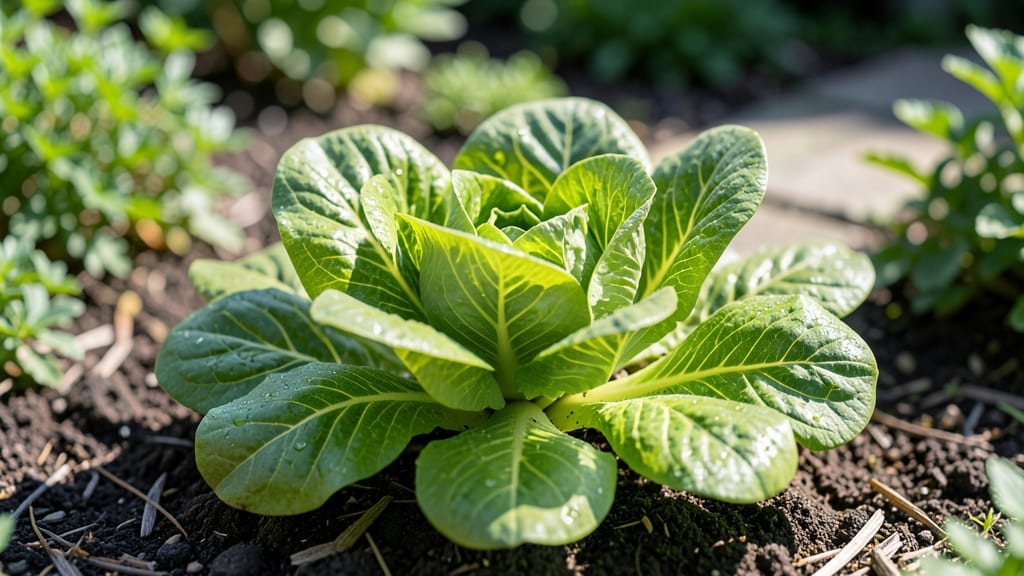
Growing Australian Yellow Leaf Lettuce means crisp, buttery leaves that stay vibrant even in heat. 🌿 I’ve learned the trick isn’t just about water—it’s about balancing soil, shade, and timing to keep those golden edges from turning bitter.
Start with loose, well-draining soil rich in compost, and plant seeds ½ inch deep, 12 inches apart. They thrive in partial shade, especially in hot climates, and need consistent moisture—never soggy. Within 4-6 weeks, you’ll harvest tender leaves that hold their shape longer than store-bought varieties.
The real secret? Succession planting every 2 weeks for a continuous harvest. If leaves start bolting (going to seed), trim the center stalk to encourage more leaf growth. And watch for slugs—they love young lettuce, so a beer trap or diatomaceous earth keeps them away.
📚 In This Guide
- What you need
- Instructions
- Tips and common mistakes
- Wrapping up and next steps
What you need
- ● Seeds: 1 packet of Australian Yellow Leaf Lettuce seeds (approx. 500 seeds per packet). Choose a reputable brand or organic seeds.
- ● Seed Starting Mix: 1 bag (12-16 quarts) of high-quality, sterile seed-starting mix (e.g., FoxFarm Ocean Forest or Miracle-Gro Seed Starting Potting Soil).
- ● Containers: 6-12 small seedling trays (biodegradable or plastic) with individual cells (2-3 inches deep).
- ● OR 2-3 small pots (3-4 inches in diameter) for direct sowing.
- ● Growing Medium (for transplanting): 1 bag (12-16 quarts) of well-draining potting soil (e.g., Espoma Organic Potting Mix).
- ● Fertilizer: Balanced liquid fertilizer (e.g., Miracle-Gro All Purpose or Fish Emulsion) for seedlings.
- ● Slow-release organic fertilizer (e.g., Osmocote Smart-Release Flower & Vegetable) for mature plants.
- ● Watering Can: Small spray nozzle attachment for gentle watering.
- ● Hand Trowel: For transplanting seedlings.
- ● Gloves: Gardening gloves to protect your hands.
- ○ Spray Bottle: For misting seeds during germination (optional but helpful).
- ○ Grow Lights (optional): LED grow lights (e.g., Samsung LM300 Series) if starting indoors without sunlight.
- ○ Row Cover or Mesh (optional): To protect seedlings from pests like aphids or slugs.
- ● Location: A spot with 4-6 hours of sunlight daily (partial shade is ideal to prevent bolting).
- ● Temperature: Optimal soil temperature of 60-70°F (15-21°C) for germination.
- ● pH Level: Soil pH between 6.0-7.0 (test with a soil pH kit if needed).
- ● Water Source: Access to soft, room-temperature water (avoid hard water with high chlorine).
Step-by-step instructions for growing Australian Yellow Leaf lettuce
Here's how I cultivate crisp, vibrant Australian Yellow Leaf lettuce—no wilting edges or bitter flavors.
🌱 Step 1: Prepare the Soil and Planting Site
Australian Yellow Leaf thrives in rich, well-draining soil with a pH between 6.0 and 7.0. Work in 2-3 inches of compost into the top 6 inches of soil to ensure nutrients stay available throughout the growing season. I avoid heavy clay or sandy soil—both can lead to uneven moisture and stress the plants.
Choose a location with partial shade during peak afternoon sun (especially in hot climates). This variety handles heat better than most lettuces, but direct midday sun causes bolting. Test your spot by placing a plant there for a day—if leaves wilt by 2 PM, move it to a shadier area.
💧 Step 2: Sow Seeds at the Right Depth and Spacing
Sow seeds ¼ inch deep in rows spaced 12 inches apart. Australian Yellow Leaf grows in a loose rosette, so crowding leads to disease and weak stems. I use a seed tape for precision—it saves time and ensures even spacing. Water gently after planting to settle the soil without disturbing seeds.
Keep the soil consistently moist but never soggy. A light misting every 2-3 days works best until seedlings reach 2 inches tall. Overwatering at this stage causes damping-off, a fungal disease that collapses seedlings overnight. You’ll know moisture is right when the soil surface looks slightly damp but not glistening.
☀️ Step 3: Thin Seedlings for Optimal Growth
When seedlings develop 2-3 true leaves (about 3-4 weeks after sowing), thin them to 6 inches apart in the row. Use sharp scissors to snip unwanted seedlings at soil level—pulling risks disturbing roots of remaining plants. This spacing gives each head room to develop crisp, vibrant leaves.
Thinning also improves airflow, reducing humidity around the plants and preventing fungal issues. You’ll see stronger, straighter stems after thinning. If you’re growing for baby leaves, you can skip thinning entirely and harvest smaller leaves instead.
✂️ Step 4: Maintain Moisture and Harvest at Peak Crispness
Australian Yellow Leaf lettuce stays crisp when soil moisture is consistent. Water deeply once a week, aiming for 1 inch of water per week. Let the top 1 inch of soil dry slightly between waterings—this prevents root rot while keeping leaves hydrated. Mulch with 2 inches of straw to retain moisture and suppress weeds.
Harvest outer leaves when they reach 3-4 inches in length. Use clean scissors to cut just above a lower leaf pair—this encourages continuous growth. The key to vibrant color is harvesting before the core bolts. If the center stem elongates or flowers appear, your lettuce has gone to seed, and flavor declines.
🌿 Step 5: Extend the Season with Protective Measures
To grow Australian Yellow Leaf in summer, use shade cloth (30-50%) to block intense sun. In fall or spring, protect young plants from light frosts with a floating row cover. I’ve grown this variety successfully through 32°F nights—just remove covers during the day for airflow.
Fertilize lightly every 3-4 weeks with a balanced organic fertilizer (5-5-5). Too much nitrogen leads to soft, floppy leaves. Watch for pests like aphids—spray with neem oil if you spot sticky residue on leaves. With proper care, you’ll harvest 4-6 weeks after sowing, depending on your climate.
Tips & tricks for perfect Australian Yellow Leaf lettuce
Real talk: Growing Australian Yellow Leaf lettuce isn't just about planting seeds—it's about creating the perfect conditions for vibrant, crisp leaves that stay fresh longer than store-bought. Here's what nobody tells you about getting it right.
Soil Preparation Secret: The key to that perfect pH of 6.0-7.0 isn't just adding compost—it's about the type of compost you use. I always mix in well-aged compost (not fresh manure) with a handful of wood ash for that subtle pH boost. Test your soil before planting: if it's too acidic, add crushed limestone; if too alkaline, work in peat moss. The 2-3 inches of compost should be fully incorporated into the top 6 inches of soil, not just layered on top—this ensures consistent moisture and nutrient availability throughout the root zone.
Heat Management: That 2 PM wilting test is your best friend for summer growing. I've learned this the hard way after watching entire batches bolt in record time. For extra protection, use shade cloth rated for 30-50% coverage—this blocks the harshest rays while still allowing enough light for photosynthesis. In containers, move them to a shaded spot during peak heat hours. And remember: Australian Yellow Leaf handles heat better than most varieties, but "better" doesn't mean "perfect"—it's still sensitive to midday intensity.
Seedling Care: The 2-3 day misting schedule is non-negotiable for those first critical weeks. I use a gentle spray nozzle set to mist, applying water until the soil surface is damp but not wet. For larger gardens, consider a drip irrigation system set to a very low flow rate—this maintains consistent moisture without the risk of overwatering. Watch for those telltale signs of damping-off: seedlings that suddenly collapse at the base with a soft, mushy stem. If you see this, remove affected plants immediately and reduce watering slightly.
Harvesting Technique: Those 3-4 inch leaves are your sweet spot for peak crispness. I always harvest with clean, sharp scissors—dull blades crush the leaves and invite disease. Cut just above a lower leaf pair to encourage regrowth from the base. For continuous harvests, I make a point to pick outer leaves first, working my way inward. This prevents the plant from bolting while giving you fresh leaves for weeks. And here's a pro move: harvest in the morning when leaves are most crisp and hydrated.
Pro Tips for Australian Yellow Leaf Lettuce
- Real talk: Growing Australian Yellow Leaf lettuce isn't just about planting seeds—it's about creating the perfect conditions for vibrant, crisp leaves that stay fresh longer than store-bought.
- Soil Preparation Secret: The key to that perfect pH of 6.0-7.0 isn't just adding compost—it's about the type of compost you use.
- Heat Management: That 2 PM wilting test is your best friend for summer growing.
Frequently asked questions
Got questions about growing or using Australian Yellow Leaf Lettuce? You’re not alone!
Here are answers to the most common queries to help you cultivate or enjoy this vibrant leafy green with confidence.
How long does it take for Australian Yellow Leaf Lettuce to mature?
Australian Yellow Leaf Lettuce typically reaches harvest-ready maturity in 45 to 60 days from seed, depending on temperature and growing conditions. For faster results, opt for transplants—these can be ready in as little as 30 to 40 days. Keep an eye on the outer leaves; they’ll start curling slightly when it’s time to pick!
Can I grow Australian Yellow Leaf Lettuce in hot weather?
This variety tolerates heat better than most lettuces, but it still prefers cooler temperatures (ideal range: 50–70°F). In hot climates, provide afternoon shade and mulch to retain moisture. If daytime temps exceed 80°F, growth may slow, and leaves could bolt. Try succession planting in early spring or fall for the best results.
What’s the best way to store Australian Yellow Leaf Lettuce?
Store unwashed lettuce in a perforated plastic bag in the fridge’s crisper drawer (set to high humidity). For longer shelf life, trim the base and wrap the core in a damp paper towel before bagging. With proper storage, it’ll stay crisp for 7–10 days. Pro tip: Avoid washing until ready to eat—excess moisture speeds up spoilage!
Are there any common pests or diseases to watch for?
Australian Yellow Leaf Lettuce is relatively pest-resistant, but keep an eye out for aphids, slugs, and leaf miners. Use row covers or neem oil to deter pests. For fungal issues like downy mildew, ensure good airflow and avoid overhead watering. Rotate crops annually to prevent soil-borne diseases.
Can I substitute Australian Yellow Leaf Lettuce in recipes?
Its mild, slightly sweet flavor and crisp texture make it a great swap for butterhead, romaine, or iceberg lettuce. It’s especially versatile in salads, wraps, sandwiches, or as a bed for grilled proteins. For a bolder taste, pair it with peppery greens like arugula or radishes.
Wrapping up and next steps
Growing Australian Yellow Leaf Lettuce is a rewarding journey that combines ease with stunning results—crisp edges, vibrant colors, and a harvest that’s as delicious as it is beautiful! 🌱 Whether you’re a seasoned gardener or a curious beginner, these tips and techniques will set you up for success.
Now that you’re armed with the right materials and answers, it’s time to roll up your sleeves and plant those seeds.
Start small, stay consistent, and watch your garden flourish. Happy growing! 🌿