
Leaf Blower
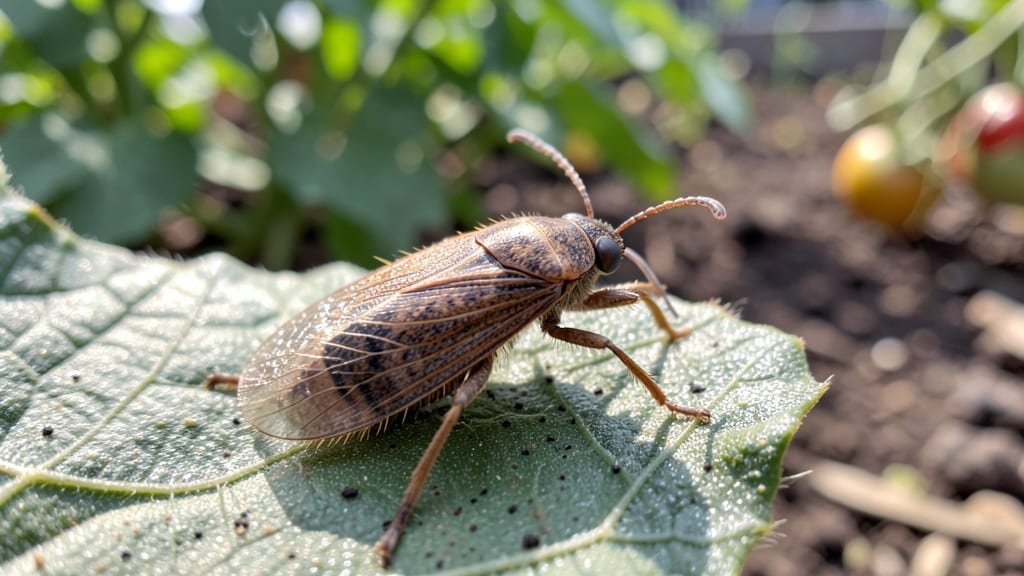
The brown leaf bug turns your lush plants into crispy-edged disasters. 🌿 I've seen it ruin entire rose bushes in weeks, and the good news is copper spray can bring them back—but you need to act fast and identify the culprit first.
These tiny pests (lace bugs, scale, or leaf miners) leave behind telltale signs: brown spots, curled leaves, or webbing. The damage starts small but spreads like wildfire if you ignore it. I learned the hard way when my hydrangeas lost half their blooms to scale before I caught it.
Copper spray works by disrupting their feeding cycle, and once you apply it, you'll notice new growth emerging within 10-14 days. The key is consistency—reapply every 7-10 days until the bugs are gone. For severe cases, mix in neem oil for extra protection.
Prevention is easier than cleanup: inspect plants weekly, especially the undersides of leaves. A strong blast of water can knock off scale insects, and companion plants like marigolds repel lace bugs naturally. Here's how to tackle it before it gets worse.
Root Causes of Leaf Damage
Understanding why leaves develop brown edges and spots—often mistaken for pest damage—starts with identifying the real culprits behind their decline. While some may assume a brown leaf bug is to blame, the issue often stems from environmental stress, nutrient deficiencies, or improper care.
Let’s break down the science behind the most common causes and how they trigger those unsightly brown patches.
When roots sit in soggy soil for too long, they struggle to absorb oxygen, leading to root rot—a silent killer of leaf health. Overwatering forces roots to suffocate, while poor drainage traps excess moisture, creating the perfect storm for fungal infections like Phytophthora.
The plant responds by shedding nutrients to damaged roots, causing leaves to develop brown, crispy edges as a survival tactic.
Actionable Insight:
- Test soil moisture by sticking your finger 2 inches deep—if it’s damp, hold off on watering.
- Ensure pots have drainage holes and use well-draining soil mixes (e.g., 60% potting soil, 30% perlite, 10% sand).
- Pro Tip: 🌡️ If your plant’s leaves feel mushy or the soil smells sour, you’re likely overwatering.
Brown spots or edges can signal a lack of essential nutrients, particularly:
- Magnesium (Mg): Leads to interveinal chlorosis (yellowing between veins) followed by brown, crispy edges—classic signs of magnesium deficiency.
- Potassium (K): Causes scorched-looking brown patches along leaf margins, especially in older leaves.
- Calcium (Ca): Results in blossom-end rot (in fruiting plants) or brown, curled leaf tips.
Soil pH imbalances (too acidic or alkaline) can also block nutrient uptake, mimicking pest damage. For example, iron chlorosis (yellow leaves with brown edges) thrives in alkaline soils (pH > 7.5).
Actionable Insight:
- Conduct a soil test (kits are affordable and available at garden centers).
- Amend soil with:
- Epsom salt (for magnesium) – 1 tbsp per gallon of water, applied monthly.
- Banana peels (for potassium) – Blend and compost or steep in water for a nutrient tea.
- Crushed eggshells (for calcium) – Sprinkle around the base and water in.
- Use a balanced fertilizer (e.g., 10-10-10 NPK ratio) if deficiencies are widespread.
Plants are sensitive to sudden changes in their environment, and stress manifests as brown, damaged leaves. Common triggers include:
| Stressor | Symptoms | Solution |
|---|---|---|
| Cold Drafts | Brown, wavy edges (especially in houseplants) | Move away from AC vents, doors, or windows. |
| Direct Sunburn | Crispy, white or brown patches (like a sunburn) | Gradually acclimate plants to sunlight; use sheer curtains for indoor plants. |
| Low Humidity | Dry, brown leaf tips (common in succulents but deadly for tropical plants) | Use a humidifier, pebble trays, or group plants together. |
| Wind or Physical Damage | Torn or brown edges from abrasion | Prune damaged leaves; protect outdoor plants with windbreaks. |
Actionable Insight:
- Hardened-off plants (those slowly adjusted to outdoor conditions) tolerate stress better.
- Mist leaves lightly in dry climates (avoid soggy foliage to prevent fungal growth).
- Rotate plants weekly to ensure even light exposure and prevent lopsided browning.
While not always the primary cause, sap-sucking insects like:
- Spider mites
- Aphids
- Thrips
- Brown marmorated stink bugs (a known culprit for brown leaf edges)
feed on plant juices, injecting toxins that cause necrotic (dead) brown spots or crispy edges. These pests thrive in dry, dusty conditions, so their damage often coincides with environmental stress.
Actionable Insight:
- Inspect leaves undersides for webbing, tiny bugs, or sticky residue (honeydew).
- Blast off pests with a strong stream of water or use neem oil spray (1 tbsp neem oil + 1 tsp mild soap per quart of water).
- Introduce beneficial insects like ladybugs or lacewings to control populations naturally.
- For stink bugs, apply copper spray (as mentioned in your article title) to create a protective barrier—copper disrupts their feeding and reproduction.
Household chemicals (e.g., bleach, soap residue, or harsh cleaners) left on leaves can cause chemical burns, appearing as brown, dry patches. Similarly, over-fertilizing—especially with synthetic salts—can burn roots, leading to nutrient imbalance and brown edges.
Actionable Insight:
- Rinse leaves with water if exposed to chemicals.
- Flush soil with water if over-fertilized (water until it runs freely from drainage holes).
- Use organic, slow-release fertilizers to avoid salt buildup.
- Pro Tip: 🌱 Always follow fertilizer instructions—more isn’t better!
Fixing Damaged Foliage Fast
Brown leaf edges and unsightly spots can turn your prized plants into a sad, crispy mess—but don’t panic! With the right approach, you can nurse them back to health and prevent future damage.
Below, we’ve broken down the most common causes of brown leaf issues and matched them with practical, step-by-step fixes—plus tips to keep your greenery thriving.
Signs: Yellowing leaves, wilting, or brown edges that feel mushy (overwatered) or dry and brittle (underwatered).
How to Fix It: 🔥 Drainage Check – Ensure pots have drainage holes. If not, add a layer of pebbles or perlite at the bottom to improve airflow. 🍳 Soil Test – Stick your finger 1–2 inches into the soil. If it’s soggy, hold off on watering. If dry, give a deep watering until it drains from the bottom. 👨🍳 Adjust Your Routine – Water only when the top inch of soil feels dry. For container plants, this might mean watering every 2–3 days in summer or weekly in winter. 🥘 Revive with Copper Spray – Mix 1 tsp copper sulfate per gallon of water (or use a pre-made organic fungicide) and spray lightly on affected leaves to prevent fungal growth from excess moisture.
💡 Pro Tip: Group plants with similar water needs together to simplify care!
Signs: Crispy, brown patches on leaves—especially on the upper or outer surfaces—often in direct sunlight.
How to Fix It: 🌡️ Move or Shade – Gradually acclimate plants to full sun by placing them in partial shade for a week, then slowly increasing exposure. ✨ Mulch Matters – Apply 2–3 inches of mulch around the base to retain moisture and protect roots from extreme heat. 🎯 Hydrate at the Right Time – Water early in the morning (before 10 AM) to reduce evaporation and give roots time to absorb moisture. 🔪 Trim Damaged Leaves – Snip off severely scorched leaves with clean scissors to encourage new growth.
💡 Pro Tip: Variegated plants (like some hostas or calatheas) are more prone to sunburn—keep them in bright, indirect light!
Signs: Tiny holes, webbing, or sticky residue (honeydew) on leaves, often paired with brown speckles.
How to Fix It: 🐛 Identify the Culprit – Common pests include aphids, spider mites, or brown leaf bugs. Shake leaves over a white sheet to spot them. 🧼 Blast Off Pests – Spray leaves with neem oil (1 tsp per quart of water + a drop of dish soap) or soapy water (1 tbsp mild soap per gallon). 🌿 Introduce Beneficial Insects – Ladybugs or lacewings eat pests naturally—order them online or find them in garden centers. 🍃 Prune & Dispose – Remove heavily infested leaves and dispose of them in sealed bags (not compost).
💡 Pro Tip: Copper tape wrapped around pot rims deters crawling pests like slugs and snails!
Signs: Brown, oily spots, yellow halos, or a white powdery coating (mildew).
How to Fix It: 🧪 Clean Up Debris – Remove fallen leaves, mulch, or dead plants where fungi thrive. 💧 Space Plants Out – Improve airflow by thinning crowded foliage or spacing plants 6+ inches apart. 🔄 Fungicide Spray – Use a copper-based fungicide (like the one mentioned earlier) or baking soda spray (1 tsp baking soda + 1 quart water + a drop of soap). 🌱 Prevent Recurrence – Water at the base (not overhead) and avoid wetting leaves in the evening.
💡 Pro Tip: Preventative sprays (like diluted hydrogen peroxide—1 tbsp per gallon) can strengthen leaves before issues arise!
Keep your plants lush and leafy with these easy habits: ✅ Rotate pots every few weeks for even sunlight exposure. ✅ Fertilize lightly—overdoing it burns roots. Use a balanced 10-10-10 or organic compost tea. ✅ Monitor soil pH—most plants prefer 6.0–7.0.
Test kits are cheap and save headaches! ✅ Quarantine new plants for 2 weeks before adding them to your garden to avoid introducing pests.
Final Thought: Most brown leaf issues are fixable with quick action! Start with the cause, apply the right treatment, and soon your plants will be back to their vibrant best. 🌱✨
Frequently asked questions
What exactly is a brown leaf bug, and how do I know if my plants have it?
Brown leaf bugs typically refer to pests like brown marmorated stink bugs or lace bugs, which leave behind brown spots, webbing, or crispy leaf edges. Look for tiny brown insects (about 1/4 inch) hiding on leaf undersides, or check for black fecal spots on foliage. These bugs thrive in dry conditions and often appear in late summer.
Will copper spray kill beneficial insects along with the brown leaf bugs?
Copper spray is selective and primarily targets soft-bodied pests like stink bugs and lace bugs, but it can harm bees and other pollinators if applied during blooming periods. For best results, apply in the late afternoon when pollinators are less active, and avoid spraying flowers directly. Always follow label instructions for concentration and timing.
How often should I reapply copper spray if I have a severe infestation?
For severe brown leaf bug infestations, reapply copper spray every 7-10 days until the pests are gone. Monitor your plants closely—new growth should emerge within 2-3 weeks if the treatment is working. Combine with neem oil (every 14 days) for extra protection, especially if you notice webbing or honeydew on leaves.
Can I use copper spray on edible plants like tomatoes or herbs?
Yes, but with caution! Copper spray is organic and approved for use on edible plants, but wait 14 days after application before harvesting to ensure residue safety. Always rinse produce thoroughly before eating. For herbs, avoid spraying directly on leaves to prevent copper buildup—focus on stems and soil instead.
What’s the best natural alternative if I don’t have copper spray?
Try a soapy water spray (1 tbsp mild soap per gallon of water) or neem oil (1 tbsp per quart of water) as natural alternatives. These disrupt the pests' feeding and reproduction. For severe cases, introduce beneficial insects like ladybugs or lacewings, which prey on brown leaf bugs naturally. Reapply every 5-7 days for best results.