
Diseases
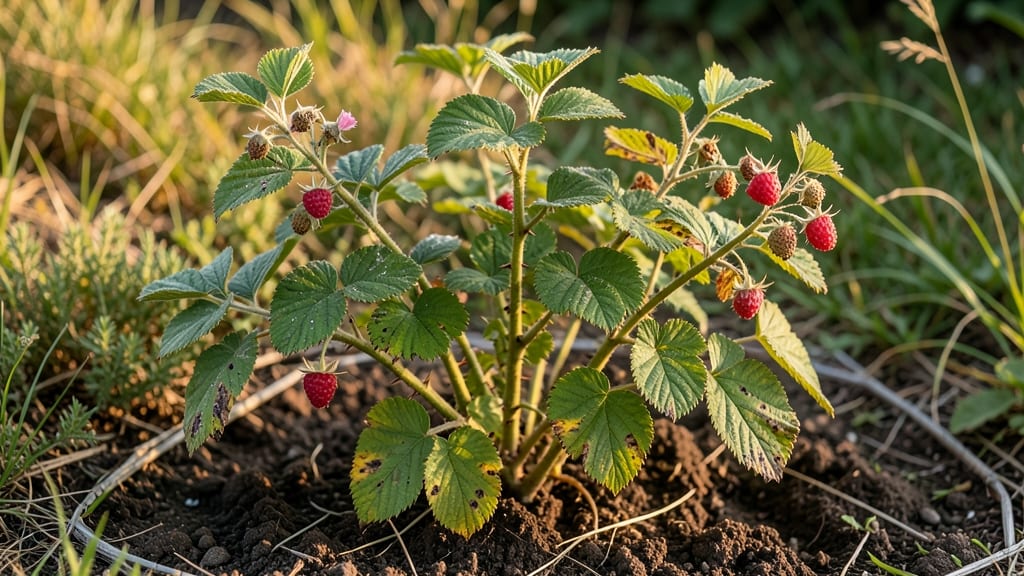
Spotting raspberry leaf diseases early—and recognizing them through pictures—saves your harvest—and I’ve seen firsthand how quickly brown spots or curled leaves can turn a thriving patch into a lost season. 🌿 The key is knowing what to watch for before symptoms spread: anthracnose’s jagged edges, bacterial spot’s yellow halos, or powdery mildew’s white coating.
These diseases don’t just weaken plants; they cut yields by half if ignored.
Most problems start with wet foliage or crowded canes, but the real damage happens when you mistake stress for disease. I learned that the hard way after losing a patch to anthracnose—until I pruned for airflow and sprayed copper fungicide at the first sign.
The fix isn’t always dramatic: sometimes it’s as simple as removing infected leaves or adjusting irrigation. Prevention is easier than cleanup, especially in humid climates.
By the time you see these symptoms in person, you’ll recognize them instantly: dark, sunken patches for anthracnose, tiny water-soaked spots for bacterial blight, or fuzzy gray mold for Botrytis.
Each disease has a telltale pattern, and catching it early means you can still save your plants. The goal isn’t perfection—it’s acting before the disease does.
For stubborn cases, I consult my local extension office, but most gardeners can handle this with basic tools and timing. Start with pruning in early spring, monitor leaves weekly during wet spells, and keep a spray bottle of neem oil on hand.
Your raspberries will thank you with sweeter fruit and fewer headaches.
Root Causes Of Raspberry Fungal Woes
Raspberry leaf diseases don’t just appear out of thin air—they’re usually the result of a perfect storm of environmental stress, poor growing conditions, or microbial invaders. Understanding why these issues flare up is the first step to preventing them.
Below, we break down the most common culprits behind raspberry leaf diseases, from fungal infections to bacterial rot, so you can take action before your plants show symptoms.
Raspberries thrive in open, airy spaces, but when canes grow too close together, moisture lingers, and humidity spikes—creating an ideal breeding ground for fungal pathogens like Botrytis cinerea (gray mold) and Didymella applanata (fruit rot).
- Why it happens: Stagnant air traps spores, preventing them from drying out. Fungal hyphae spread rapidly in damp, shaded conditions, leading to leaf spots, blight, and fruit decay.
- Actionable fix:
- Prune canes aggressively to improve airflow (aim for 12–18 inches between plants).
- Space rows at least 6 feet apart to reduce humidity buildup.
- Mulch with straw or wood chips (not thick layers) to keep soil dry without suffocating roots.
Raspberries are sensitive to moisture extremes—whether from overwatering, poor drainage, or erratic rainfall. Excess water weakens plant defenses, while drought stress makes leaves more vulnerable to infections.
- Why it happens:
- Overwatering: Soggy soil promotes Phytophthora root rot and foliar diseases like Septoria leaf spot. Waterlogged roots can’t absorb nutrients, leading to yellowing leaves and stunted growth.
- Underwatering: Drought-stressed plants produce thinner, more fragile leaves that crack easily—inviting bacterial infections like Xanthomonas.
- Actionable fix:
- Water deeply once or twice weekly (depending on climate), aiming for 1–1.5 inches of moisture per week. Use drip irrigation to avoid wetting foliage.
- Amend heavy clay soil with compost or sand to improve drainage.
- Avoid watering late in the day to allow leaves to dry overnight.
Most raspberry diseases are caused by microscopic pathogens lying in wait—either in soil, old plant debris, or even on nearby weeds. Once conditions align (warm temps + moisture), they pounce.
| Pathogen | How It Spreads | Trigger Conditions |
|---|---|---|
| Didymella applanata (fruit rot) | Spores overwinter in infected fruit/mulch; spread via rain splash or tools. | Cool, wet springs (50–70°F) with high humidity. |
| Botrytis cinerea (gray mold) | Survives on dead tissue; thrives in crowded, damp canopies. | Temperatures below 75°F with prolonged leaf wetness. |
| Xanthomonas fragariae (angular leaf spot) | Bacteria spread via wind, water, or contaminated pruners. | Warm, humid weather (75–85°F) with frequent rain. |
Actionable fix:
- Remove and destroy (don’t compost!) infected plant debris after harvest.
- Rotate crops—don’t plant raspberries in the same spot for 3+ years.
- Sanitize pruners with 70% rubbing alcohol between cuts.
- Apply copper fungicide (for bacterial issues) or neem oil (for fungal prevention) at first signs of stress.
A raspberry plant struggling from poor soil health or imbalances is like an open invitation for pests and diseases. Deficiencies in key nutrients (like nitrogen, potassium, or magnesium) weaken cell walls, making leaves prone to infections.
- Why it happens:
- Nitrogen deficiency: Leads to pale, yellow leaves (chlorosis), reducing the plant’s ability to fight off pathogens.
- Potassium deficiency: Causes brown leaf edges and weakens disease resistance.
- Magnesium deficiency: Creates interveinal yellowing, making leaves brittle and susceptible to cracking (a gateway for bacteria).
- Actionable fix:
- Test soil pH (ideal: 5.5–6.5) and amend with lime (to raise pH) or sulfur (to lower it).
- Fertilize in early spring with a balanced 10-10-10 or organic compost (avoid high-nitrogen late in the season).
- Add Epsom salt (1 tbsp/gallon of water) as a foliar spray for magnesium if older leaves show yellowing.
Raspberries are hardy, but sudden temperature swings, hail, or frost damage can create entry points for infections. For example, hail tears leaves, allowing Botrytis to invade, while late frosts stress new growth.
- Why it happens:
- Frost damage: Kills cells on leaf edges, creating wounds where bacteria or fungi can colonize.
- Heat stress: High temps (above 90°F) reduce humidity but increase transpiration, making leaves more susceptible to Septoria.
- Hail/wind damage: Physical trauma disrupts the waxy cuticle, inviting infections.
- Actionable fix:
- Use row covers in early spring to protect against frost.
- Mulch heavily in summer to keep roots cool.
- Prune damaged leaves immediately after hail to prevent rot.
💡 Pro Tip: Keep a disease diary to track when symptoms appear. Note weather patterns, watering habits, and pruning schedules—this helps you spot recurring triggers and adjust your care routine.
Practical ways to treat raspberry leaf issues
Once you’ve identified the culprit behind your raspberry leaves’ distress—whether it’s fungal spots, bacterial blight, or viral damage—it’s time to act. The good news? Most raspberry leaf diseases can be managed (or even prevented) with a mix of early intervention, cultural fixes, and targeted treatments.
Below, we’ll map out step-by-step solutions for each common disease, along with prevention tips to keep your berries thriving.
Fungi thrive in damp, humid conditions, so speed is key—don’t wait for symptoms to spread.
🔥 Remove Infected Leaves Immediately
- How to do it: Snip off only the diseased leaves (not the whole plant) with sterilized pruners (wipe with rubbing alcohol between cuts).
- Why? Fungal spores spread via water splashes and wind.
Removing infected foliage stops the cycle before it jumps to healthy leaves. - Pro tip: 💡 Bag and discard infected leaves in the trash (not compost)—fungi can survive in compost piles!
🍳 Apply Fungicidal Sprays (Organic & Chemical Options)
| Disease | Recommended Treatment | When to Apply |
|---|---|---|
| Powdery Mildew | Neem oil spray (1 tsp neem oil + 1 tsp soap per quart of water) OR baking soda mix (1 tbsp baking soda + 1 tsp oil + 1 gallon water). | At first sign, then every 7–10 days in humid weather. |
| Leaf Spot | Copper fungicide (e.g., Bordeaux mixture) OR organic option: Serenade ASO (contains beneficial bacteria). | Preventively in spring, then after rain or overhead watering. |
| Rust | Sulfur spray (follow label rates) OR organic copper soap. | Early morning or evening (avoid direct sun to prevent leaf burn). |
- Spray technique: 👨🍳 Cover both sides of leaves—fungi often hide on the undersides! Use a fan or string trimmer to improve air circulation afterward.
🌡️ Adjust Growing Conditions
- Water wisely: Deep water in the morning (avoid overhead sprinklers) to keep foliage dry.
- Space plants properly: 3–4 feet apart for airflow (crowding = fungal paradise).
- Mulch correctly: Use straw or wood chips (not thick layers) to reduce soil splashes onto leaves.
Bacteria multiply rapidly—once leaves show water-soaked spots or oily sheen, act within 24 hours.
🔪 Prune Aggressively & Sterilize Tools
- How to do it: Cut out entire infected canes (bacteria can move through the plant’s vascular system).
- Sterilize tools: Use bleach solution (1 part bleach to 10 parts water) or 70% isopropyl alcohol between cuts.
- Dispose properly: Burn or trash infected canes—do not compost.
💦 Use Copper-Based Bactericides
- Best options:
- Copper hydroxide (e.g., Kocide 3000)
- Copper sulfate (Bordeaux mix)
- How to apply: Spray every 7–10 days during wet conditions. Reapply after rain.
- Caution: 🌡️ Avoid spraying in extreme heat (copper can burn leaves).
🚫 Prevent Future Outbreaks
- Rotate crops: Don’t plant raspberries in the same spot for 3+ years (bacteria linger in soil).
- Choose resistant varieties: ‘Heritage’ or ‘Boyne’ raspberries are more blight-resistant.
- Sanitize everything: Wash hands, tools, and clothing after handling infected plants.
Viruses like raspberry bushy dwarf or mosaic virus cannot be cured, but you can limit their spread.
🗑️ Remove Infected Plants Completely
- Why? Viruses spread via aphids, contaminated tools, or human movement—there’s no saving an infected plant.
- How to do it: Dig up the entire root system and dispose of it (don’t compost).
🐜 Control Aphids & Insect Vectors
- Natural predators: Introduce ladybugs or lacewings (they eat aphids).
- Insecticidal soap: Spray every 5–7 days to reduce aphid populations.
- Sticky traps: Place yellow sticky traps near plants to catch winged pests.
🌿 Strengthen Plant Health
- Fertilize properly: Use a balanced 10-10-10 fertilizer in early spring to boost plant vigor.
- Prune for airflow: Remove suckers and crowded canes to reduce stress.
- Test soil pH: Aim for 5.5–6.5—healthy soil = stronger resistance.
The best treatment? Stopping diseases before they start! Here’s how:
- 💡 Rotate planting locations every 3–4 years to break disease cycles.
- 🌡️ Water at the base (never overhead) to keep foliage dry.
- 🎯 Prune in late winter (before new growth) to remove old, diseased canes.
- 🔥 Use drip irrigation instead of sprinklers to minimize moisture on leaves.
- 🌿 Test soil annually for nutrient deficiencies (weak plants get sick faster).
Final Reminder: 🚨 Act fast! The sooner you treat raspberry leaf diseases, the less damage they’ll cause—and your berries will thank you with juicier, healthier fruit. Keep an eye out for early signs, and your raspberry patch will stay disease-free and productive for years!
Frequently asked questions
What are the most common raspberry leaf diseases I should watch for?
Focus on these three troublemakers: anthracnose (dark, sunken spots with jagged edges), angular leaf spot (tiny water-soaked spots with yellow halos), and powdery mildew (white, powdery coating on leaf surfaces). These appear most frequently in humid climates and can spread rapidly if left unchecked.
How can I tell if a leaf spot is fungal or bacterial?
Fungal spots usually have raised edges or powdery textures, while bacterial spots appear water-soaked with yellow halos and often ooze when wet. For anthracnose (fungal), you’ll see dark, sunken lesions, whereas bacterial leaf spot creates smaller, greasy-looking spots that spread quickly.
Can I still harvest fruit from plants with leaf diseases?
It depends on the disease. For anthracnose or leaf spot, remove infected leaves but you can still harvest fruit if it looks healthy—just wash berries thoroughly before eating. With Botrytis gray mold, remove affected fruit immediately as it can spread rapidly. Always inspect berries closely before consuming.
What's the best organic treatment for raspberry leaf diseases?
Start with a neem oil spray (1 tsp neem oil + 1 tsp soap per quart of water) for fungal issues like powdery mildew, or a baking soda mix (1 tbsp baking soda + 1 tsp oil + 1 gallon water) for prevention. For bacterial problems, use copper fungicide (like Bordeaux mixture) every 7-10 days during wet conditions. Always apply in the evening to avoid leaf burn.
How do I prevent raspberry diseases from coming back next year?
Focus on three key practices:
- Rotate crops—don’t plant raspberries in the same spot for 3+ years.
- Improve airflow by pruning crowded canes and spacing plants 3-4 feet apart.
- Sanitize tools with rubbing alcohol between cuts. Add composted mulch to improve soil health and reduce stress on plants.