
Leaf Blower
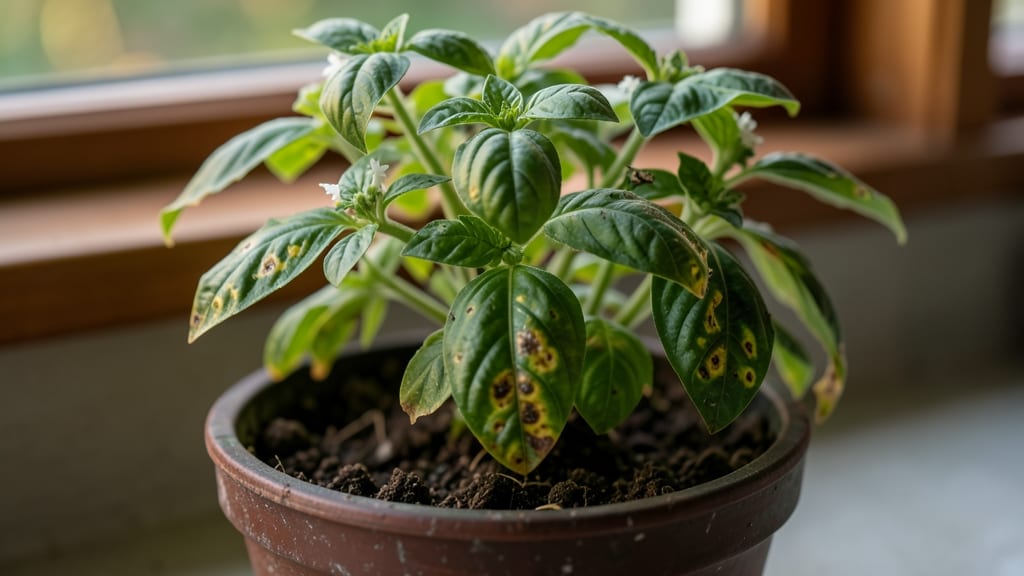
Your basil plants are developing those dreaded dark spots that spread like wildfire—bacterial leaf spot is no joke, but copper spray can turn the tide. 🌱 I’ve battled this exact issue in my kitchen garden, and the key is acting fast with the right treatment before it ruins your harvest.
The spots start as tiny water-soaked marks that turn yellow or brown, often with a greasy sheen. Humidity and contaminated pruners spread it like crazy, but proper spacing and clean tools can prevent it from taking over.
Once it hits, you’ll need to prune infected leaves immediately and apply copper spray every 7–10 days to stop the bacteria in its tracks. With consistent treatment, your basil will bounce back with fresh, disease-free growth in just a few weeks.
The copper spray works best when applied in the early morning or evening, avoiding direct sunlight that can burn the leaves.
If the infection spreads to more than half the plant, it’s time to pull it out and dispose of it properly—don’t compost it—to keep your garden safe for the rest of the season.
Root Causes of Basil Leaf Spots
Bacterial leaf spot in basil isn’t just a random bad-luck scenario—it’s a wake-up call from your plant’s environment. Understanding the why behind this pesky disease helps you stop it before it ruins your harvest.
Below, we break down the science-backed reasons your basil is getting those ugly brown spots, from microscopic invaders to everyday gardening habits that accidentally invite trouble.
Bacterial leaf spot in basil is primarily caused by Xanthomonas campestris pv. viticola or Pseudomonas syringae, two bacteria that thrive in warm, humid conditions. Here’s how they strike:
- Waterborne Spread: These bacteria lurk in water—whether from rain, overhead irrigation, or contaminated tools.
A single splash of infected water onto a leaf can introduce millions of bacteria into tiny wounds or natural openings (like stomata). - Survival on Debris: Old plant debris, infected leaves, or even soil can harbor bacteria for months.
If you’re reusing containers or composting basil clippings without sterilizing them, you’re basically rolling out the welcome mat. - Wind and Insects: Light breezes or sap-sucking insects (like aphids) can carry bacteria from plant to plant. Basil’s tender leaves are prime real estate for these hitchhikers.
💡 Pro Tip: If your garden has had bacterial leaf spot before, rotate crops—don’t plant basil in the same spot year after year. Bacteria can persist in the soil for up to 2 years!
Basil loves warmth, but too much of it—especially with high humidity—creates the ideal breeding ground for bacterial leaf spot. Here’s how climate plays a role:
- Stifling Heat + Moisture: Temperatures between 75–90°F (24–32°C) with high humidity (70%+) slow down basil’s natural defenses.
The bacteria multiply rapidly, while the plant struggles to dry out, keeping leaves wet and vulnerable. - Poor Air Circulation: Crowded basil plants or those grown in shaded, enclosed spaces trap humidity.
Without airflow, water droplets linger on leaves, giving bacteria direct access. - Morning Dew: While dew isn’t the villain, if it lingers until midday (especially in humid climates), it extends the window for bacteria to infect leaves.
✨ Actionable Fix: Space plants 12–18 inches apart and avoid overhead watering. If humidity is a problem, use a fan on low to improve airflow—it mimics natural wind and dries leaves faster.
A stressed or weakened basil plant is like an open invitation for bacteria. Common culprits include:
- Overwatering or Underwatering: Both extremes weaken roots and leaves.
Overwatering leads to soggy soil, while drought stress makes plants more susceptible to infections. - Nutrient Deficiencies: Lack of nitrogen, potassium, or magnesium (common in over-farmed soil) weakens cell walls, making them easier for bacteria to penetrate. - Physical Damage: Pruning with dirty tools, hail, or even rough handling can create entry points for bacteria.
A single cut can turn into a bacterial highway if not sanitized.
🔥 Quick Check: Healthy basil leaves should be deep green, firm, and slightly waxy. Yellowing, wilting, or mushy spots? Your plant’s defenses are down—take corrective action fast.
Even the best-intentioned gardener can accidentally spread bacterial leaf spot through:
- Unsterilized Pruners or Gloves: Bacteria can hitch a ride on tools used on infected plants.
A quick wipe-down with 70% isopropyl alcohol between uses can prevent cross-contamination. - Reused or Infected Potting Mix: If you’ve used the same soil for multiple basil batches without sterilizing it (via baking at 200°F for 30+ minutes), lingering bacteria can reinfect new plants. - Compost from Infected Plants: Tossing diseased leaves into compost piles without proper heat treatment (140°F+) can turn your compost into a bacterial bomb.
🎯 Prevention Tip: Start fresh with sterilized soil or a basil-specific potting mix. If reusing containers, soak them in a 10% bleach solution (1 part bleach to 9 parts water) for 10 minutes, then rinse thoroughly.
Bacterial leaf spot doesn’t appear overnight—it’s a progressive infection. By the time you see large, greasy brown spots with yellow halos, the bacteria have already spread.
Early symptoms to watch for: - Tiny water-soaked spots (1–3 mm) on lower leaves. - Spots that enlarge and turn dark brown with a yellow border. - Leaves that crisp or drop prematurely.
🚨 Red Flag: If you see these signs, act immediately. Delaying treatment turns a manageable issue into a full-blown outbreak.
Unlike fungal diseases (which respond to fungicides), bacterial leaf spot is resistant to most chemical treatments. Copper sprays can help prevent spread, but they won’t cure an advanced infection. That’s why prevention—like proper spacing, sanitation, and weather awareness—is your best defense.
🔄 Key Takeaway: Think of bacterial leaf spot like a chain reaction. Remove one link (e.g., humidity, contaminated tools), and you disrupt the whole cycle. Stay vigilant, and your basil will stay spot-free!
How to Treat and Prevent Basil Spots
Bacterial leaf spot on basil can feel like a kitchen disaster—especially when your fresh herbs are supposed to be the star of your next dish. 🍴😬 But don’t toss those plants just yet! With the right approach, you can save your basil, restore its health, and prevent future outbreaks.
Below, we’ve mapped out practical fixes based on the most common causes, from quick remedies to long-term strategies.
Cause: Bacterial spread through contaminated leaves Fix:
- Snip off yellowing, spotted, or wilting leaves with clean scissors (sterilize with rubbing alcohol between cuts).
- Dispose of infected foliage in the trash—do not compost (bacteria can survive).
- Wear gloves to avoid transferring bacteria to healthy plants.
💡 Pro Tip: Check the undersides of leaves—bacterial spots often start there before spreading to the top.
Cause: Xanthomonas or Pseudomonas bacteria (common culprits) Fix:
- Mix a copper fungicide spray (like copper sulfate or copper hydroxide) as directed on the label.
- Spray thoroughly (top and bottom of leaves) every 7–10 days for 2–3 weeks to break the bacterial cycle.
- Best time to apply: Early morning or late afternoon to avoid leaf burn from sunlight.
⚠️ Warning: Avoid spraying when rain is forecasted—water can wash off the copper before it works.
Cause: Humidity and poor ventilation encourage bacterial growth Fix:
- Prune basil plants to increase airflow—remove crowded stems and allow 2–3 inches of space between plants.
- Space pots or garden beds at least 12 inches apart to reduce moisture buildup.
- Avoid overhead watering—use a drip irrigation system or water at the base instead.
🌡️ Heat & Humidity Hack: If your basil is in a greenhouse or humid climate, run a small fan nearby to keep air moving.
Cause: Contaminated soil or reused tools spread bacteria Fix:
- Move basil to fresh soil (or pots) if the original growing medium was infected.
- Sterilize gardening tools with bleach solution (1 part bleach to 9 parts water) or 70% isopropyl alcohol.
- Avoid planting basil in the same spot for at least 3 years to prevent soil-borne bacteria.
🎯 Prevention Table:
| Action | How Often | Why It Works |
|---|---|---|
| Rotate basil location | Every 3 years | Stops soil bacteria buildup |
| Sterilize pruners | Before/after use | Prevents cross-contamination |
| Test soil pH (6.0–7.0) | Seasonally | Ideal range reduces bacterial stress |
Cause: Wet leaves for long periods create bacterial breeding grounds Fix:
- Water at the base (not overhead) to keep leaves dry.
- Water in the morning so foliage dries quickly.
- Use drip irrigation or soaker hoses instead of sprinklers.
💡 Quick Fix: If you’ve already watered overhead, gently shake plants to remove excess moisture.
Cause: Advanced bacterial leaf spot with stem rot or wilting Fix:
- If more than 50% of the plant is infected, dig it up and destroy it (burn or trash—not compost).
- Check nearby plants for early signs (small yellow spots) and treat them preemptively.
🌱 Replacement Tip: If you lose a plant, start fresh with healthy basil cuttings from a trusted source.
Final Thought: Bacterial leaf spot is manageable—but speed is key. Act fast, combine copper sprays, airflow fixes, and smart watering, and your basil will bounce back stronger than ever. 💪🌿 Now go save those pesto ingredients!
Frequently asked questions about basil leaf spot
How can I tell if my basil has bacterial leaf spot?
Look for tiny water-soaked spots (1–3mm) that turn dark brown or yellow with a greasy sheen. These often appear first on lower leaves and spread upward. Unlike fungal spots, bacterial spots have irregular edges and may ooze when wet. Check leaf undersides too—bacteria love hiding there!
Will copper spray cure an already infected basil plant?
Copper spray won't cure advanced infections but can stop the spread if applied every 7–10 days for 2–3 weeks. For existing spots, remove infected leaves immediately and combine copper treatment with better airflow. If over 50% of the plant is infected, it's safer to remove it to prevent further contamination.
Can I still harvest basil with leaf spot?
Only harvest healthy leaves from the top of the plant, avoiding any with spots. Wash harvested basil thoroughly with 1 tablespoon of vinegar per quart of water to kill lingering bacteria. Never use leaves showing yellow halos or mushy texture—they can make you sick!
Why does my basil keep getting spots even after treatment?
Common reasons include reusing contaminated tools, overhead watering, or poor airflow. Sterilize pruners with 70% alcohol, water at the base, and space plants 12–18 inches apart. Check soil too—bacteria can persist for years in reused containers.
Are there any basil varieties resistant to bacterial leaf spot?
No variety is completely resistant, but Genovese and Sweet basil tend to handle infections better than delicate types. For extra protection, grow basil in containers (easier to rotate) and avoid planting near tomatoes or peppers—these crops share similar bacterial pathogens.