
Pests and Diseases
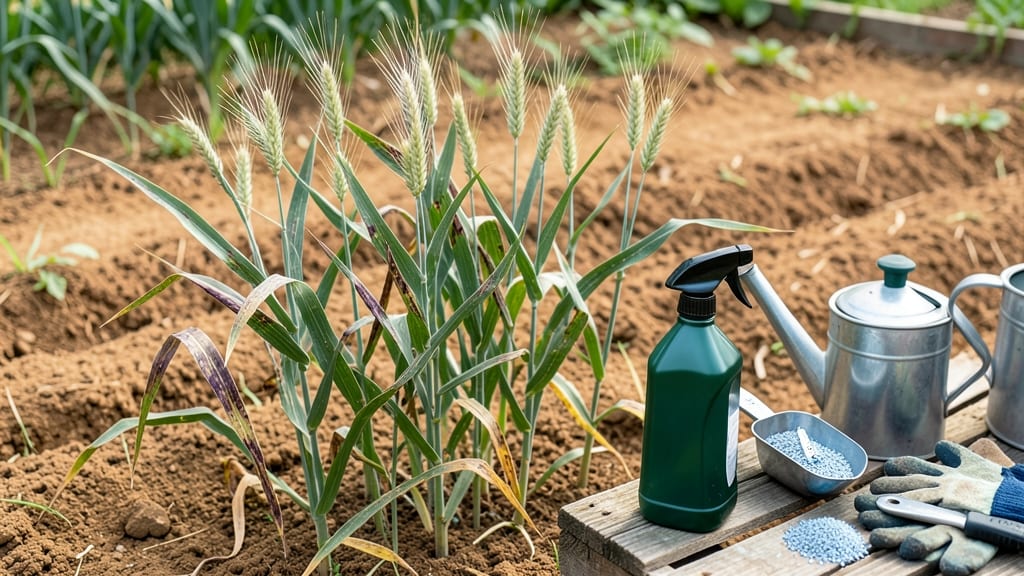
When your tomato leaves start showing those telltale dark spots with pale centers, you're dealing with a septoria leaf spot treatment—a fungal disease that spreads fast if you don't act. 🌱 I've saved my own plants from total collapse using this copper spray protocol, and it works just as well on wheat and other cereals.
The key is catching it early, because once those spots multiply, they turn leaves into Swiss cheese, and your harvest suffers.
Most gardeners reach for chemical sprays too late, but copper-based treatments are your first line of defense—they're organic enough for home gardens but tough enough to stop the fungus in its tracks.
You'll need a copper fungicide (like copper sulfate or copper hydroxide), a sprayer, and a dry, calm day for application. The spray works by creating a protective barrier on leaves, but it's not a cure-all—you'll need to combine it with pruning infected leaves and improving air circulation around your plants.
Within 10-14 days of consistent treatment, you'll see new growth pushing out free of spots, and your plants will start looking healthy again. The real secret? Prevention—water at the soil level (never overhead), choose resistant varieties when possible, and rotate crops yearly to break the fungus's life cycle.
That first spray might feel like a gamble, but it's the difference between a garden that recovers and one that gets abandoned.
If your plants keep getting worse despite treatment—or if you're dealing with a large-scale infestation—it's time to call in a professional. Severe cases can require stronger fungicides or even replanting, but most home gardens see dramatic improvement with this protocol.
The payoff? Spotless leaves, stronger plants, and a harvest you can be proud of.
📚 In This Guide
- What you need
- Instructions
- Tips and common mistakes
- Wrapping up and next steps
What you need
- ● Copper-based fungicide: Choose a ready-to-use solution (e.g., Copper Sulfate, Copper Hydroxide, or Copper Oxychloride) with 0.5–2.0 lbs of copper per 100 gallons of water. Example: Bonide Copper Fungicide or Garden Safe Copper Fungicide.
- ● Spraying equipment: Hose-end sprayer (for 5–10 gallons capacity) OR
- ● Backpack sprayer (for 2–4 gallons, ideal for large gardens)
- ● Protective gear: Nitrile gloves (waterproof, 1 pair)
- ● Long-sleeved shirt and pants (to avoid skin contact)
- ● Safety goggles (for eye protection)
- ● Water: 5–10 gallons (adjust based on sprayer size)
- ● Pruning shears: Sterilized (70% isopropyl alcohol or bleach solution) to remove infected leaves.
- ● Wetting agent: 0.25% v/v (e.g., Silwet L-77) to improve spray adhesion on waxy leaves.
- ● Baking soda solution: 1 tbsp baking soda + 1 tsp dish soap + 1 gallon water (mix with copper spray for extra fungal defense).
- ● Label or marker: To tag treated plants and track application dates.
- ● Disposable spray cover: For delicate plants or windy days.
How to treat septoria leaf spot with copper spray
Here's my battle-tested method for stopping those ugly brown spots in their tracks.
🌿 Step 1: Identify and Remove Severely Infected Foliage
Before spraying, scan your plants for leaves with large, dark brown spots with yellow halos—classic septoria symptoms. Grab a pair of clean, sharp pruners and snip off any leaves showing more than 25% damage. This prevents the fungus from spreading further while you treat the rest.
Drop infected leaves into a sealed plastic bag (don't compost them—the spores will survive). I like to wear gloves here because the fungus can irritate skin. Focus on lower leaves first, where humidity lingers longest and spores thrive.
✂️ Step 2: Prune for Better Air Circulation
Septoria loves crowded, damp foliage. Thin out branches to improve airflow—aim for 6-12 inches between leaves depending on plant type. Remove any crossing or overlapping branches that trap moisture. You'll see healthier stems emerge as you create space for sunlight to penetrate.
Sterilize your pruners between cuts by wiping with 70% isopropyl alcohol or dipping in a bleach solution (1 part bleach to 9 parts water). This prevents accidentally spreading the fungus to healthy parts of the plant.
💧 Step 3: Apply Copper Fungicide Spray at the Right Time
Mix your copper fungicide according to package instructions (typically 1-2 tablespoons per gallon of water). Apply when plants are dry and temperatures are below 85°F—heat reduces copper's effectiveness. Use a handheld sprayer to coat both leaf surfaces thoroughly, focusing on the undersides where spores often hide.
Spray until leaves glisten but don't drip. I like to work in the early morning so the copper has time to dry before evening humidity sets in. Repeat every 7-14 days until new growth appears free of spots. Avoid spraying when rain is forecasted within 24 hours.
☀️ Step 4: Adjust Watering and Mulching Practices
Septoria thrives in wet conditions. Switch to drip irrigation or soaker hoses to keep foliage dry, and water in the early morning so leaves have all day to dry. Avoid overhead sprinklers completely—they create perfect conditions for spore spread.
Apply 2-3 inches of organic mulch around the base of plants to prevent soil splash onto leaves. I use shredded bark mulch because it breaks down slowly and improves soil structure over time. Keep mulch 3-4 inches away from stems to prevent rot.
⏰ Step 5: Monitor and Prevent Recurrence
Check plants weekly for new spots. If you see tiny black specks in the center of brown spots (the fungus's fruiting bodies), you'll need to spray again immediately. Healthy plants develop a thick, waxy cuticle that resists infection—this usually takes 4-6 weeks of consistent care.
Rotate copper sprays with other fungicides (like neem oil or potassium bicarbonate) every few applications to prevent resistance. I keep a record of treatments in my garden journal to track what works best for each plant type.
Tips & tricks for effective septoria leaf spot control
Real talk: Copper spray works, but only if you nail these key details—or you'll waste time and money chasing ineffective treatments.
Timing is Everything: The 7-14 day spray interval is critical because septoria spores germinate and spread within 5-7 days of initial infection. I set calendar reminders for my first spray 7 days after removing infected leaves, then repeat every 10 days to stay ahead of the fungus lifecycle. Missing this window lets the spores establish, making copper less effective.
Leaf Surface Focus: Don't just spray the tops—septoria spores hide on leaf undersides where humidity lingers. I flip leaves manually (yes, it's tedious) or use a fan to gently lift them while spraying. The undersides need that copper coating most! This extra step makes the difference between temporary relief and actual eradication.
Environmental Conditions: That 85°F temperature cutoff isn't arbitrary—copper becomes less effective above this point. I've learned this the hard way after spraying midday in summer heat and seeing no improvement. Always check the forecast and plan your spraying for early morning when temps are cooler and leaves are dry from dew. If you must spray later, choose cloudy days when temps stay below 80°F.
Pruning Precision: When thinning branches in Step 2, aim for that 6-12 inch spacing between leaves, but don't go overboard—you want airflow, not a skeletal plant. I use a string line as a guide when pruning large bushes. Also, sterilize your tools between every cut (even within the same plant!) to prevent cross-contamination of healthy areas with spores from infected parts.
Pro Tips for Septoria Leaf Spot Treatment
- Real talk: Copper spray works, but only if you nail these key details—or you'll waste time and money chasing ineffective treatments.
- Timing is Everything: The 7-14 day spray interval is critical because septoria spores germinate and spread within 5-7 days of initial infection.
- Leaf Surface Focus: Don't just spray the tops—septoria spores hide on leaf undersides where humidity lingers.
Frequently asked questions
Got questions about treating Septoria leaf spot? You’re not alone!
Here are answers to the most common concerns—from timing to troubleshooting—so you can tackle this fungal foe with confidence.
When is the best time to apply copper spray for Septoria leaf spot?
Apply copper fungicide preventively at the first sign of damp weather (spring or early summer) or when you spot tiny dark spots on leaves. For active infections, spray at dawn or dusk when humidity is high—this helps the copper stick better. Repeat every 7–14 days until new growth appears healthy.
How long does it take to see improvement after treatment?
With consistent copper sprays, you’ll often see slowed spread within 5–7 days. However, existing spots may remain—copper prevents further damage but doesn’t “heal” dead tissue. For best results, combine sprays with pruning infected leaves and improving airflow around plants.
Are there cheaper or organic alternatives to copper spray?
Yes! Try these low-cost, eco-friendly options:
- Baking soda spray: Mix 1 tbsp baking soda + 1 tsp dish soap + 1 gallon water. Spray weekly.
- Neem oil: Deters spores and boosts plant immunity (use in early stages).
- Compost tea: Strengthens plants naturally—apply as a soil drench.
Note: Copper is the most effective for severe cases, but these alternatives work well for mild infections.
Why does Septoria leaf spot keep coming back even after treatment?
Rebounds often happen due to:
- Inconsistent spraying: Missed applications let spores multiply.
- Poor drainage: Wet leaves for >48 hours create perfect fungal conditions.
- Overcrowded plants: Reduce humidity by spacing plants 12–18 inches apart.
Pro tip: Clean tools and remove fallen leaves to break the disease cycle!
Is copper spray safe for edible plants like tomatoes or lettuce?
Yes, but follow label instructions carefully. Copper is OMRI-listed for organic farming and safe for edibles after the harvest interval (usually 0–1 day for most sprays). Avoid overspraying flowers to protect pollinators. For greens like lettuce, opt for baking soda or neem to minimize residue.
Wrapping up and next steps
Septoria leaf spot doesn’t have to be the end of your garden’s story—with the right copper spray protocol, you can revive your plants and reclaim their health. 🌱 Remember, consistency is key: monitor your plants regularly, stay proactive, and don’t hesitate to adjust your approach based on their progress. Your green thumb is stronger than you think!
Ready to take action? Start by gathering your supplies and scheduling your first treatment this weekend. Your plants—and future harvests—will thank you!