
Pruning
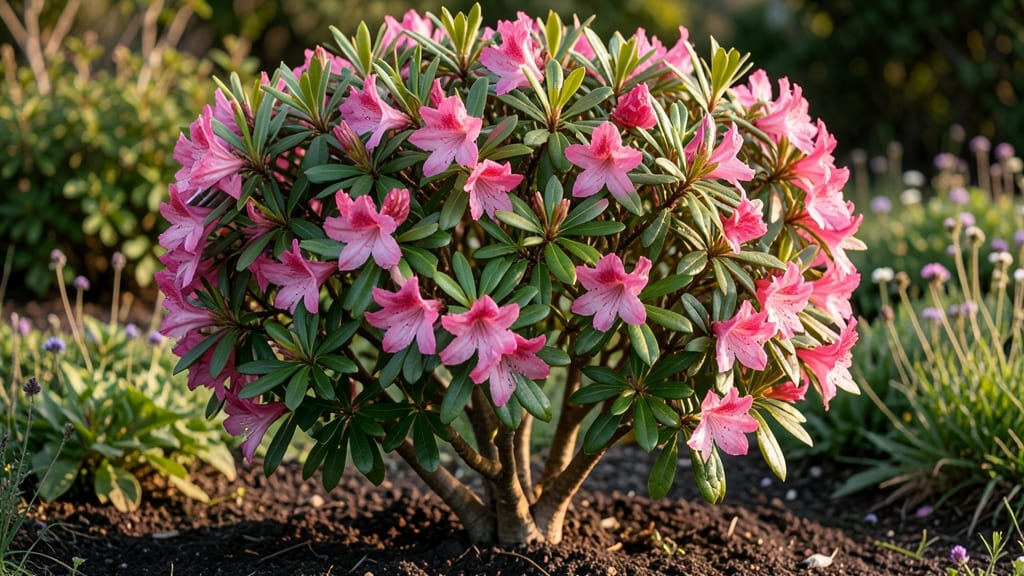
The moment I spotted those jagged brown edges on my pink azaleas, it was the azalea bush leaf giving away the problem before the show even started.
Crispy edges weren’t just drought—it was lace bugs or leaf spot doing damage. The good news? Copper spray can turn those crispy edges into lush, vibrant foliage again.
This isn’t about drastic pruning—it’s about targeted fixes. First, confirm the problem: lace bugs leave sticky residue, while leaf spot creates yellow spots before browning. Once you know the culprit, copper spray (applied every 10-14 days) stops the spread.
For lace bugs, a strong spray also knocks them off the undersides of leaves.
Within 2-3 weeks, you’ll see new growth pushing out from the center, and those crispy edges will soften as the plant focuses on recovery. The key is consistency—don’t skip applications, and pair it with proper watering to help the plant bounce back faster.
Works for all azalea types, from evergreen to deciduous, and tackles both pests and fungal issues. Here’s how to diagnose, treat, and prevent future damage so your azaleas stay glossy and thriving all season.
Root Causes Of Leaf Stress
Understanding why your azalea bush leaves develop crispy, brown edges—or worse, curl and drop—starts with identifying the hidden triggers lurking in your care routine. These issues rarely appear overnight; they’re often the result of gradual, overlooked stressors.
Let’s break down the science-backed culprits behind leaf damage and how they sabotage your plant’s health.
Azaleas thrive in consistently moist (but not soggy) soil, and their leaves scream for help when watering habits go awry.
- Underwatering: When soil dries out completely, roots struggle to deliver water to leaves.
This causes desiccation—edges turn crispy and brittle as cells lose moisture faster than they can replenish it. Pro tip: Stick your finger 1-2 inches deep into the soil; if it’s bone-dry, it’s time to water. - Overwatering: While azaleas love moisture, poor drainage or excessive watering leads to root rot.
Affected roots can’t absorb nutrients or water efficiently, causing leaves to yellow, then brown at the edges. Watch for: Soil that stays damp for days or puddles forming after watering. - Hard Water Buildup: Minerals like calcium and magnesium in hard water create a salty crust on soil, blocking water uptake.
Over time, this mimics drought stress, even if the soil appears wet. Fix it: Use rainwater or filtered water and flush the soil occasionally with distilled water.
Azaleas are partial-shade lovers, and too much direct sunlight—especially in hot climates—can fry their leaves faster than you’d think.
- Sudden Sun Exposure: If your azalea was previously shaded (e.g., under a tree) and is moved to full sun, leaves can develop sun scorch.
The edges turn brown and papery, similar to how human skin burns. Solution: Acclimate gradually by moving it to dappled sunlight over 7–10 days. - Heatwaves: Temperatures above 90°F (32°C) stress azaleas, causing leaves to wilt and crisp.
The damage often starts at the edges, where cells are most vulnerable. Pro tip: Provide afternoon shade during heatwaves with a lightweight shade cloth (30–50%). - Wind Burn: Strong, dry winds evaporate moisture from leaves faster than roots can replace it.
This leads to brown, brittle edges, especially on exposed branches. Fix: Plant azaleas in sheltered spots or use windbreaks like burlap screens.
Azaleas are tender perennials and can’t handle extreme temperature fluctuations. Here’s how cold stress manifests:
- Frost Bite: When temperatures dip below 28°F (-2°C), azalea leaves develop brown, crispy edges as cell membranes rupture. Prevent it: Mulch heavily (3–4 inches of pine straw or wood chips) and cover plants with frost cloth during freezes. - Rapid Temperature Changes: Moving azaleas from a cool greenhouse to a hot patio (or vice versa) shocks the plant.
Leaves may curl and brown as they struggle to adjust. Solution: Let plants acclimate for 2–3 days before moving them outdoors. - Winter Desiccation: In winter, dry, cold winds can suck moisture from leaves even if roots are frozen.
This causes brown, papery edges—a condition called winter burn. Combat it: Water deeply before the first hard freeze to ensure roots have a moisture reserve.
While often overlooked, pathogens can turn azalea leaves into a crispy mess. Here’s how to spot them:
- Leaf Spot Diseases (e.g., Phyllosticta or Septoria): These fungi thrive in humid, stagnant conditions and create brown, circular spots with crispy edges.
Over time, spots merge, causing leaves to yellow and drop. Signs: Dark spots with halos or white fungal growth on undersides. - Bacterial Leaf Spot: Caused by Pseudomonas syringae, this bacteria creates water-soaked spots that turn brown and crispy with a yellow halo.
Unlike fungal spots, bacterial damage is often irregularly shaped. *Spreads via: Splashing water or contaminated pruners. - Powdery Mildew: While less common on azaleas, this fungus appears as white, powdery patches that can lead to brown, dead leaf edges.
It thrives in poor airflow** and high humidity. Prevent it: Space plants for air circulation and avoid overhead watering.
Azaleas are acid-loving plants (pH 4.5–6.0), and soil imbalances can cause leaf edges to burn or yellow in distinctive patterns.
- Iron Chlorosis: Low iron (common in alkaline soils) causes yellowing between leaf veins with brown, crispy edges.
Azaleas can’t uptake iron when soil pH is too high. Fix: Apply chelated iron or sulfur to lower pH gradually. - Magnesium Deficiency: Older leaves develop brown edges with yellowing in between as magnesium (essential for chlorophyll) becomes scarce. Solution: Use Epsom salt (1 tbsp per gallon of water) as a foliar spray or soil drench. - Salt Buildup: Over-fertilizing or using tap water high in salts leads to brown, scorched edges.
The plant “burns” from excess minerals. Remedy: Flush soil with distilled water and avoid fertilizing during drought stress.
While not always obvious, pests can weaken azaleas, making leaves more susceptible to crisping.
- Spider Mites: These tiny pests suck sap from leaves, causing silver stippling that turns brown and crispy as cells die. Look for: Fine webbing on undersides of leaves. Control them: Spray with neem oil or release predatory mites.
- Scale Insects: These sap-sucking bugs (often mistaken for bumps) excrete honeydew, which fosters sooty mold—a black fungus that blocks sunlight and stresses leaves. Result: Leaves develop brown, brittle edges. Treatment: Scrape off scales with a soft brush or use horticultural oil.
- Azalea Lace Bugs: These pests skeletonize leaves (eat tissue between veins), leaving a lacy, browned appearance. Signs: Tiny black specks (feces) on leaf undersides. Solution: Blast off with water or apply insecticidal soap.
Azaleas are light feeders, and too much fertilizer—especially high-nitrogen or synthetic blends—can burn leaf edges.
- Salt Burn: Excess salts from fertilizers disrupt cell function, causing brown, crispy margins. Symptoms: Damage appears within days of fertilizing. Prevent it: Use slow-release, acid-loving fertilizer (like cottonseed meal) and water deeply after applying.
- Herbicide Drift: If your azalea is near a lawn treated with broadleaf herbicides (e.g., 2,4-D), leaves may develop brown, curled edges as the chemical is absorbed. Solution: Move potted azaleas away from treated areas or use organic mulch barriers.
Sometimes, the issue isn’t biological—it’s mechanical or environmental.
- Wind or Hail Damage: Physical trauma from strong winds or hail can crush leaf cells, causing edges to turn brown and brittle. Recovery: Prune damaged leaves and protect plants with windbreaks in storm-prone areas.
- Transplant Shock: Moving azaleas—even with care—can stress roots, leading to temporary leaf crisping as the plant adjusts. Reduce shock: Water deeply before and after transplanting and avoid moving during heatwaves or cold snaps.
- Poor Air Circulation: **Stagnant, humid
Quick Fixes for Damaged Foliage
Reviving your azalea bush’s crispy or unhealthy leaves starts with identifying the root cause—whether it’s environmental stress, pests, or disease. Below, we’ve mapped out practical, step-by-step solutions tailored to each issue, along with prevention tips to keep your shrub lush and vibrant.
Cause: Direct afternoon sun or extreme heat causes leaf edges to crisp and turn brown.
How to Fix It: 🔥 Step 1: Provide Shade Move your azalea to a spot with morning sun and afternoon shade (east or north-facing exposure works best). If relocating isn’t an option, use a lightweight shade cloth (30-50%) during peak sun hours (11 AM–4 PM).
🍳 Step 2: Water Deeply & Consistently - Water in the early morning (before 10 AM) to reduce evaporation. - Soak the root zone (12–18 inches deep) every 2–3 days during dry spells.
Use a moisture meter to check soil—it should feel like a damp sponge, not dry sand. - Mulch heavily with 2–3 inches of organic mulch (pine bark or shredded leaves) to retain moisture and cool roots.
👨🍳 Step 3: Adjust Watering Practices
- Avoid overhead watering (it encourages fungal issues). Use drip irrigation or soaker hoses instead.
- If your soil drains too quickly (sandy soil), amend it with compost to improve water retention.
💡 Pro Tip: If your azalea is in a container, switch to a larger pot (one size up) and use well-draining potting mix with added peat moss.
Cause: Tiny pests suck sap, causing yellowing, stippling, or brown, crispy edges on leaves.
How to Treat It: 🔪 Step 1: Knock Off Visible Pests
- Blast off pests with a strong stream of water from a hose (early morning or evening).
- Wipe leaves with a soapy water solution (1 tsp mild dish soap + 1 quart water). Test on a small area first!
🌿 Step 2: Apply Natural or Chemical Controls - For mild infestations: - Neem oil spray (1 tbsp neem oil + 1 tsp mild soap + 1 quart water).
Spray every 5–7 days for 2–3 weeks. - Insecticidal soap (follow label instructions). - For severe infestations: - Systemic insecticide (like acephate or imidacloprid) applied early in the season (spring) for long-term control.
⏰ Step 3: Monitor & Repeat
- Check leaves undersides (pests love hiding there!).
- Prune heavily infested branches and dispose of them in a sealed bag.
🎯 Prevention Tip: Encourage beneficial insects like ladybugs and lacewings by planting companion flowers (e.g., marigolds, alyssum) nearby.
Cause: Overly wet leaves or poor airflow lead to fungal growth, causing brown, crispy patches.
How to Cure It: 🍳 Step 1: Improve Air Circulation
- Prune back dense growth to allow sunlight and air to reach the center.
- Space plants 3–5 feet apart if growing in a garden bed.
🌡️ Step 2: Adjust Watering & Fungicide Use
- Water at the base (avoid wetting foliage).
- Apply a copper fungicide spray (like Bonide Copper Fungicide) every 7–10 days for 3–4 weeks.
- For powdery mildew, mix 1 tsp baking soda + 1 quart water + a few drops of soap and spray leaves every 7 days.
💡 Pro Tip: Avoid overhead sprinklers—switch to drip irrigation or a watering wand with a nozzle.
Cause: Yellowing between leaf veins (iron deficiency) or pale, weak new growth (nitrogen deficiency) can lead to crispy edges.
How to Fix It: 📊 Step 1: Test Your Soil
- Use a home soil test kit or send a sample to your local extension office for a full analysis.
🥗 Step 2: Amend Soil or Fertilize
- For iron deficiency:
- Apply chelated iron supplement (like Ironite) in early spring.
- Lower soil pH slightly (azaleas prefer 4.5–6.0) by adding sulfur or peat moss.
- For nitrogen deficiency:
- Use a balanced acid-loving plant fertilizer (like 10-10-10 or 16-4-8) in early spring and mid-summer.
💪 Step 3: Feed Regularly
- Fertilize every 6–8 weeks during the growing season (spring–fall).
- Avoid over-fertilizing—this can burn roots and worsen issues.
If your azalea’s leaves are heavily crispy or dying, don’t panic—follow this emergency care plan:
- Prune Dead Branches 🔪
- Use clean, sharp pruners to remove any brown, brittle, or dead wood.
- Cut back to healthy green growth (just above a leaf bud or side branch).
- Deep Water & Mulch 💦
- Soak the root zone thoroughly.
- Reapply mulch (2–3 inches) to protect roots and retain moisture.
- Boost with Epsom Salt (Magnesium) ✨
- Mix 1 tbsp Epsom salt per gallon of water and spray on leaves once a month to improve chlorophyll production.
- Protect from Stress 🌿
- Avoid transplanting for at least 4–6 weeks.
- Shade cloth can help if moving isn’t an option.
✅ Water wisely – Deep, infrequent watering > light, daily sprinkles. ✅ Monitor pests early – Check leaves weekly during growing season. ✅ Prune for airflow – Thin out dense growth in late winter/early spring. ✅ Fertilize correctly – Use acid-loving plant food and avoid high-nitrogen lawn fertilizers. ✅ Mulch properly – 2–3 inches of organic mulch (keep it 2–3 inches away from the trunk).
With these targeted fixes, your azalea should bounce back in 4–8 weeks, sporting glossy, healthy leaves once again. 🌸💚
Frequently asked questions about azalea bush leaves
Why are my azalea leaves turning brown at the edges?
Brown edges on azalea leaves usually signal environmental stress, often from underwatering, sunburn, or wind damage. Check soil moisture first—azaleas need consistently damp (not soggy) soil. If the soil is dry, water deeply. For sunburn, move your plant to partial shade (especially afternoon sun). Wind damage requires windbreaks or shelter.
How do I tell if my azalea leaves have pests or disease?
Pests like lace bugs or spider mites leave tiny black specks (feces) or fine webbing on leaf undersides, causing yellow stippling that turns brown. Diseases like leaf spot create circular brown spots with crispy edges, often with yellow halos. Check undersides and stems—pests hide there!
Can I prune azalea leaves with brown edges?
Yes, but only prune dead or heavily damaged leaves—never more than 1/3 of the plant at once. Use clean, sharp pruners to cut just above a leaf bud. Avoid pruning during active growth periods (spring/summer). Focus on removing crispy edges to encourage new growth.
What’s the best way to prevent azalea leaf problems?
Keep soil moist but well-draining, mulch with 2-3 inches of organic material, and water at the base (never overhead). Use acid-loving fertilizer (like cottonseed meal) in spring, and monitor for pests weekly. Morning sun with afternoon shade works best for most varieties.
Will my azalea recover from crispy leaf edges?
Yes! With proper care, azaleas are resilient. Remove damaged leaves, adjust watering/shade, and treat any pests/diseases. New growth should emerge from the center within 4-8 weeks. For severe cases, a copper fungicide spray or neem oil can speed recovery. Patience is key—don’t over-prune!