
Pests and Diseases
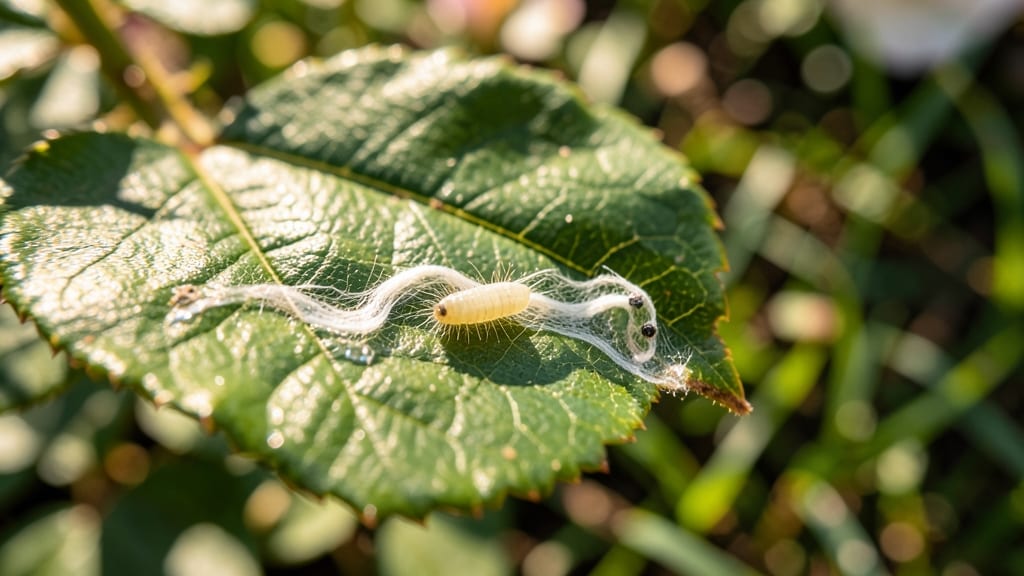
Your plants are speaking to you when you notice insect leaf damage identification—those chewed edges, mysterious spots, or skeletonized patterns are clues begging to be decoded. 🌿 I’ve spent years watching aphids, beetles, and caterpillars leave their calling cards, and the patterns are shockingly distinct once you know what to look for.
A single jagged edge here or a cluster of tiny holes there? That’s not just "leaf damage"—it’s a direct message from a specific pest.
The key is matching the damage to the culprit: aphids leave behind sticky residue, caterpillars create neat rows of chewed leaves, and beetles often chew notches along edges. These visual clues save you from guessing—and from wasting time on the wrong fixes.
I’ll walk you through the most common signs, so you can spot the problem before it spreads.
Once you recognize the pattern, solving it gets easier. Most pests respond to targeted sprays, handpicking, or introducing beneficial insects, but the first step is always knowing what you’re dealing with. You’ll feel like a detective in your own garden, catching problems before they derail your season.
This works for every plant—vegetables, flowers, or shrubs—and even helps you tell insect damage apart from disease or environmental stress. Let’s decode those leaves together.
Root Causes Of Leaf Damage
Understanding why insects target your plants is the first step in preventing future damage. Leaf damage isn’t just random—it’s a response to specific conditions that make your garden an inviting buffet for pests.
Below, we break down the key triggers behind insect leaf damage, from environmental factors to plant health, so you can address the root issue and protect your foliage.
A struggling plant is like an open invitation for insects. When plants are stressed, their natural defenses (like tougher leaves or bitter-tasting compounds) weaken, making them easier targets. Here’s why this happens:
- Nutrient Deficiencies 📊 Plants lacking essential nutrients (especially nitrogen, phosphorus, or potassium) produce weaker, thinner leaves that are easier for insects to chew. For example, aphids and spider mites thrive on nitrogen-deficient plants because the leaves lack the protective compounds found in healthy foliage.
- Overwatering or Underwatering 💧
- Overwatering creates soggy, soft leaves—ideal for slugs, snails, and leaf miners, which burrow into weak tissue.
- Underwatering stresses plants, causing them to produce sugary sap (a snack for scale insects and mealybugs).
- Disease or Fungal Infections 🍄 Fungi like powdery mildew or rust damage leaf surfaces, creating entry points for pests. Japanese beetles, for instance, prefer leaves already compromised by disease.
Insects don’t just appear out of nowhere—they’re drawn to environments that suit their survival. Common triggers include:
- High Humidity 🌫️ Moist conditions encourage soft-bodied pests like whiteflies and thrips, which thrive in damp, shaded areas. Overhead watering (especially in the evening) can also create a pest-friendly microclimate.
- Drought Conditions 🔥 Drought-stressed plants produce sticky honeydew (a byproduct of stress), which attracts ants (who farm aphids) and sooty mold (a fungal hitchhiker on honeydew).
- Poor Air Circulation 🌀 Stagnant air traps moisture and heat, creating ideal conditions for mites and fungus gnats. Prune overgrown branches and space plants properly to improve airflow.
When plants are packed too closely together, they compete for resources—and pests take advantage. Here’s how overcrowding fuels damage:
- Reduced Sunlight ☀️ Shady spots under dense foliage stay damp longer, promoting slugs, earwigs, and leaf spot diseases, which weaken leaves and make them easier for insects to attack.
- Harboring Hiding Spots 🕷️ Tight spaces provide shelter for pests like caterpillars and beetles, allowing them to go undetected while they feed. Example: Tobacco hornworms hide in dense tomato plants, stripping leaves unnoticed until it’s too late.
- Pollen and Nectar Overload 🌸 Overcrowded flowering plants (like basil or squash) produce excess pollen and nectar, which attracts pollinator pests (e.g., bees that become aggressive or syrphid flies that lay eggs near aphids).
Plants under chemical stress (from fertilizers, pesticides, or soil toxins) often emit signals that insects find irresistible. Key culprits:
- Excess Fertilizer (Especially Nitrogen) 💥 Rapid, soft new growth is a magnet for sap-sucking insects like aphids and whiteflies. These pests thrive on the high-sugar content of over-fertilized leaves.
- Pesticide Resistance 🛡️ Overusing broad-spectrum pesticides can kill natural predators (like ladybugs or lacewings), leading to pest explosions. Example: Spraying for caterpillars might wipe out parasitic wasps, allowing the pests to rebound unchecked.
- Soil Toxicity (Heavy Metals, Salt Buildup) 🧪 Plants growing in contaminated soil (e.g., near roads with salt or in urban areas with lead) may produce bitter or toxic compounds—but some insects (like leaf beetles) are adapted to feed on these stressed plants.
Insect populations surge during specific weather patterns, making some seasons riskier than others:
- Warm Springs 🌤️ Early warmth triggers egg-hatching for pests like Japanese beetles and tent caterpillars, leading to rapid infestations.
- Hot, Dry Summers 🔥 Drought-stressed plants release volatile organic compounds (VOCs) that attract bark beetles and leafhoppers, which feed on stressed foliage.
- Cool, Wet Falls 🌧️ Fungal growth spikes in fall, weakening leaves and making them vulnerable to fall webworms and cankerworms.
Some damage is inevitable—it’s part of the circle of life in gardens. Understanding insect life stages helps predict (and prevent) outbreaks:
- Overwintering Eggs ❄️ Many pests (like gypsy moths or colorado potato beetles) lay eggs in fall that hatch in spring, timing their attack with new leaf growth.
- Generational Outbreaks 🔄 Some insects (e.g., spotted lanternflies) have short life cycles, allowing multiple generations to feed on your plants in one season.
- Predator-Prey Imbalances 🕸️ If natural predators (like birds, spiders, or ground beetles) are absent, pests like caterpillars or cutworms can decimate leaves without resistance.
Catching damage early means fewer pests. Keep an eye out for:
- Wilting or yellowing (sign of sap-suckers like aphids).
- Silken webbing (tent caterpillars or spider mites).
- Holes or notches (beetles or caterpillars).
- Sticky residue (honeydew from scale insects).
By addressing these root causes—whether through better plant care, smart garden layout, or seasonal monitoring—you’ll disrupt the conditions that invite pests in the first place. 🚫🐜
Fixing Foliage Fiascos Fast
Once you’ve identified the culprit behind your plant’s leaf damage, it’s time to act! Below are practical, step-by-step solutions tailored to common insect pests, along with prevention tips to keep your garden thriving. Think of this as your emergency repair kit for leafy greens—no green thumb required!
Fix: 🔥 Handpick the pests (yes, really!)—especially in the morning when they’re sluggish. Drop them into soapy water for a quick, humane dispatch. 👨🍳 Pro tip: Wear gloves to avoid getting sticky sap on your hands.
🍳 Neem oil spray (1 tsp neem oil + 1 tsp mild soap + 1 quart water) disrupts their life cycle. Spray under leaves where eggs hide. Repeat every 5–7 days until pests vanish.
🌿 Row covers (lightweight fabric) act as a physical barrier for young plants. Secure edges with soil or rocks to deter beetles.
Prevent: ✨ Plant companion crops like marigolds or basil—these repel beetles naturally. 🎯 Rotate crops annually to starve pests of their favorite hosts.
Fix: 🔪 Blast them off with a strong stream of water (early morning works best). This washes away eggs and adults.
🌡️ Increase humidity—mites thrive in dry air. Use a hose or misting bottle daily if your climate is arid.
💡 Sticky traps (yellow cards coated with petroleum jelly) catch thrips mid-flight. Place them near affected plants.
Prevent: 🔥 Prune regularly to improve airflow—mites love crowded, dusty leaves. 🥗 Encourage beneficial insects like ladybugs or lacewings (buy them online or attract with dill or fennel).
Fix: 🚿 Soap spray (1 tbsp castile soap + 1 quart water) smothers aphids. Spray directly on clusters—avoid overspraying flowers.
🐝 Introduce ladybugs—they’re aphid-eating machines! Release them at dusk for best results.
🔪 Scrape off scale insects with a soft brush dipped in rubbing alcohol (70% isopropyl). Wear gloves—this stuff stings!
Prevent: 🌱 Grow resistant varieties like nasturtiums (they deter aphids). 📊 Monitor new growth—aphids love tender shoots. Inspect weekly!
Fix: 💦 Hose them down—sawfly larvae are slow and easy to dislodge. Focus on new growth where they cluster.
🌿 Bt (Bacillus thuringiensis)—a natural bacteria that kills caterpillars (including sawflies) without harming bees. Mix as directed and spray at dusk.
🔥 Remove heavily infested leaves and compost them far from your garden (or burn them).
Prevent: ✨ Plant trap crops like dill or parsley to lure sawflies away from prized plants. 🎯 Avoid over-fertilizing—lush growth attracts more pests.
- 🌱 Healthy soil = healthy plants. Amend with compost to boost resilience.
- 🕒 Early intervention is key. Catch pests before they spread!
- 🌡️ Mulch properly—it retains moisture and deters crawling insects.
Remember: Patience is key! Some fixes take 2–4 weeks to show results. Combine methods for the best defense. Now go forth and save those leaves—your garden will thank you! 🌿💚
Frequently asked questions
How do I tell if leaf damage is from insects vs. disease?
Insect damage usually has distinct patterns like chewed edges, holes, or skeletonized leaves (only veins remain). Diseases often show as spots, discoloration, or mold, and may spread without clear feeding marks. Check for actual pests or eggs—if you see tiny creatures or webbing, it’s insects.
What are the most common insects that damage leaves?
The top culprits include aphids (sticky residue), caterpillars (irregular holes), beetles (notched edges), spider mites (fine webbing), and leaf miners (blister-like trails). Each leaves a unique signature—compare your findings to these patterns.
Can I use household items to treat insect leaf damage?
Yes! Try soapy water (1 tbsp mild soap per quart) for soft-bodied pests like aphids, or neem oil (1 tsp + 1 quart water) for a natural repellent. For beetles, a strong water spray in the morning often dislodges them. Always test small areas first.
Why do some plants get damaged while others nearby stay healthy?
Healthier plants often resist pests better due to stronger defenses. Factors like nutrient levels, watering consistency, and genetics play a role. For example, nitrogen-deficient plants attract more aphids, while resistant varieties naturally deter pests.
How often should I inspect my plants for early signs?
Check your plants weekly during growing seasons, focusing on new growth and undersides of leaves where pests hide. Early detection means quicker solutions—some infestations can double in just 3-5 days if left unchecked.