
Pruning
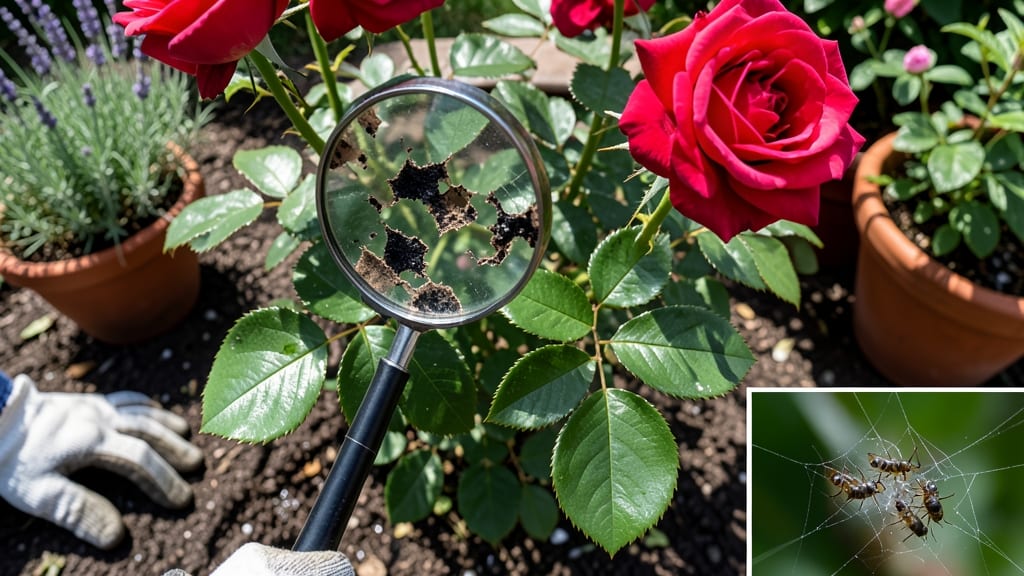
Rose bush leaf damage from fungal spots doesn’t have to mean the end of your bushes—spot-treating them early can save your plants. 🌿 I’ve watched black spot turn lush roses into skeletal shadows, but a few minutes of action now prevents weeks of struggle later.
The key is catching those dark, greasy-looking spots before they spread to every leaf.
These spots start small—like someone dropped ink on your leaves—and multiply fast in damp weather. Black spot thrives when leaves stay wet for hours, turning vibrant green into a sad, spotted mess.
The good news? You can stop it before it ruins your blooms with simple tools you probably already have.
Prune infected leaves immediately (don’t compost them!), then spray with a mix of baking soda and soap—it’s organic, effective, and won’t harm pollinators. Repeat every 7–10 days until new growth stays spot-free. Within weeks, your roses will bounce back with fresh, disease-resistant foliage.
Prevention is even easier: water at the base, not overhead, and prune for airflow. A little care now means fewer headaches—and more blooms—next season. Let’s get those leaves healthy again.
Root Causes Of Leaf Stress
Rose bushes are resilient, but their leaves can suffer damage from a mix of environmental, biological, and cultural factors. Understanding why these issues arise is the first step to prevention—and saving your prized plants.
Below, we break down the most common culprits behind leaf damage, from microscopic invaders to simple oversights.
Fungal pathogens are the #1 reason rose leaves develop unsightly spots, discoloration, or holes. These organisms thrive in warm, humid conditions and can spread rapidly if left unchecked.
- Black Spot (Diplocarpon rosae)
This notorious fungus causes dark, circular lesions with yellow halos on leaves. It weakens the plant by blocking photosynthesis, leading to defoliation. Spores spread via wind, water, and garden tools—often worsening in shady, damp areas.
- Powdery Mildew (Erysiphe spp.)
A white, powdery coating on leaves signals this fungal infection, which thrives in poor air circulation and high humidity. Unlike black spot, it doesn’t kill leaves outright but stunts growth by smothering foliage and reducing sunlight absorption.
- Rust (Phragmidium mucronatum)
Look for orange, pustule-like spots on the undersides of leaves—this is rust in action. The fungus overwinters in fallen leaves and re-emerges when conditions are moist. Severe cases cause premature leaf drop and weakened stems.
💡 Pro Tip: Fungal spores love moisture. Water roses early in the day (before evening humidity peaks) and avoid overhead sprinkling to keep leaves dry.
Insects don’t just nibble—they chew, suck sap, and leave behind toxic waste that distorts or kills leaf tissue. Some pests are so small you might miss them until the damage appears.
- Japanese Beetles
These metallic-green invaders skeletonize leaves by eating the soft tissue between veins. Their larvae (grubs) also attack roots, further stressing the plant. Outbreaks peak in late summer when roses are flowering.
- Aphids & Spider Mites
Aphids cluster on new growth, injecting toxins that cause curled, sticky (honeydew-coated) leaves. Spider mites, meanwhile, spin fine webs and create stippled, yellowed patches. Both thrive in dry, dusty conditions.
- Rose Slugs (Sawfly Larvae)
These gray, caterpillar-like pests defoliate roses by eating entire leaves, leaving only the midrib. Unlike caterpillars, they lack legs and move in a slug-like motion—hence the name.
🌡️ Warning Sign: Yellowing leaves with no visible holes often signal aphids or mites, while large, irregular chew marks point to beetles or slugs.
Even the hardiest roses struggle when their environment goes haywire. Extreme weather, poor soil, or improper care can trigger leaf damage faster than pests or disease.
- Heat & Sunburn
Intense sunlight (especially in hot, dry climates) causes leaves to scorch, turning brown and crispy at the edges. Young, tender leaves are most vulnerable. Variegated roses are particularly at risk due to their lighter foliage.
- Cold Damage & Frost
Sudden freezes (<32°F/0°C) can cause blackened, mushy leaf spots or winter burn (brown edges). Everblooming roses, which grow late into fall, are especially susceptible.
- Water Stress (Over/Under)
Issue Symptoms Cause Overwatering Yellowing leaves, wilting, fungal growth Poor drainage or soggy soil (roots suffocate) Underwatering Dry, brittle edges; leaf drop Inconsistent watering or shallow roots - Nutrient Deficiencies
Leaves may develop interveinal chlorosis (yellowing between veins) due to iron/manganese deficiency (common in alkaline soils) or purple stems from phosphorus lack.
✨ Quick Fix: Mulch with 2–3 inches of organic matter (like compost or bark) to regulate soil temperature and retain moisture—reducing stress from both heat and cold.
Sometimes, well-meaning gardeners accidentally create the perfect storm for leaf damage. Here’s how:
- Over-Fertilizing
Excess nitrogen promotes soft, sappy growth that attracts pests and fungi. Salt buildup from synthetic fertilizers can also cause leaf burn (brown, crispy edges).
- Pruning Wrong
Cutting too late in the season (after new growth hardens off) or removing too much foliage exposes the plant to sun scald and reduces its ability to photosynthesize.
- Poor Airflow
Planting roses too closely or near dense shrubs traps humidity, inviting fungal diseases. Aim for 3–4 feet of spacing between bushes.
- Using Contaminated Tools
Pruners, shears, or even gloves can carry fungal spores from infected plants to healthy ones. Sanitize tools with rubbing alcohol between cuts.
🔥 Remember: Roses need balance—too much of anything (water, sun, fertilizer) throws them off-kilter.
Quick Fixes for Healthy Rose Leaves
Revive your rose bush with these targeted solutions—each tailored to the most common causes of leaf damage. From fungal spots to pest invasions, these steps will help you restore your roses’ lush, vibrant foliage without guesswork.
Fungal infections like black spot, powdery mildew, or rust thrive in damp conditions, turning leaves into a sad, spotted mess. Act fast to prevent the disease from moving to stems or buds.
🔥 Step 1: Prune the Problem Areas
- Use sterilized pruners (wipe with rubbing alcohol between cuts) to remove all infected leaves and stems—don’t leave even a tiny spot behind.
- Dispose of clippings in the trash (not compost) to avoid reinfection.
🍳 Step 2: Apply a Fungicide
- Store-bought options: Look for copper-based fungicides (like Bonide Copper Fungicide) or neem oil solutions (1 tsp neem oil + 1 tsp mild soap per quart of water).
Spray evenly on both leaf sides in the early morning or late evening (when humidity is lower). - Homemade remedy: Mix 1 quart milk + 1 gallon water + a few drops of dish soap (lactic acid in milk inhibits fungal growth). Spray weekly until symptoms disappear.
🌡️ Step 3: Improve Airflow & Light
- Space plants 3–4 feet apart to reduce humidity buildup.
- Prune surrounding branches blocking sunlight or airflow.
- Water at the base (not overhead) and avoid evening watering to keep leaves dry.
✨ Prevention Tip:
- Mulch properly with 2–3 inches of organic mulch (like wood chips) to deter soil-borne fungi.
- Water early (before 10 AM) to allow foliage to dry quickly.
Chewed edges, tiny holes, or sticky residue? Pests like aphids, spider mites, or Japanese beetles are likely the culprits. Here’s how to evict them for good.
👨🍳 Step 1: Blast Off Pests with Water
- Aphids & spider mites: Spray leaves with a strong stream of water (early morning) to knock them off. Repeat every 2–3 days for severe infestations.
🔪 Step 2: Use Insecticidal Soap or Oil
- Insecticidal soap: Mix 2.5 tbsp mild castile soap + 1 quart water. Spray directly on pests (avoid blooms).
Reapply every 5–7 days. - Neem oil: Apply as a 1% solution (1 tbsp neem oil + 1 tsp soap per quart of water). Spray evenly, including undersides of leaves.
🐞 Step 3: Introduce Beneficial Predators
- Ladybugs or lacewings devour aphids. Buy them online or attract them with dill or fennel plants nearby.
- Birds love Japanese beetles—plant roses near bird-friendly areas to encourage natural pest control.
🎯 Prevention Tip:
- Remove fallen leaves (pests hide in them) and clean up debris around the base.
- Avoid over-fertilizing with nitrogen—soft new growth attracts pests.
Heatwaves, drought, or nutrient deficiencies can scorch or yellow leaves. Fix the underlying issue to see fast recovery.
💧 Step 1: Hydrate Properly
- Deep watering: Water 1–2 inches per week (check soil moisture—top inch should be dry before watering).
- Mulch: Add 2–3 inches of mulch to retain moisture and regulate soil temperature.
🌱 Step 2: Feed with the Right Nutrients
- Yellow leaves? Likely nitrogen deficiency. Use a balanced rose fertilizer (like 10-10-10) or compost tea.
- Brown, crispy edges? Could be potassium or calcium deficiency.
Try a banana peel tea (rich in potassium) or crushed eggshells (for calcium).
🌡️ Step 3: Shield from Extreme Conditions
- Heat stress? Provide afternoon shade with a lightweight cloth or plant heat-tolerant varieties (like ‘Knock Out’ roses).
- Cold damage? Cover roses with frost cloth in late fall or choose hardy varieties (e.g., ‘Dr. Huey’).
💡 Pro Tip:
- Test your soil (use a DIY kit from a garden center) to identify specific deficiencies before fertilizing.
If leaves are wilted, blackened, or covered in mold despite treatment, the problem might be deeper—like root rot or bacterial infection.
🔍 Step 1: Diagnose the Root Cause
- Root rot? Soil feels soggy, stems are mushy at the base, and leaves yellow quickly.
- Bacterial infection? Dark, water-soaked spots that ooze when touched.
🌱 Step 2: Take Drastic (But Effective) Action
- For root rot:
- Dig up the rose, trim all blackened roots, and dip healthy roots in hydrogen peroxide (3%) for 10 minutes to sterilize.
- Repot in fresh, well-draining soil and water sparingly until new growth appears.
- For bacterial infection:
- Remove the entire plant (bacteria spread easily).
Sterilize tools and do not compost infected material. - Replace soil in the area to prevent reinfection.
🛡️ Prevention Tip:
- Improve drainage by amending soil with perlite or sand.
- Rotate planting locations every few years to avoid soil-borne diseases.
Remember: Consistency is key! Check your roses weekly for early signs of trouble, and act before damage spreads. With these fixes, your rose bush will be back to its glorious, leafy self in no time. 🌹✨
Frequently asked questions
Why do rose leaves develop black spots even after pruning?
Black spot spores linger on tools, soil, and fallen leaves. Always sterilize pruners with rubbing alcohol and remove infected leaves from the garden (not compost). The fungus spreads via water splashes, so water at the base and avoid overhead spraying. Repeat fungicide treatments every 7-10 days until new growth appears spot-free.
Can I save my rose bush if half the leaves are already damaged?
Yes! Focus on pruning out all infected leaves and improving airflow. Apply a fungicide (copper-based or neem oil) and mulch with 2-3 inches of organic matter to prevent reinfection. With consistent care, new growth will emerge within 4-6 weeks. Monitor for pests too—they exploit stressed plants.
How do I tell if my rose leaves are damaged by pests or disease?
Check the leaf undersides—pests like spider mites leave fine webs, while fungal diseases show powdery coatings or orange pustules. Look for honeydew residue (sticky spots) for aphids. Diseased leaves often have irregular brown spots with yellow halos, while pests create chewed edges or tiny holes.
Will my roses bloom again if I lose most of their leaves?
Yes, but you may see fewer blooms that season. Focus on root health—deep water and mulch to support recovery. Prune only diseased leaves (never more than 1/3 of the bush at once). Healthy roots will produce new growth and blooms within 6-8 weeks, though the first flush might be smaller.
How often should I inspect my rose bushes for early damage?
Check leaves weekly during growing season (spring-fall). Early signs like tiny yellow spots or sticky residue are easier to treat than full-blown infections. After rain or high humidity, inspect again—fungal spores spread fastest when leaves stay wet. A quick 5-minute scan prevents weeks of struggle!