
Picking
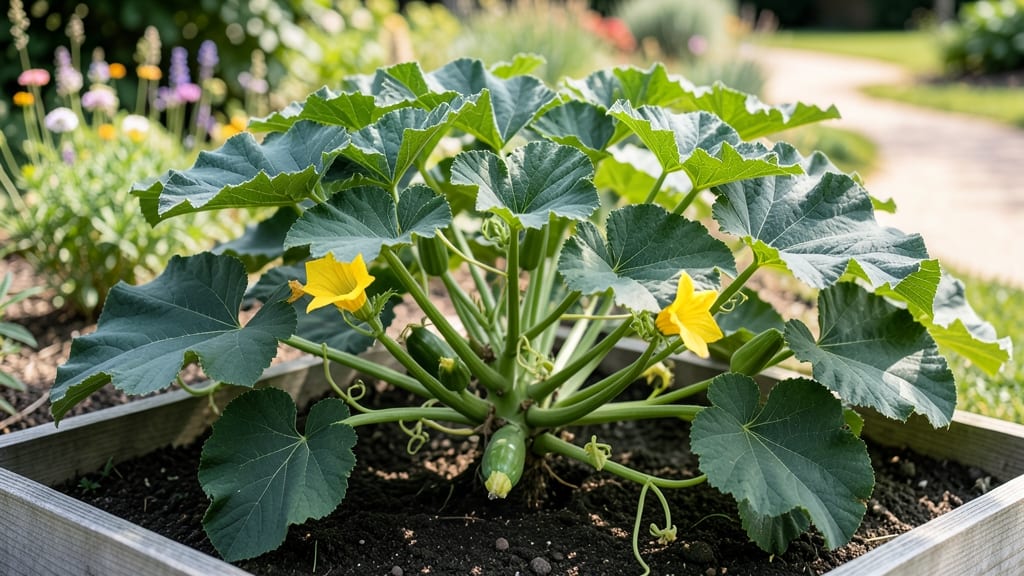
Your zucchini squash leaf identification just got easier—no more guessing whether those vines belong to zucchini, yellow squash, or pumpkins. 🌿 The key is in the leaf shape, veins, and edges, and I’ll show you exactly how to spot the differences in seconds.
Zucchini leaves are broad with jagged, almost sawtooth edges, while squash leaves tend to be more rounded with smooth or slightly lobed edges. Healthy leaves should be deep green and glossy, but watch for powdery white residue (powdery mildew) or dark spots (bacterial wilt)—both mean action time.
Once you know what’s normal, you’ll catch problems early: chewed edges (squash bugs), wilting (vine borers), or yellowing (nutrient issues). A quick leaf check now saves hours of mystery later. This works for summer squash, winter squash, and pumpkins too. Let’s get those plants thriving!
📚 In This Guide
- What you need
- Instructions
- Tips and common mistakes
- Wrapping up and next steps
What you need
- ● Fresh zucchini and squash plants: At least 2-3 healthy plants of each type (zucchini and squash) for comparison. If you’re unsure, bring samples from your garden or a local farm.
- ● Hand lens or magnifying glass: A 10x magnification lens helps spot fine details like leaf texture, veins, and hairiness.
- ● Notebook or digital device: For jotting down observations (or snapping photos!). A pen or stylus is handy for quick notes.
- ● Ruler or measuring tape: To measure leaf width, length, and stem thickness (12-inch tape measure works great).
- ● Pruning shears or sharp scissors: For safely snipping small leaf samples (sterilized blades prevent disease spread).
- ● Reference guide or app: A printed botanical guide (like Vegetable Gardener’s Bible) or a plant ID app (e.g., PlantNet or PictureThis) for cross-checking.
- ● Gloves: Lightweight gardening gloves protect your hands from prickly stems or sap.
- ● Camera with macro mode: High-resolution photos capture leaf details for later analysis.
- ● Field guidebook on cucurbits: Specialized books (e.g., Cucurbits: Botany, Cultivation, and Biodiversity) offer deep dives into plant families.
- ● UV flashlight: Reveals hidden patterns in veins or leaf surfaces under ultraviolet light.
- ● Local gardening community: A fellow gardener or two to double-check your findings!
Quick visual guide to zucchini vs. squash leaf identification
Here’s how to spot the differences in seconds—no gardening degree required.
🌿 Step 1: Check Leaf Shape and Texture
Zucchini leaves are broad, slightly lobed, and have a rough, sandpapery texture when you run your fingers across them. Think of a maple leaf’s cousin—slightly jagged but not deeply cut. Squash leaves, on the other hand, are smoother and more rounded, with a softer, almost waxy feel. Hold a leaf in each hand: the zucchini’s edge feels like fine grit, while the squash’s is silky.
Look at the veins too. Zucchini leaves have prominent veins that branch out like a tree, while squash leaves have more parallel veins running toward the stem. This is your first clue—zucchini’s veins are bolder and more chaotic, while squash’s are orderly.
🌱 Step 2: Examine the Stem and Growth Pattern
Zucchini plants grow bushier, with stems that are slightly hairy and a deeper green. The leaves attach directly to the stem at wider angles, almost like they’re sprawling outward. Squash stems are smoother and more upright, with leaves that grow more vertically along the stem. If you’re holding a stem, zucchini feels slightly fuzzy, while squash is almost bare.
Watch how the leaves grow too. Zucchini leaves tend to fan out in all directions, while squash leaves grow more uniformly upward. This difference is subtle but consistent—like comparing a wild vine to a neatly pruned bush.
☀️ Step 3: Compare the Leaf Color and Size
Zucchini leaves are a vibrant, deep green, almost glossy, especially when young. They’re also slightly larger, often reaching 6-8 inches wide. Squash leaves, while still green, have a matte finish and are a bit smaller, usually around 4-6 inches wide. Hold them up to a bright light: zucchini leaves reflect more light, while squash leaves absorb it.
Check the underside too. Zucchini leaves have a lighter green or almost white underside, while squash leaves stay uniformly green. This is a dead giveaway—flip the leaf and see which one looks paler underneath.
✂️ Step 4: Look for Flowers (If Present)
If your plant has flowers, this is the easiest way to confirm. Zucchini flowers are bright yellow, with a single stem and a more open, relaxed shape. Squash flowers are also yellow but tend to be slightly larger and more clustered. The key difference? Zucchini flowers grow directly from the leaf nodes, while squash flowers often grow on short side stems.
Even if no flowers are present, this is a great habit to start. Once you’ve identified a few leaves correctly, you’ll start recognizing patterns—like how zucchini leaves always seem to grow in a slightly chaotic, sprawling way, while squash leaves stay more structured.
Tips & tricks for quick zucchini vs. squash leaf identification
These fast tricks will help you tell these garden greens apart in seconds—no gardening experience needed.
Texture Test: The quickest way to distinguish them is by feel. Run your thumb along the leaf edge—zucchini leaves feel rough like sandpaper, while squash leaves are smooth and almost waxy. This texture difference is your first clue, especially when you're comparing fresh leaves. I learned this the hard way after mistaking zucchini leaves for squash in my garden!
Veins Tell All: Look at the veins when comparing leaves. Zucchini leaves have bold, branching veins that spread out like tree branches, while squash leaves have more parallel veins running toward the stem. Hold the leaves up to light to see this pattern clearly. This visual trick is especially helpful when you're looking at dried leaves or pressed samples.
Growth Pattern Clues: Observe how the leaves attach to the stem. Zucchini leaves grow outward at wider angles, almost sprawling, while squash leaves grow more vertically along the stem. This growth habit difference is subtle but consistent—think of zucchini as the wild child and squash as the neatly pruned plant.
Underside Secret: Flip the leaves over and check the undersides. Zucchini leaves often have a lighter green or almost white underside, while squash leaves stay uniformly green. This is a dead giveaway that works even when the tops look similar. I've used this trick to identify leaves in my garden when I wasn't sure which plant they came from.
Pro Tips for Zucchini Squash Leaf Identification
- These fast tricks will help you tell these garden greens apart in seconds—no gardening experience needed.
- Texture Test: The quickest way to distinguish them is by feel.
- Veins Tell All: Look at the veins when comparing leaves.
Frequently asked questions
Got questions about zucchini and squash leaf identification?
You’re not alone! Here are some of the most common queries gardeners and home cooks ask—plus clear, actionable answers to help you navigate the differences like a pro.
How do I quickly tell zucchini leaves apart from other squash leaves?
Zucchini (Cucurbita pepo) leaves are broad, lobed, and slightly hairy with jagged edges. Compare them to butternut squash leaves (deeply lobed, almost maple-like) or pumpkin leaves (larger, more rounded). Hold them up to sunlight—zucchini leaves often have a slightly waxy texture that reflects light differently. Pro tip: Check the vine too! Zucchini vines are bushier and less sprawling than many other squash varieties.
When is the best time to identify leaves for accurate results?
Identify leaves in the morning when they’re fully hydrated and free of dew. Avoid checking after rain or extreme heat, as leaves can look distorted. The best time is mid-summer when plants are mature but haven’t yet started flowering. If you’re troubleshooting pests or diseases, inspect leaves after sunrise but before noon for the most accurate shape and color assessment.
Can I eat zucchini leaves if I accidentally pick the wrong plant?
Yes, but only if you’re 100% sure it’s a zucchini or summer squash plant (like pattypan or crookneck). All parts of these plants—leaves, flowers, and vines—are edible and packed with nutrients. Never consume leaves from winter squash (like pumpkins or butternut), as they can contain toxic compounds. When in doubt, toss it out! For a quick test, taste a small piece of the stem—bitterness is a red flag.
What if my zucchini leaves look diseased but I’m not sure what’s wrong?
Start with a visual checklist:
Yellow spots? Likely powdery mildew or bacterial leaf spot.
Holes or chewed edges? Squash bugs or cucumber beetles—handpick pests and use row covers.
Wilting or blackened veins? Fungal infection (e.g., downy mildew). Prune affected leaves immediately and space plants for better airflow.
For stubborn issues, snap a photo and compare it to University of Maine’s squash pest guide. Early action is key!
Are there any leaf alternatives if I can’t identify my squash?
If you’re unsure about your plant’s identity but still want to use leaves, opt for known edible greens like:
- Swiss chard or beet greens (similar texture, milder flavor).
- Spinach or kale (nutrient-dense and versatile).
- Dandelion greens (bitter but packed with vitamins).
For a zucchini-like taste, blanch and sauté leaves with garlic and olive oil—just avoid any with a strong, acrid smell, which could indicate toxicity.
Wrapping up and next steps
Identifying zucchini and squash leaves doesn’t have to be a guessing game—just follow the shape, texture, and growth patterns we’ve covered! With practice, you’ll spot the subtle differences in no time. 🌱
Ready to put your new skills to the test? Head to your garden or a local farmers' market, grab a pair of gloves, and start exploring. Every leaf you inspect brings you one step closer to becoming a squash-savvy gardener!