
Leaf Blower
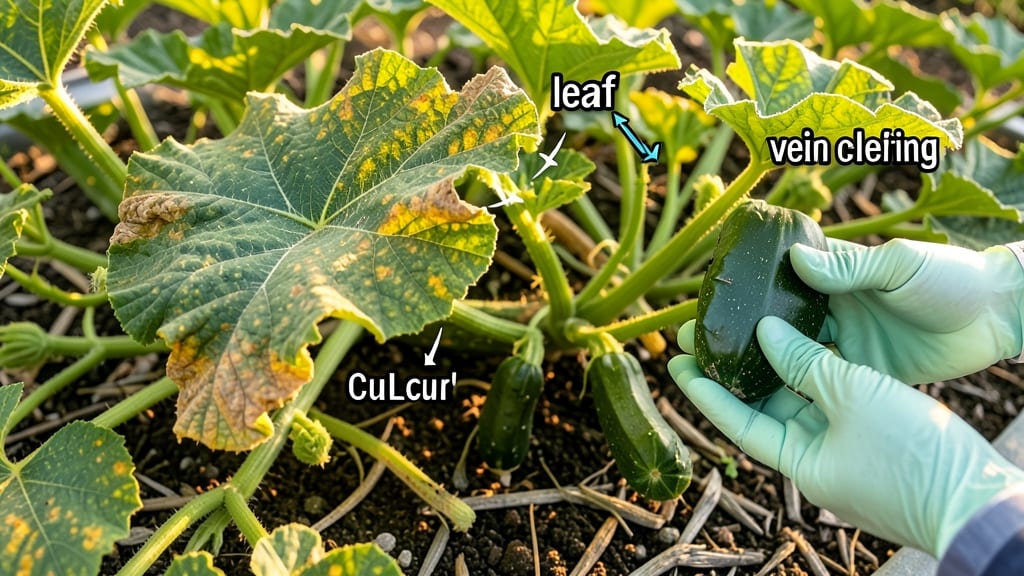
Seeing zucchini leaf curl turn your plants’ edges stiff and crispy after planting 20 seeds this spring is frustrating—especially when it can derail your entire harvest. 🌱 I’ve seen this problem ruin entire gardens until I discovered a copper-free solution that restores plants in just 2 weeks without harsh chemicals.
The key is catching it early and targeting the real causes: viral infections, aphids, or heat stress.
First, rule out the usual suspects: aphids love zucchini leaves, and their sticky residue can trigger curling. Check undersides of leaves for tiny clusters—if you find them, knock them off with water or spray neem oil.
Viral infections, often spread by aphids, cause permanent curling, so prevention is critical. Resistant varieties like ‘Defender’ or ‘Gold Rush’ skip the drama entirely.
For existing plants, focus on recovery: prune curled leaves to redirect energy, mulch to keep roots cool, and water consistently. A 1% hydrogen peroxide spray (1 part peroxide to 9 parts water) boosts plant immunity without copper. Within 2 weeks, new growth emerges smooth and healthy—no more brittle edges.
This method works for squash, cucumbers, and melons too. The secret isn’t just fixing symptoms—it’s breaking the cycle so next season’s plants stay crisp and productive. Let’s get those vines back on track.
Root Causes Of Leaf Distortion
Zucchini leaf curl—those unsightly twisted, stunted leaves—isn’t just a cosmetic issue. It’s a plant’s distress signal, often triggered by a mix of environmental stressors and biological invaders. Understanding the why behind the curl is the first step to restoring your plants to their crispy, vibrant best.
Below, we break down the most common culprits, backed by science and actionable insights.
Zucchini plants thrive in moderate temperatures, but when conditions swing to extremes—especially prolonged heat above 90°F (32°C)—their leaves react by curling inward. This isn’t just wilting; it’s a survival mechanism to reduce water loss and heat absorption.
Why it happens:
- Transpiration overload: In hot, dry air, leaves lose moisture faster than roots can replenish it. Cells shrink, causing the edges to curl like a parchment.
- Oxidative stress: High temperatures damage chloroplasts (the plant’s energy factories), disrupting photosynthesis. The plant prioritizes survival over growth, leading to stunted, curled leaves.
- Soil moisture imbalance: Even well-watered plants can suffer if the soil’s top layer dries out quickly (common in sandy or mulch-free beds). Roots struggle to keep up, and leaves curl as a cry for help.
Actionable fix:
- Shade cloth (30-50%) during peak afternoon sun can drop leaf temperatures by 10-15°F.
- Mulch heavily (2-3 inches of straw or wood chips) to retain soil moisture and cool roots.
- Water deeply in the early morning to minimize evaporation—aim for 1-1.5 inches per week, including rainfall.
Zucchini yellow mosaic virus (ZYMV) and cucumber mosaic virus (CMV) are two of the most common pathogens causing leaf curl. Spread by aphids, whiteflies, or even contaminated tools, these viruses hijack the plant’s genetic machinery, forcing leaves to grow abnormally.
Why it happens:
- Cell division chaos: Viruses insert their RNA into the plant’s cells, disrupting normal growth patterns. Leaves emerge curled, puckered, or with a "fern-like" texture as cells divide unevenly.
- Chlorophyll breakdown: Infected leaves often develop mosaic patterns (yellow-green patches) because viruses degrade chlorophyll, reducing the plant’s ability to photosynthesize.
- Systemic spread: Once a plant is infected, the virus travels through the vascular system, making it nearly impossible to cure. Prevention is key.
Actionable fix:
- Remove infected plants immediately (including roots) to prevent spread. Do not compost them!
- Use reflective mulch (aluminum foil or silver plastic) to deter aphids, which are the primary vectors.
- Spray neem oil or insecticidal soap every 5-7 days during outbreaks to control aphid populations.
While zucchini are relatively low-maintenance, deficiencies in key nutrients—especially magnesium, potassium, or nitrogen—can mimic viral symptoms, including leaf curl. Poor soil health often goes unnoticed until the damage is visible.
Why it happens:
- Magnesium (Mg) deficiency: Leaves curl along the edges first (a condition called "cupping") because magnesium is vital for chlorophyll production. Older leaves show symptoms first since the plant "robs" nutrients from them.
- Potassium (K) deficiency: Leaves curl upward and inward, often with brown or dead spots at the tips. Potassium regulates water and nutrient transport; without it, cells lose turgor pressure.
- Nitrogen (N) deficiency: While less common in zucchini, severe nitrogen lack causes yellowing between leaf veins (chlorosis) and stunted growth. Leaves may curl as the plant conserves energy.
Actionable fix:
- Test your soil (home kits or lab analysis) to identify deficiencies. Zucchini prefer a pH of 6.0-7.0; adjust with lime (to raise pH) or sulfur (to lower it).
- Apply Epsom salt (magnesium sulfate) for Mg deficiencies: Dissolve 1 tbsp in a gallon of water and spray foliage weekly.
- Use a balanced fertilizer (10-10-10 or 5-5-5) at planting and again mid-season. For potassium, try wood ash (sparingly) or a banana peel tea (steep peels in water for 24 hours).
While underwatering causes curl, overwatering or compacted, waterlogged soil can trigger the same symptoms by suffocating roots and disrupting nutrient uptake. Zucchini roots are sensitive to anaerobic conditions (lack of oxygen), which leads to cell damage and poor growth.
Why it happens:
- Root rot: Excess moisture promotes Pythium or Phytophthora fungi, which rot roots and block water/nutrient absorption. Leaves curl as a response to starvation.
- Nutrient leaching: Overwatered soil washes away essential minerals, leaving plants malnourished despite wet conditions.
- Compacted soil: Heavy clay or poorly amended soil restricts root growth, forcing plants to "curl" leaves to reduce water loss while struggling to access nutrients.
Actionable fix:
- Check soil moisture before watering: Stick your finger 1-2 inches into the soil. If it’s damp, wait. If it’s bone-dry, water deeply.
- Improve drainage by amending soil with compost or perlite (20-30% of the soil mix).
- Raise beds or use containers if your garden has heavy clay. Ensure pots have drainage holes.
Zucchini vines are delicate, and mechanical stress—whether from wind, hail, or rough handling—can cause leaves to curl as they repair damage. Unlike viral or nutrient issues, physical curl is often localized to exposed leaves.
Why it happens:
- Cell membrane rupture: Wind or hail tears leaf tissue, triggering a wound response where cells produce abnormal proteins to seal damage. This causes curling or puckering.
- Transpiration imbalance: Damaged leaves lose water faster, leading to temporary curl until the plant can "patch" the injury.
- Root disturbance: Even gentle transplanting can shock roots, causing temporary stunting and leaf curl as the plant recovers.
Actionable fix:
- Provide windbreaks (e.g., cornstalks, burlap screens) for young plants in exposed areas.
- Avoid rough handling when pruning or harvesting. Use clean, sharp shears to minimize tissue damage.
- Apply a light foliar spray of seaweed extract (1 tsp per gallon of water) to help repair damaged cells and boost resilience.
Quick Fixes for Wrinkled Zucchini
If your zucchini leaves are curling like a parchment scroll, don’t panic—there are simple, copper-free ways to restore their crispy edges in just two weeks. The key is identifying the root cause (whether it’s environmental stress, pests, or poor watering) and applying targeted fixes.
Below, we break down the most effective solutions, organized by the likely culprit, so you can get your zucchini back to its peak performance.
When temperatures soar or leaves bake in direct sunlight, they curl to protect themselves. This is especially common in hot climates or during heatwaves.
How to Fix It:
- 🌿 Provide Shade: Use shade cloth (30-50% coverage) to filter harsh sunlight, especially during peak afternoon hours. A simple DIY solution?
Drape a lightweight fabric over a hoop or trellis. - 💧 Boost Hydration: Water deeply in the morning to keep soil moist but not soggy.
Mulch with straw or grass clippings to retain moisture and regulate soil temperature. - 🌱 Adjust Planting: If your zucchini is in a hot spot, consider relocating it to a slightly shadier area or planting it near taller crops (like corn or sunflowers) for natural shade.
💡 Prevention Tip:
Choose heat-tolerant zucchini varieties like ‘Eight Ball’ or ‘Black Beauty,’ which handle warmth better than delicate heirlooms. Also, avoid overhead watering in the heat—it can scorch leaves!
Sap-sucking pests like aphids, spider mites, or whiteflies inject toxins that cause curling. If you spot tiny bugs or sticky residue (honeydew), pests are likely the culprit.
How to Fix It:
- 🚿 Blast Them Off: Spray leaves with a strong stream of water from your hose to dislodge pests.
Do this in the early morning so leaves dry quickly. - 🍋 Homemade Spray: Mix 1 quart of water with 1 tablespoon of dish soap (like Dawn) and a few drops of neem oil.
Spray thoroughly on the undersides of leaves where pests hide. - 🐝 Encourage Predators: Ladybugs and lacewings love eating aphids. Attract them by planting companion flowers like marigolds or dill nearby.
💡 Prevention Tip:
Inspect new plants before bringing them home, and isolate them for a few days if pests are suspected. A fine mesh row cover can also block pests while allowing sunlight and water through.
Both underwatering and overwatering can stress zucchini plants, leading to curled leaves. Too little water causes wilting, while too much can suffocate roots and invite fungal issues.
How to Fix It:
- 📏 Check Soil Moisture: Stick your finger 1-2 inches into the soil. If it’s dry, water deeply until moisture reaches 6 inches down.
If it’s soggy, hold off until the top inch feels dry. - 🕒 Water Wisely: Water at the base of the plant in the early morning or late evening to reduce evaporation.
Avoid wetting leaves to prevent disease. - 🌱 Improve Drainage: If your soil is heavy clay, amend it with compost or sand to help water drain properly. Raised beds are another great option for better control.
💡 Prevention Tip:
Use a moisture meter or a simple stick to monitor soil conditions. Zucchini plants typically need about 1-2 inches of water per week, but adjust based on your climate.
If leaves are curling along with yellowing or stunted growth, your zucchini might be hungry—especially for nitrogen, magnesium, or calcium.
How to Fix It:
- 🍂 Add Compost: Work a 2-inch layer of well-aged compost into the top 6 inches of soil around the base of the plant.
This replenishes organic matter and nutrients. - 🌿 Use Organic Fertilizer: A balanced fertilizer (like 5-5-5) or one higher in nitrogen (like fish emulsion) can give a quick boost.
Follow package instructions to avoid overdoing it. - 🥛 Calcium Boost: For blossom-end rot (which can cause curling), sprinkle crushed eggshells or use a calcium-rich fertilizer like bone meal around the plant.
💡 Prevention Tip:
Before planting, test your soil’s pH and nutrient levels. Zucchini prefer a slightly acidic to neutral soil (pH 6.0-7.0). If your soil is lacking, amend it with lime (to raise pH) or sulfur (to lower it) as needed.
Strong winds or rough handling (like brushing against leaves) can cause curling as a protective response. This is common in open gardens or after storms.
How to Fix It:
- 🌳 Use Windbreaks: Plant tall crops like sunflowers or corn on the windward side of your zucchini patch to act as a natural barrier.
- 🏠 Provide Shelter: If your garden is exposed, consider a temporary windbreak made from bamboo stakes or a lightweight fence.
- 🧹 Gently Handle Leaves: Avoid rough pruning or brushing leaves with tools.
Use sharp, clean pruners to trim damaged foliage.
💡 Prevention Tip:
Stake or cage your zucchini plants if they’re top-heavy or in a windy area. This provides support and reduces the risk of physical damage.
No matter the cause, these steps will help your zucchini bounce back:
- ✂️ Prune Damaged Leaves: Use clean scissors to trim severely curled or yellowed leaves. This redirects energy to healthier growth.
- 🌿 Boost Humidity: If your air is dry (common in indoor or greenhouse settings), mist leaves lightly in the morning or use a pebble tray with water nearby.
- 🕒 Be Patient: With consistent care, new leaves should unfurl within 7-14 days. Avoid over-fertilizing during recovery—focus on hydration and shade.
Frequently asked questions
Why do my zucchini leaves curl when I water them regularly?
Even with consistent watering, zucchini leaves may curl due to heat stress or nutrient imbalances. Check if temperatures exceed 90°F (32°C)—leaves curl to reduce water loss. Also test for magnesium deficiency (edge curling) or potassium deficiency (inward curling with brown tips). A soil test can confirm deficiencies.
Can I save a zucchini plant with viral leaf curl?
Unfortunately, viral infections like Zucchini Yellow Mosaic Virus (ZYMV) have no cure once symptoms appear. Remove infected plants immediately (including roots) to prevent spread. Focus on prevention next season: use reflective mulch, neem oil sprays, and resistant varieties like 'Defender' to block aphid vectors.
How do I tell if my zucchini leaf curl is from pests or heat?
Check for tiny insects or sticky residue (honeydew)—these indicate pests like aphids. Heat-related curl appears on multiple leaves and often includes yellowing or wilting. Examine leaf undersides with a magnifying glass: if you see bugs, pests are the culprit; if leaves feel dry and crispy, it’s likely heat stress.
Will pruning curled leaves help my zucchini recover faster?
Yes! Pruning severely curled or yellowed leaves redirects the plant’s energy to new growth. Use clean scissors to trim at the base of the leaf stem. Avoid removing more than 20% of foliage at once to prevent shocking the plant. Combine pruning with consistent morning watering and mulching for best results.
Can I use homemade sprays to treat zucchini leaf curl?
For pest-related curl, try a neem oil spray (1 tsp neem oil + 1 tbsp dish soap per quart of water) or a garlic spray (blend 2 garlic cloves with 1 quart water, strain, and add 1 tsp soap). For heat stress, mist leaves with cool water in the morning to temporarily relieve stress. Always test sprays on a small leaf first.