
Pests and Diseases
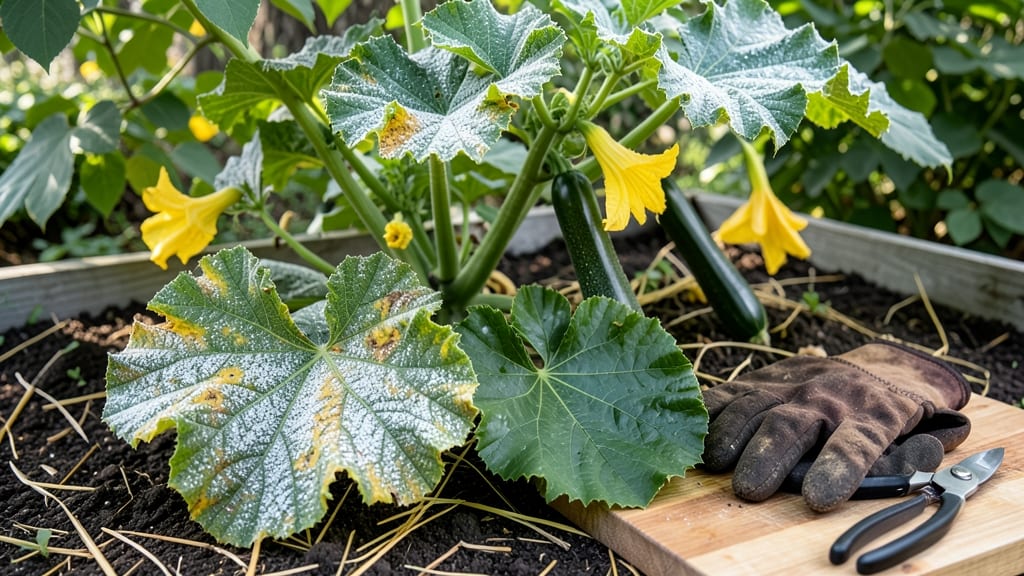
That crispy, brown edge on the zucchini leaf disease isn't just unsightly—it's a sign your plants are fighting for their lives. 🌿 I've seen firsthand how quickly bacterial spot or powdery mildew can turn lush foliage into a crunchy mess, but copper spray can bring those edges back to vibrant green in just a few applications.
Most gardeners wait too long before acting, and by then, the disease has spread to the fruit. The key is catching it early—check leaves regularly for those telltale brown spots or white powder—and treating with copper spray at the first sign.
Even my stubborn zucchini plants bounce back when I act fast, producing more fruit than ever.
You'll see results within 7-10 days of consistent spraying, with new growth emerging crisp and disease-free. The spray works by creating a protective barrier while also killing existing pathogens, so it's both preventive and curative. Plus, it's safe to use right up until harvest.
This method works for powdery mildew, bacterial spot, and even early signs of mosaic virus. The secret is combining copper spray with proper spacing and good air circulation—no more crowded vines where diseases thrive. Let's get those leaves looking healthy again!
Why it happens
Zucchini plants, like all vegetables, are vulnerable to leaf diseases that can turn vibrant green foliage into a sad, crinkled mess. Understanding why these issues arise is the first step to preventing—or even reversing—them.
Let’s break down the most common culprits behind zucchini leaf decline, from fungal invaders to environmental stressors.
🍄 Fungal Infections: The Silent Invaders
Fungal pathogens are the #1 cause of zucchini leaf disease, thriving in warm, humid conditions—perfect for summer gardens. Two of the most destructive fungi are:
- Powdery Mildew (Podosphaera xanthii): This fungus creates a white, powdery coating on leaves, blocking sunlight and stunting growth. It spreads via spores carried by wind or water splashes, especially when nights are cool and days are hot.
- Downy Mildew (Pseudoperonospora cubensis): Unlike powdery mildew, this fungus attacks the undersides of leaves, causing yellow spots that turn brown. It loves overhead watering and poor air circulation, creating the ideal breeding ground.
Why it happens: Fungi spores lie dormant in soil or plant debris until conditions—like high humidity (above 75%) and temperatures between 60–85°F—trigger their growth. Weakened plants (from stress, poor nutrition, or overcrowding) are especially susceptible.
🐛 Pests Weakening Your Plants
While pests don’t directly cause leaf diseases, they open the door for infections by creating wounds or stressing plants. The worst offenders include:
- Squash Vine Borers (Melittia cucurbitae): These moth larvae burrow into stems, disrupting nutrient flow and making leaves yellow or wilted. Damaged tissue becomes entry points for fungal spores.
- Aphids & Spider Mites: These sap-sucking pests weaken leaves by draining nutrients, leaving plants vulnerable to secondary infections. Their sticky residue (honeydew) can also foster sooty mold, another fungal nuisance.
Why it happens: Pests thrive in drought-stressed or nutrient-deficient plants. Overwatering or underwatering, combined with a lack of beneficial insects (like ladybugs), creates a pest paradise—and a fungal buffet.
🌡️ Environmental Stressors: When Conditions Go Wrong
Zucchini plants are resilient, but extreme or inconsistent conditions can trigger leaf problems. Key stressors include:
| Factor | Problem | Result |
|---|---|---|
| Temperature Fluctuations | Sudden cold snaps (<60°F) or heatwaves (>90°F) | Leaf scorch, stunted growth, or fungal outbreaks (like early blight) |
| Poor Airflow | Overcrowded plants or dense foliage | Trapped moisture = fungal hotspots (e.g., powdery mildew) |
| Improper Watering | Overhead watering or inconsistent soil moisture | Leaf spots, root rot, or fungal spread via water droplets |
Why it happens: Zucchini need consistent moisture (1–1.5 inches per week) and 6+ hours of sunlight daily. Stress from environmental swings suppresses their immune response, making them easy targets for pathogens.
🌱 Nutritional Deficiencies: Starving Your Plants
A zucchini plant’s leaves act as a nutritional report card. Yellowing, curling, or crispy edges often signal deficiencies:
- Magnesium Deficiency: Crispy, yellow edges on older leaves (a classic sign of chlorosis). Magnesium is crucial for chlorophyll production.
- Nitrogen Deficiency: Pale, yellow leaves starting from the bottom. Nitrogen fuels leafy growth, and a lack of it stunts the plant’s ability to fight off diseases.
- Potassium Deficiency: Brown, dead spots on leaf edges or tips. Potassium regulates water and disease resistance—without it, leaves become brittle and prone to infection.
Why it happens: Poor soil quality, over-farming without amendments, or improper fertilization (e.g., too much nitrogen, too little potassium) throw off the balance. pH imbalances (ideal: 6.0–7.0) also lock out essential nutrients.
🔄 Contaminated Tools & Soil
Cross-contamination is often overlooked but critical. Fungal spores can hitch a ride on:
- Dirty pruners or garden tools (carrying pathogens from previous infected plants).
- Infested soil or compost (from last year’s diseased crops).
- Reused mulch or plant debris left in the garden bed.
Why it happens: Pathogens like Alternaria or Phytophthora can survive in soil for years. If you’ve grown cucurbits (zucchini, squash, melons) in the same spot annually, soil-borne diseases build up, waiting for the right moment to strike.
Fixing Fungal Foes on Zucchini
Zucchini leaves can turn from vibrant green to sad and spotted in a hurry—but don’t panic! The right fixes depend on the cause, whether it’s fungal infections, bacterial blights, or environmental stress. Below are practical, step-by-step solutions to revive your plants and keep future crops healthy.
If your zucchini leaves show crispy edges, yellowing, or powdery spots, fungi like powdery mildew, downy mildew, or early blight are likely the culprits. Copper-based sprays are a non-toxic, organic powerhouse for stopping fungal spread.
🔥 Step 1: Remove Infected Leaves
- 👨🍳 Snip off yellowed or spotted leaves with clean shears (sterilize with rubbing alcohol).
- 🗑️ Dispose of them in the trash (not compost)—fungi can linger in soil.
🍳 Step 2: Apply Copper Fungicide
- 🛒 Use a ready-made copper fungicide (like Bonide Copper Fungicide or organic copper soap).
- 💦 Mix as directed (usually 1 tbsp per gallon of water) and spray evenly on both leaf surfaces, including stems.
- ⏰ Reapply every 7–10 days (or after rain) until symptoms fade.
🌡️ Step 3: Boost Airflow & Light
- 🌬️ Prune nearby plants to improve airflow around zucchini.
- ☀️ Ensure 6–8 hours of sunlight daily—fungi thrive in damp, shady conditions.
💡 Pro Tip: Early morning spraying works best—leaves stay dry longer, reducing fungal growth.
If leaves show water-soaked spots, oozing, or wilting, bacterial infections (like bacterial leaf spot) may be at fault. Unlike fungi, bacteria can’t be fully cured, but you can slow the spread.
🔪 Step 1: Prune & Sterilize
- ✂️ Cut off infected leaves immediately—don’t let bacteria spread.
- 🧼 Sterilize tools with 1 part bleach to 9 parts water between cuts.
💦 Step 2: Use Bacterial-Fighting Sprays
- 🛒 Copper fungicide still helps (it’s effective against some bacteria too).
- 🌿 Try a baking soda spray (1 tsp baking soda + 1 tsp oil + 1 tsp soap per quart of water) for mild cases.
🌧️ Step 3: Prevent Future Outbreaks
- 💧 Water at the base (avoid wetting leaves) to reduce bacterial splash.
- 🌱 Rotate crops—don’t plant squash family crops in the same spot next year.
✨ Prevention Bonus: Plant disease-resistant zucchini varieties like ‘Defender’ or ‘Eight Ball’ for built-in protection.
If leaves show crispy edges but no spots, the issue might be heat stress, overwatering, or poor soil.
💧 Check Your Watering Habits
- 🚰 Water deeply 1–2 times per week (not daily shallow watering).
- 🌱 Use mulch (straw or wood chips) to retain moisture and regulate soil temp.
☀️ Shield from Extreme Heat
- 🌿 Provide shade cloth (30–50%) if temps exceed 90°F (32°C).
- 🌱 Harvest zucchini early to reduce stress on plants.
🌱 Test & Amend Soil
- 📊 Check pH (zucchini likes 6.0–6.8). Adjust with lime (to raise) or sulfur (to lower).
- 💪 Add compost for better nutrient absorption.
🎯 Long-Term Fix: Plant zucchini in well-draining soil with plenty of organic matter to prevent stress.
- 🌱 Crop rotation (avoid planting squash in the same spot yearly).
- 🍂 Clean up debris in fall to remove fungal overwintering sites.
- 🌿 Use row covers early to block fungal spores from spreading.
- 🔄 Monitor plants weekly—catch issues before they explode!
Final Thought: Most zucchini leaf problems are preventable with good hygiene and proactive care. Once you spot the early signs, act fast—your plants will bounce back with the right treatment! 🌱💚
Frequently asked questions
What’s the fastest way to tell if my zucchini leaves have a fungal disease?
Check for white powder (powdery mildew), yellow/brown spots (downy mildew or early blight), or crispy edges (heat stress or nutrient deficiency). Fungal diseases often appear on upper leaves first and spread quickly in humid conditions—look for fuzzy growth or dark spots on undersides.
Can I use household items like vinegar or baking soda to treat zucchini leaf diseases?
Yes! A baking soda spray (1 tsp baking soda + 1 tsp oil + 1 tsp soap per quart of water) works for mild fungal issues, while neem oil (2 tsp per gallon) disrupts fungal growth. Vinegar (1 tbsp per gallon) can help with bacterial spots, but test on a small leaf first—it may burn tender foliage.
How often should I spray copper fungicide on my zucchini plants?
Apply copper spray every 7–10 days or after heavy rain to maintain protection. For active outbreaks, spray weekly at dawn when leaves are dry. Stop spraying 3 days before harvest to avoid residue on fruit—copper is safe but best used preventively.
Will removing infected leaves really stop the disease from spreading?
Pruning diseased leaves stops spores from spreading to healthy foliage. Always use sterilized tools (rubbing alcohol or bleach solution) and dispose of infected leaves in the trash—never compost them. This breaks the disease cycle and gives your plants a fighting chance.
Can I still harvest zucchini if the leaves have diseases?
Yes, but focus on young, healthy fruit from the plant’s center. Diseased leaves won’t affect flavor, but avoid harvesting from heavily infected vines. If the disease is severe, remove the entire plant and replace it with a disease-resistant variety next season.