
Pests and Diseases
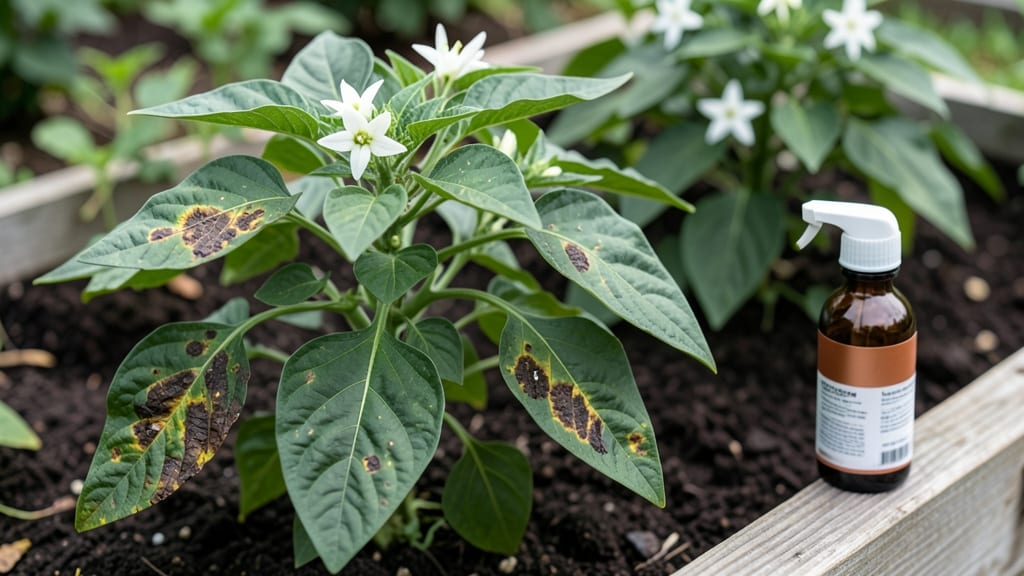
Bacterial leaf spot turns pepper leaves into a sad, spotted mess—until you use this copper spray protocol. 🌱 I’ve battled it in my own garden, and the key is acting fast with the right mix of copper fungicide and cultural fixes.
The spots start small but spread like wildfire if you ignore them, but with proper treatment, your plants bounce back stronger than ever.
The first step is identifying the problem: tiny, water-soaked spots that grow into larger brown patches with yellow halos. Prune infected leaves immediately and sterilize your pruners with rubbing alcohol to stop the spread.
Copper sprays work best when applied preventatively at planting and again every 7-10 days during wet weather—this is your secret weapon against bacterial leaf spot.
With consistent copper treatments and proper spacing between plants for airflow, you’ll see new growth emerge within weeks. The plants won’t just survive—they’ll thrive, producing peppers that are as healthy as they are delicious. The copper spray keeps the disease at bay while improving overall plant resilience.
This method works for all pepper varieties, from sweet bell peppers to spicy jalapeños, and it’s just as effective in containers as it is in garden beds. The key is staying ahead of the disease—don’t wait until you see spots to act.
Start now, and your pepper plants will thank you with a bountiful harvest.
Why it happens
Bacterial leaf spot on peppers isn’t just a random nuisance—it’s the result of specific conditions that create the perfect storm for Xanthomonas bacteria to thrive. Understanding these triggers is the first step to stopping the spread and saving your crop.
Let’s break down the science behind why your pepper leaves are developing those unsightly spots.
🌡️ Warm, Humid Weather Conditions
This bacterial pathogen loves heat and moisture. When temperatures hover between 75°F and 95°F (24°C–35°C), Xanthomonas bacteria multiply rapidly. High humidity—especially above 80% relative humidity—keeps bacterial cells hydrated and allows them to spread effortlessly through water droplets, wind, or even your gardening tools.
💡 Why it matters: Rainy seasons or poorly ventilated greenhouses create ideal breeding grounds. If your peppers are already stressed from heat, their defenses weaken, making them even more susceptible.
💧 Overhead Watering And Poor Drainage
Splashing water onto leaves during irrigation is like handing out free invitations to bacteria. When water droplets land on leaves, they carry Xanthomonas from contaminated soil, plant debris, or even infected neighboring plants. Poor drainage exacerbates the problem by keeping roots waterlogged, which stresses plants and makes them more vulnerable.
🔥 Key factor: The bacteria enter through stomata (leaf pores) or tiny wounds, then spread via the plant’s vascular system—leading to those telltale brown spots and yellow halos.
🌱 Contaminated Tools And Plant Debris
Pruners, gloves, and even your hands can unintentionally transfer Xanthomonas from infected plants to healthy ones. The bacteria can also survive in old plant debris, such as fallen leaves or diseased stems, for months—especially in warm, damp soil.
If you’re reusing containers or tools without sterilizing them, you’re basically giving the bacteria a free ride to your next pepper plant.
✨ Pro tip: Always disinfect tools with a 10% bleach solution (1 part bleach to 9 parts water) or rubbing alcohol between uses. Remove and destroy infected plant material immediately—don’t compost it!
🌿 Weakened Pepper Plants
Stressed peppers are like open doors for bacteria. Overcrowding, nutrient deficiencies (especially potassium or calcium), or other diseases (like viral infections) weaken a plant’s immune response. Even environmental stressors like salt buildup in soil or extreme pH fluctuations can make peppers more susceptible to bacterial leaf spot.
🎯 Actionable fix: Ensure your peppers get balanced fertilization, proper spacing (18–24 inches apart), and well-draining soil (aim for a pH of 6.0–6.8). Healthy plants are far less likely to fall prey to Xanthomonas.
🌍 Wind And Insect Activity
Wind can carry bacterial cells from infected plants to healthy ones over short distances, while insects—like aphids or whiteflies—can spread the bacteria as they feed. Even something as simple as bees or butterflies brushing against infected foliage can transfer the pathogen.
Once established, the bacteria can hitch a ride on pollen or sap, spreading to every part of the plant.
🔥 Mitigation tip: Use row covers during high-risk periods (like rainy seasons) to reduce windborne spread. For insect vectors, introduce beneficial predators (like ladybugs) or use neem oil as a preventive spray.
Fixing Fungal Blemishes Naturally
Bacterial leaf spot on peppers can feel like a losing battle, but with the right approach, you can restore your plants to their vibrant selves—and even prevent future outbreaks.
Below, we’ve mapped out targeted solutions based on the root causes of the problem, from quick fixes to long-term strategies. Think of this as your pepper plant’s emergency repair kit! 🚑🌱
Cause: Xanthomonas bacteria thrive on decaying tissue, spreading like wildfire. Fix:
- Snip and toss: Use sterilized pruners (wipe with rubbing alcohol between cuts) to remove all yellowing, spotted, or wilting leaves—including stems if the infection has penetrated.
- Disposal matters: Bag infected leaves in a sealed plastic bag and toss them in the trash (not compost!). This stops the bacteria from reinfecting your garden.
- When to act: Do this first thing in the morning when leaves are dry. Wet leaves can splatter bacteria onto healthy foliage.
Pro Tip: 💡 If the infection is severe, consider pruning back 1/3 of the plant to redirect energy to new growth. Healthy leaves = stronger defenses!
Cause: Copper compounds disrupt bacterial cell walls, halting the spread. Fix:
- DIY copper spray recipe:
- Mix 1 tablespoon copper sulfate (or copper fungicide) in 1 gallon of water.
- Add 1 teaspoon of mild soap (like Castile soap) as a sticker to help the spray cling.
- Shake well before each use—copper sinks!
- Application steps:
- Spray undersides first: 70% of bacterial infections start here. Use a hose-end sprayer for even coverage.
- Coat thoroughly: Focus on new growth, stems, and leaf edges. Don’t skip the soil around the base!
- Reapply every 7–10 days or after rain (copper washes off).
- Safety first: Wear gloves and a mask—copper can irritate skin and lungs. Avoid spraying on fruit if harvesting within 24 hours.
Pro Tip: 🌡️ Best timing: Apply in the early morning or late evening to avoid burning leaves in direct sunlight.
Cause: Weak plants are bacterial buffets. Stress = open invitation. Fix:
- Fertilize smart: Switch to a balanced, organic fertilizer (like fish emulsion or compost tea) to strengthen roots. Avoid high-nitrogen—it promotes lush, weak growth.
- Soil health check:
- Test your soil pH (aim for 6.0–6.8). Use lime to raise pH or sulfur to lower it if needed.
- Add compost (2–3 inches mixed into the top 6 inches of soil) to improve drainage and microbial activity.
- Beneficial microbes: Sprinkle mycorrhizal fungi or bacillus subtilis (like Serenade ASO) around the base to outcompete harmful bacteria.
Pro Tip: ✨ Neem oil boost: Mix 1 tbsp neem oil + 1 tsp soap per gallon of water and spray alternate days with copper. Neem confuses bacterial communication!
Cause: Overhead watering splashes bacteria onto leaves like a disease party. Fix:
- Ditch the sprinklers: Switch to drip irrigation or soaker hoses to water at the base of plants.
- Water schedule:
- Morning only: Water early (6–9 AM) so leaves dry by nightfall.
- Avoid wet foliage: If you must water overhead, use a rain shield or water only the soil.
- Mulch like a pro: Apply 2–3 inches of straw or wood chips to retain moisture and block splashing.
Pro Tip: 🎯 Drainage drill: Ensure pots or garden beds have holes to prevent soggy roots—bacteria love damp, suffocating conditions.
Cause: Contaminated tools, wind, or wildlife spread bacteria. Fix:
- Quarantine new plants: Keep new pepper starts separate for 2–3 weeks before introducing them to the garden.
- Tool hygiene: Clean pruners, gloves, and containers with 10% bleach solution (1 part bleach to 9 parts water) between uses.
- Windbreaks: If your garden is exposed, use burlap sacks or tall plants (like sunflowers) to reduce airborne bacteria.
- Rotate crops: Never plant peppers, tomatoes, or eggplants in the same spot for 3–4 years to starve out soil-borne pathogens.
Pro Tip: 🚫 Avoid compost from infected plants—even "finished" compost can harbor Xanthomonas for years.
Cause: Advanced infections resist surface treatments. Fix:
- Copper hydroxide sprays (like Kocide 3000) penetrate plant tissue better than sulfate.
- Antibacterial soil drenches: Mix 1 tsp hydrogen peroxide (3%) per gallon of water and pour around the base weekly for 3 weeks.
- Bacteriophage therapy: Emerging science uses viruses that target specific bacteria—check local extensions for trials.
Pro Tip: 💡 Monitor progress: If spots reappear after 2 weeks, the infection may be systemic. Pull and replace the plant to save the rest of your garden.
Final Reminder: Patience is key—consistency beats desperation. Stick to your copper spray schedule, adjust watering, and your peppers will bounce back stronger than ever! 🌿💪
Frequently asked questions
Can I still harvest peppers from plants with bacterial leaf spot?
You can harvest healthy fruit from infected plants, but avoid peppers that show signs of disease (like spots or discoloration). The bacteria primarily affect leaves, not the fruit itself. Always wash harvested peppers thoroughly with water and a mild soap solution before eating or storing.
How do I know if my pepper plant has bacterial leaf spot vs. another disease?
Bacterial leaf spot shows as small, water-soaked spots that turn brown with yellow halos. Unlike fungal spots, these spots often have raised edges and may ooze bacteria when wet. Check for these key differences: fungal spots usually have white or gray mold, while bacterial spots are more uniform and greasy-looking.
Will copper spray harm beneficial insects like bees?
Copper sprays are low-toxicity to bees and other pollinators when used correctly. To protect them, apply sprays early in the morning or late evening when bees aren't active. Avoid spraying directly on flowers or blooming plants. Copper targets bacteria, not insects, so it won't harm your garden's helpful pollinators if used responsibly.
How long does it take to see improvement after treating bacterial leaf spot?
With consistent copper treatments and proper care, you should see new growth appearing within 2-3 weeks. Existing spots won't disappear instantly, but the spread will slow. For severe cases, it may take up to 4-6 weeks to see full recovery. The key is daily pruning of infected leaves and weekly copper applications during wet conditions.
Can I use the same copper spray recipe for other vegetable plants?
Yes, the same copper sulfate spray works for many other plants prone to bacterial diseases, including tomatoes, eggplants, and beans. The recipe is safe for most vegetables, but always test on a small area first. For leafy greens like lettuce or spinach, reduce the concentration to ½ tablespoon per gallon to prevent leaf burn.