
Leaf Blower
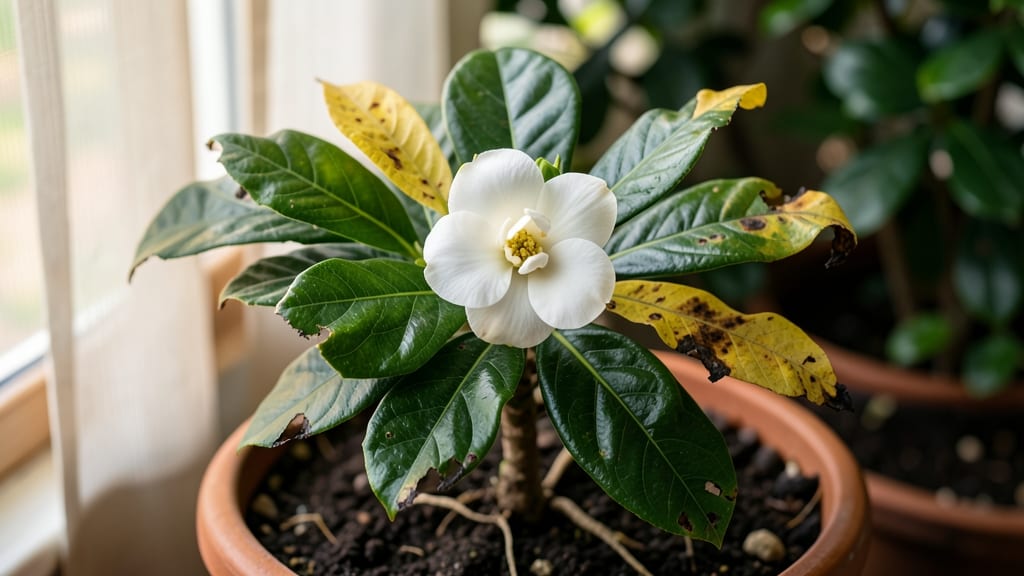
Those crispy, brown-edged gardenia leaf problems mean your plant is screaming for help. 🌿 I've seen this issue ruin otherwise healthy gardenias, and the fix is simpler than you'd think—especially when copper spray becomes your secret weapon against fungal spots and nutrient stress.
Most gardeners blame overwatering, but the real culprits are often fungal infections (like powdery mildew) or nutrient deficiencies (especially iron or magnesium). My gardenias went from crispy to lush in just two weeks after I adjusted my watering, added compost, and sprayed with copper.
The key is acting fast before the damage spreads to new growth.
You'll start with pruning the worst-affected leaves, then apply a copper fungicide spray (organic options work great) every 7-10 days until new growth appears. Within a month, your gardenias will bounce back with glossy, healthy foliage—no more sad, crunchy edges.
This method works for both outdoor gardenias and potted plants, and it's gentle enough for organic gardens. The best part? Once you fix the underlying issue, your gardenias will stay resilient against future outbreaks.
Root Causes of Leaf Issues
Gardenia plants are prized for their intoxicating fragrance and glossy foliage, but when their leaves start showing problems—like crispy edges, spots, or discoloration—it’s often a sign that something fundamental is off. Understanding the why behind these symptoms is the first step to restoring your gardenia’s health.
Below, we break down the most common culprits, backed by science, so you can diagnose and treat the issue effectively.
Gardenia leaves develop crispy, brown edges or yellowing when they’re drowning in water.
These plants thrive in well-draining soil and hate soggy roots, which can lead to: - Root rot (caused by Phytophthora or Fusarium fungi) – Roots suffocate, starving the plant of oxygen and nutrients. - Nutrient leaching – Excess water washes away essential minerals like magnesium and potassium, leading to chlorosis (yellowing between veins). - Salt buildup – Tap water minerals accumulate in the soil, creating a toxic environment for roots.
Why it happens: Gardenia roots are sensitive to anaerobic conditions (lack of oxygen). When soil stays wet for more than 2–3 days, beneficial microbes die off, and harmful pathogens take over. Additionally, gardenias prefer slightly acidic soil (pH 5.0–6.5)—alkaline or waterlogged soil disrupts nutrient uptake.
On the flip side, wilting, crispy leaves, or leaf drop often signal thirsty gardenias. Unlike succulents, gardenias need consistent moisture in their top 1–2 inches of soil.
When deprived: - Cell dehydration occurs, causing leaf edges to curl and brown (a protective response to water loss). - Stomata closure (tiny leaf pores) reduces photosynthesis, leading to weak, pale new growth. - Fungal entry points – Stressed leaves are more vulnerable to infections like powdery mildew or anthracnose.
Why it happens: Gardenia leaves are thick and leathery, but they’re not drought-proof. Their roots are shallow and fibrous, meaning they rely on frequent, even watering. Sudden drought triggers abscisic acid (a plant stress hormone) production, which signals leaves to drop or crisp to conserve water.
Spots, powdery coatings, or blackened veins on gardenia leaves are classic signs of fungal invaders.
The most common offenders include: - Powdery Mildew (Erysiphe spp.) – Appears as white, talcum-like patches on upper leaves, thriving in humid, low-light conditions. - Anthracnose (Colletotrichum spp.) – Causes dark, sunken spots with yellow halos, often on older leaves. - Leaf Spot (Cercospora spp.) – Creates brown, circular lesions with reddish edges, spreading in wet weather.
Why it happens: Fungi spore in moist environments and infect through leaf wounds (e.g., from pruning or insect damage). Gardenias are particularly susceptible because:
- Their glossy leaves trap moisture, creating ideal fungal breeding grounds.
- Poor air circulation (common in dense foliage or greenhouses) prevents leaves from drying quickly.
- Overhead watering splashes spores onto leaves, accelerating infection.
Yellowing leaves, stunted growth, or purple undersides often point to a nutrient imbalance.
Gardenias are heavy feeders and need: - Nitrogen (N) – For leafy growth (deficiency = pale yellow leaves). - Potassium (K) – For disease resistance (deficiency = crispy edges, weak stems). - Magnesium (Mg) – For chlorophyll production (deficiency = interveinal yellowing, starting on older leaves). - Iron (Fe) – For chlorosis (yellow leaves with green veins, common in alkaline soil).
Why it happens:
- Over-fertilizing with nitrogen (without balancing K/P) leads to sodium buildup, burning leaf edges.
- Alkaline soil (pH >7.0) locks out iron and manganese, causing yellowing even if the soil is fertile.
- Poor soil structure (compacted or clay-heavy) prevents roots from accessing nutrients, despite fertilization.
Sap-sucking pests like spider mites, scale, or aphids don’t just feed on gardenias—they inject toxins and damage leaf tissue, making plants susceptible to secondary infections.
Common signs: - Stippling (tiny white dots) from spider mites. - Sticky residue (honeydew) and black sooty mold from scale insects. - Curled, puckered leaves from aphids.
Why it happens: Pests target stressed plants (e.g., those overwatered, underwatered, or nutrient-deficient). Their saliva disrupts leaf stomata, reducing gas exchange and causing:
- Cell death (leading to brown patches).
- Reduced photosynthesis (weakening the plant’s immune response).
- Fungal hitchhiking – Honeydew attracts sooty mold (Capnodium spp.), which smothers leaves.
Gardenia leaves are tropical—they hate extremes.
Sudden changes in: - Temperature (below 50°F/10°C or above 90°F/32°C) cause leaf scorch or drop. - Humidity (below 50% dries out leaves; above 70% promotes fungal growth). - Sun exposure (too much direct sun = bleached, crispy edges; too little = leggy, pale growth).
Why it happens:
- Cold stress disrupts cell membranes, causing oxidative damage (brown, mushy spots).
- Heat stress increases transpiration rates, leading to water loss and wilting.
- Windburn (from fans or outdoor breezes) dries leaf edges, mimicking underwatering symptoms.
Gardenia leaves hate salt—whether from tap water, synthetic fertilizers, or pesticides. Symptoms include:
- Brown, crispy edges (from sodium or chlorine buildup).
- Leaf drop (from fertilizer burn).
- Blistering or necrosis (from copper or herbicide drift).
Why it happens:
- High-sodium water (common in hard water) displaces potassium, leading to cell membrane breakdown.
- Over-application of copper fungicides (like Bordeaux mix) can cause toxic buildup, turning leaves black and brittle.
- Synthetic fertilizers (especially high in salt-index) osmotically stress roots, preventing water uptake.
Revive Your Gardenia Leaves Fast
Gardenia leaf problems can be frustrating, but with the right approach, you can nurse your plant back to health—and even prevent future issues. Below are targeted solutions for common problems like crispy edges, fungal spots, and nutrient deficiencies, along with prevention tips to keep your gardenia thriving.
Cause: Overwatering, underwatering, or salt buildup from tap water. Solution:
- 💧 Adjust Watering Habits
- Water only when the top 1-2 inches of soil are dry (stick your finger in to check).
- Avoid soggy soil—gardenias hate "wet feet." Use a pot with drainage holes if growing in containers.
- 🧼 Flush Out Salt Buildup
- If using tap water, rinse the soil every 2-3 months with distilled or rainwater to remove mineral buildup.
- Mix 1 tbsp of Epsom salt in a gallon of water and water lightly once a month for magnesium boost.
- 🌡️ Check Humidity & Temperature
- Crispy edges can also mean low humidity. Place the plant on a pebble tray with water or use a humidifier nearby.
- Keep away from drafts, AC vents, or direct heat sources.
💡 Prevention Tip:
- Water in the morning so leaves dry quickly, reducing fungal risk.
- Mist leaves lightly (but not excessively) if your home is very dry.
Cause: Overwatering, poor airflow, or fungal infections (like powdery mildew or anthracnose). Solution:
- ✂️ Prune Affected Leaves
- Remove yellow, spotted, or mushy leaves immediately to stop the spread. Sterilize pruners with rubbing alcohol between cuts.
- 🍄 Apply Copper Fungicide Spray (Your Go-To Fix!)
- Mix 1 tsp copper sulfate (or a store-bought copper fungicide) with 1 gallon of water.
- Spray early in the morning on both sides of leaves, focusing on undersides where fungi love to hide.
- Reapply every 7-10 days until new growth appears.
- 🌬️ Improve Air Circulation
- Space plants 3-4 feet apart if growing outdoors.
- Use a small fan on low near the plant indoors to keep air moving.
💡 Prevention Tip:
- Water at the base (not overhead) to keep leaves dry.
- Avoid wetting foliage when watering—use a watering wand or drip irrigation.
Cause: Iron deficiency (chlorosis), nitrogen lack, or poor soil quality. Solution:
- 💊 Use Chelated Iron Supplement
- For yellowing between veins (iron deficiency), apply iron chelate (available at garden centers) every 2-3 months.
- Mix 1 tsp iron sulfate in a gallon of water and spray on leaves.
- 🌿 Fertilize Right
- Use a balanced, acidic fertilizer (like 6-6-6 or 8-3-9) once a month in spring/summer.
- Avoid high-nitrogen fertilizers—they cause lush growth but weak leaves.
- 🔄 Refresh the Soil
- If growing in pots, repot every 2-3 years with fresh acidic, well-draining soil (pH 5.5-6.5).
- Add peat moss or pine bark to improve acidity.
💡 Prevention Tip:
- Test soil pH annually—gardenias hate alkaline soil. Adjust with sulfur if needed.
- Mulch with pine needles to naturally acidify soil over time.
Cause: Spider mites, aphids, or scale insects sucking sap. Solution:
- 🚿 Blast Off Pests with Water
- Spray leaves with a strong stream of water to dislodge mites and aphids.
- 🍋 Use Natural Pesticides
- Neem oil spray (1 tbsp neem oil + 1 tsp mild soap + 1 quart water) – spray weekly until pests vanish.
- Insecticidal soap (follow package instructions) works well for soft-bodied pests.
- 🐞 Introduce Beneficial Insects
- Release ladybugs or lacewings (available online) to eat aphids naturally.
💡 Prevention Tip:
- Inspect leaves weekly—catch pests early before they spread.
- Avoid over-fertilizing—weak plants attract more pests.
- 🌞 Give Bright, Indirect Light – Gardenias need 6+ hours of light daily but avoid harsh afternoon sun.
- 🍃 Trim for Better Airflow – Prune crowded branches to reduce humidity-related problems.
- 📅 Monitor Progress – Keep a plant journal to track watering, fertilizing, and treatments.
Final Thought: Most gardenia leaf problems are easily reversible with the right care. Start with copper spray for fungal issues, adjust watering, and feed properly—your gardenia will bounce back in no time! 🌸
Frequently asked questions about gardenia leaf problems
Why are my gardenia leaves turning brown at the edges?
Brown, crispy edges usually mean your gardenia is either overwatered (causing root rot) or underwatered (leading to dehydration). Check soil moisture—it should feel slightly damp but not soggy. Also test your water for salt buildup, as hard tap water can cause similar damage over time.
What causes white powdery spots on gardenia leaves?
Those white, talcum-like patches are powdery mildew, a fungal infection thriving in humid conditions. Improve airflow by spacing plants apart and avoid overhead watering. Spray with a copper fungicide mix (1 tsp copper sulfate per gallon of water) every 7-10 days until new growth appears.
How do I fix yellow leaves with green veins?
This classic chlorosis symptom signals an iron deficiency, often caused by alkaline soil. Use a chelated iron supplement (like iron chelate) every 2-3 months. For potted gardenias, repot with fresh acidic soil (pH 5.5-6.5) mixed with peat moss or pine bark to improve acidity.
Can I use household items to treat gardenia leaf problems?
Yes! For fungal issues, mix 1 tbsp baking soda + 1 tsp dish soap + 1 gallon water and spray leaves weekly. For pests like spider mites, wipe leaves with a damp cloth dipped in rubbing alcohol (50% water, 50% alcohol). Always test solutions on a small leaf first to avoid burning.
How often should I prune gardenia leaves with problems?
Prune immediately when you spot severely damaged leaves to prevent spread. For fungal infections, remove affected foliage daily until the plant shows new growth. Sterilize pruners with rubbing alcohol between cuts to avoid cross-contamination.