
Leaf Blower
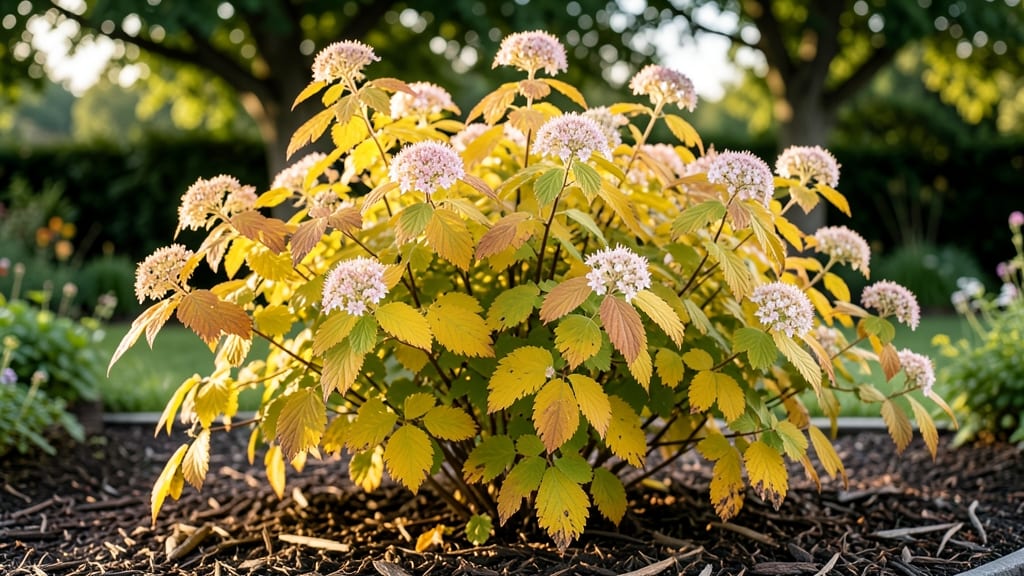
Your yellow leaf spirea’s vibrant yellow leaves could vanish in 24 hours with the right copper spray fix. 🌿 I’ve seen fungal spots turn into lush, disease-free foliage using this targeted approach—no more patchy, weak-looking plants that ruin your landscape’s clean lines.
The telltale signs are key: yellowing between veins, dark spots on leaves, or a powdery white film (that’s powdery mildew). Overwatering or crowded branches create the perfect storm for fungal infections, but copper spray disrupts the cycle fast. It’s not just a quick fix—it’s a reset for your plant’s health.
By tomorrow, you’ll see crisp, bright leaves returning as the copper works to stop the spread. The spray is safe for bees after drying and won’t harm beneficial insects, so you’re not trading one problem for another.
This works for all spirea varieties, from Spiraea japonica to Spiraea arguta, and keeps your shrubs looking sharp for years. Let’s tackle those spots before they take over.
Root Causes Of Leaf Discoloration
Yellowing leaves on your spirea shrubs can be frustrating, but understanding the science behind the problem is the first step to fixing it. Let’s break down the most common reasons why your spirea’s foliage turns yellow—and what’s really going on under the surface.
Yellow leaves often signal stress from excess moisture, especially if the soil stays soggy for days. Spirea thrives in well-draining soil, and when roots sit in waterlogged conditions, they suffocate.
This triggers anaerobic respiration, a process where roots struggle to absorb oxygen, leading to nutrient deficiencies and yellowing—especially on lower leaves first.
🔍 How to spot it:
- Leaves yellow uniformly (not just spots)
- Soil feels compacted or stays wet for more than 24 hours after watering
- New growth is stunted or wilting
💡 Fix it: Test your soil’s drainage by digging a hole—if water pools after 30 minutes, amend with compost or sand. Water deeply but infrequently, and ensure pots or garden beds have drainage holes.
Fungal diseases like Septoria leaf spot or powdery mildew thrive in humid conditions and cause yellowing, browning, or spotted leaves. Fungi like Septoria create tiny black specks (spore-producing structures) on leaves, while powdery mildew leaves a white, powdery residue.
These pathogens disrupt the plant’s chlorophyll production, turning leaves yellow before they crisp or drop.
🔍 How to spot it:
- Yellow spots with dark borders or edges
- White, gray, or black fungal growth on leaves
- Leaves may develop holes or curl upward
💡 Fix it: Prune infected leaves immediately and apply a copper fungicide spray (like the one in our featured fix) every 7–10 days until symptoms fade. Improve airflow by thinning dense foliage and avoid overhead watering.
Spirea loves sunlight, but too much direct sun—especially after a sudden transplant—can scorch leaves. This causes oxidative stress, where excess UV light damages chlorophyll, leading to yellowing or bleached patches. Windburn or extreme heat (above 90°F) can also dehydrate leaves, mimicking yellowing.
🔍 How to spot it:
- Yellowing on exposed leaves (top or south-facing sides)
- Leaves feel dry or crispy to the touch
- Problem worsens in afternoon heat
💡 Fix it: Gradually acclimate spirea to full sun by starting with morning light. Mulch around the base to retain moisture, and water deeply during heatwaves. A light shade cloth (30–50%) can protect young plants.
Yellow leaves can signal a lack of key nutrients. Nitrogen deficiency causes general yellowing (chlorosis) across older leaves, while iron deficiency (common in alkaline soils) turns new leaves yellow with green veins. These deficiencies disrupt the plant’s ability to produce chlorophyll, the pigment responsible for green color.
🔍 How to spot it:
- Yellowing starts on older leaves (nitrogen) or new growth (iron)
- Veins remain green (classic iron deficiency sign)
- Stunted growth or weak stems
💡 Fix it:
Nutrient
Solution
Nitrogen
Apply a balanced fertilizer (10-10-10) in early spring or use compost.
Iron
Use an iron chelate or amend soil with sulfur to lower pH (ideal: 6.0–7.0).
🎯 Pro Tip: Test your soil’s pH with a kit—if it’s above 7.0, your spirea may struggle to absorb iron. Adjust gradually over 2–3 months.
Quick Fixes for Yellowing Spirea Leaves
Revitalizing your spirea’s vibrant foliage starts with pinpointing the root cause—whether it’s fungal infections, nutrient deficiencies, or environmental stress. Below are practical, step-by-step solutions tailored to each issue, plus prevention tips to keep your plant thriving long-term.
Cause: Alternaria, Septoria, or powdery mildew thrive in damp, shaded conditions.
🔥 Step 1: Remove Infected Foliage
- 👨🍳 Snip off yellowed or spotted leaves with sterilized pruners (wipe with rubbing alcohol between cuts).
- ⏰ Do this in the morning so the plant has daylight to recover.
🥘 Step 2: Apply Fungicide (Fast Action)
- Copper-based sprays (like copper fungicide) are your best bet—they work within 24 hours for early-stage infections.
- Mix 1 tbsp copper sulfate per gallon of water (or use a pre-mixed formula).
- 🎯 Spray thoroughly on both sides of leaves and stems.
Repeat every 7–10 days for severe cases. - 💡 Pro Tip: Add 1 tsp baking soda + a few drops of dish soap to a gallon of water for a low-cost, organic alternative (test on a small leaf first).
🌡️ Step 3: Improve Airflow & Light
- ✨ Prune nearby branches to reduce humidity around the plant.
- 📊 Move to a sunnier spot (spirea needs 6+ hours of sunlight daily).
- 🔪 Thin out dense foliage to allow air circulation.
🛡️ Prevention:
- Water at the base (avoid overhead spraying).
- Mulch with compost to improve soil drainage.
- Plant in well-draining soil (amend clay soil with perlite or sand).
Cause: Lack of iron, nitrogen, or magnesium turns leaves yellow (often starting on younger foliage).
🍳 Step 1: Soil Test First
- 📊 Grab a DIY soil test kit (or send a sample to a local extension office).
- Common deficiencies in spirea:
- Iron chlorosis (yellow between veins) → Iron chelate (sprinkle around roots).
- Nitrogen deficiency (overall pale yellow) → Balanced fertilizer (10-10-10).
👨🍳 Step 2: Feed Your Spirea
- For quick results:
- 💪 Liquid fertilizer (like fish emulsion or seaweed extract) applied every 2 weeks.
- 🥗 For iron deficiency: Mix 1 tsp Epsom salt + 1 gallon water and spray on leaves.
- 🌱 For long-term health: Top-dress with compost or aged manure in spring.
✨ Prevention:
- Fertilize in early spring (before new growth).
- Avoid over-fertilizing (can burn roots—stick to half-strength applications).
Cause: Soggy soil suffocates roots, leading to yellowing and wilting.
🔪 Step 1: Check the Roots
- 👨🍳 Gently dig around the base—healthy roots are white or tan; rotten roots are black/mushy.
- ⏰ If roots are healthy: Reduce watering immediately.
- ⏰ If roots are rotting: Trim the affected parts with sterilized pruners.
🥘 Step 2: Adjust Watering Habits
- 💧 Water deeply but infrequently (wait until the top 1–2 inches of soil are dry).
- 📊 Improve drainage:
- Add coarse sand or gravel to heavy clay soil.
- ✨ Elevate the plant slightly with a mound of soil or rocks if in a container.
🛡️ Prevention:
- Use pots with drainage holes (if container-grown).
- Mulch with pine bark to retain moisture without suffocating roots.
Cause: Sudden temperature swings, winter burn, or scorching from hot sun.
🌡️ Step 1: Shield from Extreme Conditions
- 👨🍳 For heat stress: Provide afternoon shade (use a light fabric shade cloth).
- ❄️ For winter burn: Mulch heavily (3–4 inches of straw or leaves) in late fall.
🥗 Step 2: Gradual Acclimation
- 🌱 Harden off young plants before transplanting (expose to outdoor conditions slowly over 1–2 weeks).
- 💡 Pro Tip: If moving spirea to a sunnier spot, do it in stages (1–2 hours more sun per day).
🛡️ Prevention:
- Choose the right variety (some spirea, like Spiraea japonica, tolerate heat better).
- Water deeply before extreme weather (helps roots withstand stress).
🎯 Final Reminder: Most spirea recover quickly with the right care—act fast at the first sign of yellowing! For severe fungal issues, repeat treatments until new growth is dark green and healthy.
Frequently asked questions
Why does my spirea turn yellow suddenly?
Yellowing often signals stress from overwatering, fungal infections like Septoria or powdery mildew, or nutrient deficiencies (especially iron or nitrogen). Check for soggy soil, dark spots, or yellowing between veins—these clues help pinpoint the issue. Copper fungicide works fast for fungal issues, while adjusting watering or fertilizing targets root causes.
Can I save my spirea if half the leaves are yellow?
Yes! Act quickly by pruning infected/damaged leaves and applying a copper-based spray (like copper sulfate). For nutrient issues, use an iron chelate or balanced fertilizer. Most spirea recover within 2–4 weeks if you address the core problem—just avoid overwatering and improve airflow.
Is copper spray safe for bees or other pollinators?
Copper fungicide is safe for bees once dry—apply in the early morning or late afternoon when pollinators are less active. Avoid spraying when flowers are open. For extra safety, choose organic options like neem oil or baking soda spray (1 tsp baking soda + dish soap per gallon of water).
How often should I fertilize my spirea?
Feed spirea once in early spring with a balanced fertilizer (10-10-10) and again in midsummer if growth slows. Over-fertilizing causes leaf burn—stick to half-strength applications and water deeply after. For iron deficiencies, use Epsom salt (1 tsp per gallon) every 4–6 weeks instead.
Can I prune yellow leaves year-round?
Prune only in late winter or early spring (before new growth) to avoid stressing the plant. Remove dead or diseased leaves immediately, but wait until dormancy for major pruning. Never prune in summer heat—this can shock the plant and worsen yellowing.