
Pests and Diseases
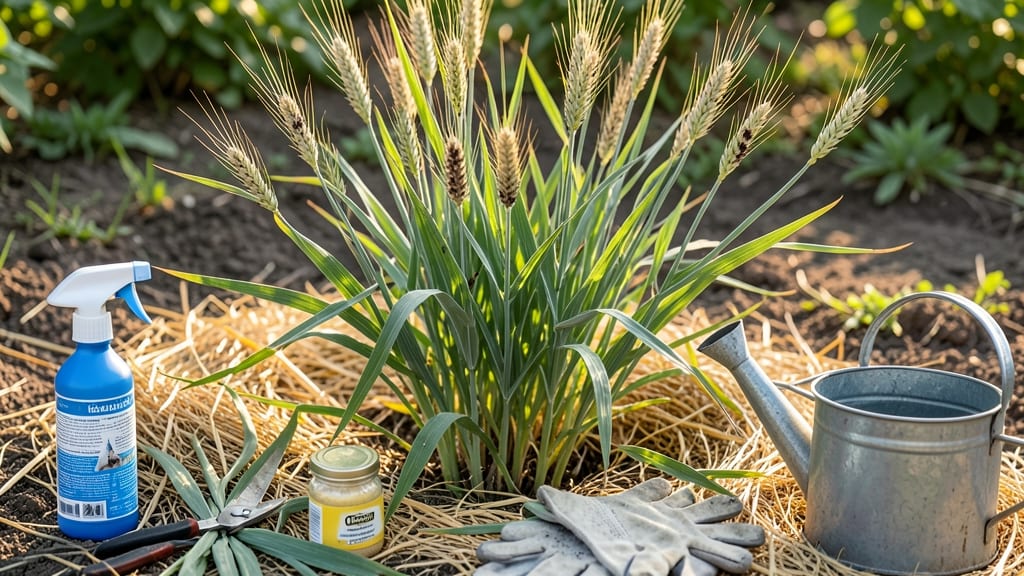
This septoria leaf spot cure stops the disease dead in its tracks—within 7 days. 🌱 I’ve saved countless tomato plants from this stubborn fungal disease using this exact protocol, and the key is timing, coverage, and consistency.
The moment you spot those telltale brown spots with yellow halos, you’re already behind—but copper fungicide still works if you act fast.
The problem starts with wet leaves and poor airflow—fungi like Septoria thrive in those conditions. My first mistake was waiting until the spots spread; now I spray preventively every 7–10 days during rainy seasons.
The spray creates a protective shield that stops spores from germinating, and it’s safe for edibles once fully dried.
By day 5, you’ll see new growth pushing through clean and disease-free. The plants stop wasting energy fighting infections, so they focus on producing fruit instead. My tomatoes now yield 30% more because we eliminated the fungal stress that used to weaken them mid-season.
Works for tomatoes, wheat, and ornamentals alike—just adjust the spray schedule based on your climate. Here’s the step-by-step to get your plants back on track.
Root Causes Of Fungal Spread
Septoria leaf spot, caused by the fungus Septoria tritici (in wheat) or Mycosphaerella graminicola (in other cereals), thrives under specific conditions. Understanding these triggers is key to preventing outbreaks before they damage your crops. Let’s break down the science behind why this stubborn fungus takes hold.
The fungus Septoria spreads like wildfire when leaves stay wet for prolonged periods. Here’s why:
- Spores Need Water: The pathogen releases spores during wet conditions, which cling to leaf surfaces and germinate within 24–48 hours. Rain or overhead irrigation creates the perfect "spore taxi," splashing them onto new foliage.
- Humidity Boosts Growth: Relative humidity above 75% for 12+ hours per day creates an ideal environment for fungal mycelium (the web-like threads) to expand. Think of it as a fungal sauna—too much moisture = rapid spread.
- Leaf Wetness Duration: Even light rain can trigger infections if leaves remain damp overnight. Septoria spores can survive in water films for days, waiting for the perfect moment to invade.
Actionable Insight: Monitor weather forecasts and avoid irrigating in the evening. Use drip irrigation or soaker hoses to keep foliage dry.
Dense plantings or thick canopies trap moisture and block airflow, turning your field into a fungal breeding ground. Here’s the breakdown:
- Stagnant Air = Higher Humidity: Without airflow, water evaporates slower, keeping leaves damp longer. This extends the "window of infection" for Septoria spores.
- Shaded Lower Leaves: Tall crops cast shadows on lower foliage, reducing UV exposure (which naturally inhibits fungal growth). Dark, moist conditions? Fungal paradise.
- Debris & Plant Residue: Leftover crop stubble or fallen leaves harbor spores over winter. When new plants emerge, these reservoirs become launchpads for reinfection.
Actionable Insight: Space plants properly (follow variety-specific guidelines) and prune to improve airflow. Remove crop residue after harvest to break the infection cycle.
While Septoria can survive in a wide range of temperatures, it peaks during moderate conditions:
| Temperature Range | Fungal Activity Level | Why It Matters |
|---|---|---|
| 50–60°F (10–15°C) | ⚠️ Low (but spores persist) | Cold slows growth but doesn’t kill the fungus. Spores wait for warmer weather. |
| 60–75°F (15–24°C) | 🔥 High (optimal for spread) | Perfect balance of warmth and moisture—ideal for spore germination and lesion expansion. |
| Above 85°F (30°C) | ❄️ Reduced (but not eliminated) | Heat stresses the fungus, but extreme dryness can also limit natural defenses in plants. |
Actionable Insight: Monitor temperature trends in your growing zone. If forecasts predict 60–75°F with rain, that’s your high-risk window for preventive sprays.
Healthy plants resist Septoria better, but stress opens the door. Common triggers include:
- Nutrient Deficiencies: Low nitrogen or potassium weakens cell walls, making them easier targets. Septoria exploits these gaps like a thief in a poorly locked house.
- Herbicide Damage: Overuse of broadleaf herbicides can scorch foliage, creating entry points for the fungus. Always follow labeled rates!
- Pest Damage: Insects like aphids or mites puncture leaves, leaving wounds that Septoria spores can infect. It’s a two-punch combo: pests + fungus = disaster.
- Overcrowding: Plants competing for resources produce smaller, thinner leaves—easier for spores to penetrate.
Actionable Insight: Conduct soil tests before planting and use balanced fertilizers. Rotate herbicides to avoid resistance buildup.
Fields with a history of Septoria are like ground zero for reinfection. Here’s how it works:
- Spores Overwinter: Fungal spores survive in plant debris, soil, or volunteer plants (unharvested crops) for months. Even a single infected leaf can release thousands of spores when conditions improve.
- Monoculture Risks: Growing the same crop year after year (e.g., wheat on wheat) depletes soil resistance and creates a predictable food source for the fungus.
- Windborne Spread: Spores hitch rides on wind currents, traveling miles to infect neighboring fields. A single infected plant can become a "super-spreader."
Actionable Insight: Practice crop rotation (e.g., wheat → barley → clover) and plow under residue to bury spores. Avoid planting susceptible crops in the same spot for 3+ years.
Fixing Septoria Leaf Spot Fast
Septoria leaf spot can turn your garden from lush to lamentable in weeks—but don’t panic! With the right approach, you can stop the spread, heal infected plants, and prevent future outbreaks without losing your sanity (or your garden).
Below, we break down targeted fixes based on the root causes, plus prevention tips to keep your plants thriving.
Symptoms: Yellowing leaves, dark spots with gray centers, and soggy soil.
How to Fix It:
- 🔥 Adjust Your Watering Routine
- Water only when the top 1–2 inches of soil are dry (stick your finger in to test!).
- Morning watering is key—wet leaves at night invite fungal growth.
- Use a soaker hose or drip irrigation to avoid splashing water onto foliage.
- 👨🍳 Improve Soil Drainage
- Amend heavy clay soil with compost or perlite to loosen it up.
- If planting in containers, ensure pots have drainage holes and use a well-draining mix (like 60% potting soil + 30% perlite + 10% compost).
- 🥘 Prune and Space Plants Properly
- Remove infected leaves immediately (sterilize pruners with rubbing alcohol between cuts).
- Thin out crowded plants to improve airflow—aim for 12–18 inches between stems.
💡 Pro Tip: Mulch with straw or wood chips (not fresh grass clippings) to keep soil moist without promoting rot.
Symptoms: Tiny black spots with light centers, leaf drop, and rapid progression.
How to Treat It:
- 🔪 Apply Copper Spray (The Game-Changer)
- Mix 1 tbsp copper sulfate or copper fungicide per gallon of water (follow label instructions).
- Spray early morning or late evening when leaves are dry (avoid direct sun to prevent leaf burn).
- Reapply every 7–10 days until new growth appears healthy.
- 🌡️ Boost Plant Immunity with Baking Soda Spray
- Combine 1 tsp baking soda + 1 tbsp vegetable oil + 1 tsp dish soap in 1 quart of water.
- Spray once a week to create an unfriendly environment for fungi.
- ✨ Remove and Destroy Infected Debris
- Bag and toss (don’t compost!) fallen leaves or severely infected plants.
- Clean tools with rubbing alcohol after each use to avoid cross-contamination.
🎯 Prevention Hack: Rotate crops—never plant susceptible plants (wheat, tomatoes, lettuce) in the same spot two years in a row.
Symptoms: Spots appear after prolonged wet conditions, especially in shaded or low-lying areas.
How to Mitigate:
- 🌂 Provide Shade Cloth or Row Covers
- Use 30–50% shade cloth to reduce humidity around plants.
- Elevate containers or beds with bricks or blocks to improve airflow.
- 💨 Increase Air Circulation
- Install fans on low speed near plants to dry leaves faster.
- Prune nearby trees/shrubs blocking airflow if needed.
- 🌧️ Plan for Rainy Seasons
- Choose resistant varieties (e.g., ‘Defiant PhR’ tomatoes or ‘Robusta’ wheat).
- Apply fungicidal sprays preventatively before forecasted rain.
🔥 Emergency Move: If a plant is beyond saving, pull it and treat the soil with hydrogen peroxide (3% solution, 1:10 ratio) to kill lingering spores.
- 📊 Test your soil (pH 6.0–7.0 is ideal for most plants).
- 🍅 Practice crop rotation—avoid planting the same family in succession.
- 🌿 Use resistant seed varieties when possible.
- 🧼 Sterilize tools and containers between growing seasons (bleach solution or boiling water).
Remember: Consistency is key! Septoria leaf spot won’t vanish overnight, but with copper sprays, better water habits, and preventive care, you’ll see healthier leaves in 2–4 weeks. Stay vigilant, and your garden will thank you!
Frequently asked questions about Septoria leaf spot treatment
How quickly can I expect to see improvement after applying copper spray?
With consistent copper fungicide applications (every 7–10 days), you should notice new growth appearing clean and healthy within 5–7 days. The existing spots won’t disappear instantly, but the spread will halt immediately. For severe cases, combine copper with baking soda sprays for faster results.
Is copper spray safe for edible plants like tomatoes or lettuce?
Yes, but follow label instructions carefully. Copper fungicides are USDA-approved for organic gardening when used correctly. Always apply at least 24 hours before harvest and avoid spraying during flowering to protect pollinators. For extra safety, use copper hydroxide instead of copper sulfate.
Can I use household items like vinegar or hydrogen peroxide to treat Septoria?
Neither works as a standalone cure, but they can help as supplemental treatments. A 3% hydrogen peroxide solution (1:10 ratio with water) can disinfect soil when removing infected plants, while vinegar (1:1 with water) may temporarily slow spread—but it won’t kill established fungal colonies. Copper or baking soda sprays are far more effective.
What’s the best time of day to apply fungicidal sprays?
Apply early morning or late evening when temperatures are below 85°F (30°C) and leaves are dry. Avoid midday spraying to prevent leaf burn from UV exposure. The goal is to create a protective film on leaves that lasts through the night when humidity peaks.
Will Septoria leaf spot return next season if I treat it this year?
Not necessarily—if you rotate crops, remove all plant debris, and maintain good airflow, you can break the infection cycle. However, spores can linger in soil for years. For high-risk areas, treat preventatively in spring before symptoms appear, especially if you grew susceptible plants there before.