
Leaf Blower
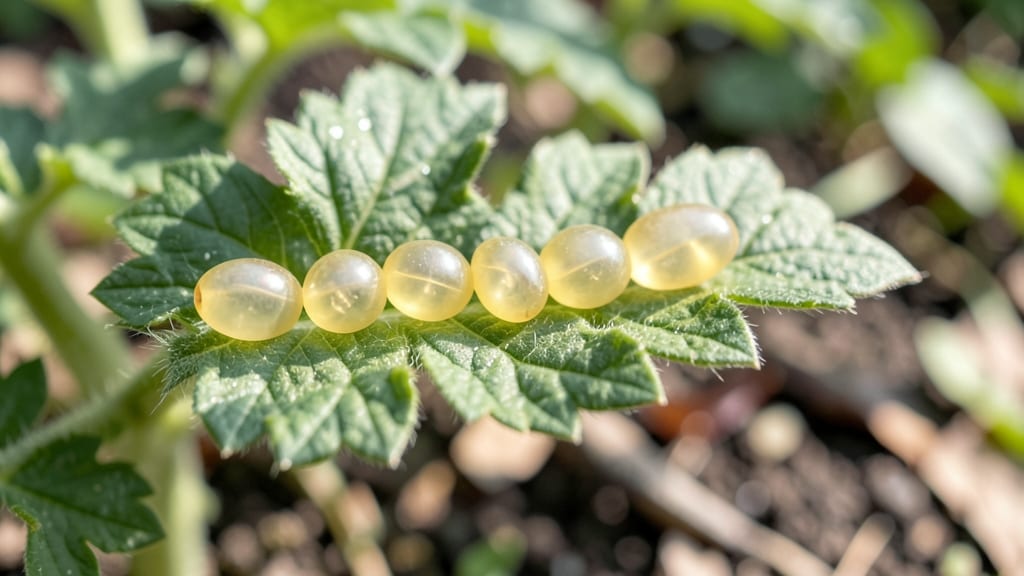
Those tiny yellow eggs on the leaf aren’t just dirt—they’re a warning sign of an incoming insect invasion that could strip your plants bare in weeks. 🌿 I’ve watched aphid eggs turn my basil into skeleton leaves overnight, and the key to stopping them starts with knowing exactly what you’re dealing with before the damage becomes visible.
Most gardeners mistake these eggs for harmless pollen or mold, but they’re actually the first stage of pests like aphids, sawfly larvae, or spider mites—each with its own destruction pattern. Aphids cluster on undersides, sawflies attack in waves, and spider mites leave silky webbing behind.
The sooner you identify them, the easier it is to act before your plants become a buffet. You’ll learn to spot the differences between these eggs, how their lifecycle works, and the simple organic sprays that stop them cold—no chemicals needed.
A quick inspection now could save your tomatoes, roses, or herbs from total collapse by summer. This isn’t just about fixing damage; it’s about preventing it.
I’ll show you how to protect your garden before the eggs even hatch, using methods that work whether you’re dealing with a single plant or your entire yard.
Root Causes Behind Egg Clusters
Discovering tiny yellow insect eggs clinging to your leaves can feel like a garden alarm going off—but why does this happen? The presence of these eggs is rarely random. Instead, it’s a clear sign of an underlying ecological imbalance or targeted pest activity.
Understanding the why behind these clusters empowers you to act before your plants become a buffet for hungry larvae. Below, we break down the most common triggers, from environmental cues to plant vulnerabilities.
Many insects lay eggs in response to specific environmental conditions that signal safety and abundance for their offspring. If your garden suddenly becomes a hotspot for yellow egg masses, these factors are likely at play:
- 🌡️ Warm, Humid Microclimates Many egg-laying pests, like aphids or spider mites, thrive in warm, humid conditions. A sheltered leaf—especially on the underside—can trap moisture and heat, creating an ideal incubator. Actionable tip: Improve airflow around plants by pruning dense foliage or spacing them further apart.
- 🍃 Overly Lush or Stressed Plants Healthy plants produce more sap and tender new growth, which attracts egg-laying adults. Conversely, stressed plants (from overwatering, drought, or poor soil) can also trigger egg-laying as pests detect weakened defenses. Pro tip: Balance watering to avoid soggy roots while ensuring consistent moisture—most pests dislike extremes.
- 🌿 Seasonal Timing Eggs often appear in spring or early summer when days lengthen and temperatures rise. Some species, like the yellow woolly bear caterpillar, time their egg-laying to coincide with new leaf flushes. 💡 Watch for: Egg clusters on new growth or soft, succulent leaves—these are prime targets.
Not all insect eggs are created equal. The yellow hue and leaf placement of these eggs often point to specific pests with distinct reproductive strategies:
🐞 Aphid Eggs: The Stealthy Overwinterers
Aphids often lay yellow or orange eggs in late fall or winter, tucked into leaf crevices or bark. These eggs survive cold snaps and hatch when temperatures warm, giving rise to entire colonies. Key identifiers:
- Eggs are oval and slightly flattened, often in small clusters.
- Found on buds, stems, or leaf undersides.
- Adult aphids excrete honeydew, leading to sooty mold.
🕷️ Spider Mite Eggs: The Tiny Terror’s Strategy
Spider mites lay yellow to green eggs in batches on leaf undersides, where they’re protected from predators and wind. These eggs hatch in 5–10 days under ideal conditions, releasing voracious larvae that spin webs and suck plant sap. Watch for:
- Eggs clustered near leaf veins or in rolled leaves.
- Fine webbing on stems or between leaves.
- Yellowing or stippled leaves (a sign of feeding damage).
🐛 Caterpillar Eggs: The Leaf-Munching Menace
Some caterpillars, like the cabbage looper or tomato hornworm, lay yellowish eggs in neat rows or scattered clusters. Their goal? To ensure their larvae have immediate access to fresh foliage. Red flags:
- Eggs on leaf edges or stems.
- Chewed holes in leaves within days of hatching.
- Frass (insect droppings) near egg sites.
Some plants are magnets for egg-laying pests due to their scent, sap composition, or growth patterns. If your garden is a hotspot, these factors may be to blame:
- 🌿 Soft, Hairy, or Fuzzy Leaves Plants like tomatoes, peppers, or squash have pubescent (hairy) leaves, which provide grip for eggs and shelter from predators. Solution: Choose smooth-leaved varieties or apply kaolin clay to deter pests.
- 🍃 High-Nitrogen Fertilization Lush, nitrogen-rich growth attracts sap-sucking pests. While greener leaves are tempting, they also signal weak structural defenses. Balance tip: Use a slow-release, balanced fertilizer (e.g., 10-10-10) to avoid overfeeding.
- 🌳 Monoculture Plantings Large patches of the same plant species create a pest buffet. Egg-laying adults can find and exploit these areas easily. Diversify: Interplant with herbs (basil, mint) or flowers (marigolds, nasturtiums) to disrupt pest patterns.
By addressing these root causes—whether through environmental adjustments, targeted pest control, or plant resilience strategies—you can break the cycle before yellow eggs turn into a full-blown infestation. Early action is key!
How to Treat and Prevent Leaf Eggs
Discovering yellow insect eggs on your leaves can feel like a garden nightmare, but don’t panic—there are practical, effective ways to tackle the problem before it spirals out of control. Below, we’ve mapped out targeted solutions based on the most common causes, from chemical-free methods to organic defenses.
Each approach is designed to be easy to implement and tailored to your garden’s needs.
Before jumping into treatments, confirm the type of insect eggs you’re dealing with. Common offenders include:
- Aphid eggs (tiny, oval, yellowish)
- Scale insect eggs (clustered under leaves)
- Spider mite eggs (almost invisible to the naked eye)
- Caterpillar eggs (round, often laid in batches)
💡 Pro Tip: Use a hand lens or smartphone magnifier to inspect the eggs closely. If unsure, snap a photo and compare it to online insect egg databases (like BugGuide).
For those who prefer chemical-free methods, these natural remedies can disrupt the egg-laying cycle and deter adult insects:
1. Manual Removal (Best for Small Infestations)
👨🍳 Gently wipe or brush off eggs with a damp cloth or soft brush. 🔪 Prune heavily infested leaves and dispose of them in a sealed bag (not compost). ⏰ Do this in the early morning when insects are least active.
Why it works: Removes eggs before they hatch, breaking the life cycle.
2. Neem Oil Spray (Disrupts Egg Hatching)
🍳 Mix 1 tsp neem oil + 1 tsp mild soap + 1 quart water in a spray bottle. 🌿 Spray undersides of leaves (where eggs are often hidden) thoroughly. 🌡️ Reapply every 5–7 days until no new eggs appear.
Why it works: Neem oil smothers eggs and confuses adult insects, reducing future laying.
3. Introduce Beneficial Insects (Long-Term Defense)
🐞 Ladybugs, lacewings, or parasitic wasps eat aphid and mite eggs. 🎯 Purchase from garden centers or attract them with dill, fennel, or marigolds. ✨ Release them at dusk for best results.
Why it works: Creates a natural predator-prey balance in your garden.
4. Horticultural Oil (For Stubborn Eggs)
🔥 Use a refined oil spray (like dormant oil) on non-flowering plants. 🌿 Apply when temps are above 50°F (below freezing damages plants). 💡 Avoid if bees are active—spray after sunset.
Why it works: Suffocates eggs and soft-bodied insects.
If organic methods fail, targeted pesticides can help. Always: ⚠️ Follow label instructions (dosage and safety precautions). 🌧️ Avoid spraying when rain is forecasted (washes off treatment). 🛡️ Wear gloves and a mask when applying.
1. Insecticidal Soap (Safe for Most Plants)
🍳 Mix 1–2 tbsp insecticidal soap + 1 quart water. 🌿 Spray directly on eggs and undersides of leaves. 🔄 Reapply every 3–5 days until control is achieved.
Best for: Aphids, mites, and soft-bodied insects.
2. Systemic Granules (For Root-Fed Pests)
🌱 Apply granules (like imidacloprid) to soil around plant roots. 💧 Water thoroughly to activate. ⏳ Takes 1–2 weeks to work (not instant).
Best for: Scale insects and some beetle larvae.
3. Pyrethrin Sprays (Fast-Kill for Caterpillars)
🔥 Use a pyrethrin-based spray (derived from chrysanthemums). 🌿 Spray at dusk (less harmful to bees). ⚠️ Reapply every 5–7 days (breaks down quickly).
Best for: Caterpillar eggs and adult moths.
The best defense? Stop eggs from appearing in the first place. Try these proactive steps:
1. Maintain Plant Health
💪 Healthy plants = fewer pests. 🌱 Water deeply but less frequently (avoid soggy soil). 🍎 Fertilize appropriately (over-fertilizing attracts aphids). 🌿 Prune regularly to improve airflow (reduces hiding spots).
2. Use Physical Barriers
🕷️ Row covers (fine mesh) block flying insects from laying eggs. 🌸 Sticky traps near plants catch adult moths before they reproduce. 🪴 Copper tape around pots deters slugs and some beetles.
3. Rotate Plantings
🌱 Avoid planting the same crops in one spot yearly (disrupts pest life cycles). 🌿 Interplant with herbs (basil, mint) to repel insects naturally.
4. Monitor Regularly
🔍 Inspect leaves weekly, especially undersides. 📅 Keep a garden journal to track infestations early.
If your garden is overrun despite treatments, consider:
- Large-scale commercial growers (may need fumigation).
- Persistent infestations (like gypsy moths or Japanese beetles).
- Organic certification requirements (some treatments are restricted).
Final Thought: Yellow insect eggs on leaves are a warning sign, not a death sentence. With early action, you can protect your plants and enjoy a thriving garden—without chemicals.
Start with manual removal and neem oil, then escalate if needed. Your future self (and your plants) will thank you! 🌿✨
Frequently asked questions
What do yellow insect eggs on leaves look like up close?
Yellow insect eggs are typically tiny (1/32" to 1/16" wide), oval-shaped, and often clustered on leaf undersides or stems. Aphid eggs appear flattened, while spider mite eggs look almost translucent. Use a hand lens or smartphone magnifier to spot their distinct shapes—some have a glossy finish, others appear slightly fuzzy.
Are yellow eggs always harmful to plants?
Not all yellow eggs are dangerous! Some beneficial insects, like lacewing larvae, lay yellow eggs that won’t harm your plants. However, most yellow eggs belong to pests like aphids, spider mites, or caterpillars, which can quickly damage foliage. Always check for webbing, honeydew, or chewed leaves to confirm if removal is needed.
How quickly do these eggs hatch into pests?
Hatching times vary by species: aphid eggs may take 1-2 weeks in cooler weather, while spider mite eggs hatch in just 5-10 days when warm. Caterpillar eggs often hatch within 3-5 days. The key is to act fast—once larvae emerge, they multiply rapidly and cause visible damage within days.
Can I use vinegar spray to remove yellow insect eggs?
While vinegar kills adult insects, it’s not effective against eggs—they’re protected by their shells. For eggs, use neem oil or insecticidal soap instead. Mix 1 tsp neem oil + 1 tsp mild soap + 1 quart water and spray thoroughly on leaf undersides. Reapply every 5-7 days for best results.
Will rain wash away yellow insect eggs?
Rain won’t remove eggs completely, but heavy downpours can dislodge some clusters. However, many eggs are glued to leaf surfaces or hidden in crevices. For best results, combine rain with manual removal (wipe leaves with a damp cloth) and neem oil sprays to break the life cycle.