
Pests and Diseases
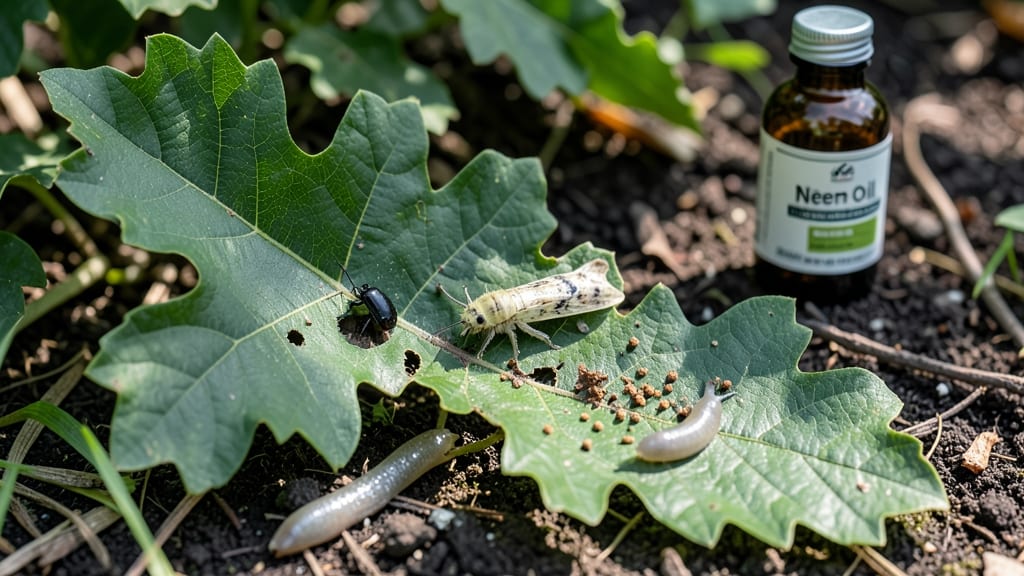
When you spot what eats a leaf in your garden, it’s rarely just one culprit—it’s a whole cast of hungry characters. 🌿 I’ve lost count of the times I’ve found my prized hostas skeletonized overnight or my tomato leaves chewed into lace, only to discover the real culprit hiding in plain sight.
The damage patterns tell the story: ragged edges mean slugs, precise holes mean beetles, and missing whole leaves mean deer or rabbits.
Most gardeners panic and reach for chemicals, but the real game-changer is learning the who, what, and when of leaf-eating. Slugs leave silvery trails, caterpillars spin silk tents, and deer tear leaves with clean cuts.
Once you recognize these clues, you can outsmart them with barriers, companion plants, or organic sprays—no harsh chemicals needed. My garden’s gone from a buffet to a fortress since I started using these targeted tricks.
You’ll walk away with a foolproof system to identify pests by their damage, plus the exact solutions that actually work—like beer traps for slugs, neem oil for beetles, and motion-activated sprinklers for deer.
The best part? These methods protect your plants and the pollinators you actually want in your garden. No more guessing games, just results.
Whether you’re dealing with a first-time infestation or a recurring battle, this approach scales from a single container garden to a full backyard. The key is acting fast—before the pests graduate to your prize plants. Let’s turn your garden back into the lush, thriving space it should be.
The Hidden Culprits Behind Leaf Loss
When you notice your lush green leaves disappearing, it’s rarely a coincidence—it’s a feast in progress. 🍃🐛 Whether it’s tiny insects munching on the edges or larger pests devouring entire leaves, understanding why this happens is the first step to protecting your plants.
Let’s break down the science behind these leafy buffets and who’s really responsible.
Insects are the most common leaf-eaters, and their feeding habits are driven by survival, reproduction, and even chemical cues. Here’s how they turn your garden into an all-you-can-eat buffet:
- Hunger and Population Growth: Insects like caterpillars, beetles, and aphids consume leaves primarily to fuel their rapid growth and reproduction. For example, a single cabbage looper caterpillar can devour an entire leaf in just a few days—its body converts plant material into energy and protein at an astonishing rate. Pro tip: 💡 Overcrowded gardens or unchecked infestations accelerate this process, as insects multiply faster when food (your leaves) is abundant.
- Chemical Attraction: Plants emit volatile organic compounds (VOCs) when stressed or damaged, which act like dinner bells to herbivorous insects. For instance, aphids are drawn to leaves high in sugars and low in defensive compounds like tannins. Fun fact: 🌡️ Some insects, like the Colorado potato beetle, have even evolved to detect and prefer plants treated with certain pesticides, making them harder to deter!
- Life Cycle Dependence: Many insects, such as Japanese beetles, go through larval stages where they only eat leaves. Their survival depends on it—larvae must consume enough foliage to pupate and emerge as adults. This means early intervention is critical; once larvae are established, they’re nearly impossible to remove without manual or chemical methods.
Actionable insight: 🎯 Monitor your plants regularly for early signs of insect activity, like chewed edges or sticky residue (aphid honeydew). Catching these pests before they multiply saves your leaves—and your sanity.
Not all leaf loss is due to ravenous insects—sometimes, the environment itself sets the stage for a feast. Here’s how external factors turn your garden into a buffet:
- Stress Weakens Defenses: Plants under stress (from drought, poor soil, or extreme temperatures) produce fewer defensive compounds like alkaloids or silica, making them easier targets. For example, drought-stressed trees are more susceptible to bark beetles, while nutrient-deficient leaves attract aphids seeking easier meals. Pro tip: ✨ Ensure your plants are well-watered and fertilized to boost their natural pest resistance!
- Climate and Seasonal Swings: Warm, humid conditions create the perfect breeding ground for pests like slugs and snails, which thrive in moist environments. Meanwhile, early spring or late summer heat waves can trigger mass hatching of insect eggs buried in soil. Example: 🌡️ The tomato hornworm’s population explodes in hot, humid summers, leaving tomato plants skeletonized overnight.
- Human Activity Accelerates Spread: Moving infested plants, using contaminated tools, or even composting pest-ridden leaves can introduce new predators to your garden. For instance, bringing home a potted plant with hidden whitefly eggs can lead to a full-blown infestation within weeks. Action step: 🔥 Always quarantine new plants and inspect them thoroughly before adding them to your garden.
While insects are the usual suspects, larger animals—both wild and domestic—also contribute to leaf loss. Their behavior is often tied to habitat, food scarcity, or curiosity:
| Animal | Why They Eat Leaves | Signs of Activity |
|---|---|---|
| 🐇 Deer | Browsing for tender shoots and leaves, especially in winter when other food is scarce. They prefer young, nutrient-rich foliage. | Large, irregular holes or completely stripped branches. Often seen at dawn or dusk. |
| 🐹 Squirrels and Rabbits | Gnawing leaves and bark for protein and carbohydrates, particularly in early spring when new growth is abundant. | Clean, sharp cuts on leaves or stems. May also find burrows or droppings near affected plants. |
| 🐔 Chickens and Livestock | Pecking or grazing leaves as part of their diet, especially if other feed is limited. Chickens, for example, may target soft leaves like lettuce or basil. | Small, scattered holes or trampled plants. Often paired with scratch marks in the soil. |
Key takeaway: 🎯 Physical barriers (like fencing) or repellents can deter these larger pests. For example, deer-resistant plants (e.g., lavender or boxwood) or motion-activated sprinklers can make your garden less appealing.
Understanding the why behind leaf loss empowers you to act swiftly and strategically. Whether it’s an insect infestation, environmental stress, or a hungry critter, knowledge is your best defense. Next, we’ll explore how to identify and stop these leaf-munching culprits in their tracks.
Stop Leaf Munchers Fast
Discovering half-chewed leaves in your garden can feel like a personal affront—especially when you’ve nurtured your plants with care. The good news? Most leaf-eating pests are manageable with the right approach.
Below, we’ve mapped out practical solutionstailored to the most common culprits, from slugs to caterpillars, plus prevention tips to keep your greenery safe long-term. No toxic sprays required!
🔥 Cause: These nocturnal raiders leave behind shiny trails and ragged edges on leaves. 👨🍳 Fix:- Set traps: Bury a shallow dish filled with beer near plants—slugs will crawl in and drown. Replace every few days. 🍺
- Use barriers: Sprinkle coarse sand or diatomaceous earth (food-grade) around plants to create a gritty barrier they hate.
- Handpick at night: Shine a flashlight after dusk and relocate slugs to a far-off area with a damp towel.
💡 Prevention:
- Water in the morning so soil dries faster, reducing slug hideouts.
- Remove hiding spots like mulch piles or dense ground cover near vulnerable plants.
🔥 Cause: Tiny green or brown worms devouring leaves whole, often leaving behind silk webs (tent caterpillars). 👨🍳 Fix:
- Manual removal: Drop caterpillars into soapy water or relocate them far from your garden. 🪰
- Bacillus thuringiensis (Bt): A natural bacteria spray that kills caterpillars without harming other insects. Safe for organic gardens!
- Encourage predators: Ladybugs, birds, and parasitic wasps love caterpillars—plant native flowers to attract them.
💡 Prevention:
- Inspect leaves regularly (especially undersides) for eggs or early larvae.
- Use row covers on young plants to block egg-laying moths.
🔥 Cause: Tiny clusters of aphids curl leaves and excrete sticky "honeydew," attracting mold. 👨🍳 Fix:
- Blast them off: Spray plants with a strong stream of water to dislodge aphids. Repeat daily for a week. 💦
- Neem oil spray: Mix 1 tsp neem oil + 1 tsp mild soap in 1 quart of water. Spray directly on pests.
- Introduce ladybugs: Purchase or attract them—they eat hundreds of aphids per day!
💡 Prevention:
- Encourage strong airflow around plants to deter aphid clusters.
- Remove yellowing leaves (aphids love weak foliage).
🔥 Cause: Adult beetles chew neat, lace-like patterns on leaves, often targeting roses and grapes. 👨🍳 Fix:
- Handpick and drown: Drop beetles into soapy water during peak feeding hours (early morning). ⏰
- Neem oil or kaolin clay: Spray leaves to create a barrier they avoid.
- Milky spore powder: Apply to soil to target beetle grubs before they emerge.
💡 Prevention:
- Plant trap crops like marigolds or sunflowers to lure beetles away.
- Avoid over-fertilizing—beetles love lush, nitrogen-rich plants.
🔥 Cause: Large, irregular holes or stripped stems from hungry herbivores. 👨🍳 Fix:
- Fencing: Install 8-foot tall fencing for deer or chicken wire for rabbits. 🏞️
- Repellents: Spray plants with a mix of water, garlic, and hot pepper (reapply after rain).
- Motion-activated sprinklers: Startle them away with sudden water bursts.
💡 Prevention:
- Plant deer-resistant species like lavender, boxwood, or Russian sage near borders.
- Remove brush piles where rabbits hide.
No matter the pest, these universal strategies will help:
- Rotate crops to confuse pests and disrupt their life cycles.
- Keep your garden healthy—stressed plants attract more pests. Water deeply and fertilize appropriately. 💪
- Monitor regularly (10–15 minutes weekly) to catch problems early.
- Use companion planting: Marigolds deter nematodes, basil repels flies, and nasturtiums lure aphids away from veggies.
With these targeted fixes, your leaves will stay intact—and your garden will thrive without harsh chemicals. Try one method at a time, observe results, and adjust as needed. Happy gardening! 🌱
Frequently asked questions
Why do some leaves get eaten while others on the same plant stay untouched?
Pests often target the most tender, nutrient-rich leaves first—especially new growth or sun-exposed foliage. Stress factors like drought or poor soil nutrition make certain leaves more vulnerable. Also, some insects (like aphids) cluster on specific parts of the plant, while others (like deer) may only browse at certain heights.
Can I use coffee grounds to stop leaf-eaters?
Coffee grounds can help deter slugs and some insects when sprinkled around plants, but they’re not a complete solution. The caffeine acts as a natural repellent, and the gritty texture creates a barrier. For best results, combine with other methods like beer traps or diatomaceous earth. Just avoid overapplying—too much can alter soil pH.
How do I know if my leaf damage is from insects or animals?
Look for these clues: Insect damage is usually precise (lace-like holes, chewed edges) while animal damage is irregular (large chunks torn out). Deer leave clean cuts, rabbits create jagged edges, and squirrels often target fruits/leaves near the ground. Check for droppings, tracks, or fur near affected plants for confirmation.
Will neem oil harm beneficial insects like bees?
Neem oil is generally safe for bees when used correctly, but timing matters. Apply it in early morning or late evening when bees aren’t actively foraging. Avoid spraying flowers directly, and always follow package instructions. For extra safety, use a diluted solution (1 tsp neem oil + 1 tsp mild soap per quart of water).
How long until my plants recover from heavy leaf damage?
Most plants can regrow leaves within 2-4 weeks if the damage isn’t severe (less than 30% of foliage). For heavy damage, focus on watering deeply and fertilizing lightly to support new growth. Young plants may take longer to recover than established ones. Prune severely damaged leaves to redirect energy to healthier foliage.