
Pests
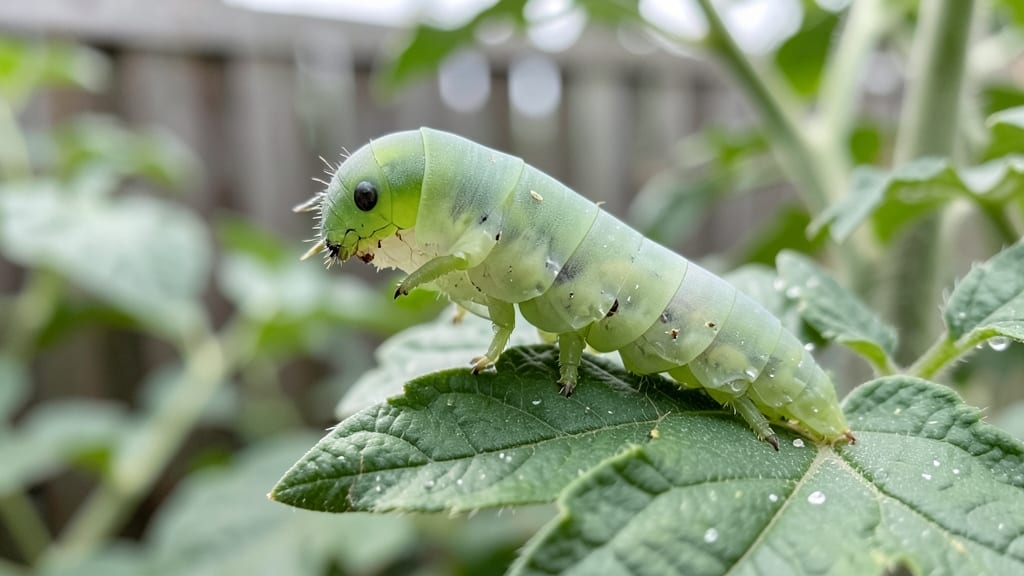
Green leaf worms can strip your garden bare in less than a week—I’ve seen entire cabbage plants skeletonized overnight. 🌿 The key to stopping them fast is recognizing their telltale signs: tiny green worms with yellow stripes, chewing irregular holes in leaves, and a trail of frass (that black poop) on the foliage.
These pests thrive in warm weather and love brassicas like kale, cabbage, and broccoli, but they’ll also attack tomatoes, peppers, and even fruit trees.
The damage escalates quickly, so early action is everything—handpicking, row covers, or a targeted spray of neem oil can turn the tide before your plants look like lace.
Once you spot them, act fast: remove infested leaves immediately, introduce beneficial insects like ladybugs, or apply organic insecticidal soap at dusk. The goal is to break their life cycle before they multiply, saving your harvest from total loss.
Prevention starts with healthy plants—strong stems and good airflow deter infestations. Check your garden weekly, especially after rain, when these worms are most active. With the right approach, you can protect your garden without resorting to harsh chemicals.
Root Causes Of Foliar Feeding
When your prized plants suddenly look like they’ve been hit by a tiny, leaf-munching army, the culprit is often the green leaf worm (or similar caterpillar species). These pests don’t just appear out of nowhere—they thrive due to a mix of environmental, ecological, and even human-influenced factors.
Understanding why they target your garden is the first step to stopping them in their tracks.
Green leaf worms (and their caterpillar kin) are opportunistic feeders—they go for plants that are already stressed or struggling. When plants are overcrowded, they compete for sunlight, water, and nutrients, making them easier targets for hungry caterpillars.
- Why it happens:
- Poor air circulation weakens plant defenses, making leaves softer and more appealing to chewers.
- Nutrient-deficient soil (low in nitrogen or potassium) reduces plant resilience, making them less able to repel pests.
- Diseased or damaged plants emit chemical signals that attract herbivorous insects, including leaf worms.
- Actionable fix:
- Thin out overcrowded plants to improve airflow and sunlight exposure.
- Test soil pH and amend with compost or organic fertilizer to boost plant health.
- Remove and destroy heavily infested leaves or plants to prevent spread.
Green leaf worms don’t randomly pick plants—they have preferred hosts. If your garden is a buffet of their favorite greens (like beans, cabbage, or tomatoes), they’ll move in fast.
These pests are also drawn to plants that are already flowering or fruiting, as the sugars in new growth make them extra tasty.
- Why it happens:
- Certain plants (e.g., brassicas, solanaceae, or legumes) produce volatile organic compounds (VOCs) that attract egg-laying moths.
- Young, tender leaves are higher in water content and lower in defensive compounds like tannins, making them a prime snack.
- Monoculture gardens (planting the same species in large blocks) create a green worm magnet.
- Actionable fix:
- Interplant repellent crops like marigolds, basil, or dill to disrupt their feeding patterns.
- Avoid planting large patches of a single crop; use succession planting or companion planting instead.
- Monitor high-risk plants (e.g., tomatoes, peppers) daily for early signs of eggs or larvae.
Green leaf worms start life as eggs laid by adult moths. When moth populations boom, your garden becomes ground zero for a caterpillar invasion. Warm nights, lack of natural predators, and urban/suburban landscapes (with fewer birds or parasitic wasps) create the perfect storm for moth reproduction.
- Why it happens:
- Mild winters or early springs allow moths to emerge earlier and in larger numbers.
- Artificial lighting (porch lights, streetlights) attracts moths, increasing egg-laying near gardens.
- Reduced biodiversity in gardens means fewer natural predators (like ladybugs, lacewings, or birds) to keep moth populations in check.
- Actionable fix:
- Use yellow or sodium vapor lights instead of white LEDs to deter moths.
- Encourage predator habitats by adding native plants that attract birds and beneficial insects.
- Handpick adult moths at dusk or use pheromone traps to reduce egg-laying.
Temperature and humidity play a huge role in leaf worm activity. These pests are most active during warm, humid conditions, which speed up their growth and reproduction cycles. Drought-stressed plants also become more vulnerable because their chemical defenses weaken.
- Why it happens:
- Green leaf worms metabolize faster in heat (60–80°F is ideal for their development).
- High humidity keeps their eggs from drying out, increasing hatch rates.
- Drought-stressed plants produce less defensive compounds like alkaloids, making them easier prey.
- Actionable fix:
- Water deeply but infrequently to encourage deep root growth and drought resistance.
- Mulch around plants to retain moisture and regulate soil temperature.
- Time interventions: Check plants after rain (when eggs hatch) or in early morning (when caterpillars are sluggish).
💡 Pro Tip: If you’re dealing with a severe infestation, combine multiple strategies—like improving plant health, introducing predators, and using physical barriers (row covers). Green leaf worms are persistent, but a multi-pronged approach gives your garden the best shot at recovery!
Practical ways to outsmart leaf munchers
Dealing with voracious leaf-eating pests can feel like a losing battle, but with the right strategies, you can reclaim your garden’s greenery—and fast. Below are targeted solutions mapped to common causes, from quick fixes to long-term prevention. Think of this as your battle plan to turn the tide.
If you’ve already spotted chewed leaves or tiny worms munching away, act fast to minimize damage.
🔥 Handpick and Remove Pests
The most eco-friendly first step? Get your hands dirty.
- When to do it: Early morning or late evening when pests are sluggish (🌅☀️).
- How to do it:
- Shake plants over a bucket of soapy water (1 tbsp dish soap per gallon).
- Use a flashlight to spot hidden eggs or larvae on undersides of leaves.
- For stubborn clusters, wear gloves and pluck them off manually.
- Pro tip: 💡 Check under leaves, along stems, and in leaf litter—these are hotspots for eggs.
🍳 DIY Sprays: Non-Toxic Repellents
Skip harsh chemicals and try these plant-safe sprays that disrupt pests’ feeding habits.
- Neem Oil Spray (🌿✨)
- Mix 1 tsp neem oil + 1 tsp mild soap + 1 quart water.
Spray directly on leaves (avoid flowering plants if bees are active). - Why it works: Disrupts feeding and reproduction cycles. - Garlic or Chili Pepper Spray (🌶️🧄) - Blend 4 garlic cloves + 1 tbsp cayenne pepper + 1 quart water.
Strain and spray. - Why it works: Pests hate the strong scent—reapply every 3–5 days. - Soapy Water (🧼💦) - 1 tbsp castile soap per gallon of water. Spray on contact (test on a small leaf first). - Why it works: Breaks down their protective wax layer, dehydrating them.
Prevent future outbreaks by addressing the root causes of infestations.
👨🍳 Cultural Controls: Garden Hygiene Matters
Pests thrive in messy, nutrient-rich environments. Clean up to starve them out.
- Remove Debris (🧹⏳)
- Clear fallen leaves, mulch, and plant waste where eggs overwinter.
- Why? Many pests lay eggs in leaf litter—eliminate hiding spots.
- Rotate Crops (🌱🔄)
- Avoid planting the same family (e.g., brassicas like cabbage) in the same spot yearly.
- Why? Pests specialize in certain plants—rotation confuses them.
- Interplant with Repellents (🌿🛡️)
- Basil, mint, or marigolds near vulnerable plants (e.g., tomatoes, lettuce).
- Why? Strong scents mask host plant smells pests rely on.
🔪 Physical Barriers: Keep Them Out
Block pests before they reach your plants with low-tech defenses.
- Row Covers (🛡️🌾)
- Lightweight fabric over young plants traps pests while allowing sunlight/water.
- Best for: Early-season protection (remove when plants flower).
- Copper Tape (⚡🐛)
- Wrap stems of susceptible plants (e.g., cabbage) with copper tape.
- Why? Pests get a mild electric shock when crawling over it.
- Collars for Seedlings (🥫🌱)
- Cut toilet paper rolls or cardboard into 2-inch rings, bury around stems.
- Why? Stops cutworms and young larvae from climbing up.
Enlist predators to keep pest populations in check—no chemicals needed.
🐞 Introduce Beneficial Insects
- Ladybugs (🐞💥) – Devour aphids and young worms.
Release 1,000+ adults per acre. - Parasitic Wasps (🕷️🔍) – Lay eggs inside caterpillars; larvae eat them from within. Buy locally sourced varieties. - Praying Mantises (🕷️🌿) – Generalist predators; release at dusk when they’re active. - Nematodes (🐛💧) – Microscopic worms that attack larvae in the soil.
Apply with water.
🎯 Attract Wildlife Allies
- Birds (🐦🍃) – Install birdhouses or feeders near gardens.
Chickadees and wrens love munching caterpillars. - Frogs & Toads (🐸💦) – Keep a shallow water dish in the garden to lure them. - Ground Beetles (🪲🌑) – Leave patches of bare soil and mulch; they hunt pests at night.
| Task | When to Do It | Why It Works |
|---|---|---|
| Inspect plants weekly | Every 7–10 days | Catches infestations before they spread. |
| Prune damaged foliage | As soon as noticed | Removes food sources and eggs. |
| Apply mulch (straw) | Spring planting | Deters pests and retains moisture. |
| Test soil health | Early spring | Healthy soil = stronger, pest-resistant plants. |
| Avoid over-fertilizing | All season | Too much nitrogen attracts soft-bodied pests. |
Final Pro Tip: 🌟 Combine methods for best results. For example:
- Handpick in the morning + neem oil spray at dusk + plant basil nearby.
- Rotate crops + use row covers for high-risk plants like kale.
With these strategies, your garden can go from leaf-muncher buffet to pest-free paradise in no time. Now grab your gloves and get to work—your plants will thank you!
Frequently asked questions
What plants do green leaf worms attack most often?
Green leaf worms love feasting on brassicas like cabbage, kale, broccoli, and Brussels sprouts, but they’ll also target tomatoes, peppers, beans, and even fruit trees. Young, tender leaves are their favorite snack, so newly planted seedlings are especially vulnerable. If you notice irregular holes or skeletonized foliage, these pests are likely the culprits.
How do I tell if my plants have green leaf worms vs. other caterpillars?
Green leaf worms are small (½ inch long) with bright green bodies and yellow stripes, while other caterpillars may be hairy, fuzzy, or have different color patterns. Look for their telltale signs: tiny black frass (poop) on leaves, chewed edges, and the worms themselves hiding on the undersides of leaves during the day.
Can I use neem oil on edible plants?
Yes, but with caution! Neem oil is safe for edible plants when used correctly—just avoid spraying it directly on flowers if bees are active, as it can harm them. Apply it in the evening when pollinators are less active, and always test a small leaf first. Wait 24 hours before harvesting to ensure full safety for consumption.
What’s the best time of day to handpick green leaf worms?
Early morning or late evening are the best times—these pests are sluggish in cooler temperatures, making them easier to spot and remove. Use a flashlight to check undersides of leaves, and drop them into soapy water to kill them instantly. Avoid midday when they’re most active and harder to find.
Will green leaf worms come back next year if I treat them this year?
Possibly, but you can break their life cycle! These pests overwinter as eggs in leaf litter or soil, so clean up garden debris in fall and rotate crops annually. Healthy plants and natural predators (like ladybugs) also help reduce future infestations. Consistency is key—combine multiple methods for long-term control.