
Diseases
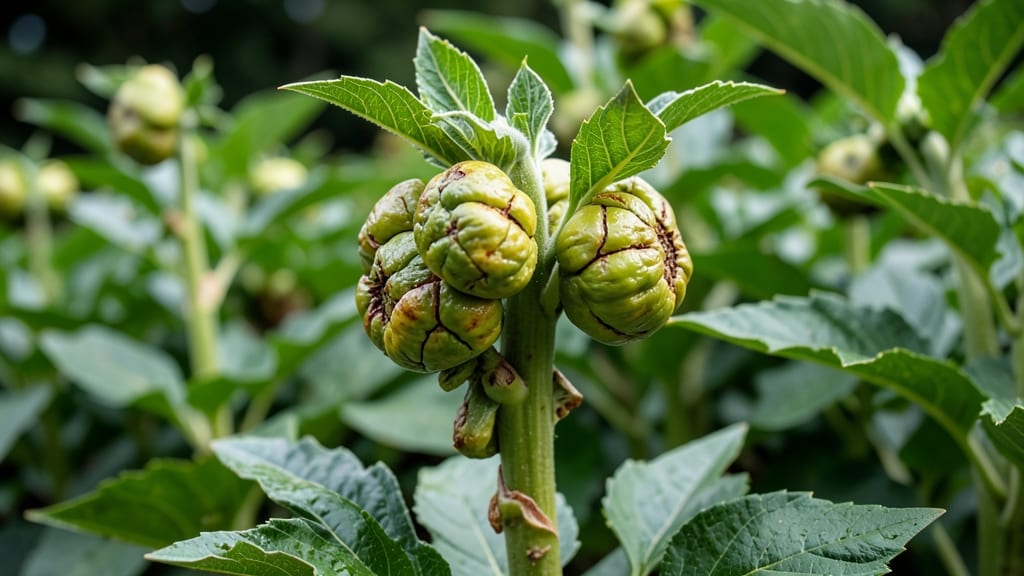
Dahlias can develop leafy gall—a destructive fungal disease—that spreads quickly if left unchecked. Knowing exactly what to look for helps gardeners act fast and protect their prized plants before symptoms worsen.
Small Green Bumps on Stem Tips
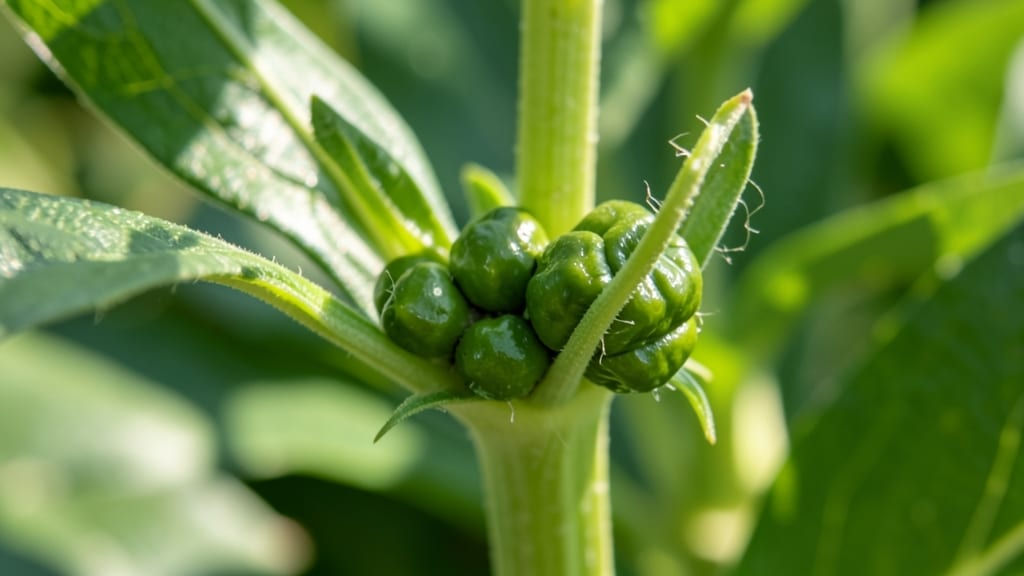
If your dahlias are developing pea-sized green bumps at the stem tips or where leaves meet the stems, you might be seeing early-stage leafy gall—a fungal disease that mimics normal growth at first glance. These tiny swellings are denser and more irregular than your typical plant tissue, often appearing as small, rounded lumps that catch the light differently than healthy growth.
Unlike normal buds or new shoots, these bumps feel firmer to the touch and may develop a slightly fuzzy texture over time. They often appear in clusters or along the leaf axils (the V-shaped area where leaves attach to the stem). The key is to check for asymmetry—healthy growth is usually uniform, while leafy gall starts lumpy and uneven.
Catching these early signs is crucial, especially for container gardeners or those growing dahlias in high-humidity areas. Removing infected stems immediately can prevent the disease from spreading to your entire plant. 🌱
Leaf-Like Growths Without Buds
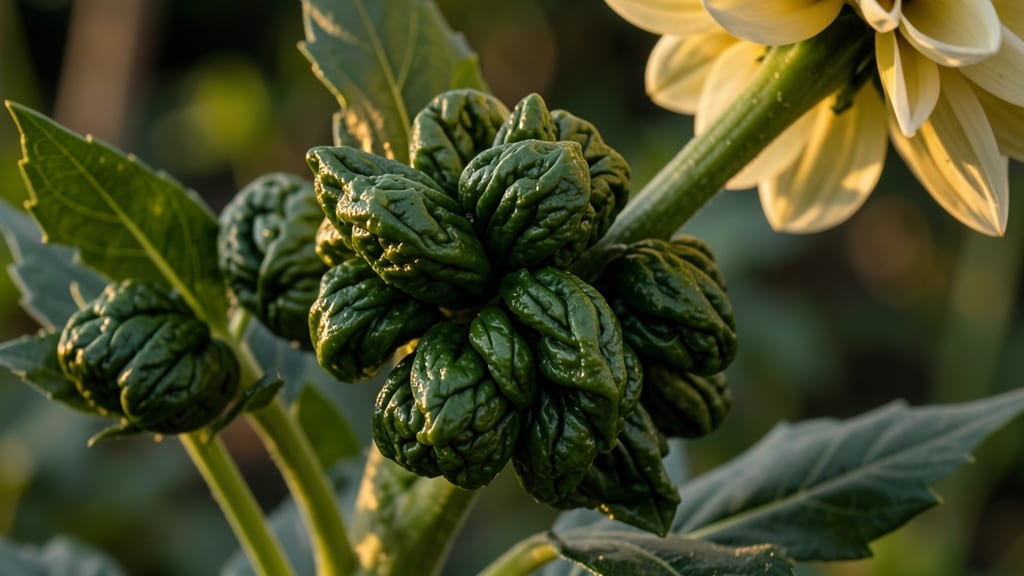
While inspecting your dahlias, you might spot leaf-like growths that look eerily similar to healthy foliage—but something feels off. These aren’t normal leaves; they’re distorted, densely clustered structures that never develop buds or flowers, a hallmark of leafy gall. Unlike your prized blooms, these growths are thickened, irregular, and often form tight clusters around infected stems.
These abnormal leafy galls can appear anywhere along the stem, from the base to the tips, and may vary in size from pea-sized to golf-ball-sized. The key giveaway? They lack the vein patterns and budding potential of true leaves. Since they’re non-functional, they drain energy from your dahlia, weakening the plant over time. If you notice these growths, act fast—prune them immediately with sterilized tools to prevent spread.
This symptom is especially critical for container gardeners or those growing dahlias in humid climates, where fungal spores thrive. Early detection means the difference between saving your plant and losing it to a season-long infection. 💚
Fuzzy White or Gray Fungus Layer
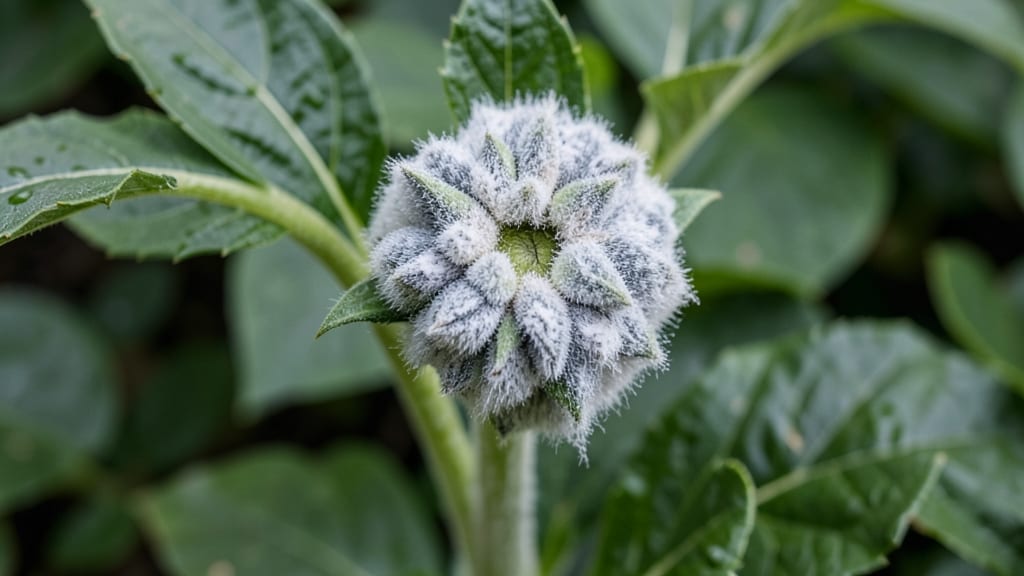
If your dahlia stems suddenly look dusted with powdery white or gray, that’s your first clear sign of leafy gall in its advanced stage. This fungal coating is the disease’s telltale fingerprint—unlike harmless dust or mildew, it’s thick, velvety, and often appears after humid weather when spores take hold.
Check stems and leaf axils for this fuzzy layer, especially after rain or high humidity. The fungus doesn’t just stay put—it spreads aggressively to nearby stems, turning healthy tissue into more galls if ignored. Prune infected areas immediately with sterilized tools and dispose of clippings far from your garden to stop the spread.
This symptom is a game-changer for diagnosis, as it confirms what early bumps alone might not. Gardeners in humid climates or those storing tubers in damp conditions should watch for this closely—it’s your warning to act before the disease moves underground. ✨
Stunted or Twisted Stem Growth
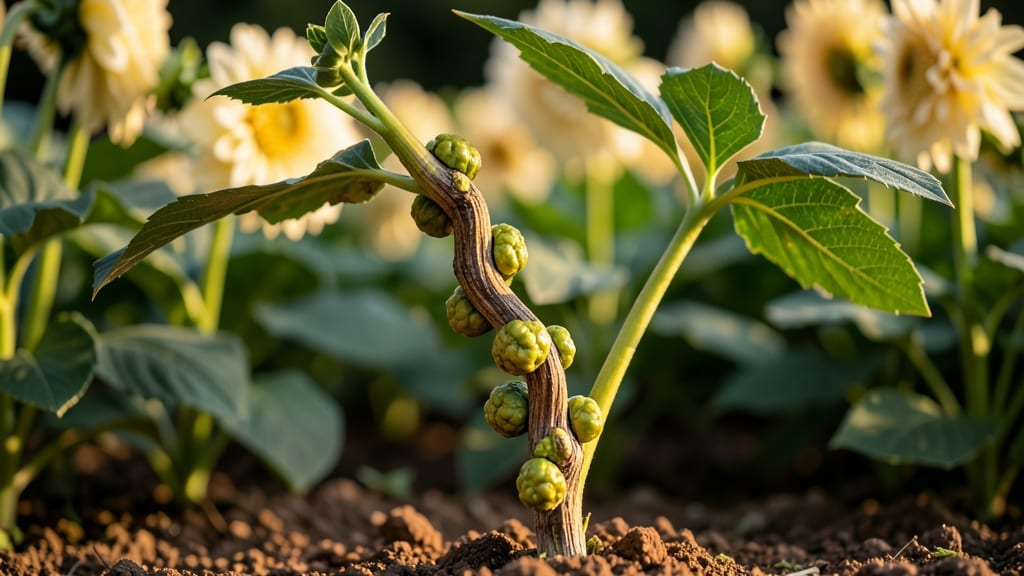
When your dahlia stems start growing in crooked spirals or stop elongating entirely, leafy gall may be at work. Unlike normal growth patterns, these twisted stems often feel rigid and uneven, with visible gall clusters disrupting their natural shape.
Check for abnormal branching or stems that appear stunted compared to healthy plants nearby. The galls themselves can cause the stem to grow in tight loops or bulge irregularly, making it difficult for the plant to transport nutrients. This structural damage weakens the entire plant, leaving it vulnerable to further stress.
If you notice these symptoms, act quickly—stunted stems can signal a more advanced infection. Container gardeners and those growing dahlias in crowded beds should monitor stems regularly, as poor airflow worsens the problem. 🌻
Yellowing Leaves Near Infected Areas
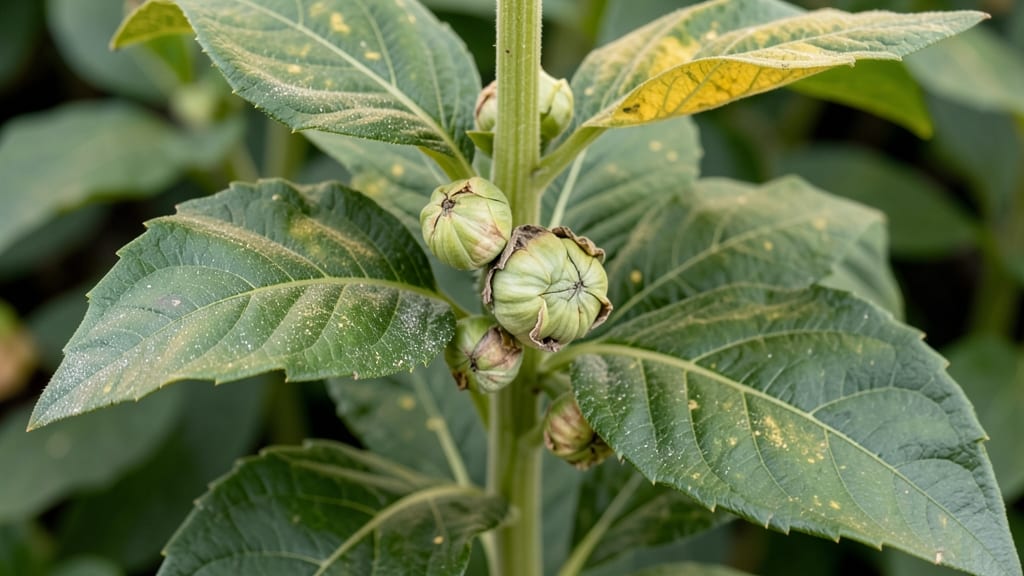
When you spot leafy gall on your dahlias, don’t stop at the obvious—check the leaves directly above or below those galls. Yellowing or wilting foliage in these areas is a sneaky sign the disease is sapping nutrients from your plant, often ignored until it’s too late.
The galls act like parasitic growths, diverting energy meant for healthy leaves. This nutrient theft causes chlorosis (yellowing) or even premature wilting, especially in humid conditions where fungal spread accelerates. Unlike normal nutrient deficiencies, these symptoms appear localized—only near infected stems or galls.
This clue is especially useful for container gardeners or those with limited space, where early detection can save the entire plant. Catch it before the galls spread to tubers! 🌿
Galls That Feel Spongy or Hollow
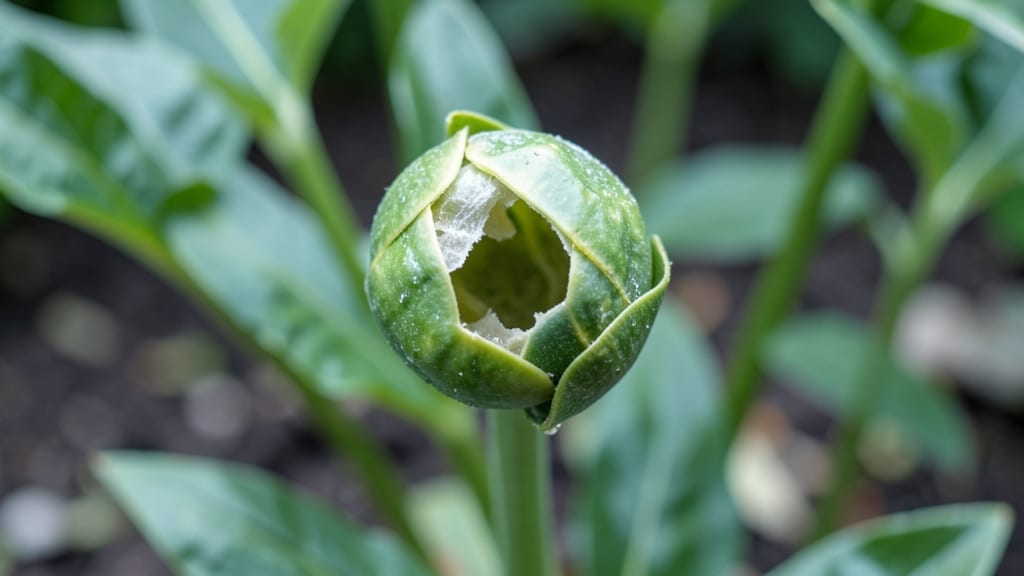
When leafy gall on dahlias feels suspiciously soft under your fingers, you’ve found a critical clue—hollow interiors distinguish this fungal infection from normal plant growth. Unlike healthy stems or leaves, infected galls collapse easily when pressed, revealing an empty, spongy center that’s often filled with a cottony fungal mass.
Use a small knife or your fingernail to gently cut into a gall: the hollow, chamber-like structure is a dead giveaway. This tactile test works best on mature galls (about the size of a walnut), where the fungal tissue has fully developed. The hollow spaces disrupt the plant’s nutrient flow, accelerating decline if untreated.
This simple check helps urban gardeners with limited tools confirm infections without lab equipment. Early detection through touch can save your dahlias from severe damage before symptoms spread. 💡
Spread to Tubers Over Time
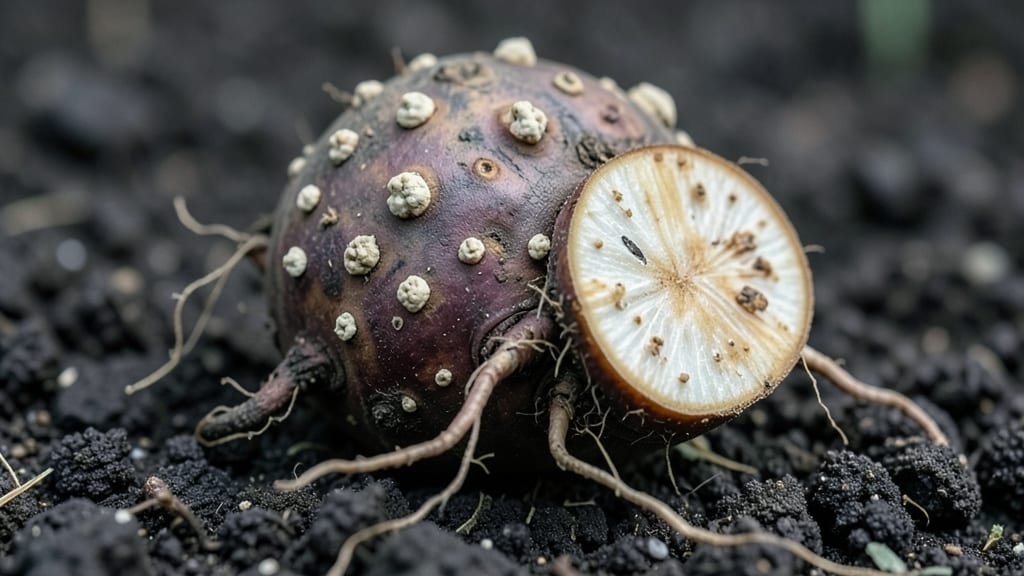
If you thought leafy gall ended with above-ground damage, think again—this fungal disease can hibernate in your tubers, waiting to re-infect next season. The underground spread is why many gardeners see the same symptoms year after year without realizing the source.
Look for small, rough bumps on stored tubers when cleaning them before replanting. These galls are often greenish-brown and may feel slightly spongy, similar to the stem infections you’ve already removed. The key difference? These underground galls contain fungal spores that will recolonize your new plants as soon as they sprout.
This is why disease-free tubers are your best defense—inspect and discard any tubers with galls before storing. Gardeners in humid climates should prioritize this step, as moisture accelerates tuber infection. Don’t let last season’s battle repeat itself underground. 🌱