
Pests
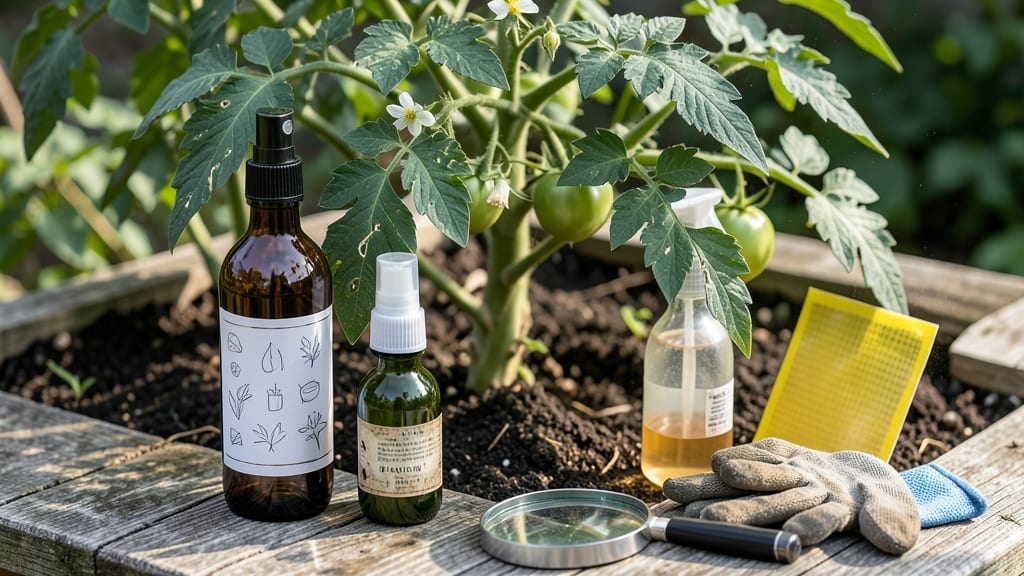
Leaf miner control insecticide is your secret weapon when those telltale squiggly trails appear on your plants. 🌿 I've seen leaf miners turn lush, healthy foliage into skeleton leaves within weeks—until I learned the right spot-treatment techniques that stop them in their tracks.
The key is acting fast when you spot the first signs: tiny white larvae tunneling through leaves or brown blotches where they've fed. Most gardeners wait too long, but a quick spray with neem oil or insecticidal soap can save your plants before the damage spreads.
My basil and tomato plants now stay vibrant all season because I treat at the first sign. You'll end up with plants that look nearly as good as new—the damage stops, new growth emerges, and you avoid the heartbreak of losing entire leaves.
The right insecticide applied correctly makes all the difference. Whether you're dealing with basil, beans, or ornamentals, this method works for container gardens, raised beds, and backyard plots alike. Let's get those leaves healthy again!
Root Causes Of Leaf Miner Infestations
Leaf miners may seem like an inevitable nuisance, but their presence is almost always tied to specific environmental and biological triggers. Understanding these causes is the first step in preventing them before they wreak havoc on your plants.
Here’s why these tiny pests target your foliage—and how to recognize the warning signs.
Healthy plants are less appealing to leaf miners because their natural defenses—like tougher leaf surfaces, stronger chemical deterrents, or faster healing—make them harder to invade. However, when plants are stressed, they become prime targets. Common stressors include:
- Poor nutrition: Deficiencies in nitrogen, phosphorus, or potassium weaken cell walls, making leaves easier for larvae to penetrate. Test soil pH and amend with compost or balanced fertilizer if levels are off.
- Drought or overwatering: Both extremes disrupt root function, reducing the plant’s ability to produce protective compounds. Monitor soil moisture and adjust watering to keep it consistently damp (not soggy).
- Physical damage: Pruning wounds, hail, or insect bites create entry points for miners. Use sterilized tools and avoid heavy pruning during peak miner activity (spring/summer).
- Disease pressure: Fungal or bacterial infections (like powdery mildew) compromise leaf integrity. Remove infected leaves promptly and apply copper-based fungicides preventatively.
💡 Pro Tip: Stressed plants often show early symptoms like yellowing leaves, stunted growth, or wilting—address these before miners arrive!
Leaf miners thrive in dense, sheltered environments where they can lay eggs undetected. Overcrowded gardens create the perfect conditions:
- Limited airflow: Tightly packed foliage traps humidity, slowing evaporation and creating a moist microclimate that larvae love. Space plants 18–24 inches apart and prune to improve airflow.
- Host plant proximity: Miners like Liriomyza trifolii (serpentine leaf miner) target specific plants (e.g., tomatoes, peppers, beans). Interplant with repellent herbs like basil or marigolds to disrupt their search patterns.
- Debris buildup: Old leaves, mulch, or weeds harbor pupae overwintering in the soil. Clear garden beds in fall and rotate crops annually to break the life cycle.
⚠️ Warning: Greenhouse growers are especially vulnerable—miners can complete 3–4 generations per year in controlled warmth!
Leaf miners are cold-sensitive but explode in numbers when temperatures and humidity align with their life cycle. Key triggers:
| Factor | Miner Preference | How to Disrupt It |
|---|---|---|
| Temperature | 65–85°F (optimal for egg-larvae development) | Use shade cloth in peak summer or row covers in spring to delay adult emergence. |
| Humidity | 60%+ (larvae desiccate below 50%) | Improve drainage and avoid overhead watering to reduce leaf surface moisture. |
| Rainfall | Light, frequent showers (washes away natural predators) | Install rain gauges and irrigate deeply but less often to support beneficial insects. |
🌡️ Climate Hack: Monitor local weather patterns—miners often surge after warm, wet springs!
Leaf miners face few predators in early infestations, but their numbers plummet when beneficial insects are present. Common predators include:
- Parasitic wasps: Diglyphus isaea and Opius species lay eggs inside miner larvae, killing them. Plant dill, fennel, or carrots to attract these wasps.
- Ladybugs and lacewings: Adults and larvae devour miner eggs and young instars. Avoid broad-spectrum insecticides that harm them.
- Ground beetles: Hunt pupae in the soil. Mulch with straw to provide shelter for these predators.
✨ Eco-Friendly Boost: Install nesting boxes for solitary bees—they pollinate plants and coincidentally reduce miner populations!
Quick fixes for leaf miner infestations
Leaf miners can turn your lush plants into a skeleton of their former selves if left unchecked—but the good news is, you can stop them fast with the right approach. Below, we’ve mapped out practical solutions tailored to the root cause of your problem, from organic fixes to targeted insecticides.
Follow these steps to save your plants before the damage spreads.
The key to controlling leaf miners is catching them early. If you spot:
- Tiny white or yellow squiggly trails on leaves (larvae feeding)
- Blotchy, brown patches (damaged tissue)
- Adult flies hovering near plants (signs of new infestations)
✅ Do this now:
- Isolate infected plants to prevent spread.
- Remove heavily damaged leaves (drop them in a sealed bag—do not compost).
- Inspect nearby plants—leaf miners love to jump ship!
If your infestation is new or mild, try these non-toxic methods before reaching for insecticides.
🔥 Handpick Larvae (Yes, Really!)
- When to use: Small infestations (under 10 leaves affected).
- How to do it: 1. Wear gloves and dampen a paper towel with soapy water. 2. Gently scrape the squiggly trails with your fingernail—larvae will wiggle out.
- Drop them in soapy water to drown them. - Pro tip: 💡 Do this in the early morning when larvae are sluggish.
🍳 Neem Oil Spray (Natural Insecticide & Repellent)
- When to use: Preventative treatment or early-stage infestations.
- How to make it:
- Mix 1 tsp neem oil + 1 tsp mild soap + 1 quart water in a spray bottle.
- Spray undersides of leaves (where larvae hide) every 5–7 days for 2 weeks.
- Why it works: Disrupts larvae’s feeding and repels adult flies.
- Pro tip: 🌡️ Apply in early morning or late evening to avoid burning leaves in sunlight.
👨🍳 Kaolin Clay Barrier (Confuses & Smothers Larvae)
- When to use: Preventative shield for high-risk plants (tomatoes, peppers, roses).
- How to apply:
- Mix 1–2 tbsp kaolin clay (Surround WP) with water until muddy.
- Spray lightly on leaves (avoid thick layers—it can clog stomata).
- Reapply after rain or every 2 weeks.
- Why it works: Creates a physical barrier that irritates larvae and reflects sunlight (they hate it!).
If organic methods fail or the infestation is severe, selective insecticides can save your plants. Always follow label instructions!
🔪 Systemic Insecticides (For Severe Cases)
- Best for: Large plants (trees, shrubs) or heavy infestations.
- Top picks:
- Imidacloprid (e.g., Bayer Advanced Garden Insect Killer) – Soak into plant tissues.
- Dinotefuran (e.g., Safari Systemic Insecticide) – Works on contact and internally.
- How to apply: 1. Mix with water as directed.
- Water the soil (not just leaves) to let the plant absorb it.
- Reapply every 2–4 weeks or after heavy rain. - ⚠️ Warning: Avoid systemic insecticides on edible plants if harvesting within 2–4 weeks of treatment.
🍃 Contact Insecticides (Fast-Kill for Larvae)
- Best for: Visible larvae on leaves.
- Top picks:
- Spinosad (e.g., Captain Jack’s, Monterey Garden Insect Spray) – Derived from soil bacteria, pet-safe when dry.
- Bacillus thuringiensis var. kurstaki (Btk) – Organic, only kills caterpillar-type larvae (leaf miners included).
- How to apply: 1. Shake well and spray directly on mines (undersides of leaves).
- Reapply every 5–7 days until no new mines appear.
- Best time: Early morning or late evening (less UV degradation).
🚫 What NOT to Use (And Why)
- Malathion or carbaryl (Sevin): Harsh chemicals that kill beneficial insects and can harm pets.
- Horticultural oils alone: Won’t penetrate mines—must combine with scraping or spinosad.
Once you’ve eliminated the current infestation, take these steps to prevent a comeback:
| Prevention Step | How to Do It | Why It Works |
|---|---|---|
| 🌱 Healthy Soil | Add compost and mulch to boost plant vigor. | Strong plants resist pests better. |
| 🕵️♂️ Regular Scouting | Check undersides of leaves weekly (especially in spring/summer). | Catches infestations before they explode. |
| 🪴 Yellow Sticky Traps | Hang yellow cards near plants to trap adult flies. | Reduces new egg-laying by 50–70%. |
| 🌿 Beneficial Nematodes | Apply Steinernema feltiae to soil (organic pest control). | Kills larvae in the soil before they hatch. |
| 🌡️ Proper Watering | Water deeply but less often (avoid overhead sprinkling). | Dry leaves = less attractive to leaf miner flies. |
- 💡 For potted plants: Repot in fresh soil and wash roots to remove hidden larvae.
- 🎯 For trees/shrubs: Use a shop vac with a fine nozzle to suction larvae off leaves.
- 🌿 Rotate methods: If one treatment fails, switch to a different mode of action (e.g., from neem to spinosad).
- 🚫 Avoid broad-spectrum sprays: They kill pollinators—stick to targeted treatments.
Remember: Leaf miners are annoying but beatable—the sooner you act, the easier it is. Spot-treat, prevent, and monitor, and your plants will bounce back stronger than ever! 🌿💪
Frequently asked questions
What are the first signs of a leaf miner infestation?
Look for tiny white or yellow squiggly trails on leaf surfaces—these are the larvae feeding between leaf layers. You may also spot small brown blotches where the larvae have damaged the tissue. Check the undersides of leaves first, as larvae hide there.
Can I use the same insecticide for leaf miners on all my plants?
Not always! Some insecticides like spinosad are safe for most plants, but systemic options (imidacloprid) should avoid edible plants if harvesting within 2-4 weeks. Always check labels—some plants (like citrus) are sensitive to certain chemicals.
How often should I reapply insecticides for leaf miners?
For contact sprays (spinosad, neem oil), reapply every 5-7 days until no new mines appear. Systemic insecticides need 2-4 week reapplications or after heavy rain. Always follow label instructions—overuse can harm beneficial insects.
Will leaf miners kill my plants?
Not usually, but severe infestations can weaken plants by reducing photosynthesis. Heavy damage may cause leaves to drop prematurely. The good news? With prompt treatment (removing damaged leaves + targeted sprays), most plants recover fully and produce new healthy growth.
Are there any plants that attract leaf miners more than others?
Yes! Leaf miners particularly love tomatoes, peppers, beans, basil, and roses. These plants are their favorite hosts. If you grow these, practice extra vigilance with yellow sticky traps and kaolin clay sprays as preventive measures.