
Pests
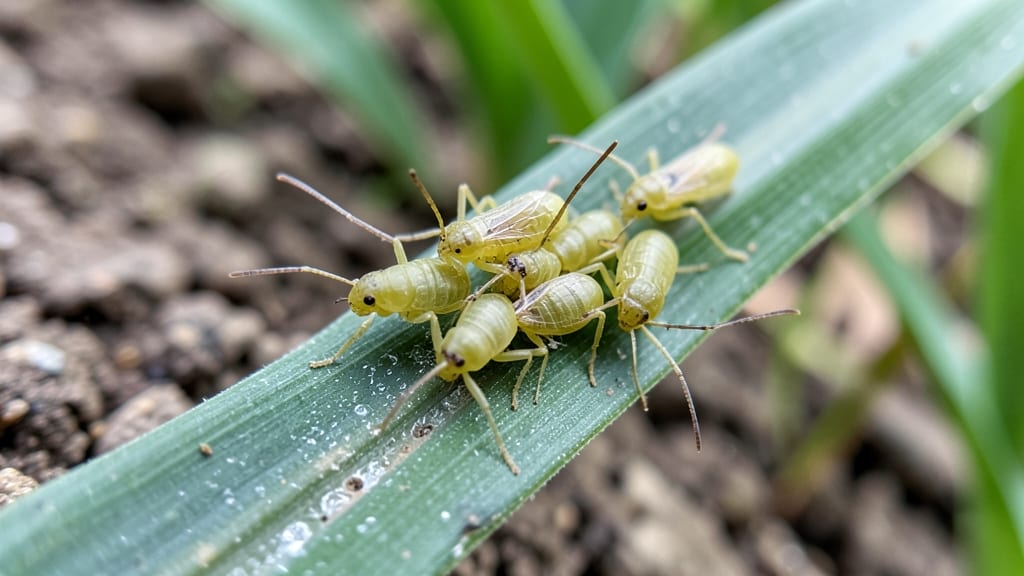
Corn leaf aphid damage turns your corn plants into sticky, curled messes—unless you catch it early. 🌱 I’ve seen entire rows collapse when these tiny pests go unchecked, but the good news is you can stop them before they ruin your harvest.
The key is knowing what to look for: those telltale curled leaves, honeydew drips, and ants trailing up the stalks.
The damage starts small but spreads fast—aphids suck plant sap, weakening stems and leaving behind a gooey residue that attracts mold. Worse, they multiply in days, so waiting to act means losing plants.
But with the right mix of sprays, predators, and preventive checks, you can protect your corn without harsh chemicals. My garden’s gone from aphid disasters to thriving stalks in just one season.
Here’s the game-changer: a 3-step approach that works even for beginners. First, scout your plants weekly—look under leaves where aphids hide. Then, blast them off with soapy water or introduce ladybugs (they eat aphids like snacks).
Finally, plant marigolds nearby to repel them naturally. You’ll see results in days, not weeks.
This method works for backyard gardens, small farms, and even container-grown corn. The secret? Consistency. Once you spot the first signs, act fast—aphids don’t wait, and neither should you. Let’s get your corn back on track.
Root Causes Of Leaf Aphid Outbreaks
Corn leaf aphids don’t just appear out of thin air—they thrive due to a mix of environmental, agricultural, and biological factors. Understanding these triggers is key to preventing severe damage before it starts. Here’s why these tiny pests become a big problem:
Aphids are opportunistic feeders, and stressed corn plants are their favorite buffet.
When crops are overcrowded, competition for nutrients, water, and sunlight weakens the plants, making them more vulnerable to aphid attacks. Why? - Poor spacing reduces airflow, creating a humid microclimate that aphids love. - Nutrient deficiencies (especially nitrogen or potassium) make leaves softer and more appealing to aphids. - Water stress (from drought or overwatering) triggers the plant’s defensive sugars, which aphids crave.
Actionable fix: Follow recommended planting densities and ensure balanced soil fertility. Drip irrigation can help maintain steady moisture without over-saturating roots.
Aphids often hitch a ride on weeds like foxtail, pigweed, or chickweed, which act as nurseries before migrating to cornfields. Here’s how it happens:
- Weeds provide shelter from predators (like ladybugs or lacewings) and harsh weather.
- Early aphid colonies on weeds explode in warm spring conditions, then spread to corn as it emerges.
- Resistant weeds (e.g., those treated with herbicides) may die, but aphids can still survive on untreated patches nearby.
Actionable fix: Implement a pre-emergent herbicide program to suppress weeds before corn sprouts. Scout fields in late spring (April–May) for aphids on weed borders.
Aphids reproduce asexually, meaning a single female can give birth to 50–100 nymphs in a week—and warm, humid conditions supercharge this process. Key triggers:
- Temperatures between 60–80°F (15–27°C) are ideal for aphid reproduction.
- High humidity (60%+) slows down natural predators like parasitic wasps.
- Sudden heatwaves can force aphids to cluster on corn leaves, increasing damage risk.
Actionable fix: Monitor degree-day models (a tool farmers use to predict pest activity) in your region. If aphids are multiplying faster than predators can keep up, intervene early with horticultural oil sprays (safe for beneficial insects when timed right).
Aphids are part of a delicate food chain, and when their predators vanish, their populations skyrocket. Common disruptors:
- Overuse of broad-spectrum insecticides kills ladybugs, lacewings, and hoverfly larvae—the aphid’s natural enemies.
- Monoculture farming reduces plant diversity, eliminating alternative food sources for predator insects.
- Late-season tillage destroys overwintering sites for beneficial insects.
Actionable fix: Adopt integrated pest management (IPM) strategies:
- Plant flowering cover crops (e.g., clover or alfalfa) near cornfields to attract predator insects.
- Use selective insecticides (like neonicotinoids sparingly) or opt for pyrethrin-based sprays that target aphids without harming predators.
- Encourage biodiversity with bee baths or predator-friendly habitat strips in field edges.
Aphids can overwinter on:
- Corn stalks left in fields after harvest.
- Nearby crops (e.g., sorghum, millet, or even ornamental grasses).
- Wild hosts like Russian knapweed or Johnson grass.
If last year’s fields had heavy aphid activity, this year’s crop is at higher risk—especially if no cleanup was done.
Actionable fix:
- Burn or bury corn residue after harvest to eliminate overwintering sites.
- Rotate crops with non-host plants (e.g., soybeans or legumes) to break the aphid life cycle.
- Scout fields in early spring for mummy aphids (parasitized aphids) or sooty mold (a fungus that grows on aphid honeydew), which signal lingering infestations.
While some corn hybrids are aphid-resistant, their effectiveness depends on:
- Proper planting depth (shallow planting can stress roots, reducing resistance).
- Adequate phosphorus levels (resistance genes often require this nutrient to activate).
- No mechanical damage (e.g., from hail or herbicide drift), which weakens natural defenses.
Actionable fix: If using resistant varieties, test soil pH and nutrient levels before planting. Pair resistance traits with good agronomic practices for best results.
Stopping Aphid Damage Fast
Aphids may seem tiny, but their damage adds up quickly—especially when they target corn leaves. The good news? You can tackle them effectively with the right approach. Below, we’ve broken down cause-specific fixes to halt their spread, restore your plants, and keep future infestations at bay.
Whether you’re dealing with stunted growth, sticky residue, or curled leaves, these solutions will help you turn the tide before aphids take over.
Aphid honeydew (their sugary waste) attracts sooty mold, turning leaves black or yellow.
Fix It:
- 🔥 Blast Them Off Use a strong stream of water (from a hose or spray bottle) to dislodge aphids from leaves. Do this early in the morning so plants dry quickly and aphids don’t return.
- 🍳 Soap Spray Solution Mix 1 tsp mild liquid soap (like Castile soap) + 1 quart water in a spray bottle. Test on a small leaf first—aphids will dissolve within 15–30 minutes. Reapply every 3–4 days until gone.
- 👨🍳 Neem Oil Treatment Combine 1 tbsp neem oil + 1 tsp dish soap + 1 quart water. Spray directly on aphids (avoid flowers if bees visit). Repeat every 5–7 days—neem disrupts their life cycle.
Prevention Tip: 💡 Encourage natural predators like ladybugs and lacewings by planting dill, fennel, or marigolds nearby.
Aphids suck sap, causing leaves to pucker, yellow, or drop prematurely.
Fix It:
- 🔪 Prune Damaged Growth Snip off heavily infested leaves and dispose of them in sealed bags (not compost). This stops the spread to healthy parts of the plant.
- 🌡️ Hot Pepper Spray (Organic Repellent) Blend 1–2 hot peppers + 1 quart water, strain, and add 1 tsp dish soap. Spray directly on aphids—the capsaicin irritates them. Reapply after rain.
- 🎯 Introduce Beneficial Insects Release ladybugs or parasitic wasps (available at garden centers). They eat aphids but won’t harm your plants. Do this in the early evening when they’re most active.
Pro Tip: ✨ Rotate treatments to avoid resistance—alternate between soap spray, neem oil, and hot pepper spray weekly.
New shoots are aphid magnets—they weaken roots and stunt growth before harvest.
Fix It:
- 🥘 Cover Seedlings Temporarily Use fine mesh netting (like row covers) over young plants for 2–3 weeks to block aphids while they establish roots.
- 🔪 Remove Mulch if Infested If aphids are crawling up from the soil, replace old mulch with fresh straw or wood chips (aphids dislike dry, coarse textures).
- 💪 Strengthen Plants with Fertilizer Aphids target weak plants. Feed corn with a balanced fertilizer (10-10-10) or compost tea to boost resilience. Healthy plants repel pests better.
Prevention Tip: 🌡️ Plant corn in late spring (after the first frost) to avoid early-season aphid surges.
Stop aphids before they start with these easy habits:
| Action | How to Do It | Why It Works |
|---|---|---|
| 🌿 Rotate crops | Avoid planting corn in the same spot yearly. | Breaks aphid life cycles tied to soil. |
| 🌞 Water at the base | Use drip irrigation or water early morning. | Keeps leaves dry (aphids hate humidity). |
| 🌼 Plant companion crops | Interplant with onions, garlic, or basil. | Aphids avoid strong scents. |
| 🔍 Inspect weekly | Check undersides of leaves every 7 days. | Catches infestations before they spread. |
Final Note: If aphids persist after 2 weeks of treatment, consider chemical controls like pyrethrin-based sprays (follow label instructions). But for most gardeners, natural methods work fastest—and keep your corn thriving without harsh chemicals. 🚀
Frequently asked questions
What do corn leaf aphid damage signs look like on my plants?
Look for curled or yellowing leaves, sticky honeydew residue (aphid waste), and black sooty mold growing on the sticky spots. You might also spot tiny green/black insects clustered on new growth or see ants trailing up stalks—they farm aphids for honeydew!
How fast can corn leaf aphids multiply and destroy my crop?
A single aphid can produce 50–100 offspring in just 7 days under warm conditions. Without intervention, they’ll weaken plants within 2–3 weeks, causing stunted growth, leaf drop, and reduced yields. Early action is critical—don’t wait until you see visible damage!
Are store-bought pesticides the only way to eliminate corn leaf aphids?
No! Organic methods like neem oil sprays or soapy water work well. Introduce ladybugs or lacewings (natural predators) or plant marigolds nearby to repel them. Chemical sprays should be a last resort—overuse kills beneficial insects too!
Can corn leaf aphids survive winter and return next year?
Yes, they can overwinter on leftover corn stalks, weeds, or nearby grasses. Clean up plant debris after harvest and rotate crops to break their life cycle. Scout fields in early spring for signs of returning aphids!
Will aphid damage affect the taste or safety of my corn?
While aphids don’t make corn toxic, severe infestations can reduce yield and quality. The sticky honeydew may attract mold, but washing corn thoroughly before eating removes residue. Focus on prevention—healthy plants resist pests better!