
Neem Oil
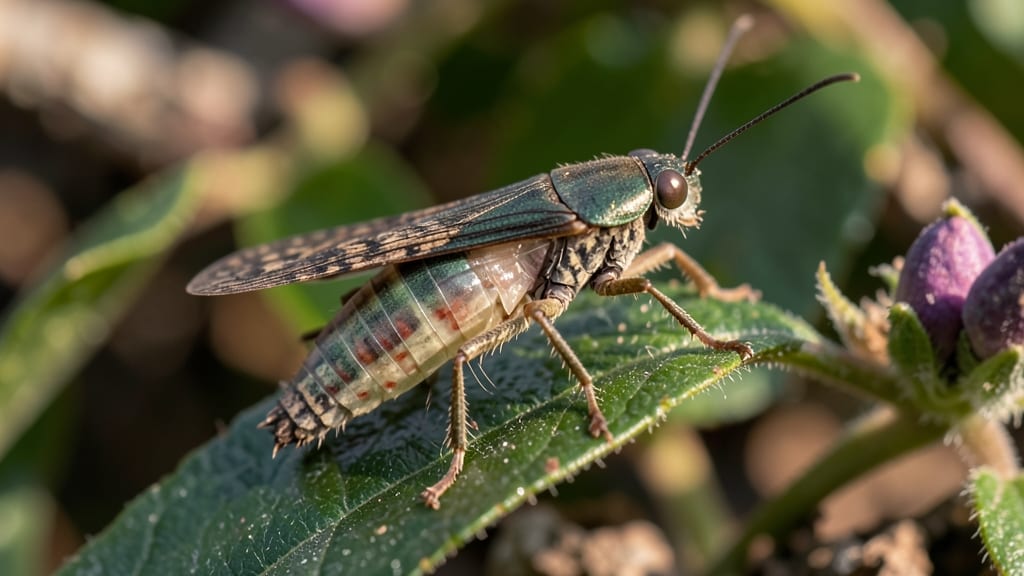
My tomatoes looked like they’d been kissed by frost—crispy, brittle edges where the vespine leaf bug had feasted. 🌿 These sneaky pests leave behind a trail of destruction most gardeners mistake for disease, but the real damage starts with tiny black legs and a piercing mouth that drains plants dry.
The first sign? Wilting leaves that don’t recover, even after watering, or sticky honeydew that turns into sooty mold. I’ve seen them on tomatoes, beans, and even my prized basil—once they’re in your garden, they multiply fast.
The good news? Copper spray isn’t just a remedy; it’s a shield for your plants.
Within 3-5 days of spraying, you’ll notice new growth pushing out crisp and healthy. The copper disrupts their feeding cycle without harming bees or beneficial insects. It’s not a quick fix, but it works—my plants bounced back stronger than before.
Prevention is easier than cleanup: check leaves daily, especially undersides, and remove eggs by hand. A weekly copper spray during peak season keeps them at bay. No more sad, brittle edges—just lush, thriving plants.
Root Causes Of Leaf Damage
When your plants start showing those telltale crispy, brown edges—often a sign of vespine leaf bug activity—it’s rarely just one factor at play. These tiny pests don’t act alone; they exploit weaknesses in your plants, often triggered by environmental stress or poor care.
Understanding the why behind their behavior helps you disrupt their lifecycle before damage spreads. Here’s a breakdown of the key triggers:
Extreme heat or sudden temperature swings weaken plant defenses, making them prime targets for vespine leaf bugs. These insects thrive in warm, dry conditions, and stressed plants can’t produce enough sap or protective compounds to repel them.
- Why it happens:
- Plants under heat stress transpire (lose water) faster, leading to nutrient imbalances and brittle leaf edges.
- High temperatures reduce chitinase enzymes in plants, which normally help break down insect exoskeletons—making bugs harder to kill naturally.
- Drought conditions force plants to prioritize root survival over leaf health, leaving edges vulnerable to vespine feeding.
- Actionable fix:
- Mulch heavily to retain soil moisture and regulate temperature.
- Water deeply in the early morning (not evening) to prevent fungal growth while cooling leaves.
- Use shade cloth (30–50%) during peak sun hours for heat-sensitive plants.
Plants starved of essential nutrients—especially potassium, calcium, and magnesium—produce weak, thin leaves that vespine leaf bugs adore. These bugs target soft tissue because it’s easier to pierce and extract sap from.
| Nutrient Deficiency | Symptoms | Bug Attraction Factor |
|---|---|---|
| Potassium (K) | Brown, crispy edges (like your plant is "burning" from the inside) | Reduces sugar content in sap, making it a sweeter, more attractive meal for bugs. |
| Calcium (Ca) | Leaf blistering or distorted growth | Weak cell walls = easier for vespine mouthparts to penetrate. |
| Magnesium (Mg) | Yellowing between leaf veins (interveinal chlorosis) | Low chlorophyll = less bitter defense compounds, making plants tastier to pests. |
Pro tip: 💡 Conduct a soil test before fertilizing—overdoing nitrogen (N) can actually attract more pests by promoting lush, sugary growth.
Vespine leaf bugs love hiding in dense foliage where they can feed undetected. Overcrowding creates microclimates with higher humidity and lower airflow, perfect for their survival.
- Why it happens:
- Poor airflow = higher humidity near leaves, which bugs need to lay eggs.
- Dead or dying leaves provide shelter and food for nymphs (baby bugs).
- Pruning gaps allow natural predators (like ladybugs) to access the pests, but overgrowth blocks them.
- Actionable fix:
- Prune 1/3 of the plant in early spring to improve airflow and sunlight penetration.
- Remove all dead leaves—even if they’re not infested, they harbor eggs.
- Space plants 12–18 inches apart (varies by species) to reduce hiding spots.
By addressing these root causes—stress, malnutrition, and poor plant structure—you’re not just treating the symptoms (crispy edges) but disrupting the bug’s entire lifecycle. Next, we’ll dive into how to combine copper-based sprays with these fixes for maximum impact.
Quick Fixes for Leaf Damage
When those pesky leaf-eating invaders strike, acting fast is key. Here’s how to tackle the problem—whether you’re dealing with a sudden outbreak or just want to keep your plants healthy long-term.
If you’ve spotted chewed edges, sticky residue, or tiny bugs on your leaves, act now before the damage spreads.
🔥 Step 1: Isolate the Problem
- Move the affected plant at least 3 feet away from others to stop the spread. 🚫🐛
- Check nearby plants—if they’re also infested, treat them too.
🍳 Step 2: Manual Removal (For Small Infestations)
- Gently rinse the plant with water to dislodge bugs. 💦
- Use a soft brush or damp cloth to wipe off eggs and nymphs hiding on undersides.
- Drop them in soapy water (1 tsp dish soap per gallon) to kill them instantly.
👨🍳 Step 3: Organic Spray Solutions
If manual removal isn’t enough, try these DIY sprays that work fast:
| Solution | How to Use | Best For |
|---|---|---|
| Neem Oil Spray | Mix 1 tsp neem oil + 1 tsp mild soap + 1 quart water. Spray every 5–7 days. | All stages (adults & eggs) |
| Garlic & Chili Pepper Spray | Blend 2 garlic cloves + 1 tbsp cayenne + 1 quart water. Strain and spray. | Repels bugs (strong scent) |
| Copper Soap Spray | Combine 1 tbsp copper fungicide + 1 tsp castile soap + 1 gallon water. | Fungal resistance + bug kill |
| Insecticidal Soap | Use a store-bought or homemade (1 tbsp castile soap per quart water). Spray directly on bugs. | Fast knockdown (but repeat) |
⚠️ Pro Tip: Always test sprays on a small leaf first—some plants (like citrus) are sensitive to soap!
Once your plant is bug-free, keep it that way with these simple habits:
💡 Early Detection is Key
- Inspect leaves weekly, especially the undersides where bugs hide. 🕵️♂️
- Look for:
- Holes in leaves (classic sign of feeding)
- Sticky honeydew (a giveaway for sap-sucking pests)
- Black sooty mold (fungus that grows from honeydew)
🌡️ Strengthen Plant Defenses
- Water at the base (not overhead) to avoid dampening leaves—bugs love moisture! 💧
- Prune damaged leaves to reduce hiding spots.
- Rotate crops if growing in a garden (bugs target the same plants repeatedly).
🎯 Natural Deterrents
- Plant companion plants like marigolds, basil, or lavender—their scents repel bugs. 🌼
- Introduce beneficial insects:
- Ladybugs (eat aphids & soft-bodied bugs)
- Lacewings (hunt leaf-eaters)
- Parasitic wasps (target eggs)
- Use reflective mulch (like aluminum foil) to confuse bugs with light reflections. ✨
✨ Seasonal Maintenance
- Fall cleanup: Remove dead leaves & debris where bugs overwinter.
- Spring prep: Apply a preventative neem oil spray before bugs appear.
- Winter check: Store potted plants in a cool, dry place to prevent hitchhiking pests.
Remember: Consistency is key! A single spray won’t erase an infestation—stay vigilant and your plants will stay crisp, healthy, and bug-free. 🌿💪
Frequently asked questions
What plants are most commonly attacked by leaf-footed bugs?
These pests love feasting on tender, young growth. Look for them on tomatoes, beans, peppers, citrus trees, and ornamental plants like roses and hibiscus. They especially target stressed plants with weak leaves, so healthy, well-nourished plants are less appealing.
How can I tell if the damage is from leaf-footed bugs vs. other pests?
Leaf-footed bugs leave behind tiny black legs (visible with a magnifying glass) and cause stippling or crispy edges on leaves. Unlike caterpillars, they don’t chew large holes—they pierce leaves to suck sap, leaving behind sticky honeydew that attracts ants. Check for these clues to confirm.
Is copper spray safe for all plants?
Copper is generally safe for most vegetables and ornamentals, but avoid using it on acid-loving plants like blueberries or azaleas, as it can alter soil pH. Always test a small area first—some plants (like citrus) may show sensitivity. For delicate plants, opt for neem oil instead.
Why do these bugs appear suddenly in my garden?
Leaf-footed bugs thrive in warm, dry conditions and often arrive via wind or hitchhiking on new plants. They’re also drawn to overcrowded gardens with poor airflow. If you’ve recently planted new species or had a heatwave, that’s likely why they’ve appeared out of nowhere.
Can I use copper spray as a preventative measure?
A weekly copper spray during peak growing season (spring to early fall) acts as a deterrent. It disrupts the bugs’ feeding cycle before they become a problem. Pair it with regular pruning and companion planting (like marigolds) for extra protection.