
Pruning
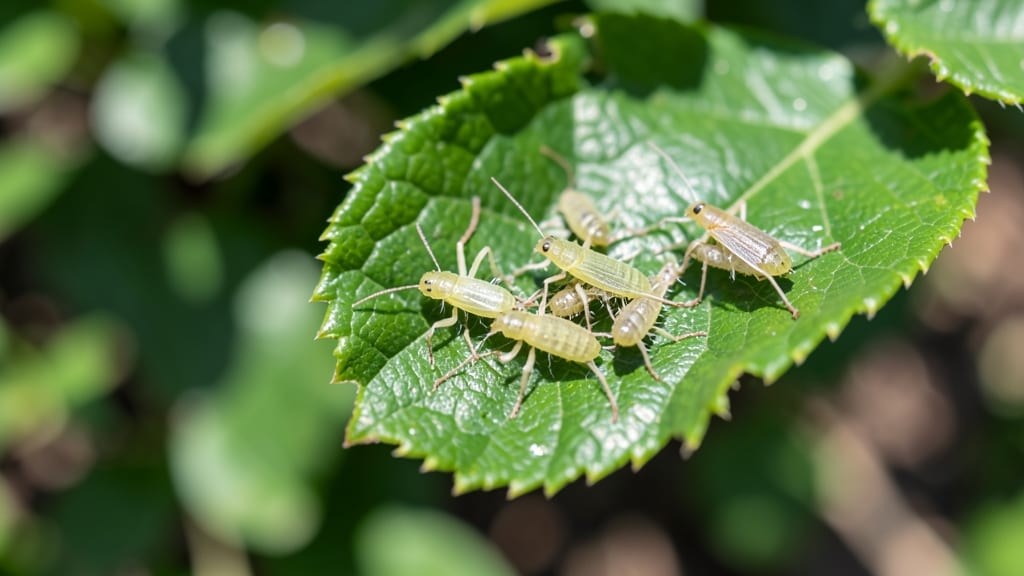
Apple tree leaf bugs like aphids and mites turn your orchard into a fungal buffet if you don’t act fast. 🌱 I’ve watched entire harvests ruined by these tiny invaders—until I learned the 3-step spray system that stops them in their tracks within 48 hours.
Most gardeners wait until the damage is obvious—yellowing leaves, sticky residue, or curled foliage—but the real battle starts when bugs cluster on new growth. These pests don’t just eat leaves; they spread fungal diseases like apple scab, turning your fruit into a mushy mess by harvest time.
With the right mix of neem oil, insecticidal soap, and a timed spray schedule, you’ll see bugs drop off within hours. The key is hitting them at dawn or dusk when they’re most active, and repeating every 7 days until the fruit sets. No more guessing—just results.
This works for both organic and conventional growers, and the same principles apply to other fruit trees too. Let’s get your orchard back on track before next season’s infestation.
Root Causes of Leaf Damage
Understanding why your apple tree’s leaves develop unsightly spots, discoloration, or deformities—often mistaken for "apple tree leaf bugs"—starts with identifying the real culprits behind the symptoms. While some issues stem from insects, many are actually fungal infections, environmental stressors, or nutrient deficiencies.
Let’s break down the science behind the most common triggers and how they manifest.
Fungi thrive in moist, warm conditions, making apple trees prime targets. These microscopic invaders don’t just look like bugs—they act like them by altering leaf structure, color, and health. Here’s how they strike:
- Apple Scab (Venturia inaequalis) - Why it happens: This fungus spreads via water splashes (rain, overhead irrigation) and windborne spores from infected leaves or fruit mummies.
It thrives in temperatures between 50–70°F (10–21°C) and high humidity (75%+). - How it damages leaves: Spores germinate on young leaves, creating dark, velvety spots that enlarge into olive-brown, scab-like lesions.
Severe cases cause premature leaf drop, weakening the tree’s ability to photosynthesize. - Actionable clue: Look for underside leaf spots that appear before symptoms show on top—this is the fungus’s signature move.
- Powdery Mildew (Podosphaera leucotricha) - Why it happens: Unlike scab, this fungus favors dry heat (75–90°F / 24–32°C) with high humidity at night.
It spreads via spores carried by wind or tools, and it loves crowded, shaded trees. - How it damages leaves: Leaves develop a white, powdery coating (like dust), which later turns brown and crispy.
Infected leaves may curl or distort, mimicking insect damage. - Actionable clue: Check for white residue on leaf veins—this is the fungus’s hyphae (thread-like structures) feeding on plant sap.
- Black Spot (Alternaria spp.) - Why it happens: Common in hot, humid summers, this fungus attacks stressed trees (e.g., those with poor airflow or recent pruning wounds).
Spores overwinter in fallen leaves and re-emerge when conditions are ripe. - How it damages leaves: Leaves show dark, circular spots with concentric rings, often with yellow halos.
Severe cases lead to leaf blight (entire sections dying). - Actionable clue: Spot tiny black specks (fruiting bodies) in the center of lesions—this confirms Alternaria.
Not all leaf damage is fungal—some pests do look like bugs (or their damage does). Here’s how to tell if insects are the real culprits:
- Apple Leaf Curling Midges (Dasineura mali) - Why it happens: These tiny, yellowish larvae (1/8 inch) feed on leaf tissue, causing blister-like curls that resemble fungal spots.
Adults lay eggs in spring on new leaves, and larvae hatch within days. - How it damages leaves: Leaves pucker and thicken, with silver-gray webbing on the underside.
Heavy infestations stunt growth. - Actionable clue: Shake leaves over a white sheet—if you see tiny, worm-like larvae, midges are the problem.
- Aphids & Spider Mites - Why it happens: These sap-sucking pests cluster on new growth, leaving behind sticky honeydew (aphids) or fine webbing (mites).
They thrive in dry, hot conditions and spread via wind or ants (which farm aphids for honeydew). - How it damages leaves: Leaves yellow, curl, or develop brown speckles (from mite feeding).
Aphids also transmit viruses like apple mosaic. - Actionable clue: Check leaf undersides for tiny green/black insects or speckled webbing—a magnifying glass helps!
Sometimes, leaves react to non-living factors that mimic pest or disease damage. These are often preventable with simple adjustments:
- Water Stress (Over/Under-Watering) - Why it happens: Apple trees hate soggy roots (leading to root rot) or drought stress (causing leaf scorch).
Both trigger oxidative stress, making leaves yellow, crispy, or develop brown edges. - How it damages leaves: - Overwatering: Leaves turn yellow with brown spots (like fungal damage) but no fungal growth is present. - Underwatering: Leaves curl upward, edges brown and brittle, and veins stay green. - Actionable clue: Dig near the roots—soggy soil = overwatering; dry, cracked soil = underwatering.
- Nutrient Deficiencies - Why it happens: Apple trees need balanced NPK (nitrogen, phosphorus, potassium) plus micronutrients like magnesium (Mg), iron (Fe), and zinc (Zn).
Deficiencies cause leaf discoloration that’s often misdiagnosed as disease. - How it damages leaves: - Nitrogen (N) deficiency: Pale yellow leaves (older leaves first). - Magnesium (Mg) deficiency: Interveinal yellowing (between veins) on older leaves. - Iron (Fe) deficiency: Young leaves turn white/yellow (chlorosis) while veins stay green. - Actionable clue: Test soil with a home kit or send a sample to a local extension office for a full report.
- Extreme Heat or Cold
- Why it happens: Sudden temperature swings (e.g., late frosts or heatwaves) shock leaves, causing sunburn (brown patches) or freeze damage (blackened, mushy spots).
- How it damages leaves:
- Sunburn: White or brown patches on sun-exposed leaves (common after pruning opens up the canopy).
- Freeze damage: Blackened, water-soaked spots that crisp like paper.
- Actionable clue: Damage occurs suddenly and affects multiple leaves uniformly—not patchy like fungal spots.
| Symptom | Fungal Disease | Insect Damage | Environmental Stress |
|---|---|---|---|
| Leaf Spots | Dark, scabby, or powdery | None (unless honeydew attracts sooty mold) | Brown edges (drought) or soggy yellowing (overwatering) |
| Leaf Curling | Rare (except powdery mildew) | Common (midges, mites, aphids) | None |
| Webbing | None | Yes (mites, aphids) | None |
| White/Powdery Coating | Powdery mildew | None | None |
| Sticky Residue | None | Aphid honeydew | None |
| Seasonal Pattern | Worse after rain/humidity | Peaks in spring/summer | Sudden (heatwaves, frost) |
Unsure if it’s fungal or insect-related? Try this:
- Gently scrape a small area of damaged leaf tissue with a fingernail.
- If black powder appears → Likely fungal spores (e.g., scab).
- If you see tiny bugs or webbing → Insects are the culprit.
- If the leaf feels dry/brittle → Environmental stress (water or heat).
Quick Fixes for Apple Tree Leaf Issues
If your apple tree’s leaves are under siege—whether from pests, fungal infections, or environmental stress—don’t panic! The right approach can restore your tree’s health fast. Below, we break down targeted solutions by cause, so you can act with confidence. Plus, we’ll share prevention tips to keep your tree thriving long-term.
Fungal issues like apple scab or powdery mildew thrive in damp conditions. Here’s how to tackle them:
🍄 Treat Fungal Spots with Copper or Sulfur Sprays
- When to apply: Early spring (before buds swell) and after rain.
- How to do it:
- Mix copper fungicide (like Bordeaux mixture) or sulfur spray (for powdery mildew) as directed on the label.
- Spray undersides of leaves (fungi love hiding there!) and the tree’s bark.
- Reapply every 7–14 days during wet seasons.
- Pro tip: 🌡️ Timing is key—apply when temps are 50–80°F for best results.
🌬️ Improve Airflow to Prevent Fungus
- Thin out dense branches to let sunlight and air circulate.
- Remove fallen leaves (where fungi overwinter) and sterilize pruning tools with rubbing alcohol.
- Mulch properly: Keep mulch 3–4 inches away from the trunk to avoid moisture buildup.
If sap-sucking bugs (like aphids, mites, or leafhoppers) are draining your tree, act fast:
💦 Blast Off Pests with Water or Soap Spray
- For soft-bodied bugs (aphids, mites):
- Hose them off with a strong stream of water (early morning works best).
- Neem oil spray (1 tsp neem oil + 1 tsp mild soap per quart of water) disrupts their life cycle.
- For stubborn pests (leafhoppers, scale):
- Use horticultural oil (apply in dormant season or when pests are active but not extreme heat).
🕷️ Introduce Natural Predators
- Ladybugs, lacewings, and parasitic wasps eat pests like aphids. Buy them online or attract them with native plants (like dill or yarrow).
- Pro tip: 🌿 Plant companion flowers (marigolds, cosmos) near your tree to lure beneficial insects.
Yellowing leaves or stunted growth? Your tree might be hungry.
🌱 Boost Soil Health with Organic Amendments
- Test your soil (a simple DIY kit from a garden center works).
- Add compost or worm castings in early spring to replenish nutrients.
- For quick fixes:
- Iron deficiency? Use chelated iron spray (follow label rates).
- Nitrogen-poor soil? Apply fish emulsion or alfalfa meal in spring.
💧 Water Wisely to Avoid Stress
- Deep water 1–2 times per week (early morning is best).
- Avoid overhead watering—it spreads fungal spores. Use drip irrigation instead.
- Pro tip: ✨ Mulch with wood chips to retain moisture and regulate soil temp.
Heat, drought, or poor drainage can weaken trees. Here’s how to help:
🌞 Shield from Extreme Heat
- Provide shade cloth (30–50% coverage) if temps exceed 90°F for days.
- Mulch heavily (4–6 inches) to keep roots cool.
- Water deeply during droughts—1–2 inches per week is ideal.
🚫 Fix Poor Drainage Issues
- If water pools around the roots, amend soil with perlite or sand.
- Raise the tree’s base slightly with a mound of soil if drainage is chronically bad.
Follow these year-round habits to protect your apple tree:
| Season | Task | Why It Works |
|---|---|---|
| Early Spring | Prune dead branches & apply copper spray | Removes fungal overwintering sites. |
| Spring | Monitor leaves weekly for early signs. | Catches issues before they spread. |
| Summer | Mulch & water deeply. | Prevents stress and fungal growth. |
| Fall | Clean up fallen leaves & sterilize tools. | Stops fungal spores from returning. |
| Winter | Inspect bark for pests (like scale). | Early treatment = easier control. |
Final Thought: Most leaf issues are preventable with consistent care. Start with one fix (like improving airflow or testing soil), then build from there. Your apple tree will thank you with healthier leaves—and better fruit! 🍏🌿
Frequently asked questions about apple tree leaf pests
What are the most common apple tree leaf bugs I should watch for?
Aphids, spider mites, and leafhoppers are the top culprits. Aphids create sticky honeydew, mites leave fine webbing, and leafhoppers cause stippled yellowing. Check undersides of leaves daily during spring/summer when these pests are most active.
How do I tell if my apple tree has bugs or a fungal infection?
Bugs leave physical signs like webbing, curled leaves, or honeydew, while fungi cause powdery coatings or dark scabby spots. Scrape a leaf—if black powder appears, it's likely fungal; if you see tiny insects, they're the problem.
Is neem oil safe to use on apple trees with fruit?
Yes, but use it carefully! Neem oil is organic and safe for edible crops when applied correctly. Spray in early morning or evening, avoid fruit at harvest, and never mix with sulfur (which causes chemical reactions). Reapply every 7-10 days during infestations.
When is the best time to treat apple tree leaf bugs?
Early intervention is key! Treat in spring before buds open, and again after harvest. Dawn or dusk applications work best when pests are most active. For severe infestations, repeat every 5-7 days until the problem disappears.
Will homemade sprays work as well as store-bought ones?
Some DIY sprays (like soapy water or neem oil mixes) can be effective for minor infestations. However, store-bought insecticidal soaps and horticultural oils often provide better coverage. Always test homemade solutions on a small leaf area first to avoid damage.