
Neem Oil
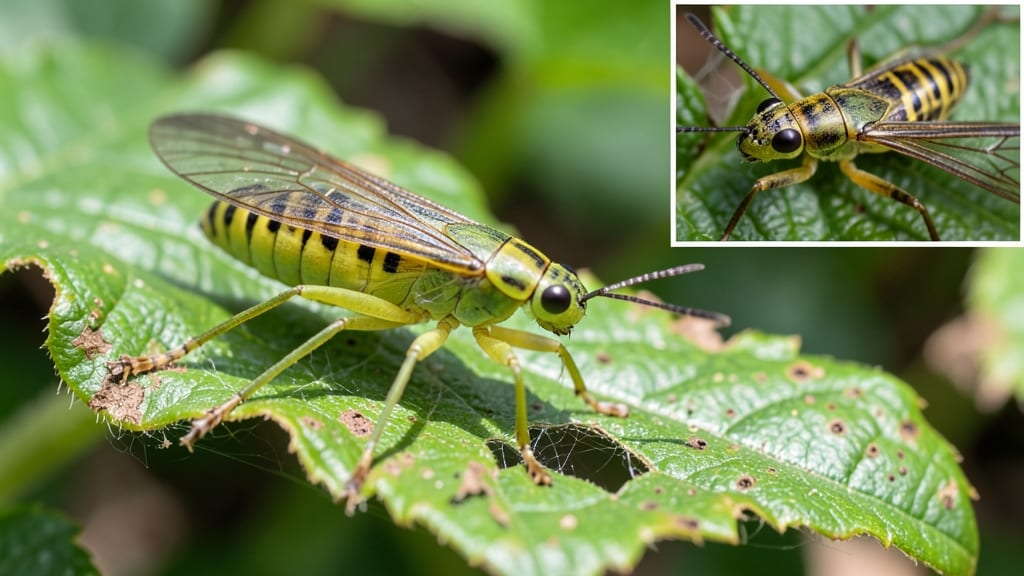
The dangerous vespine leaf bug (Acanthosoma haemorrhoidale) turns your prized plants into a sad, sticky mess—fast. 🌿 I’ve seen these shield-shaped pests drain sap from leaves, leaving behind curled, yellowing foliage and a black, sooty mold that spreads like wildfire.
The damage isn’t just unsightly; it weakens plants, stunts growth, and can even kill them if left unchecked.
Neem oil isn’t just another garden spray—it’s a fast-acting disruptor of their life cycle. When applied correctly, it smothers eggs, repels adults, and breaks the fungal spot cycle they trigger.
The key? Timing and consistency. A single spray won’t cut it; you’ll need to reapply every 7–10 days until the bugs are gone for good.
You’ll know it’s working when new growth emerges glossy and undamaged within two weeks. The plants will bounce back with vibrant leaves, and the sooty mold will fade—no more sticky residue or wilting branches.
Plus, neem oil is safe for beneficial insects once fully dried, so your garden’s balance stays intact.
This method works year-round in most climates, but watch for rain—it washes away the oil’s effectiveness. For severe infestations, combine neem with manual removal (drop bugs in soapy water) and encourage ladybugs, their natural predators. Your garden’s comeback starts here.
What Triggers Vespine Leaf Bug Attacks
The vespine leaf bug isn’t just a random pest—it’s drawn to specific conditions that make your plants a prime buffet. Understanding these triggers helps you prevent and control outbreaks before they spiral. Here’s why these bugs become a problem in the first place.
Vespine leaf bugs (like Arvelius albopunctatus) thrive when plants are already struggling. Their sharp mouthparts make it easy to pierce weakened leaves, stems, or flowers, feeding on sap and injecting toxins that cause:
- Fungal spot development: Their saliva disrupts plant cell walls, creating entry points for pathogens like Alternaria or Botrytis—the same fungi neem oil targets.
- Stunted growth: Heavy feeding reduces photosynthesis, leaving plants yellowed and brittle.
- Secondary infections: Damaged tissue attracts other pests (e.g., aphids, mites), worsening the cycle.
Why it happens: Plants under stress (from drought, poor soil, or over-fertilization) produce more sugars in their sap—a nutrient-rich snack for bugs. Actionable fix: Space plants properly, mulch to retain moisture, and use balanced fertilizers.
These bugs love warmth (75–85°F) and high humidity (60%+), which are ideal for:
- Rapid reproduction: Females lay 50–100 eggs in clusters, hatching in 5–10 days under perfect conditions.
- Fungal growth: Moisture enables the fungal spots they introduce to spread faster.
- Camouflage: Humid air helps them cling to leaves, making them harder to spot.
Why it happens: Greenhouses, dense foliage, or evening watering create these conditions. Actionable fix:
- Improve airflow with pruning or fans.
- Water in the early morning to reduce leaf wetness.
- Avoid overwatering—soil should dry slightly between waterings.
Vespine leaf bugs target specific plants, especially those with:
- Soft, thin leaves: Easy to pierce (e.g., roses, hibiscus, citrus, and vegetables like tomatoes).
- High sap content: Plants like Lantana or Verbena are all-you-can-eat buffets.
- New growth: Tender shoots are their favorite snack.
Why it happens: These plants lack natural defenses (e.g., thick wax layers or toxic compounds). Actionable fix:
- Monitor high-risk plants daily during outbreaks.
- Rotate crops if gardening vegetables to disrupt their life cycle.
- Interplant with repellent herbs like basil or mint (though effectiveness varies).
While vespine leaf bugs have predators (e.g., lacewings, parasitic wasps, and birds), their populations explode when:
- Pesticides wipe out helpers: Broad-spectrum chemicals kill both bugs and their predators.
- Monoculture gardens: Large patches of one plant type offer bugs safety in numbers.
- Urban/suburban areas: Fewer birds or insects mean less natural control.
Why it happens: Disrupting ecosystems removes the bugs’ biggest threat. Actionable fix:
- Use selective sprays (like neem oil) that target bugs but spare predators.
- Add native flowering plants to attract beneficial insects.
- Install birdhouses or bat boxes to boost natural pest control.
Pro Tip: 💡 Early detection is key. Check the undersides of leaves and new growth regularly—vespine leaf bugs hide there until it’s too late. If you spot silver streaks (their waste) or black fungal spots, act fast with neem oil to break the cycle.
How to Treat & Prevent Leaf Bug Damage
Dealing with a vespine leaf bug infestation can feel overwhelming, but with the right approach, you can protect your plants—fast. Below are practical, step-by-step solutions tailored to the root causes of their damage, from neem oil sprays to physical removal and long-term prevention. Let’s tackle this head-on!
If you’ve spotted vespine leaf bugs (or their telltale damage), act fast before they spread.
👨🍳 Step 1: Inspect & Isolate
- Check plants daily, especially undersides of leaves and stems.
- Isolate infected plants to prevent bugs from jumping to healthy ones.
- Shake plants gently over a bucket of soapy water to dislodge bugs.
🔪 Step 2: Physical Removal
- Wear gloves (some species have irritating hairs).
- Use tweezers or a soft brush to pluck bugs off leaves.
- Drop them into a jar of soapy water (or alcohol) to kill them instantly.
⏰ Step 3: Set Up Traps (Optional)
- Sticky traps (yellow or blue) can catch flying adults—place them near infested areas.
- DIY beer traps: Mix beer with water in a shallow dish; bugs drown when they land.
Neem oil isn’t just for fungal spots—it’s a powerhouse against leaf bugs too. Here’s how to use it effectively:
🍳 Step 1: Mix the Solution
- 1 tbsp neem oil + 1 tsp mild soap (or dish soap) + 1 quart water.
- Add a few drops of peppermint or garlic oil (optional, for extra repellent power).
🌡️ Step 2: Apply Correctly
- Spray in the evening (avoids harming bees and other pollinators).
- Cover all surfaces: Leaves (top & bottom), stems, and soil around the base.
- Reapply every 5–7 days until bugs are gone (and preventatively for 2 weeks after).
💡 Pro Tip: If bugs persist, add a bit of cayenne pepper to the mix—it acts as a natural irritant!
Once you’ve eliminated the bugs, keep them from returning with these easy habits:
🎯 1. Strengthen Plant Health
- Water at the base (not leaves) to avoid attracting bugs.
- Fertilize regularly with balanced, organic fertilizer (leaf bugs love stressed plants).
- Prune crowded branches for better airflow (reduces hiding spots).
✨ 2. Natural Repellents
- Plant companion plants like marigolds, basil, or lavender—their scents deter leaf bugs.
- Crush garlic or chili peppers and place near plants as a deterrent.
- Diatomaceous earth (food-grade) around the base can dehydrate crawling bugs.
📊 3. Monitor & Maintain
- Check new plants before bringing them indoors or into the garden.
- Rotate sprays (neem oil, insecticidal soap, or horticultural oil) to prevent resistance.
- Clean up debris—fallen leaves and stems are bug hideouts!
If your plants are severely damaged (wilting, large holes, or black spots spreading), consider:
- A local pest control service for heavy infestations.
- Organic gardeners who specialize in IPM (Integrated Pest Management).
Final Thought: With neem oil, handpicking, and smart prevention, you can keep your plants safe—no chemicals needed! 🌿💚 Start today, and those pesky leaf bugs won’t stand a chance.
Frequently asked questions
Are vespine leaf bugs harmful to humans?
Vespine leaf bugs aren't dangerous to humans—they don't bite or sting. However, some species have tiny irritating hairs that can cause mild skin irritation if handled without gloves. Always wear gloves when removing them manually to avoid any discomfort.
How do I tell if my plants have vespine leaf bugs?
Look for small, shield-shaped bugs (about 1/4 inch long) with reddish-brown bodies and spiky legs. Check the undersides of leaves and new growth for silver streaks (their waste) or black fungal spots. Heavy infestations cause curled, yellowed leaves and stunted growth.
Will neem oil kill vespine leaf bug eggs?
Yes! Neem oil disrupts the life cycle by smothering eggs and repelling adults. For best results, apply every 5-7 days until new growth appears healthy. Mix with 1 tsp mild soap to help the oil stick to leaves better.
Can I use neem oil on all plants?
Neem oil is safe for most plants, but avoid spraying open flowers when bees are active (apply in the evening instead). Test a small leaf first—some sensitive plants (like avocados or citrus) may react. Always dilute properly (1 tbsp per quart of water).
What's the fastest way to stop an outbreak?
Combine neem oil sprays with physical removal: Shake plants over soapy water daily to dislodge bugs. For severe cases, add sticky traps and diatomaceous earth around the base. Consistent treatment for 2-3 weeks usually eliminates them completely.