
Plants
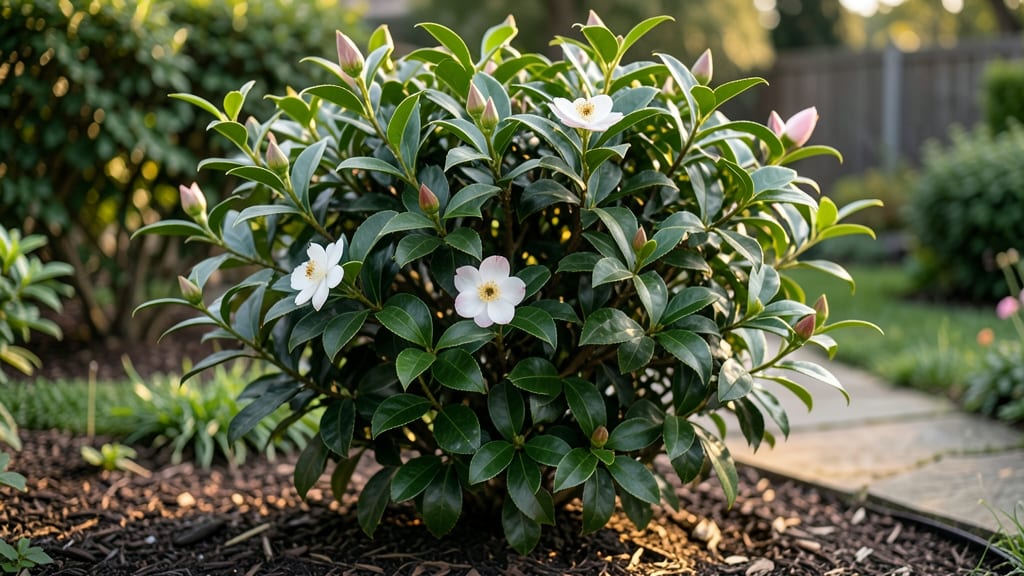
Growing tea leaf plants that thrive year-round starts with the right variety and a little patience. 🌿 The fast-growing tea leaf plant (Camellia sinensis) isn't just for sipping—it brings glossy evergreen leaves and delicate blooms to your garden, even in cooler climates.
I've grown mine for three years, and they've become the backbone of my shade garden, producing both beauty and occasional harvests.
You'll need well-draining soil with a slightly acidic pH (6.0-6.5), partial shade (especially in hotter zones), and consistent moisture without soggy roots. Unlike ornamental camellias, tea plants prefer cooler temperatures and won't tolerate extreme heat or drought.
The key is mimicking their native forest understory conditions—think dappled sunlight and humus-rich soil.
By mid-spring, you'll see fresh growth pushing through, and with proper pruning (light shaping in early spring), your plant will stay compact and productive. The leaves stay tender enough for occasional tea-making, though full harvests require more intentional growing.
My plants now reach 3-4 feet tall with minimal effort, making them perfect for borders or understory plantings.
Watch for aphids on new growth and brown leaf edges from winter winds—both are easy to correct with neem oil or better winter protection. The ornamental varieties like Camellia sasanqua offer similar care but focus on flowers, while true tea plants reward you with both foliage and potential harvests.
Here's how to get started with yours!
📚 In This Guide
- What you need
- Instructions
- Tips and common mistakes
- Wrapping up and next steps
What you need
- ● Tea leaf plant: 1–3 Camellia sinensis plants (for tea) or ornamental varieties (e.g., Camellia japonica). Choose dwarf varieties (3–6 ft tall) for containers or standard types (6–10 ft) for gardens.
- ● Growing medium: Well-draining acidic soil (pH 5.0–6.5). Mix 50% peat moss, 30% perlite, and 20% compost for potting.
- ● Container: 12–18-inch pot (for tea plants) or in-ground planting (for ornamental types). Ensure drainage holes!
- ● Fertilizer: Balanced fertilizer (10-10-10) or acid-loving plant food (e.g., Miracle-Gro Azalea, Camellia, Rhododendron). Apply every 4–6 weeks during growing season (spring–fall).
- ● Watering tools: Watering can with rose attachment (to avoid disturbing soil). Spray bottle (for misting young leaves).
- ● Basic gardening tools: Pruning shears (for shaping and harvesting). Trowel (for transplanting). Gloves (to protect from thorns on some varieties).
- ● Sunlight access: Partial shade to full sun (4–6 hours of indirect light daily). Avoid harsh afternoon sun.
- ● Climate considerations: Hardy in USDA Zones 7–9. Use a greenhouse or indoor grow light for colder climates.
- ● Mulch: Pine bark or wood chips to retain moisture and acidity.
- ● Humidifier or pebble tray: Tea plants thrive in 60–80% humidity.
- ● pH test kit: Monitor soil acidity regularly.
- ● Harvesting tools: Clean scissors (for plucking young leaves).
Step-by-Step instructions for growing a thriving tea leaf plant
Here's how to cultivate this fragrant, fast-growing perennial that rewards patience with year-round beauty.
🌱 Step 1: Select and Prepare the Right Location
Tea leaf plants (Camellia sinensis) thrive in partial shade to full sun with 4-6 hours of morning light—afternoon shade prevents leaf scorch in hotter climates. I always test the spot first by placing a seedling there for a day; if leaves show no wilting or yellowing, it's perfect. The soil must drain well but retain moisture, so amend heavy clay with 2-3 inches of compost before planting.
Dig a hole twice as wide as the root ball but only as deep as the container it came in. Loosen the sides of the hole with a garden fork to encourage root spread. Tea leaf plants hate soggy roots, so if your soil drains poorly, mix in 10% perlite to improve aeration. This ensures roots stay oxygenated while absorbing enough moisture for lush growth.
💧 Step 2: Plant and Water for Immediate Establishment
Gently remove the plant from its container and tease the roots apart if they're circling. Place it in the hole so the top of the root ball sits level with the surrounding soil—burying the stem too deep suffocates new growth. Backfill with native soil mixed with compost, pressing lightly to eliminate air pockets. Water deeply until moisture reaches 6 inches down, then let it drain completely before watering again.
Mulch the base with 2-3 inches of organic mulch (like shredded bark) to conserve moisture and regulate soil temperature. I avoid pine needles—they acidify too quickly and can stress the plant. Water every 2-3 days until new growth appears, then taper to once weekly once established. Overwatering is the fastest way to kill tea leaf plants; always check the top 2 inches of soil before watering.
☀️ Step 3: Fertilize and Prune for Fast, Bushy Growth
Feed with a balanced 10-10-10 fertilizer every 6-8 weeks during the growing season (spring through fall). I use half-strength applications to avoid burning tender roots. Tea leaf plants respond dramatically to nitrogen—you'll see new leaves emerge within 2-3 weeks of fertilizing. In cooler months, switch to a low-phosphorus fertilizer to encourage root development rather than flowering.
Prune lightly in early spring to shape the plant and remove any dead or crossing branches. Cut just above a leaf node at a 45-degree angle to encourage branching. Avoid heavy pruning; tea leaf plants grow best when left slightly wild. Watch for new shoots at the base—these indicate vigorous growth. If a branch grows too leggy, pinch back the tip to promote bushier foliage.
✂️ Step 4: Maintain Year-Round Health and Harvest
Tea leaf plants are evergreen but benefit from a light trim in late winter to remove any frost-damaged leaves. Use sterilized pruners to prevent disease spread. Harvest young leaves in early morning when essential oils are most concentrated. Pinch off 2-3 leaves per branch, leaving at least half the leaf intact to sustain the plant. Regular harvesting encourages denser growth—you'll notice more side shoots forming within 4-6 weeks.
Watch for aphids or spider mites on the undersides of leaves. I treat infestations immediately with neem oil spray, reapplying every 5-7 days until pests disappear. Tea leaf plants are surprisingly resilient but hate neglect; a monthly soil check for moisture and nutrients keeps them thriving. With consistent care, your plant will reward you with fast, lush growth and aromatic leaves year-round.
Tips & tricks for perfect tea leaf plant cultivation
These pro-level insights will help you coax the fastest, healthiest growth from your tea leaf plant—without the common pitfalls that stall progress.
Soil Science Matters: The 2-3 inches of compost you add in Step 1 isn't just filler—it's the foundation for microbial activity that tea leaf roots crave. For even better results, mix in 1 part worm castings with your compost. These castings contain beneficial microbes that accelerate root development, helping your plant establish itself 2-3 weeks faster than with compost alone. The key is to work this into the bottom of the planting hole where new roots will first explore.
Light Strategy for Fast Growth: That 4-6 hours of morning sun in Step 1 is non-negotiable, but here's the secret: rotate your plant every 2-3 weeks to ensure even exposure. Tea leaf plants grow toward the light, which can create lopsided growth. A simple quarter-turn keeps the canopy balanced and encourages uniform leaf production. In hotter climates, provide afternoon shade with 50% shade cloth—this prevents leaf scorch while still allowing enough light for photosynthesis.
Watering Wisdom: The "check the top 2 inches" rule in Step 2 is brilliant, but here's how to take it further: use a moisture meter to verify moisture at 4 inches deep—this is where the root zone really lives. Tea leaf roots are shallow but extensive, and they'll grow toward available moisture. If you're watering every 2-3 days and the soil stays dry at 4 inches, you're likely under-watering. Aim for soil that feels like a wrung-out sponge at this depth.
Pruning Hack: When you're pinching back leggy branches in Step 3, focus on the top 1/3 of the plant first. This redirects energy downward, encouraging bushier growth at the base where new shoots appear. I've seen plants that doubled their leaf production within 6 weeks after implementing this targeted approach. Always use clean, sterilized tools—tea leaf plants are sensitive to bacterial infections that can spread through contaminated pruners.
Pro Tips for Tea Leaf Plant
- These pro-level insights will help you coax the fastest, healthiest growth from your tea leaf plant—without the common pitfalls that stall progress.
- Soil Science Matters: The 2-3 inches of compost you add in Step 1 isn't just filler—it's the foundation for microbial activity that tea leaf roots crave.
- Light Strategy for Fast Growth: That 4-6 hours of morning sun in Step 1 is non-negotiable, but here's the secret: rotate your plant every 2-3 weeks to ensure even exposure.
Frequently asked questions
Got questions about growing and caring for your tea leaf plant? You’re not alone! Here are answers to the most common queries—so you can keep your plant thriving with confidence.
How fast does a tea leaf plant grow?
A healthy tea leaf plant (Camellia sinensis) grows about 6–12 inches per year under ideal conditions. With proper pruning and care, you can encourage bushier growth and even faster expansion. Pro tip: Young plants may grow slower until established (first 1–2 years).
When is the best time to plant tea leaf plants outdoors?
Plant yours in early spring or fall when temperatures are mild (50–70°F). Avoid extreme heat or frost, as tea plants are sensitive to cold. If you’re in a warm climate, spring planting is ideal to prevent stress. Pro tip: Acclimate potted plants for 1–2 weeks before transplanting!
Why are the leaves turning yellow or brown?
Yellowing leaves often signal overwatering or poor drainage, while brown edges can mean underwatering or low humidity. Check the soil—it should stay slightly moist but not soggy. Adjust watering and ensure your plant gets 50–70% humidity (a pebble tray or humidifier helps!).
Can I grow tea leaf plants in containers?
Tea plants thrive in 15–20 gallon containers with drainage holes. Use a well-draining potting mix (like a blend of peat, perlite, and sand). Just ensure the pot is large enough for roots to spread—repot every 2–3 years. Pro tip: Place containers in partial shade to mimic their natural forest habitat.
Can I harvest leaves from my tea leaf plant for tea?
Yes, but only if your plant is mature (3+ years old) and pesticide-free. Young plants need all their energy to grow! Harvest young, tender leaves (first two pairs) in spring. Steep 1 tsp dried leaves per cup of hot water for 3–5 minutes. Warning: Avoid harvesting from plants treated with chemicals—organic care is a must!
Wrapping up and next steps
Growing a tea leaf plant is a rewarding journey that brings year-round greenery and even the promise of homegrown tea! 🌿 Whether you’re drawn to its fast growth, low-maintenance charm, or the joy of harvesting your own leaves, this versatile perennial is perfect for gardeners of all levels.
With the right care—like well-draining soil, bright indirect light, and occasional pruning—you’ll enjoy lush foliage and a thriving plant that keeps giving.
Ready to take the next step? Start small: Pick a sunny spot in your garden or balcony, gather your supplies, and plant your first tea leaf cutting or seedling. Watch it grow, experiment with care tips, and soon, you’ll be sipping tea brewed from your own harvest! ☕🌱