
Planting
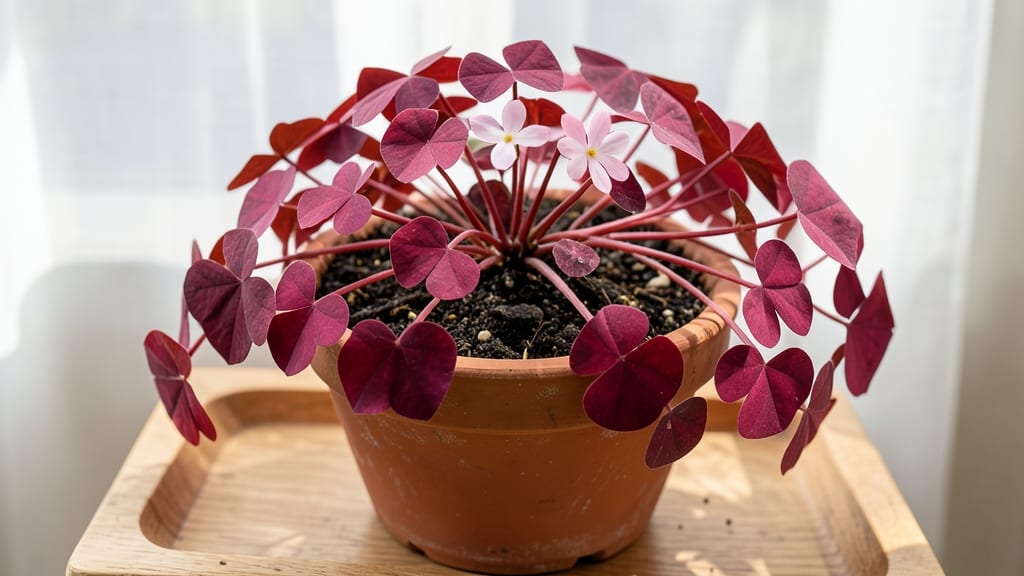
The red three-leaf plant (Tradescantia pallida) transforms shady corners into vibrant displays of burgundy foliage. 🌿 I've grown this striking perennial for years, and it never fails to bring bold color to my garden—even in spots where nothing else thrives.
Its velvety leaves and trailing habit make it perfect for hanging baskets, window boxes, or spilling over container edges. This shade-lover thrives in partial to full shade, tolerating even the darkest corners of your yard.
Well-draining soil and occasional watering (let the top inch dry between waterings) keep it lush without fuss. Once established, it spreads easily, creating a dense, colorful ground cover that stays vibrant all year. You'll love how it handles neglect—drought, poor soil, and even occasional shade fluctuations won't phase it.
The only real challenge is keeping it from spreading too aggressively (which, honestly, is a good problem to have). With minimal care, you'll have a year-round burst of color that outshines seasonal flowers. Works beautifully in USDA zones 9-11, but can be grown as an annual in cooler climates.
Here's how to make the most of this easy-care stunner!
📚 In This Guide
- What you need
- Instructions
- Tips and common mistakes
- Wrapping up and next steps
What you need
- ● Red three-leaf plant: 1-3 healthy cuttings or nursery-grown plants (ensure they have vibrant purple-red foliage).
- ● Well-draining potting mix: 1 bag (10-12 quarts) of a cactus/succulent blend or add perlite/coarse sand (20-30%) to regular soil for aeration.
- ● Containers (if potted): 1-3 pots (6-10 inches in diameter) with drainage holes.
- ○ Optional: Self-watering pots or cache pots for a polished look.
- ● Garden soil (if planting outdoors): Amend with compost (1 part compost to 3 parts soil) for fertility.
- ● Pruning shears or clean scissors: For trimming stems (sterilize with rubbing alcohol).
- ○ Gloves (optional): To protect hands from mild sap irritation.
- ● Watering can or spray bottle: For gentle hydration (avoid soggy soil!).
- ○ Mulch (optional): 1 bag of organic mulch (e.g., shredded bark) to retain moisture and suppress weeds.
- ○ Fertilizer (optional): Balanced liquid fertilizer (10-10-10) or slow-release granules.
- ● Pro tip: Use half-strength fertilizer to avoid burning delicate roots! 💡
- ● Sunlight assessment: Confirm a bright, indirect light spot (e.g., east-facing window or dappled shade outdoors).
Step-by-Step guide to cultivating a thriving red three-leaf plant
This shade-loving beauty thrives with minimal fuss—here’s how to coax vibrant foliage year after year.
🌱 Step 1: Select the Perfect Planting Location
The red three-leaf plant (Tradescantia pallida 'Purpurea') craves partial to full shade, making it ideal for under trees or north-facing windows. Choose a spot with dappled sunlight—no more than 2-3 hours of direct light daily—or it’ll scorch. I always test locations by observing how long sunlight lingers; if leaves dry out by midday, move it deeper into shade.
Well-draining soil is non-negotiable. Amend heavy clay with 2-3 inches of compost or perlite to prevent root rot. The plant’s striking purple-red leaves will deepen in color when soil stays consistently moist but never soggy. Stick your finger 1 inch deep—if soil feels dry, it’s time to water.
☀️ Step 2: Plant at the Right Depth and Spacing
Dig a hole twice as wide as the root ball but only as deep as the container’s base. Gently remove the plant, loosen tangled roots, and place it so the top of the root ball sits level with the surrounding soil. Press lightly around the edges to eliminate air pockets—this ensures roots make immediate contact with moisture.
Space plants 12-18 inches apart for full foliage display. Crowding leads to leggy stems and pale leaves, while proper spacing encourages bushier growth. I like to plant in clusters of 3-4 for a dramatic, cascading effect—just be sure each has its own 6-inch radius of loose soil to prevent competition.
💧 Step 3: Water Consistently Without Overdoing It
Water deeply once a week during active growth (spring-fall), aiming for 1 inch of moisture per week. Let the top 2 inches of soil dry out between waterings—this mimics its natural habitat’s seasonal dry spells. Overwatering is the #1 killer; I test by lifting the pot—if it feels light, water is needed.
Reduce watering to every 2-3 weeks in winter when growth slows. Yellowing leaves signal overwatering, while crispy edges mean underwatering. A self-watering pot with drainage holes solves this dilemma—just check the reservoir weekly to avoid stagnant water.
✂️ Step 4: Prune for Bushier Growth and Propagate as Needed
Pinch back new growth tips in early spring to encourage branching. Use clean, sharp scissors to snip just above a leaf node—this redirects energy into side shoots. I also remove any yellow or leggy stems to maintain the plant’s compact, vibrant form.
Propagate easily from stem cuttings! Snip a 4-inch section just below a node, strip the lower leaves, and root in water or moist perlite. New roots appear in 2-3 weeks—perfect for filling gaps or sharing with fellow plant lovers. This keeps your original plant lush and prevents overcrowding.
🪴 Step 5: Fertilize Lightly for Year-Round Color
Feed monthly in spring and summer with a balanced, water-soluble fertilizer (10-10-10) diluted to half-strength. The red three-leaf plant isn’t a heavy feeder, so less is more—over-fertilizing burns roots and dulls foliage color. I skip fertilizing in winter when growth pauses.
For organic options, mix in 1 tablespoon of worm castings per 6 inches of soil every 3 months. This boosts microbial activity without risk of salt buildup. Always water thoroughly after fertilizing to rinse excess nutrients from the root zone—this prevents leaf scorch.
Tips & tricks for perfect red three-leaf plant care
Between us, this plant is a breeze once you know these little secrets that keep it thriving year after year.
Light Observation: That 2-3 hour sunlight rule in Step 1 is your golden window. I test by placing a white plate where the plant will sit—if shadows cover it after 2 hours, you're golden. Morning sun is gentler than afternoon heat, so position accordingly. Watch for leaves curling at the edges as your first warning sign of too much sun exposure.
Soil Science: The 2-3 inches of compost recommendation isn't just about drainage—it's about creating a sponge-like environment. I mix in 1 part perlite to 3 parts compost for my heavy clay soil, which prevents that dreaded root rot while still holding moisture. The key is keeping that 1-inch soil moisture check consistent; if you press your finger in and feel resistance, it's time to water.
Pruning Precision: When you're pinching those new growth tips in Step 4, aim for the first set of leaves after the stem's bend. This little detail makes all the difference in encouraging bushier growth. I always sterilize my scissors with rubbing alcohol between cuts to prevent any bacterial hitchhikers from setting up shop in fresh wounds.
Fertilizer Timing: That monthly spring-summer feeding schedule is perfect, but here's the secret: I always fertilize right after a thorough watering. This prevents salt buildup around the roots that can cause those unsightly brown leaf tips. Think of it like giving your plant a drink before its vitamin boost.
Pro Tips for Red Three Leaf Plant
- Between us, this plant is a breeze once you know these little secrets that keep it thriving year after year.
- Light Observation: That 2-3 hour sunlight rule in Step 1 is your golden window.
- Soil Science: The 2-3 inches of compost recommendation isn't just about drainage—it's about creating a sponge-like environment.
Frequently asked questions
Got questions about your red three-leaf plant? You’re not alone! Whether you're a beginner or a seasoned gardener, these common queries can help you keep your plant thriving year-round.
What’s the best way to propagate a red three-leaf plant?
Propagate your plant in spring or early summer using stem cuttings. Snip a healthy stem just below a leaf node, remove the lower leaves, and dip it in rooting hormone. Plant in moist potting mix, cover with a plastic bag, and keep it in bright, indirect light until roots form (about 4–6 weeks).
How often should I water my red three-leaf plant?
Water when the top inch of soil feels dry—typically once a week in summer and every 2–3 weeks in winter. Overwatering is the #1 killer, so ensure pots have drainage holes. Yellow leaves? You’re likely overdoing it!
Can a red three-leaf plant survive in full shade?
This shade-loving beauty thrives in low to bright indirect light. While it tolerates full shade, its vibrant red foliage may fade slightly. For optimal color, place it near a north-facing window or under dappled sunlight.
What pests should I watch for, and how do I treat them?
Keep an eye out for spider mites, aphids, or mealybugs. Wipe leaves with a damp cloth for minor infestations. For stubborn pests, spray with neem oil or insecticidal soap. Prevention tip: Mist leaves regularly to deter mites!
Are there any non-toxic alternatives if my red three-leaf plant is toxic to pets?
Yes! If you have curious pets, opt for non-toxic shade-lovers like peperomia, cast iron plant (Aspidistra), or parlor palm. These offer similar lush foliage without the risk. Always double-check with your vet if ingestion occurs.
Wrapping up and next steps
Growing a red three-leaf plant (like Tradescantia pallida or Oxalis triangularis) is a rewarding way to add vibrant color to your space—even in shady spots! 🌿 With the right soil, light, and care, you’ll enjoy its striking foliage year-round.
Whether you’re a beginner or a seasoned gardener, this low-maintenance beauty is a fantastic addition to your indoor or outdoor garden.
Ready to level up your plant collection? Start by propagating your red three-leaf plant to share with friends or expand your own collection. Or, experiment with companion plants to create a stunning, high-contrast display. Happy growing! 🌱