
Diseases
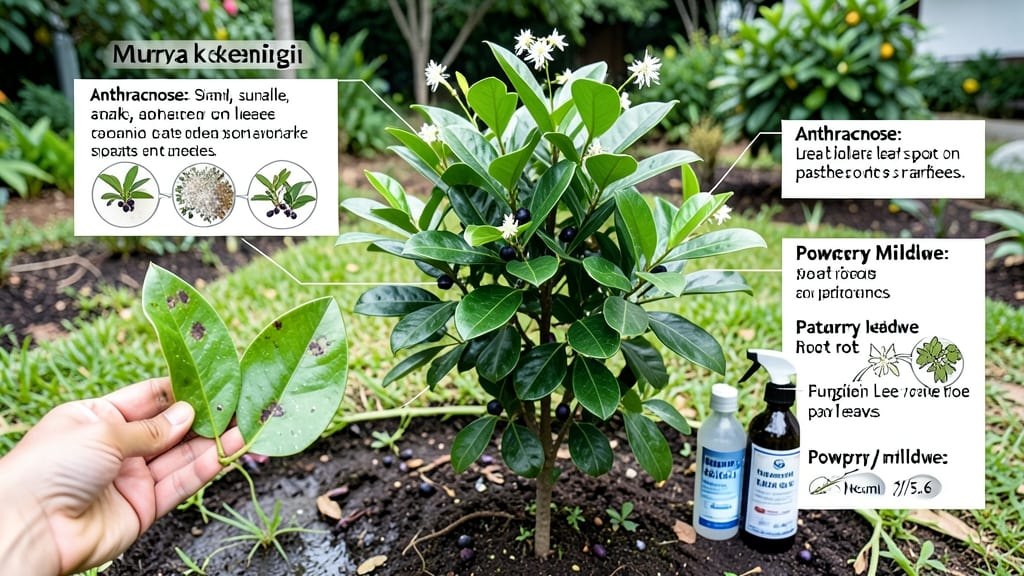
Curry leaf plants (Murraya koenigii) wilt faster than expected when struck by fungal diseases like leaf spot or powdery mildew. 🌿 I’ve nursed these fragrant trees back from the brink after spotting yellowing leaves and black spots—here’s how to diagnose and treat them before they spread.
The culprits? Fungal spores thrive in humid conditions, while bacterial infections lurk in overwatered soil. My first mistake was ignoring early signs—by the time brown patches appeared, the plant was already stressed. Proper airflow and copper-based sprays turned the tide within weeks.
You’ll spot the difference in 2-3 weeks with consistent care: healthier foliage, fewer spots, and that signature curry scent returning. The key is acting fast—once the disease takes root, recovery slows dramatically.
Works for both potted plants and in-ground trees, but adjust watering based on your climate. Humid areas need extra vigilance; drier spots can still suffer if humidity spikes unexpectedly.
Root Causes Of Curry Leaf Ailments
Curry leaf plants (Murraya koenigii) are resilient but not invincible—just like any other plant, they’re susceptible to diseases when their needs aren’t met. Understanding why these issues arise is the first step to prevention and treatment.
Below, we break down the primary culprits behind common curry leaf diseases, from environmental stressors to biological invaders.
Curry leaf plants thrive in warm, tropical climates (60–85°F / 15–30°C), but extremes throw them off balance. Here’s how temperature and humidity wreak havoc:
- Fungal Overgrowth (Powdery Mildew, Leaf Spot) - Why? High humidity (above 70%) + poor airflow creates a fungal paradise.
Fungi like Erysiphe (powdery mildew) and Colletotrichum (anthracnose) thrive in damp conditions, clogging stomata and suffocating leaves. - Actionable Fix: Space plants 2–3 feet apart, use a fan for circulation, and avoid overhead watering. Prune dense foliage to improve airflow.
- Cold Shock (Chilling Injury) - Why? Temperatures below 50°F (10°C) disrupt cell membranes, causing brown, water-soaked patches (especially on younger leaves).
Curry leaves are not frost-tolerant—even brief cold snaps stress the plant. - Actionable Fix: Grow in containers for mobility, move indoors during winter, or use row covers in colder regions.
Water is a double-edged sword—overwatering drowns roots, while underwatering weakens defenses. Both scenarios invite diseases:
- Root Rot (Phytophthora, Pythium) - Why? Waterlogged soil depletes oxygen, causing roots to suffocate and turn mushy.
Fungal pathogens like Phytophthora exploit this, spreading to stems and leaves. - Actionable Fix: - Use well-draining soil (mix coconut coir + perlite). - Water only when the top 1–2 inches of soil are dry (stick your finger in to check!). - Elevate pots with feet or use terracotta to prevent moisture buildup.
- Bacterial Leaf Spot (Xanthomonas) - Why? Splashing water during irrigation spreads bacteria from soil to leaves.
Dry conditions weaken the plant, making it easier for Xanthomonas to invade through wounds or natural openings. - Actionable Fix: - Water at soil level (use a drip system or watering can with a narrow spout). - Remove infected leaves immediately to prevent spread.
Curry leaf plants attract sap-sucking pests and microbes that thrive on stressed plants. Here’s how they exploit weaknesses:
- Scale Insects & Mealybugs (Vectors for Viruses) - Why? These pests inject toxins and transmit viral diseases (e.g., Curry Leaf Mosaic Virus).
Their sticky honeydew also fosters sooty mold, blocking sunlight and stunting growth. - Actionable Fix: - Neem oil spray (1 tsp neem oil + 1L water + a drop of dish soap) weekly as a deterrent. - Release ladybugs or lacewings (natural predators).
- Anthracnose (Colletotrichum gloesporioides) - Why? This fungus latches onto wounds (from pruning, pests, or hail) and spreads via rain splashes or contaminated tools.
Warm, wet weather accelerates outbreaks. - Actionable Fix: - Sterilize pruners with rubbing alcohol between cuts. - Apply copper fungicide (organic option: baking soda spray—1 tbsp baking soda + 1 quart water + a few drops of soap).
A malnourished curry leaf plant is an open invitation to diseases. Poor soil health weakens its immune system:
- Nitrogen Deficiency (Yellowing Leaves) - Why? Nitrogen fuels leaf growth. A deficiency (often from overwatering or leaching) causes pale, yellow leaves, making the plant vulnerable to secondary infections. - Actionable Fix: - Test soil pH (ideal: 6.0–6.5).
Amend with compost or fish emulsion for organic nitrogen. - Avoid synthetic fertilizers—they can burn roots and disrupt microbial balance.
- Micronutrient Imbalances (Magnesium, Iron) - Why? Chlorosis (yellowing between veins) from magnesium/iron deficiency reduces photosynthesis, weakening the plant.
Poor soil drainage or high pH locks out these nutrients. - Actionable Fix: - Epsom salt spray (1 tbsp magnesium sulfate + 1 gallon water) monthly. - Use chelated iron for acidic soils.
Every cut or bruise is a gateway for pathogens. Here’s how human error fuels disease:
- Pruning Wounds (Bacterial/Fungal Entry Points)
- Why? Jagged cuts or over-pruning expose vascular tissues, allowing Pseudomonas (bacterial wilt) or Botrytis (gray mold) to invade.
- Actionable Fix:
- Use sharp, sterilized shears and make clean, slanted cuts (1/4" above a bud).
- Seal wounds with pruning sealant (or diluted honey) if major cuts are made.
- Physical Abrasions (From Wind/Hail)
- Why? Rough handling (e.g., during transplantation) damages cuticles, inviting secondary infections.
- Actionable Fix:
- Stake young plants in windy areas.
- Use protective netting during hail-prone seasons.
Plants in dense clusters or monoculture (same species in rows) suffer from reduced airflow and shared pathogens:
- Fungal Spore Buildup
- Why? Stagnant air in crowded plants traps fungal spores, leading to epidemics like powdery mildew or rust.
- Actionable Fix:
- Thin out plants to 3–4 feet apart.
- Rotate crops if growing multiple curry leaf plants in the same spot.
- Soil-Borne Pathogens (Verticillium Wilt)
- Why? Repeatedly planting in the same soil exhausts beneficial microbes and accumulates pathogens like Verticillium.
- Actionable Fix:
- Solarize soil (cover with clear plastic for 4–6 weeks to kill pathogens).
- Crop rotation with non-related plants (e.g., legumes).
Quick Fixes for Curry Leaf Ailments
Reviving your curry leaf plant starts with identifying the root cause—but once you know the problem, action is key! Below are practical, organic solutions tailored to common diseases, along with prevention tips to keep your plant thriving. No harsh chemicals needed—just nature’s remedies!
🔥 Treat Powdery Mildew & Leaf Spot
Powdery white patches or dark spots? These fungal foes thrive in damp, low-airflow conditions. Act fast with these steps:
- Prune & Isolate 🪒
- Snip off infected leaves with sterilized scissors (wipe with rubbing alcohol).
- Remove fallen leaves to prevent spores from spreading.
- Keep the plant 3–4 feet away from others until fully recovered.
- Neem Oil Spray 🍳
- Mix 1 tbsp neem oil + 1 tsp mild soap + 1 quart water.
- Spray early morning or late evening (avoid direct sun).
- Repeat every 5–7 days until symptoms fade.
- Improve Airflow & Light 🌬️☀️
- Thin out crowded branches or move to a bright, breezy spot (but no harsh afternoon sun).
- Water only at the base—never overhead—to keep leaves dry.
💡 Prevention Tip:
- Space plants 18–24 inches apart to reduce humidity buildup.
- Water in the morning so foliage dries quickly.
🌡️ Fix Root Rot (Overwatered Soil)
Mushy stems, yellowing leaves, and foul-smelling soil? Root rot is killing your plant. Here’s how to rescue it:
- Stop Watering Immediately ⏰
- Let the soil dry completely before watering again.
- Repot in Fresh Soil 🏺
- Gently remove the plant, trim black/mushy roots with clean scissors.
- Use a well-draining mix: 60% coco coir, 30% perlite, 10% compost.
- Choose a pot with drainage holes (terracotta is ideal).
- Fungal Treatment 🍄
- Dust roots with cinnamon powder (natural antifungal) before repotting.
- Water lightly with a 1% hydrogen peroxide solution (1 part peroxide to 32 parts water) to kill lingering pathogens.
🎯 Prevention Tip:
- Water only when the top 2 inches of soil are dry (stick your finger in to check!).
- Avoid saucers that trap excess water—empty them after watering.
👨🍳 Banish Sap-Sucking Pests (Aphids & Mealybugs)
Tiny white cottony clusters or sticky residue? These pests weaken leaves. Try this:
- Blast Off with Water 💦
- Spray infested areas with a strong stream of water to dislodge pests.
- Soap Spray Solution 🧼
- Mix 1 tsp castile soap + 1 quart water in a spray bottle.
- Target undersides of leaves where pests hide.
- Reapply every 3–4 days until gone.
- Introduce Beneficial Insects 🐞
- Release ladybugs or lacewings (available at garden centers) to eat aphids naturally.
✨ Prevention Tip:
- Inspect new plants before bringing them home—quarantine for 2 weeks.
- Encourage predatory wasps (they hunt pests but won’t sting you!).
🕷️ Stop Spider Mites (Tiny Webs & Yellowing Leaves)
Tiny moving dots and webbing? Spider mites thrive in dry heat. Fight back with:
- Neem Oil or Horticultural Oil 🍴
- Spray neem oil mix (as above) every 5 days for 2 weeks.
- Cover the entire plant, including stems and soil.
- Increase Humidity 🌧️
- Place a humidifier nearby or mist leaves daily (avoid evening misting to prevent fungal growth).
- Wipe Leaves with Rubbing Alcohol 🧴
- Dip a cotton swab in 70% isopropyl alcohol and dab mites directly (for severe cases).
💡 Prevention Tip:
- Mulch around the base to retain soil moisture and deter mites.
- Shower your plant under lukewarm water weekly to wash off pests.
🍃 Fix Yellowing Leaves (Nitrogen or Iron Deficiency)
Pale or yellow leaves? Your curry leaf plant may be hungry for key nutrients.
- Test Your Soil 📊
- Use a DIY soil test kit (available online) to check pH (ideal: 6.0–6.5) and nutrient levels.
- Organic Fertilizer Boost 🌱
- For nitrogen (yellow lower leaves):
- Mix 1 tbsp fish emulsion + 1 gallon water and water the soil.
- For iron (yellow new leaves):
- Sprinkle iron sulfate granules around the base and water lightly.
- For nitrogen (yellow lower leaves):
- Mulch with Compost 🏡
- Top-dress with 1 inch of compost to slowly release nutrients.
💪 Prevention Tip:
- Fertilize every 6–8 weeks during growing season (spring–fall).
- Avoid over-fertilizing—too much salt can burn roots!
🌞 Protect from Harsh Conditions
Curry leaf plants love warmth but hate extremes. Adjust their environment with these fixes:
- Shade from Direct Sun ☀️🛡️
- Move to a spot with morning sun + afternoon shade (especially in hot climates).
- Use a light sheer curtain if indoors near windows.
- Windbreaks for Outdoor Plants 🌬️
- Plant near a hedge or fence to block strong winds.
- Stake tall plants if they’re top-heavy.
- Adjust Watering for Heat 💦
- Water deeply 2–3 times a week (early morning) during heatwaves.
- Mulch heavily to retain moisture.
🎯 Prevention Tip:
- Acclimate plants gradually to new light conditions (e.g., move indoors plants outside step-by-step).
Final Pro Tip: 🌿 Keep a plant journal! Note when you water, fertilize, and spot issues—patterns will help you prevent future problems. With these fixes, your curry leaf plant will bounce back stronger than ever!
Frequently asked questions
What are the most common signs of fungal diseases in curry leaf plants?
Watch for powdery white coatings (powdery mildew) or dark brown/black spots with yellow halos (leaf spot). These appear on both upper and lower leaf surfaces, often starting on older leaves first. If you see these, improve airflow immediately and apply neem oil spray.
How can I tell if my curry leaf plant has root rot?
Root rot shows as mushy, blackened roots and yellowing leaves that wilt even when soil is moist. Lift the plant gently—healthy roots should be firm and white. If you smell foul odors from the soil, your plant needs immediate repotting in fresh, well-draining mix and reduced watering.
Are chemical fungicides safe for curry leaf plants?
While chemical fungicides like copper-based sprays can work, they may harm beneficial insects and leave residues on edible leaves. For organic growing, try baking soda spray (1 tbsp baking soda + 1 quart water + a few drops of soap) or neem oil instead. Always test on a small area first.
Why do my curry leaves turn yellow even with proper care?
Yellowing often signals nutrient deficiencies (like nitrogen or iron) or overwatering. Check the soil pH (ideal: 6.0–6.5) and test for deficiencies. For yellow lower leaves, try fish emulsion. For new leaves turning yellow, apply chelated iron. Always ensure pots have drainage holes.
Can I save a heavily infected curry leaf plant?
Yes, but act fast! Prune all infected leaves with sterilized tools, repot in fresh soil, and treat with neem oil. For severe cases, take healthy cuttings (6-inch stems with 2–3 leaves) and root them in water or perlite mix. Avoid using the original plant if it's beyond saving—diseases often persist in the soil.