
Size
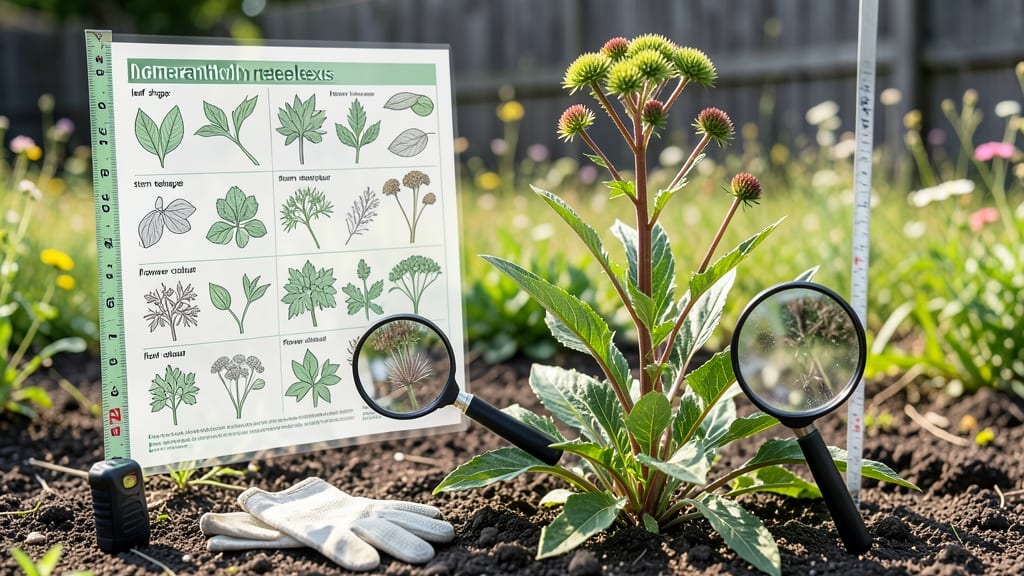
Tall broadleaf weed identification starts with noticing their leaf shape and vein patterns—those jagged edges and prominent lines are dead giveaways. 🌿 I used to pull weeds blindly, only to watch new ones pop up days later. The key is learning how to spot the subtle differences between dandelion leaves (deeply lobed) and plantain (long, oval with parallel veins) before they take over your garden beds. Most gardeners overlook the vein structure—that's where the real clues hide. A single central vein with side branches means one type of weed, while a web-like pattern points to another. Grab a magnifying glass if needed; even a quick glance at the underside of leaves reveals hidden details that make identification easier. Once you recognize these patterns, removal becomes targeted and efficient. No more wasted effort on grassy weeds or misidentifying desirable plants. The right approach—whether hand-pulling or organic sprays—depends entirely on what you're dealing with, and knowing the difference saves time and frustration. This skill alone cuts your weeding time by half in just one season. The weeds you once ignored will suddenly look familiar, and your garden's health will improve noticeably. Let's get you identifying like a pro!
Root Causes Of Unwanted Growth
Tall broadleaf weeds don’t just pop up by accident—they thrive because of specific environmental and ecological factors. Understanding these causes helps you predict where and why they’ll dominate, so you can take targeted action. Here’s why these stubborn plants keep coming back.
Broadleaf weeds like dandelions, plantain, and pigweed are opportunistic survivors. When soil is disturbed—through tilling, construction, or even foot traffic—they seize the chance to germinate in droves.
Their seeds lie dormant in the soil for years (some up to 10+ years), waiting for the right moment to sprout.
- Why it happens: Disturbing soil exposes buried seeds to light and warmth, triggering germination. Weeds like lamb’s quarters can produce 1,000+ seeds per plant, ensuring a steady supply.
- Actionable fix:
- Use mulch (straw, wood chips) to block light from reaching seeds.
- Avoid excessive tilling—it stirs up more seeds and disrupts natural soil balance.
- Consider solarization (covering soil with clear plastic for 4-6 weeks) to kill dormant seeds.
Tall broadleaf weeds love moisture—too much of it gives them a competitive edge over grass and other plants. Excess water not only fuels their growth but also washes away nutrients that your desired plants need, leaving weeds to dominate.
- Why it happens:
- Weeds like bindweed and nutsedge thrive in wet, compacted soil where grass struggles.
- Irrigation systems (like sprinklers) often oversaturate soil, creating ideal conditions for weed seeds to germinate.
- Poor drainage in lawns or gardens leads to waterlogged areas, which weeds exploit.
- Actionable fix:
- Adjust irrigation to water deeply but infrequently (early morning is best).
- Improve soil drainage with organic matter (compost, sand) or French drains.
- Use drip irrigation for gardens to target plants directly, reducing weed growth.
Broadleaf weeds are sun-seekers. They germinate and grow rapidly in full sun, outcompeting slower-growing grasses and crops. Shady areas might seem safe, but many weeds (like clover) adapt to low light too.
- Why it happens:
- Weeds like chickweed and henbit thrive in bare soil exposed to sunlight.
- Thin or newly seeded lawns provide open gaps where weeds germinate unchecked.
- Some weeds (e.g., bindweed) grow faster than grass in sunny conditions, smothering desirable plants.
- Actionable fix:
- Plant dense ground covers (clover, creeping thyme) to block sunlight from reaching soil.
- Use shade cloth in garden beds to suppress weed growth in early stages.
- Mow lawns regularly (but not too short) to deprive weeds of sunlight.
Weeds don’t just grow where plants won’t—they thrive where plants can’t. Nutrient-poor, compacted, or chemically imbalanced soil gives weeds the upper hand because they’re hardier and faster-growing than many cultivated plants.
| Weed Type | Why It Loves Poor Soil | How to Fix It |
|---|---|---|
| Crabgrass | Grows aggressively in compacted, low-nitrogen soil where grass struggles. | Add compost and aerate soil to improve structure. |
| Dandelions | Prefers alkaline soil with high phosphorus, common in over-fertilized lawns. | Test soil pH and amend with sulfur to lower alkalinity. |
| Nutsedge | Thrives in waterlogged, acidic soil with high organic matter. | Improve drainage and reduce organic buildup with lime. |
Actionable fix:
- Conduct a soil test to identify deficiencies (pH, nitrogen, potassium).
- Apply organic fertilizers (compost tea, bone meal) to boost soil health naturally.
- Use cover crops (clover, rye) to prevent soil erosion and outcompete weeds.
Weeds don’t stay put—they hitchhike on tools, animals, clothing, and even wind. A single trip to the garden center or a walk through a park can introduce thousands of seeds to your property.
- Why it happens:
- Contaminated soil from mulch, potting mix, or topsoil often contains weed seeds.
- Lawn equipment (mowers, rakes) can transfer seeds from one area to another.
- Wildlife (birds, squirrels) spread seeds through droppings.
- Water runoff carries seeds from neighboring properties or roadsides.
- Actionable fix:
- Inspect new soil or mulch for weed seeds before using.
- Clean garden tools with a 10% bleach solution or rubbing alcohol between uses.
- Create a "weed barrier" (landscape fabric, cardboard) in garden beds to block seed germination.
- Avoid composting weeds with seeds—burn or bag them first.
How to Fix Unwanted Broadleaf Invaders
Tall broadleaf weeds can turn your yard into a jungle if left unchecked, but the good news is that with the right approach, you can reclaim your space—without resorting to harsh chemicals.
The key is understanding the why behind their growth and matching it with the right solution. Below, we break down common causes and practical fixes, from manual removal to long-term prevention.
Weeds thrive in nutrient-poor, compacted, or overly moist soil. If your lawn lacks healthy competition from grass or ground cover, broadleaf weeds will fill the gap.
How to Fix It: 🔥 Improve Soil Health
- Conduct a simple soil test (kits are affordable and available at garden centers) to check pH and nutrient levels. Aim for a pH of 6.0–7.0 for most lawns.
- Amend the soil with compost (2–3 inches mixed into the top layer) to boost organic matter and drainage.
🍳 Plant Competitive Ground Cover - Overseed bare patches with dense, fast-growing grasses like Kentucky bluegrass or fine fescue.
For shady areas, consider creeping red fescue or clover (which also fixes nitrogen). - Apply mulch (2–4 inches of wood chips or straw) around garden beds to block weed seeds from germinating.
👨🍳 Fertilize Strategically
- Use a slow-release, balanced fertilizer (10-10-10 or 16-4-8) in early spring and fall. Avoid over-fertilizing with nitrogen, which can encourage weed growth.
- Pro Tip: Water deeply after fertilizing to help nutrients penetrate the soil and reduce runoff.
Broadleaf weeds like dandelions and plantains love moisture. Overwatering or inconsistent watering creates the perfect conditions for them to sprout and spread.
How to Fix It: 💦 Adjust Your Watering Routine
- Water deeply but infrequently—aim for 1–1.5 inches per week, including rainfall. Use a rain gauge or tuna can to measure.
- Water early in the morning (before 10 AM) to reduce evaporation and fungal diseases. Avoid evening watering, which can promote weed growth.
⏰ Install a Smart Irrigation System
- If you struggle with consistency, consider a drip irrigation system or smart sprinkler controller (like Rachio) to automate watering based on weather forecasts.
🔪 Fix Leaks or Overhead Runoff
- Check for leaky sprinkler heads or areas where water pools. Redirect sprinklers to avoid oversaturating weed-prone zones.
Weeds spread when you ignore them. Skipping mowing, edging, or weeding allows them to mature, drop seeds, and take over.
How to Fix It: ✂️ Mow High and Often
- Set your mower to 3–4 inches for most grasses. Taller grass shades out weeds by blocking sunlight.
- Mow regularly—never let grass grow more than ⅓ of its height at a time, or weeds will gain the upper hand.
🌡️ Edge Your Lawn
- Use a string trimmer or edging tool to create a clean border between your lawn and garden beds. This prevents weeds from encroaching.
💡 Hand-Pull or Smother Weeds Early - Pull weeds when the soil is moist (after rain or watering) for easier removal. Use a weed puller or digging fork for deep roots. - Smother weeds in garden beds with cardboard or landscape fabric (leave gaps for existing plants).
Cover with 2–3 inches of mulch to block light.
While herbicides can kill weeds, using them incorrectly can strengthen weed resistance or harm your lawn. Broadleaf weeds often return if you don’t address the root cause.
How to Fix It: 🎯 Spot-Treat Instead of Blanket Spraying
- Use selective herbicides (like 2,4-D or triclopyr) only on targeted weeds, not your entire lawn. Follow label instructions precisely.
- For organic control, try vinegar-based sprays (1 gallon vinegar + 1 oz dish soap) on small patches. Note: This kills all plants, so use carefully.
✨ Pre-Emergent Herbicides for Prevention
- Apply a pre-emergent herbicide (like prodiamine or pendimethalin) in early spring to prevent weed seeds from germinating. Reapply in early fall for winter weeds.
🌱 Encourage Natural Predators
- Attract beneficial insects like ladybugs and lacewings, which eat weed seeds. Plant native flowers (like yarrow or alyssum) to support them.
Once you’ve tackled existing weeds, prevention is your best defense. Here’s how to keep them from coming back:
- 📅 Stay on a Maintenance Schedule: Mow, water, and fertilize consistently.
- 🌱 Fill Bare Spots: Overseed or plant ground cover to eliminate open space.
- 🧹 Clean Up Debris: Remove leaves, branches, and weeds before they drop seeds.
- 🔄 Rotate Herbicides: If you use chemicals, alternate types to prevent resistance.
- 🌿 Use Mulch: Apply 3–4 inches of organic mulch (wood chips, straw) around garden beds to suppress weeds.
By addressing the root causes of broadleaf weed growth—whether it’s poor soil, overwatering, or neglect—you’ll create an environment where your lawn or garden thrives instead. Start with one or two fixes, monitor progress, and adjust as needed. Soon, those towering weeds will be a thing of the past!
Frequently asked questions about tall broadleaf weeds
What’s the easiest way to tell broadleaf weeds apart from grass?
Look for leaf veins—broadleaf weeds have prominent central veins with side branches, while grass has parallel veins. Also check leaf shape: broadleaf weeds often have jagged, lobed, or oval leaves, while grass blades are long and narrow. This quick visual check saves time when weeding!
Are all tall broadleaf weeds harmful to my garden?
Not necessarily! Some, like clover or dandelions, can actually benefit your garden by fixing nitrogen in the soil or attracting pollinators. The key is identifying which ones are truly invasive. Focus on removing weeds that crowd out your plants or host pests.
Why do some broadleaf weeds keep coming back after I pull them?
Many weeds have deep root systems or produce thousands of seeds that lie dormant in the soil for years. If you don’t remove the entire root or address the soil conditions (like poor drainage or excess nitrogen), new plants will sprout. Use a digging fork for stubborn roots!
Can I use vinegar to kill tall broadleaf weeds?
Yes, but it’s best for small patches. Mix 1 gallon of white vinegar, 1 cup salt, and 1 tablespoon dish soap, then spray directly on leaves (avoid desirable plants). This kills weeds by dehydrating them, but it works best on young plants and may require multiple applications.
What’s the best time of year to tackle broadleaf weeds?
Early spring or late summer/fall are ideal! In spring, weeds are young and easy to pull before they seed. In fall, their energy reserves are lower, making them weaker. Avoid treating in extreme heat or drought, as stressed weeds may not die completely.