
Vegetables
Large green leaf weeds like bindweed or dock can choke out your garden before you even notice. 🌱 I’ve spent years battling these aggressive invaders, and the key to winning is knowing exactly what you’re dealing with—and how to remove them before they spread.
These plants steal nutrients, shade out your crops, and return with a vengeance if you don’t act fast.
The problem starts with identification: broadleaf weeds with heart-shaped leaves (like creeping Charlie) or tall, arrow-shaped dock leaves are classic troublemakers. They spread through deep roots or seed pods, making them harder to kill than annual weeds.
Once established, they’ll crowd out your vegetables, leaving your soil depleted and your harvests stunted.
Here’s the good news: with the right approach, you can eliminate them in three simple steps—no harsh chemicals required. Pull them early (before they seed), smother them with mulch, or dig out their roots completely.
I’ve seen gardens go from overrun to thriving in just one growing season using these methods.
Prevention is just as important as removal: test your soil for nutrients, improve drainage, and plant dense ground covers to block weeds from taking hold. Once you master this, your garden will stay healthy—and weed-free—for years to come.
Root Causes Of Leafy Overgrowth
When your garden or pond suddenly becomes a playground for large green leaf weeds, it’s usually not just bad luck—it’s a sign of underlying conditions that create the perfect environment for these plants to thrive.
Understanding these causes is the first step to reclaiming your space. Let’s break down the science behind why these leafy invaders take over.
Weeds love abundance, and when your water or soil is packed with excess nutrients—especially nitrogen, phosphorus, and potassium—they go into overdrive. This often happens due to:
- Fertilizer runoff: Over-fertilizing lawns or gardens can wash nutrients into nearby water bodies, creating a feast for weeds. Even organic fertilizers can contribute if overused.
- Decaying plant matter: Leaves, grass clippings, or dead plants decomposing in water or soil release nutrients that weeds quickly absorb.
- Animal waste: Bird droppings, pet waste, or livestock runoff introduce high levels of nitrogen, which fuels rapid weed growth.
Actionable fix: Test your water or soil for nutrient levels and adjust fertilization practices. In ponds, consider adding barley straw (a natural weed suppressant) or installing a beneficial plant filter like water hyacinths to absorb excess nutrients.
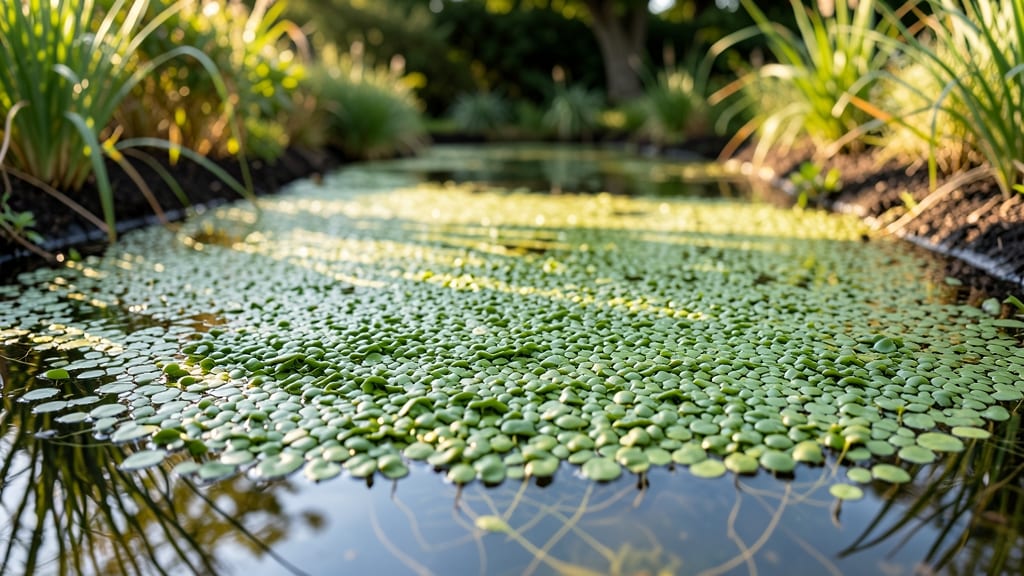
Weeds like large green leaf varieties (such as water lettuce or duckweed) thrive in calm, shallow water where sunlight penetrates easily. Stagnant conditions create the ideal breeding ground because:
- Lack of oxygen: Still water leads to low dissolved oxygen, stressing native plants while allowing weeds to dominate.
- Warmth retention: Sunlight heats stagnant water, accelerating weed growth and reproduction.
- No natural disturbance: Moving water (from fountains or aerators) disrupts weed growth, but stillness lets them spread unchecked.
Actionable fix: Install a small fountain, aerator, or even a solar-powered water feature to keep water moving. In gardens, improve drainage to prevent waterlogging.
While most plants need sunlight, large green leaf weeds often outcompete others because they’ve adapted to thrive in full-sun conditions. Overgrowth occurs when:
- Shade-loving plants are outcompeted: Native or desired plants may struggle in bright light, leaving space for sun-hungry weeds to take over.
- Weeds reproduce faster: Species like water hyacinth or alligator weed can double their biomass in weeks under direct sunlight.
- Soil or water temperatures rise: More sunlight = warmer conditions, which speeds up weed metabolism and reproduction.
Actionable fix: Introduce shade-tolerant plants to outcompete weeds, or use shade cloth (30–50% coverage) in garden beds. In ponds, floating plants like water lilies can block sunlight naturally.
When the balance of a pond, lake, or garden is thrown off—whether by human intervention or invasive species—weeds fill the void. Common disruptions include:
- Removal of native predators: Fish like grass carp or insects (e.g., duckweed midges) that naturally control weeds may be absent due to habitat loss or pesticides.
- Introduction of invasive species: Non-native plants (e.g., salvinia or water spinach) have no natural enemies and spread aggressively.
- Altered water flow: Dams, dikes, or urbanization can change natural water movement, favoring weed growth.
Actionable fix: Restore native plants or introduce natural predators (e.g., triplefin fish for algae control). Avoid using invasive species in landscaping.
By addressing these root causes, you’re not just treating the symptoms—you’re starving the problem at its source. The next step? Learn how to eliminate these weeds effectively in our actionable guide.
How to Fix Overgrowth Naturally
Now that you understand why those pesky large leafy weeds (like lamb’s quarters, amaranth, or dock) are taking over your garden, it’s time to tackle them—without harsh chemicals! Below are targeted solutions for each common cause, paired with easy-to-follow steps and prevention tips to keep your garden thriving.
If your garden is a weed magnet because of wind-blown seeds or last year’s leftover plants, the key is prevention + manual removal.
🔥 Step 1: Pull Early, Pull Often
- Best time to remove: When weeds are young and small (before they seed!).
- How to pull:
- Use a hand trowel or weeding fork to loosen roots.
- Grasp the base (not just the leaves) and twist to break the root.
- Drop weeds in a bucket (not back into the soil—they’ll regrow!).
- Pro tip: 💡 Wear gloves—some weeds (like stinging nettle) have irritating hairs!
🍳 Step 2: Smother or Mulch
- For bare soil: Cover with cardboard + mulch (straw, wood chips) to block sunlight.
- For existing weeds: Lay down thick mulch (3–4 inches) to suffocate them.
- Pro tip: 🌡️ Black plastic sheeting works too—leave it for 4–6 weeks to kill weeds before planting.
👨🍳 Step 3: Prevent Seed Spread
- Bag and dispose of weeds (don’t compost them—they’ll reseed!).
- Use a weed barrier fabric under mulch for long-term control.
- Pro tip: ✨ Handpick flowers before they release seeds (e.g., dandelions, chickweed).
If your garden stays too wet (from poor drainage or overwatering), weeds like dock or plantain will dominate. Reduce moisture + improve soil health.
🔪 Step 4: Improve Drainage
- Test your soil: If it’s clay-heavy, mix in compost or sand to loosen it.
- Raise beds: Build elevated planters if your yard floods.
- Pro tip: 🎯 Avoid overwatering—most veggies need 1–1.5 inches per week.
⏰ Step 5: Water Strategically
- Water deeply but less often to encourage deep roots in plants (not weeds).
- Use drip irrigation to target plants, not the soil between them.
- Pro tip: 🌡️ Water in the morning so soil dries faster—weeds hate dry conditions!
🥗 Step 6: Choose Drought-Tolerant Plants
- Swap moisture-loving weeds with drought-resistant veggies like:
- Zucchini, beans, or kale (they handle dry spells better).
- Succulents or herbs (thyme, rosemary) as ground cover.
If your soil is nutrient-poor, weeds like lamb’s quarters (edible but invasive) will outcompete your crops. Boost soil health to starve them out.
🔥 Step 7: Add Organic Matter
- Top-dress with compost (2–3 inches) to crowd out weeds.
- Use aged manure or worm castings for a nutrient boost.
- Pro tip: 💡 Plant a "green manure" crop (like clover) in fall to improve soil before spring.
🍳 Step 8: Use Vinegar or Boiling Water (Spot Treatment)
- For small patches:
- Spray 10% vinegar + dish soap (kills weeds but not deep roots).
- Pour boiling water on weed bases (works fast but requires repeat).
- ⚠️ Warning: Avoid near desired plants—vinegar can harm them too!
👨🍳 Step 9: Plant a Living Mulch
- Interplant with low-growing, fast-spreading crops like:
- Clover, creeping thyme, or lettuce to shade out weeds.
- Cover crops (like buckwheat) that smother weeds before you plant.
Once you’ve cleared the invaders, stop them from coming back with these habits:
✅ Mulch regularly (wood chips, straw, or grass clippings). ✅ Hand-weed weekly (10 minutes beats a full cleanup later). ✅ Rotate crops to disrupt weed life cycles. ✅ Plant densely so weeds don’t get sunlight. ✅ Use landscape fabric in high-weed areas (like pathways). ✅ Encourage beneficial insects (ladybugs, ground beetles) that eat weed seeds.
Final Thought: 🌱 The best weapon against weeds? A healthy, competitive garden. The more your plants thrive, the less room weeds have to crash the party! Try one method this week and watch the difference.
Frequently asked questions about managing large green leaf weeds
What are the most common types of large leaf weeds I should watch for?
Look for dandelions, plantain, lamb's quarters, and dock—all have broad leaves and spread aggressively. Bindweed (with arrow-shaped leaves) and ground ivy (creeping with scalloped edges) are also troublemakers. Identifying them early makes removal easier.
How do I tell if a large leafy plant is a weed or an edible green?
Check the leaf shape: Weeds often have jagged edges (like dandelion) or deep lobes (like lamb's quarters). Edible greens (such as spinach or kale) have smoother, more uniform leaves. When in doubt, research the plant or consult a local gardening expert.
Why do large leaf weeds keep coming back even after I pull them?
Many weeds (like bindweed or dock) have deep root systems or spread via underground runners. If you don’t remove the entire root, the plant regrows. For stubborn weeds, smother with mulch or use a digging fork to sever roots completely.
Are there natural weed killers that work on large leaf weeds?
Yes! For spot treatment, try vinegar + dish soap (10% vinegar solution) or boiling water on weed bases. For prevention, corn gluten meal (applied pre-sprout) inhibits weed seed germination. Just avoid these near desired plants—they’re not selective.
How can I prevent large leaf weeds from spreading to my lawn?
Start with proper lawn care: Mow high (3–4 inches) to shade out weeds, and overseed bare spots with dense grass. Apply organic mulch (like wood chips) around garden edges to block sunlight. Regularly remove weeds before they seed!